


Commercial air travel is experiencing significant strain, and for those traveling right now during peak spring break season, the impact is immediate and unavoidable. Long security lines, widespread delays, flight cancellations, and rising costs are creating a challenging environment for commercial travelers nationwide.
The Perfect Storm for Airline Travel
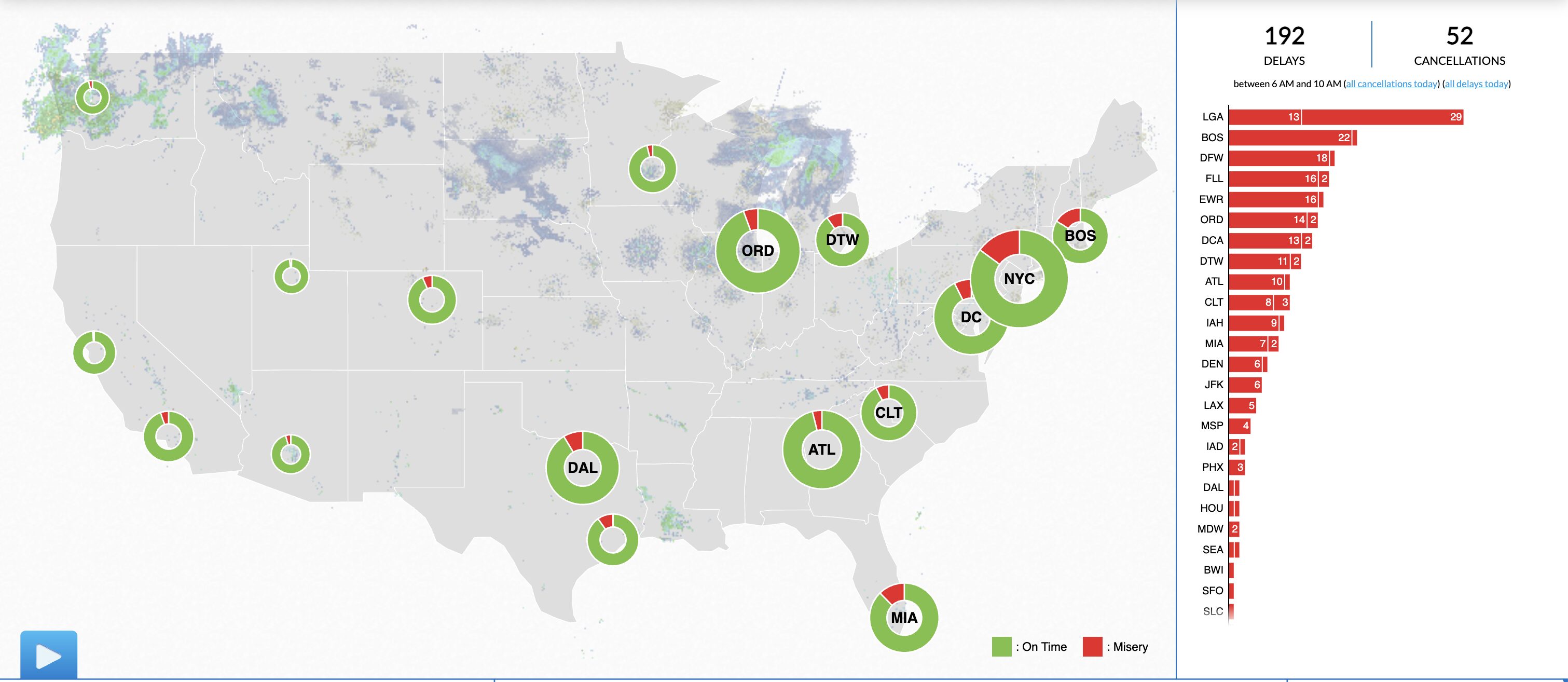
One of the primary drivers of current disruptions is the spring break travel surge, which is shaping up to be one of the busiest on record. Millions of travelers are moving within a compressed timeframe, placing extraordinary pressure on airports, airlines, and air traffic control systems.
Popular destinations such as South Florida, Mexico, and the Caribbean are experiencing sharp increases in traffic, leading to congestion both in the air and on the ground. With so many travelers concentrated into a narrow travel window, even minor operational issues can quickly escalate into widespread delays and cancellations.
Critical Factors Affecting Airlines
Several critical factors are converging to disrupt commercial aviation operations.
Demand has reached unprecedented levels, with airlines preparing for approximately 171 million passengers between March and April, surpassing previous spring travel records. At the same time, external pressures, particularly rising fuel costs, are forcing commercial carriers to make difficult operational decisions.
Following the February 28 closure of the Strait of Hormuz, a key global aviation fuel corridor, jet fuel prices surged rapidly, placing immediate pressure on airline economics. In response, several major commercial carriers, including large U.S. airlines such as United, have begun reducing capacity, quietly canceling or consolidating flights on less profitable routes and adjusting schedules to manage rising costs.
For travelers, this translates into fewer available flights, increased prices, and a higher likelihood of last-minute cancellations or itinerary changes.
Compounding these challenges, TSA officers have been working without pay since the partial government shutdown began on February 14, leading to widespread staffing shortages.
More than 366 officers have resigned, and absentee rates have surged. At Houston Hobby Airport, 55% of staff called out on a single day, while Atlanta Hartsfield-Jackson International Airport reported absentee rates as high as 38%.
These shortages have led to extended security wait times and reduced operational capacity. Travelers are experiencing multi-hour delays at checkpoints, with some airports consolidating or closing screening lanes entirely.
Key Factors Driving Delays and Price Increases

TSA Workforce Shortages
TSA personnel are classified as essential employees and are required to report to work without pay during the government shutdown. While back pay is expected, the immediate financial strain has contributed to increased absenteeism and resignations.
As a result, security wait times have increased dramatically. Atlanta recorded wait times exceeding two hours, while LaGuardia reached delays of up to three hours. Some airports have reduced checkpoint operations due to limited staffing.
Fuel Cost Volatility
The Strait of Hormuz typically facilitates a significant share of the world’s aviation fuel supply, and its closure has created immediate constraints across global markets.
In response to rapidly rising fuel costs, commercial airlines are taking protective measures: raising fares, adding fuel surcharges, and, increasingly, scaling back service on select routes. In some cases, carriers are consolidating flights or reducing frequency to manage operating costs more effectively.
For travelers, this environment results in higher ticket prices, reduced availability, and a greater likelihood of schedule changes as airlines continue to adjust capacity in real time.
The Alternative: Why Private Aviation Works When Commercial Doesn’t

While commercial aviation is experiencing significant operational strain, private aviation offers a fundamentally different and more controlled travel experience.
Private Clients are not subject to TSA checkpoints, long security lines, or crowded airport terminals. Instead, they depart from private terminals (FBOs), where boarding is efficient, discreet, and typically completed within minutes of arrival.
This distinction becomes particularly valuable during peak travel periods such as spring break, when commercial terminals are operating at or beyond capacity.
Private aviation also provides greater flexibility. Operators are not constrained by rigid airline schedules or single-source fuel contracts. This allows for more adaptive routing, access to alternative airports, and strategic fuel sourcing.
While private aircraft operate within the same airspace as commercial flights, the overall travel experience remains significantly more efficient and predictable.
It is important to note that ground transportation near major airports may still experience congestion, particularly during peak travel periods. However, the ability to utilize alternative airports and avoid commercial terminals helps mitigate many of these challenges.
How to Stay Ahead of the Disruptions
Careful planning remains essential in the current travel environment:
- Maintain access to essential items, including medications and travel documents, in the event of delays
- Consider alternative airports to avoid congestion at major hubs
- Stay informed through real-time updates and expert guidance
- Allow additional time for ground transportation, particularly in high-traffic markets
Magellan Jets Is Built for Moments Like This
Magellan Jets is uniquely positioned to navigate periods of disruption through its asset-light model.
Our Jet Card programs provide an additional layer of stability, with guaranteed availability that ensures access to aircraft 365 days a year, with no blackout dates, even during peak travel periods. Additionally, Jet Card Owners are protected from volatile fuel costs. Magellan Jets absorbs all fuel price increases up to 25%, offering peace of mind and shielding our Clients from the full impact of market fluctuations.
Because we do not own aircraft, we are not limited to a fixed fleet. Instead, we source aircraft from the Magellan Jets Preferred Network, a carefully vetted group of top-tier operators, allowing us to select the most appropriate aircraft based on current conditions.
This flexibility enables us to proactively adjust travel plans, including routing through alternative airports and optimizing fuel sourcing when conditions change.
Our Flight Operations team continuously monitors operational conditions, making certain that potential disruptions are addressed before they impact our Private Clients.
“I was in a bind with all the travel hassles this weekend and Magellan stepped up and helped me get a flight quickly to help my family get home on time. Thank you.” – Magellan Jets Private Client
Frequently Asked Questions About Recent Travel Disruptions (FAQ):
Is TSA still paid during a government shutdown?
No. TSA officers continue to work without pay until funding is restored. While back pay is typically issued, the immediate financial impact contributes to staffing shortages.
Is LAX affected by the government shutdown?
Yes. Like many major U.S. airports, LAX is experiencing operational strain due to the government shutdown. As a result, travelers are seeing longer security lines, delays, and a less predictable airport experience overall.
How is the TSA shortage impacting airport operations right now?
TSA staffing shortages are reducing the number of open security lanes, increasing wait times, and creating bottlenecks at checkpoints. In high-traffic airports such as LAX, this can mean multi-hour delays, especially during peak travel periods like spring break.
Are TSA wait times increasing nationwide?
Yes. Major airports across the country, including LAX, Atlanta, and LaGuardia, are reporting increased wait times due to the same combination of high demand and reduced staffing.
Is there a way to bypass TSA wait times entirely?
Yes. Private aviation allows travelers to bypass TSA checkpoints entirely by departing from private terminals (FBOs), where security procedures are handled differently and far more efficiently.
What flights are being canceled right now?
Cancellations are occurring across a range of routes, particularly those with lower demand or tighter margins. Airlines are prioritizing efficiency by consolidating flights and reallocating resources, which can result in sudden schedule changes.
How long are TSA wait times right now?
TSA wait times currently range from 30 minutes to over 3 hours, depending on the airport and time of day. Due to staffing shortages and peak travel demand, major hubs like LAX and Atlanta are experiencing the longest delays. Travelers should arrive early, as wait times remain unpredictable.
What are TSA wait times at Logan Airport right now?
TSA wait times at Boston Logan International Airport are generally more manageable compared to heavily impacted hubs like LAX or Atlanta. While delays can still occur during peak travel periods, Logan has not experienced the same level of disruption from staffing shortages and congestion.
For travelers seeking greater certainty and efficiency, Magellan Jets offers access to the Magellan Jets Private Terminal in Bedford, allowing clients to bypass TSA lines entirely and eliminate the risk of unexpected delays.
A More Reliable Way to Fly
Commercial aviation is currently facing systemic challenges with no immediate resolution. High demand, fuel volatility, and staffing shortages continue to impact reliability and traveler experience.
Private aviation provides a more controlled, efficient, and predictable alternative, particularly during periods of peak demand.
By eliminating TSA checkpoints, avoiding crowded terminals, and offering flexible, responsive operations, private aviation allows travelers to maintain control over their schedules.
For those seeking a more reliable travel solution, Magellan Jets offers the expertise, flexibility, and service required to navigate today’s complex travel environment with confidence. Contact a Private Aviation Advisor here.