


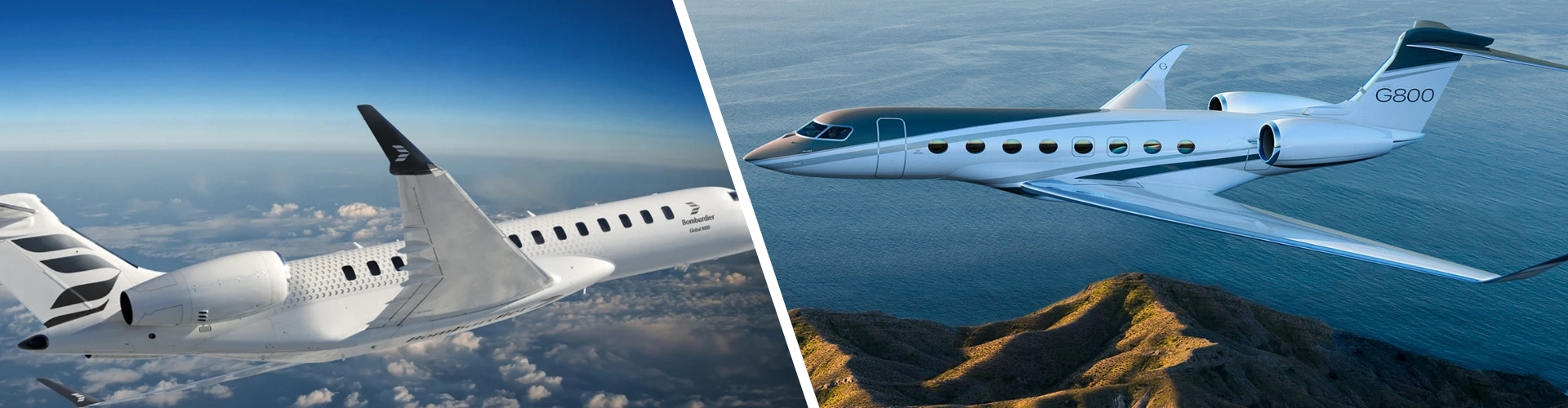

Why do so many people compare the Bombardier Global 8000 vs the Gulfstream G800? Both of these jets represent the newest wave of ultra-long-range capability; Aircraft designed to make the hardest trips feel simpler. They also both sit at the top of their respective families and target nonstop intercontinental missions. And both have become more “real” to the market over the past year as certification and delivery news moved from speculation to milestones.
The current energy around the Global 8000 is especially intense because Bombardier has tied the aircraft to a clear, memorable story: it’s the company’s new flagship, it’s fast enough to grab headlines, and it has now entered service. Reuters reported that the Global 8000 received FAA certification on December 19, 2025, after Transport Canada certification on November 5, 2025, and that it entered service earlier in December 2025. That momentum naturally triggered comparisons to the Gulfstream’s G800, which earned FAA and EASA certifications in April 2025, opening the door to customer deliveries and service entry in major markets.
Comparing the Global 8000 vs. Gulfstream G800
At a distance, both jets solve the same problem: long flights compress time, magnify fatigue, and punish inefficiency. The market compares the Global 8000 to the Gulfstream G800 because both brands promise less compromise across the same kinds of missions. When you zoom in, though, you see two distinct strategies.
Bombardier leads with a bold performance headline and an easy-to-picture cabin concept. On Bombardier’s own Global 8000 page, the company positions the aircraft as the “world’s fastest civilian aircraft since Concorde,” publishes a top speed of Mach 0.95, and pairs that with 8,000 nautical miles of range and “four true living spaces.” In other words: go fast, go far, and live comfortably across a long flight without feeling like you’re stuck in one single-purpose cabin.
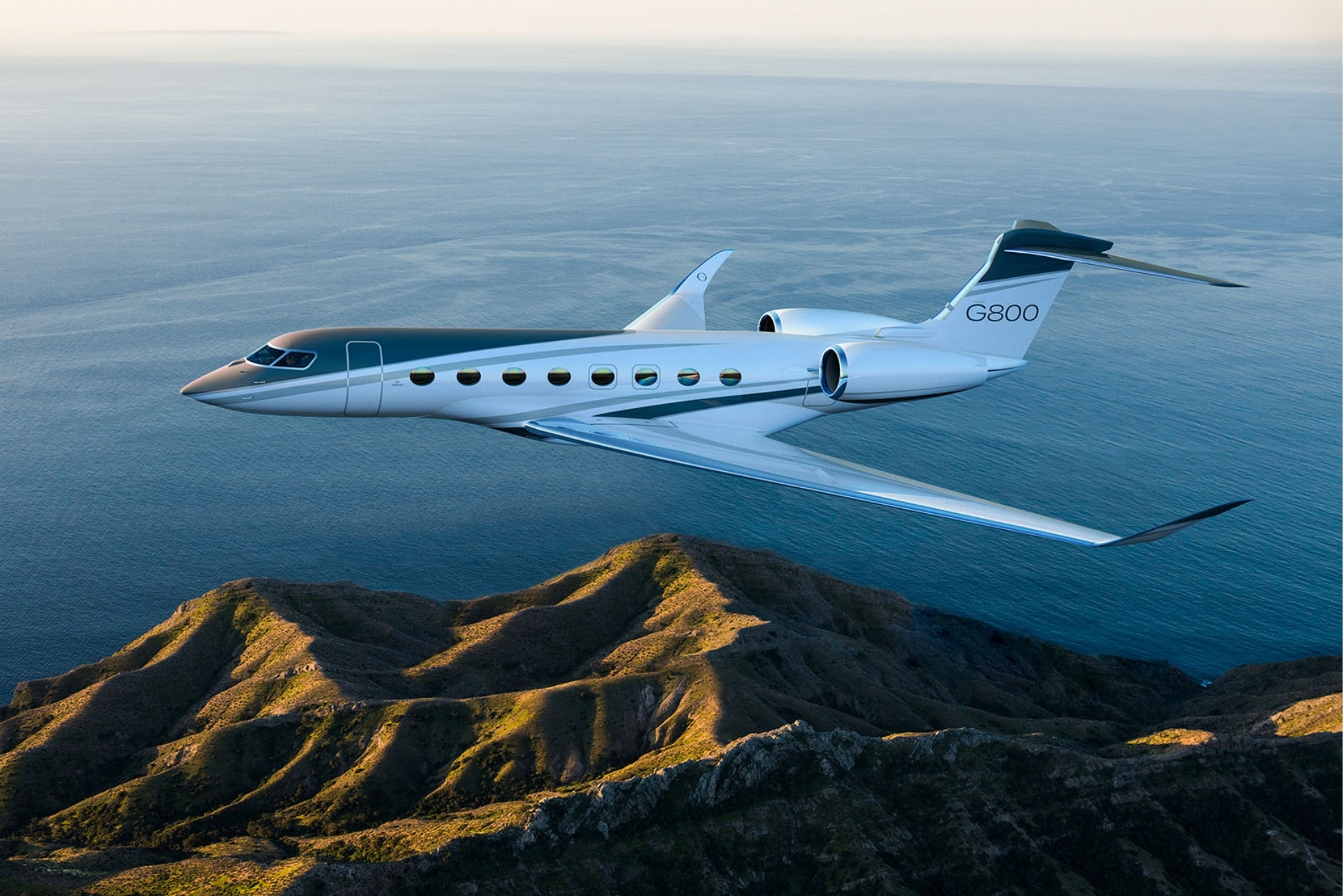
Gulfstream tells a slightly different story. The G800 conversation often centers on “range at speed” and certification-tested performance points. Gulfstream’s certification announcement highlights multiple range figures depending on cruise profile: 7,000 nm at Mach 0.90, 8,000 nm at Mach 0.87, and a certification-demonstrated 8,200 nm at Mach 0.85, with a maximum operating speed of Mach 0.935. That framing is less about one headline number and more about flexibility: the aircraft gives you meaningful distance even when you cruise fast.
Speed
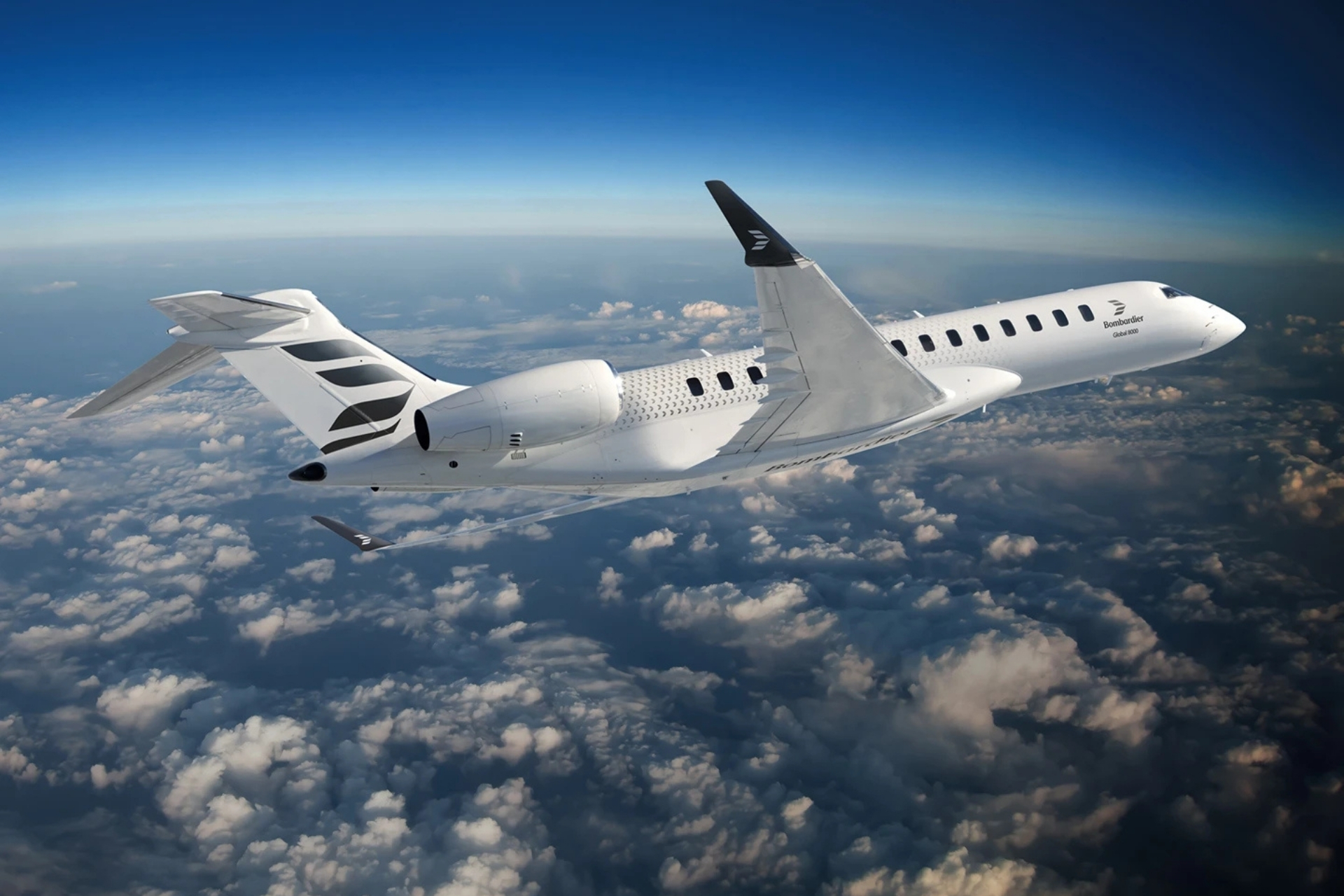
Speed is the easiest part of this comparison to understand, and it’s also the main reason the Global 8000 has generated so much buzz. Bombardier publishes Mach 0.95 as the Global 8000’s top speed, and Reuters echoed that figure in its coverage of the FAA certification milestone. That “fastest since Concorde” phrasing travels well because it instantly tells a story: Less time in the air on already-long days, and more schedule control on trips where minutes matter.
The G800 doesn’t trail far behind on speed. Coverage tied to certification states the aircraft’s maximum operating speed increased to Mach 0.935. In real terms, both aircraft live in a rarified tier of business aviation performance. The difference is that Bombardier’s Mach 0.95 is designed to be the conversation starter, while Gulfstream’s speed story tends to appear alongside range and operational flexibility.
Range
Range is where the comparison becomes more nuanced. Bombardier keeps the Global 8000 story clean and direct: 8,000 nautical miles. It’s easy to understand and easy to repeat. That clarity is part of the brand’s positioning: faster and farther, with a flagship cabin, now moving into service.
Gulfstream’s messaging invites a different kind of conversation. The G800 gets discussed as a set of performance points at different cruise speeds: 7,000 nm at Mach 0.90 (high-speed cruise), 8,000 nm at Mach 0.87, and 8,200 nm at Mach 0.85 demonstrated during certification. That approach tends to resonate with travelers and flight departments who think in terms of tradeoffs: how far can we go if we prioritize speed today, and how far can we go if we prioritize maximum distance?
Cabin experience
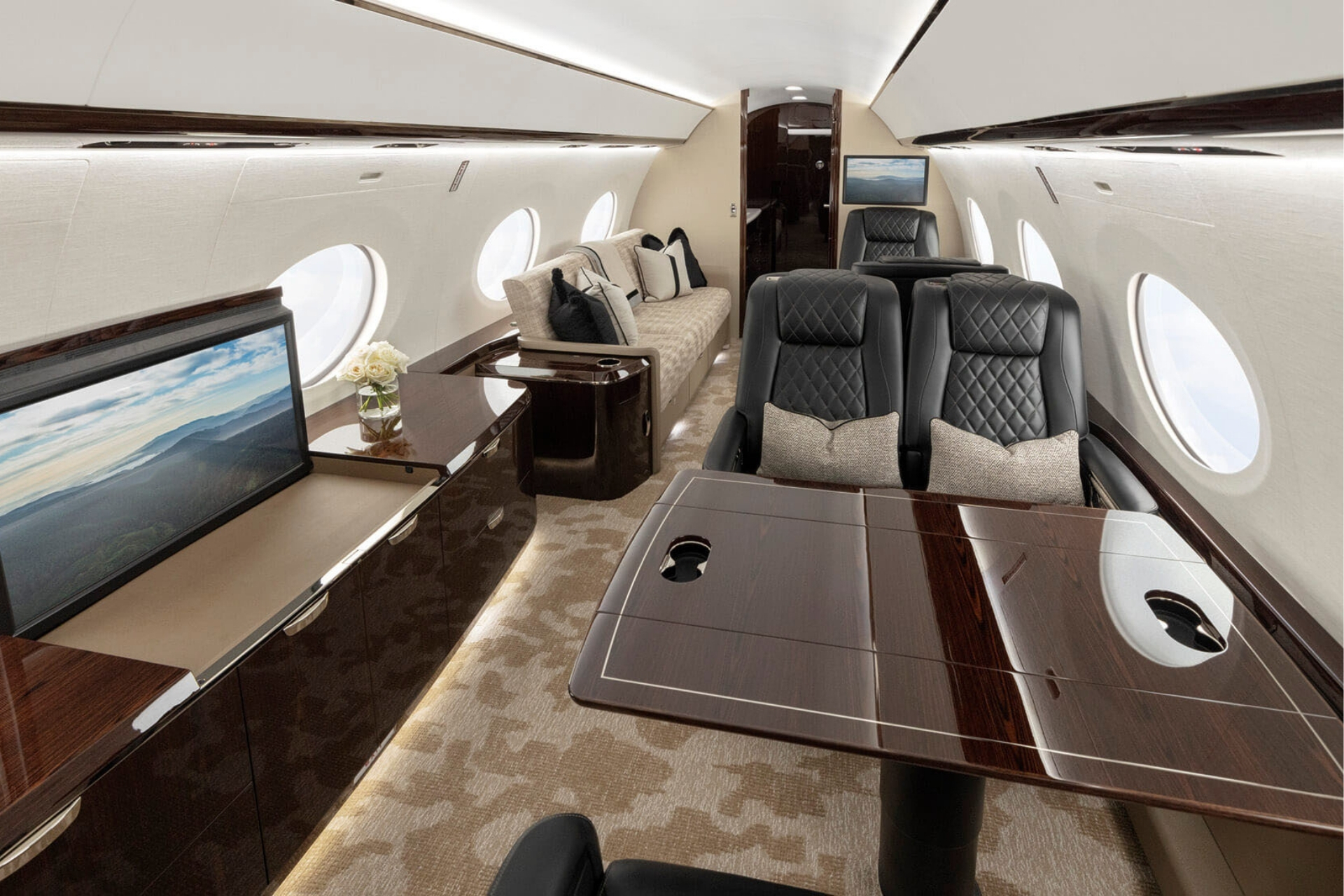
On the cabin side, Bombardier’s Global 8000 positioning is explicit. The company emphasizes “four true living spaces,” which suggests a flight that can move through phases of work, conversation, dining, and rest without forcing every moment into one compromise layout. That matters on long legs where comfort is imperative.
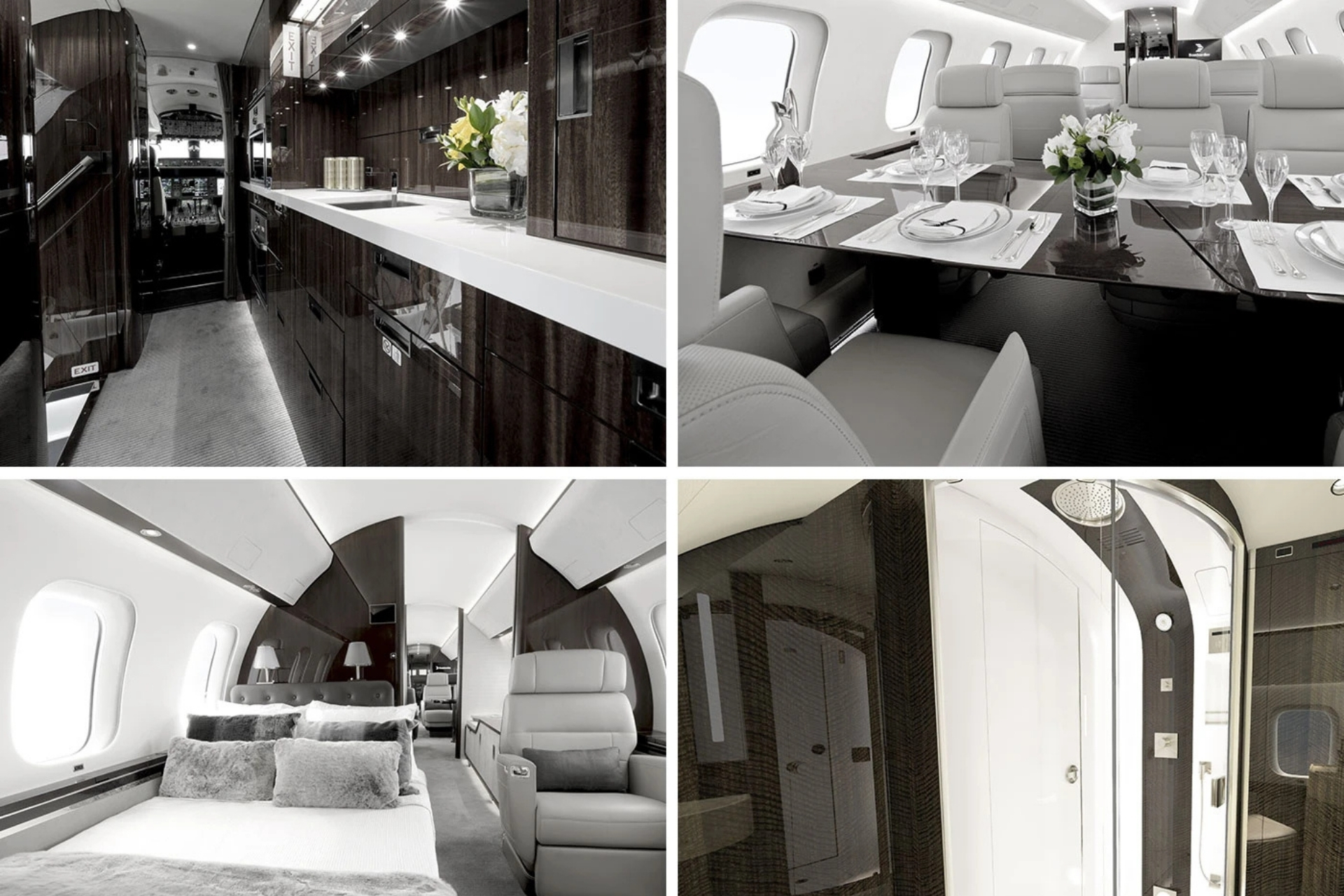
Gulfstream, meanwhile, emphasizes how the G800 supports long missions with a cabin that can be configured in multiple living areas. Gulfstream’s own G800 delivery news notes that the interior can be configured with “up to four living areas,” or with a dedicated crew compartment option, which aligns with the aircraft’s long-haul intent. While specific interiors vary widely by operator, Gulfstream’s narrative often keeps the spotlight on mission capability and performance, with the cabin experience presented as the environment that supports those missions.
Global 8000 and G800 in the News
It’s easy to see why this pairing has intensified lately. The Global 8000 has moved into a new chapter: Transport Canada certification on November 5, 2025, entry into service in December 2025, and FAA certification announced December 19, 2025. That creates a surge of fresh attention, new imagery, and new route talk.
At the same time, the G800’s certification story is also current in market memory. Reuters reported FAA and EASA certifications in April 2025, enabling service entry and deliveries. In other words, both aircraft sit in the “new flagship” window, but the Global 8000 is riding a more immediate wave of headlines because its service-entry news is newer.
Frequently Asked Questions about Bombardier Global 8000 vs. Gulfstream G800 (FAQ):
Is the Bombardier Global 8000 in service now?
Yes. Bombardier states the Global 8000 entered service in December 2025 after receiving Transport Canada type certification on November 5, 2025, and Reuters reported FAA certification was granted on December 19, 2025.
Is the Gulfstream G800 certified?
Yes. Reuters reported that Gulfstream’s G800 received FAA and EASA certifications in April 2025, which allowed deliveries and service entry in the U.S. and Europe.
What are the headline speed and range numbers for the Global 8000?
Bombardier publishes a top speed of Mach 0.95, a range of 8,000 nautical miles, and positions the aircraft as the fastest civilian aircraft since Concorde.
How far can the G800 fly, and at what speeds?
Independent coverage and Gulfstream’s certification announcement cite 7,000 nm at Mach 0.90, 8,000 nm at Mach 0.87, and 8,200 nm at Mach 0.85 demonstrated during certification testing.
Which aircraft is faster?
Bombardier publishes Mach 0.95 for the Global 8000. Coverage of the G800’s certification cites a maximum operating speed of Mach 0.935.
The Magellan Jets Way to Compare Aircraft
When people compare these two aircraft, or any aircraft, they often get pulled into spec-sheet sparring. A more useful way to think about it is what each aircraft optimizes for and how it may fit your particular journey.
The Global 8000 is engineered and marketed to make speed feel like a tangible advantage, paired with a long-range promise and a cabin concept that’s easy to imagine. The G800 is engineered and marketed to give you range flexibility at meaningful cruise speeds, with certification-backed performance points that show how far you can go depending on how you choose to fly.
No matter which jet you choose for your mission, long-distance travel should feel less exhausting and more controllable. A Magellan Jets Private Aviation Advisor can help you evaluate your options.