Winter is when private aviation shows its full advantage. The mountain towns, the quiet northern runways, the early departures before a storm settles in: these are the flights that reward planning and access. Private jet de-icing is a quiet part of that access, and understanding it separates the seasoned traveler from the anxious one.
Here is the plain answer. Private jet de-icing is the process of removing and preventing frost, ice, and snow on an aircraft before departure. It is a federal safety requirement, not an optional service, and on private flights the cost is typically billed to the Client. Knowing how it works, and how a good provider manages it, keeps your winter travel calm and on schedule.
“De-icing is essential to maintaining lift, stability, and control in cold conditions,” says Christian Schaible, Senior Director, Safety & Joint Operations at Magellan Jets.
Understanding Private Jet De-Icing

De-icing matters because a clean wing is the difference between a routine departure and one that never should happen. Ground crews spray heated fluids across the wings, nose, tail, and other critical surfaces to strip away contamination and hold new ice at bay. The work is precise, and it follows the crew’s read of the weather that morning.
This is the heart of what pilots call the clean aircraft concept, a principle that current international guidance continues to underscore. Federal regulations, including 14 CFR 91.527 and the FAA guidance in Advisory Circular AC 135-17, prohibit takeoff with frost, ice, or snow adhering to critical surfaces. The rule applies across private, charter, and commercial operations. The final go decision always rests with the pilot in command.
The reason is aerodynamic, and it is unforgiving. FAA test data show that contamination as thin and rough as medium or coarse sandpaper can cut a wing’s lift by up to 30% and raise drag by up to 40%. That effect appears on the leading edge and upper surfaces, and heavier buildup is far worse. The figures are documented in AC 135-17 and AC 20-117, and current international safety guidance echoes the same aerodynamic risk. A surface that looks nearly clean to the eye can still carry enough roughness to matter.
Several factors shape how long the process takes:
The size of the aircraft and the surface area to be treated.
The type and severity of contamination, from light frost to wet snow.
Outside air temperature and active precipitation.
The de-icing queue and coordination with air traffic control.
Whether a second application is needed before takeoff.
The spray itself usually runs 10 to 30 minutes. Total time on the ground grows with the queue and with any re-application. Passengers often remain aboard, though Clients may wait in the private terminal until the aircraft is ready.
“Even if your aircraft starts the day in a warm hangar, exposure time is critical,” Schaible explains. “If you’re the fifth or sixth jet in line waiting to take off, you can ice up again while taxiing and sometimes have to repeat the process.”
Type I and Type IV De-Icing Fluids
Not all de-icing fluid does the same job, and the distinction is worth knowing before your next winter departure. Two fluids do most of the work, and they are applied in sequence for different reasons.
Type I fluid is thin, glycol-based, and sprayed hot. Dyed orange for visibility, it removes existing frost, ice, and snow, which is de-icing in the strict sense. It flows off the aircraft quickly and offers only brief protection against new accumulation.
Type IV fluid is the anti-icing step. It is thickened and non-Newtonian, dyed green, and applied after the aircraft is clean. It clings to the wing at rest to prevent new ice from forming, then shears off during the takeoff roll as airflow builds. The FAA describes these characteristics in its ground de-icing guidance, and its standardized color guidance assigns orange to Type I and green to Type IV.
This is where holdover time, or HOT, comes in. Holdover time is the estimated window during which anti-icing fluid keeps preventing ice and snow. It begins at the final fluid application and depends on temperature, precipitation type, and intensity. As FAA guidance notes, Type I gives considerably less holdover than thickened Type IV, which is why crews plan the two together. Because holdover cannot be paused, a long taxi can outlast the protection and send the aircraft back for another round.
Why Private Jet De-Icing Can Be So Expensive
De-icing carries a real cost because the fluid and the infrastructure behind it are substantial. The glycol-based fluids are expensive, used in volume, and applied under pressure. Airports also capture and treat the runoff to meet environmental standards, which is why de-icing often happens on dedicated pads built for containment.
“The fluid itself is extremely expensive,” notes Schaible. “And every airport must capture and manage the chemical runoff safely, which adds to the cost.”
As an estimate, private jet de-icing can range from about $2,000 to $10,000 or more per occurrence. The figure varies with aircraft size, the number of applications, the airport, and how busy the winter window is. Treat any single number as a guide rather than a quote.
Who Pays for De-Icing: On-Demand Charter vs. Jet Card
How de-icing lands on your invoice depends on how you fly, and the difference is one of the clearest advantages of a structured program. Commercial airline passengers, as a matter of industry practice, pay one bundled fare that quietly absorbs de-icing along with every other operational cost. Private travel is more transparent, which means the line item is visible.
On On-Demand Charter, de-icing is a weather-contingent, pass-through cost. It is not included in the base quote, because no one can know at booking whether the weather will call for it. If the crew treats the aircraft, the actual cost is billed afterward based on usage.
Jet Card Owners can handle it differently. A Jet Card lets you plan for winter with fixed, known terms, and it opens the door to protecting against de-icing charges entirely. That protection is where De-Icing Insurance comes in, covered further below.
How Magellan Jets Minimizes De-Icing Delays and Costs
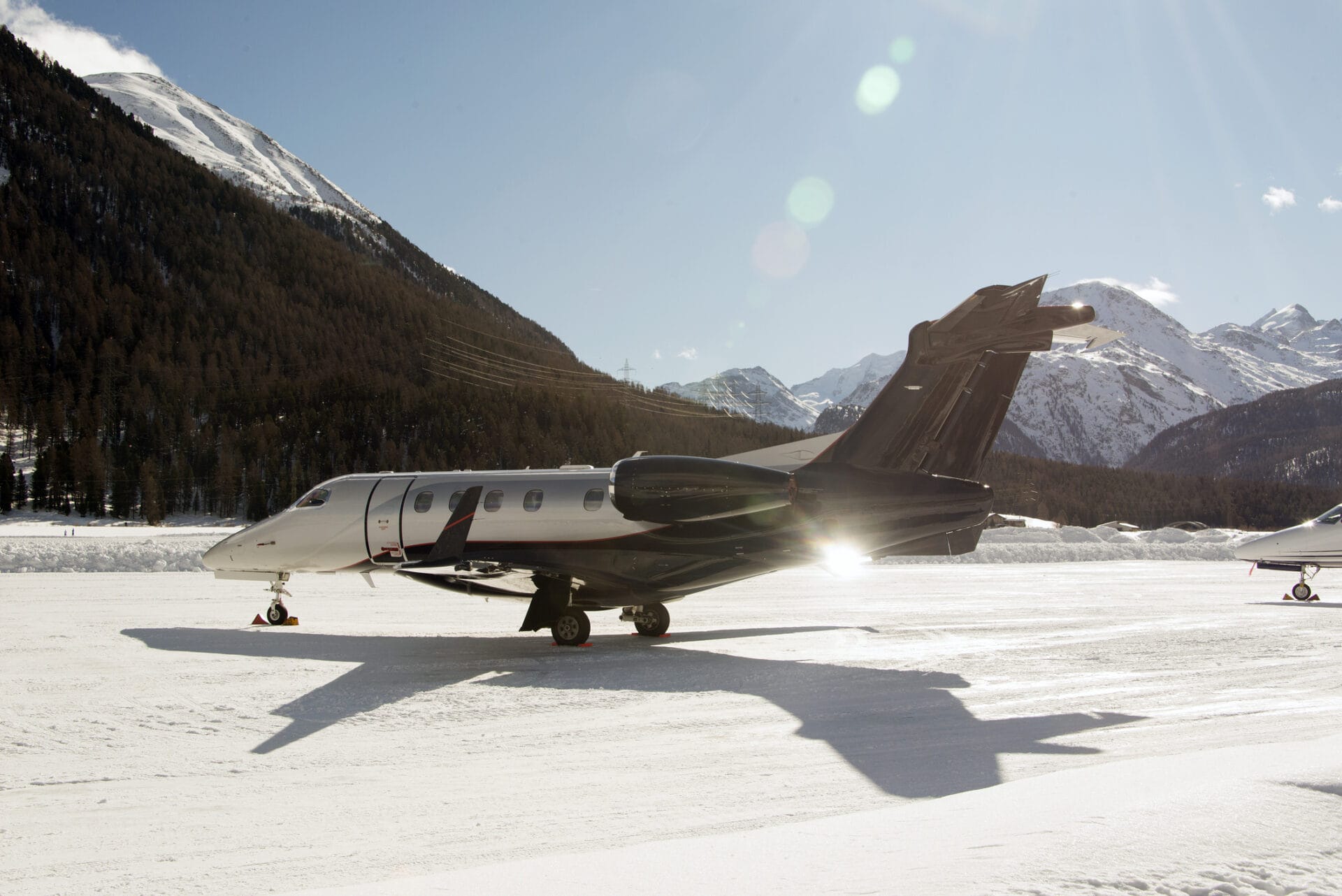
The best way to manage de-icing is to plan around it long before the aircraft reaches the pad. Our Private Aviation Advisors and safety team treat winter as a season to prepare for, and that preparation shows up as fewer delays and fewer surprises for our Clients.
Warm Hangar Storage
When conditions allow, keeping an aircraft in a heated hangar overnight prevents ice from forming in the first place. An aircraft that rolls out clean and warm may need little or no treatment, which saves both time and cost on a cold morning departure.
“Keeping a jet warm overnight saves money and reduces taxi delays,” Schaible says. “It’s a small investment that pays off in both safety and schedule reliability.”
Pre-Positioning and Flight Planning
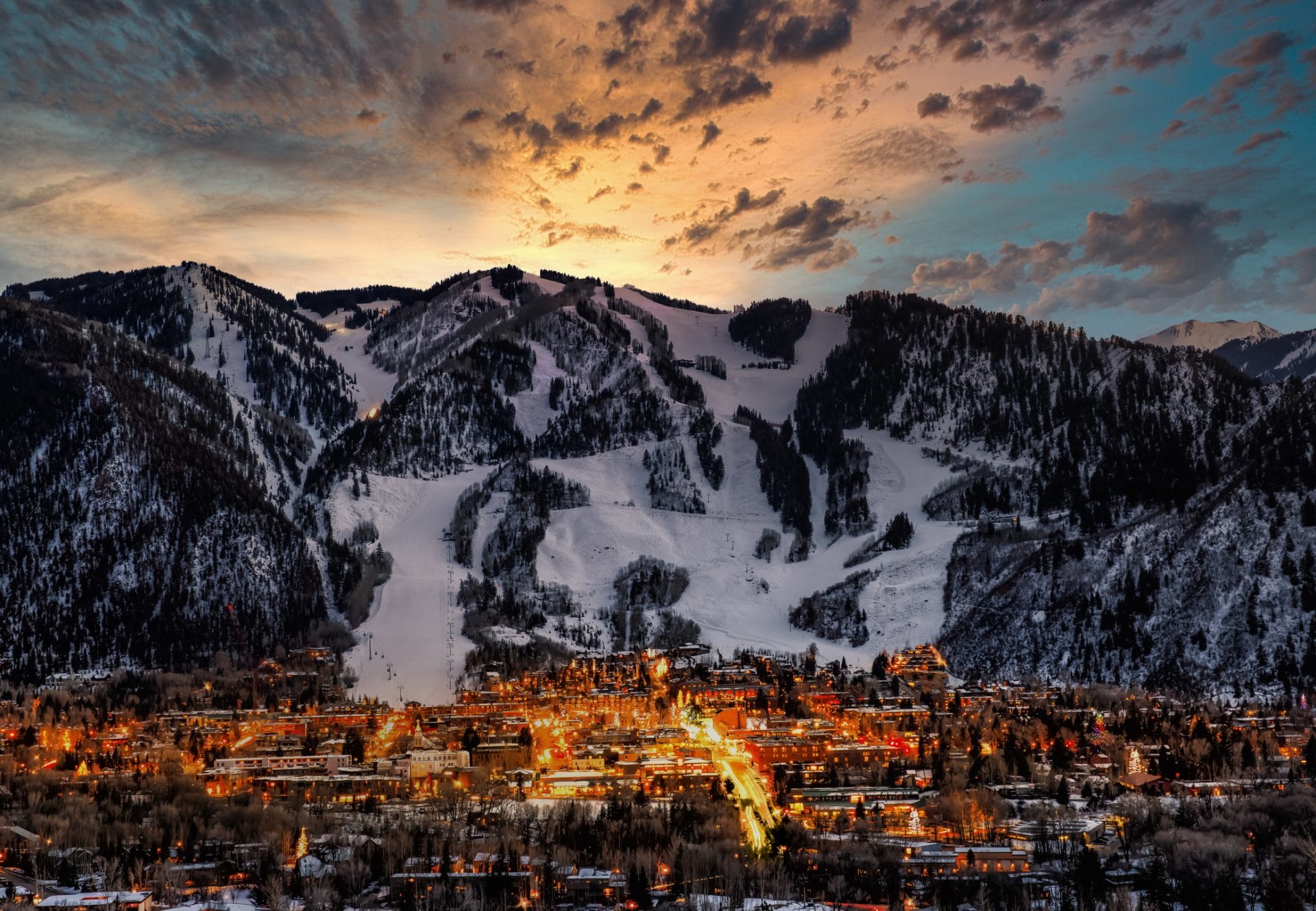
Winter destinations are part of the appeal, and they favor travelers who plan ahead. A ski week in Aspen or an escape to the Caribbean each carry their own weather rhythm, and pre-positioning the aircraft lets the crew work with the forecast rather than against it.
“In ski country and the Caribbean, everyone wants to arrive at the same time,” Schaible explains. “If you file your flight plan early, you might only see a 4–6 hour delay. File the same day, and it could become a 20-hour delay.”
Choosing the right aircraft for the mission is part of this too. Our guide to the most popular private jets to charter shows how cabin and range shape a winter itinerary.
Monitoring Wind and Jet Stream Conditions
Winter weather moves fast, and so does our planning. Tracking wind and jet stream conditions helps the team anticipate where storms will build and how they will affect a route. That foresight lets us adjust timing before a delay ever reaches the Client.
Selecting the Right Airports
Airport choice quietly shapes the whole experience. A nearby FBO, or fixed-base operator, the private terminal that services private aircraft, can mean shorter queues and faster turnarounds than a congested primary field. Smaller airports are often the insider’s route into a busy region.
“Some small airports don’t have full snowplow fleets,” Schaible notes. “Sometimes it’s literally one guy with a pickup truck clearing the runway, and that can delay departures.”
Protecting Your Flight with De-Icing Insurance
Certainty is the whole point of flying privately, and De-Icing Insurance extends that certainty into winter. On On-Demand Charter, de-icing is billed to the Client as it occurs. Jet Card Owners have another option built for peace of mind.
Magellan Jets Jet Card Owners can add De-Icing Insurance for zero out-of-pocket de-icing costs across the Jet Card term. Pricing starts at $2,500 per 25-hour block and is set by jet category. You can add it when you build your Jet Card or by speaking with your Private Aviation Advisor.
For travelers weighing how they want to fly all year, our comparison of fractional versus full ownership puts these choices in context.
Winter Flying Tips From Magellan Jets’ Safety Experts
A little foresight turns winter travel into one of the most rewarding times to fly private. These habits keep the experience calm from the first phone call to wheels-up.
Plan Ahead for Delays
Build a little margin into your winter schedule. When your timing allows for de-icing and a possible queue, a short wait never becomes a missed obligation.
Share Your Travel Details
Tell your Private Aviation Advisor about tight connections, ground transport, and events on the far end. The more the team knows, the better they can sequence your departure around the weather.
Book Early
Winter demand climbs around holidays and ski weekends. Booking early secures the right aircraft and the right departure window before availability tightens.
Arrive Early
Reaching the FBO with time to spare lets the crew handle de-icing without pressure. An unhurried departure is a safer one, and a more pleasant one.
Stay Connected
Keep your phone close in the hours before departure. Real-time contact with your Advisor means any weather adjustment reaches you at once, with a plan already in motion.
“You can’t eliminate every weather issue,” Schaible says, “but your Private Aviation Advisor can help you anticipate and mitigate them for a smoother experience.”
Frequently Asked Questions About Private Jet De-Icing (FAQs):
What is private jet de-icing?
Private jet de-icing is the process of removing frost, ice, and snow from an aircraft and preventing new accumulation before takeoff. Heated fluids are sprayed on the wings, tail, and other critical surfaces. It is a federal safety requirement, and the pilot in command makes the final call.
What is the difference between de-icing and anti-icing?
De-icing removes contamination that is already on the aircraft. Anti-icing then protects the clean surfaces from new ice and snow. Crews often do both in sequence, using a thin Type I fluid to de-ice and a thicker Type IV fluid to anti-ice.
What fluid is used to de-ice a private jet?
Two fluids are common. Type I is thin, heated, and dyed orange, and it removes existing contamination. Type IV is thickened, dyed green, and applied afterward to prevent new ice, then it sheds during the takeoff roll.
Why does de-icing take so long?
The spray itself is often 10 to 30 minutes, but the total wait can be longer. Aircraft queue for the de-icing pad, crews coordinate with air traffic control, and a second application may be needed if the first one’s protection expires during a long taxi.
How long does de-icing protection last?
That window is called holdover time, and it is an estimate rather than a fixed number. It begins at the final fluid application and depends on temperature, precipitation type, and intensity. Type I offers considerably less holdover than thickened Type IV.
How much does private jet de-icing cost?
As an estimate, private jet de-icing can range from about $2,000 to $10,000 or more per occurrence. The cost varies with aircraft size, the number of applications, the airport, and winter demand. It is best treated as a guide, not a fixed quote.
Who pays for de-icing on a private jet?
On On-Demand Charter, de-icing is billed to the Client as a weather-contingent, pass-through cost, separate from the base quote. Jet Card Owners can protect against it with De-Icing Insurance. Commercial airline passengers, by industry practice, pay one bundled fare that already absorbs it.
Can de-icing be avoided?
Sometimes, with planning. Heated hangar storage, careful departure timing, and airport selection can reduce or occasionally eliminate the need to treat the aircraft. When conditions call for de-icing, though, it is a safety requirement and cannot be skipped.
Which airports experience the most de-icing delays?
Busy winter destinations tend to see the longest queues. Aspen (KASE), Vail’s Eagle County (KEGE), and Teterboro (KTEB) are common examples during storms and peak weekends. Choosing a nearby alternate FBO can shorten the wait considerably.
What does Magellan’s De-Icing Insurance cover?
De-Icing Insurance covers de-icing costs for Jet Card Owners with zero out-of-pocket for the Jet Card term. Pricing starts at $2,500 per 25-hour block and is set by jet category. You can add it when you build your Jet Card or through your Private Aviation Advisor.
Fly Confidently This Winter
Winter travel belongs to those who plan for it, and de-icing is simply one more detail handled well. With the right preparation, the right airports, and a team watching the weather for you, the cold season becomes one of the finest times to fly private.
To plan your winter travel with de-icing handled from the start, Talk to a Private Aviation Advisor.
About Christian Schaible
Christian Schaible is the Senior Director, Safety & Joint Operations at Magellan Jets. A former military helicopter pilot and drone operator, Christian brings extensive expertise in program management, risk analysis, and mission execution to his role. At Magellan Jets, he applies his operational insight and disciplined approach to deliver secure, safety-first travel experiences for Private Clients across every season.


