Updated October 2026
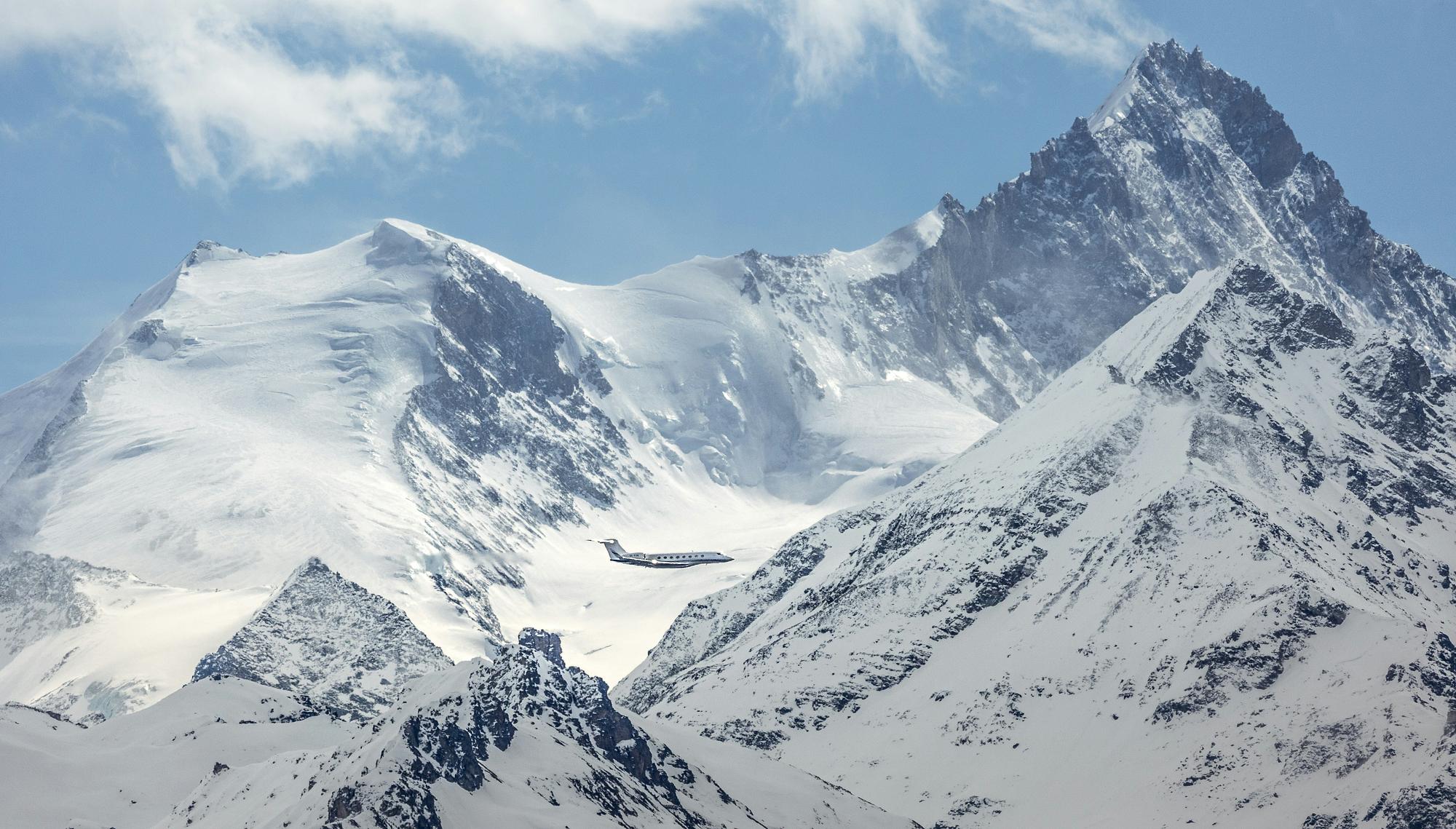
Seven mountain airports anchor private travel to the West’s great ski towns: Aspen/Pitkin County, Eagle County Regional, Rifle Garfield County, Jackson Hole, Telluride Regional, Friedman Memorial, and Bozeman Yellowstone International. All seven appear on the Federal Aviation Administration’s (FAA) Cold Temperature Airports list. High elevation, close terrain, and quick-moving storms shape every winter arrival, so crews plan alternates before departure.
The storms that bury the Rockies in powder also decide which runway a jet uses that morning. That is part of the appeal. These airports put you minutes from the lifts, and a well-planned arrival makes the first run of the week feel close.
This guide covers each airport’s winter character, the alternates crews commonly consider, and what the FAA’s cold-temperature program means for your journey. It also flags a date every Aspen regular should know. The airport closes for a full runway rebuild on April 4, 2027.
Mountain Airports at a Glance: Elevation, Runways, and Alternates
Elevations below are FAA-surveyed figures. ICAO (International Civil Aviation Organization) codes are the four-letter identifiers crews use for flight planning.
Airport | ICAO | Elevation | Runway | Winter Character | Commonly considered alternates |
|---|---|---|---|---|---|
Aspen/Pitkin County Airport | KASE | About 7,838 ft | 8,006 × 100 ft (15/33) | Narrow valley, upslope landings, 95-ft wingspan limit | Rifle, Grand Junction |
Eagle County Regional Airport | KEGE | About 6,547 ft | 9,000 × 150 ft (7/25) | Long, wide runway serving Vail and Beaver Creek | Rifle, Grand Junction |
Rifle Garfield County Airport | KRIL | About 5,537 ft | 7,000 × 100 ft (8/26) | Lower field, staffed around the clock | Grand Junction |
Jackson Hole Airport | KJAC | 6,451 ft | 6,300 × 150 ft (1/19) | Inside Grand Teton National Park | Idaho Falls |
Telluride Regional Airport | KTEX | About 9,070 ft | 7,111 × 100 ft (9/27) | Highest in this guide, mesa-top runway | Montrose |
Friedman Memorial Airport | KSUN | About 5,320 ft | 7,550 × 100 ft (13/31) | Wood River Valley gateway to Sun Valley | Twin Falls |
Bozeman Yellowstone International Airport | KBZN | About 4,473 ft | Multiple runways | Lowest in this guide, Montana’s busiest | Butte, Helena |
Aspen/Pitkin County Airport (KASE): The Final Season on Today’s Runway
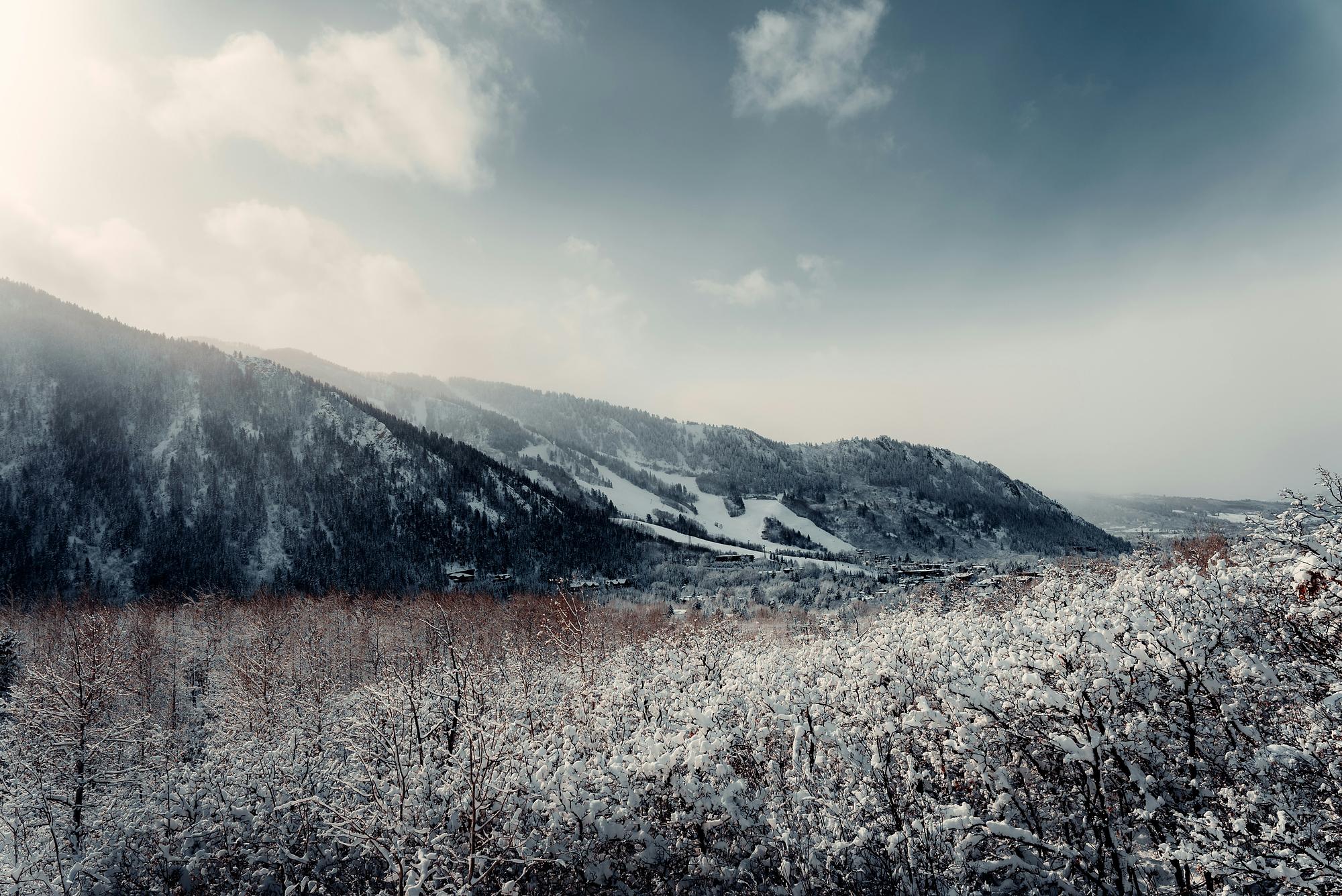
Aspen Mountain rises straight from a Victorian downtown, and the holiday weeks bring a social calendar that fills every evening. Landing a few minutes from the lifts is the reason so many Private Clients fly here.
The airport sits at about 7,838 feet. Its single runway measures 8,006 by 100 feet. The runway slopes uphill about 2% to the southeast, so most pilots land on Runway 15. Pilots can request Runway 33 when brisk winds blow from the northwest.
Thin air affects every departure. The same airport page describes a calm, cool spring morning at 10 a.m. with a density altitude of 9,555 feet. Density altitude is the altitude the aircraft “feels” based on temperature and pressure, and it governs takeoff performance.
Aspen also enforces a 95-foot wingspan limit. Your Private Aviation Advisor confirms that the aircraft fits this limit before anything else is booked.
What the 2027 Runway Closure Means for the 2026–27 Ski Season
The airport will close to all flights from April 4 through November 19, 2027, per the Aspen Airport construction update. Crews will rebuild and shift the runway to meet current FAA design standards. A new terminal is targeted for 2029, per the Aspen Airport modernization program.
That makes the 2026–27 winter the last full season on the current runway. Trips planned for April 2027 should route through Eagle or Rifle. The FAA has indicated the 95-foot limit is expected to lift once the runway-taxiway separation is increased. Your Advisor will confirm the final limits.
Eagle County Regional Airport (KEGE): The Private Gateway to Vail and Beaver Creek
Vail’s Back Bowls and Beaver Creek’s ski-in villages draw families back season after season. Eagle County Regional Airport puts both resorts within an easy drive.
The field sits at about 6,547 feet, four miles west of the town of Eagle. Its runway runs 9,000 by 150 feet. Runway 25 offers 8,000 feet for landing because of a 1,000-foot displaced threshold. That section is available for takeoff but not for touchdown.
Eagle sits in the same mountain weather pattern as Aspen. When a storm settles over the valley, crews often look west to Rifle or Grand Junction rather than to a neighboring ski airport.
Rifle Garfield County Airport (KRIL): The Insider’s Alternate for Aspen and Eagle
Rifle is the quiet option seasoned mountain travelers keep in reserve. The airport sits 27 miles from Glenwood Springs and its hot springs pools, a fine first stop on any ski week.
The field lies three miles east of Rifle at about 5,537 feet lists it as attended continuously. The airport puts Aspen 61 miles away and Vail 88 miles away. It also calls itself “the preferred alternate for Eagle and Aspen.”
Its lower elevation and 7,000-foot runway give crews useful room on cold, busy days. For Private Clients, a diversion here usually means a longer drive, with the ski week still intact.
Jackson Hole Airport (KJAC): Landing Inside a National Park
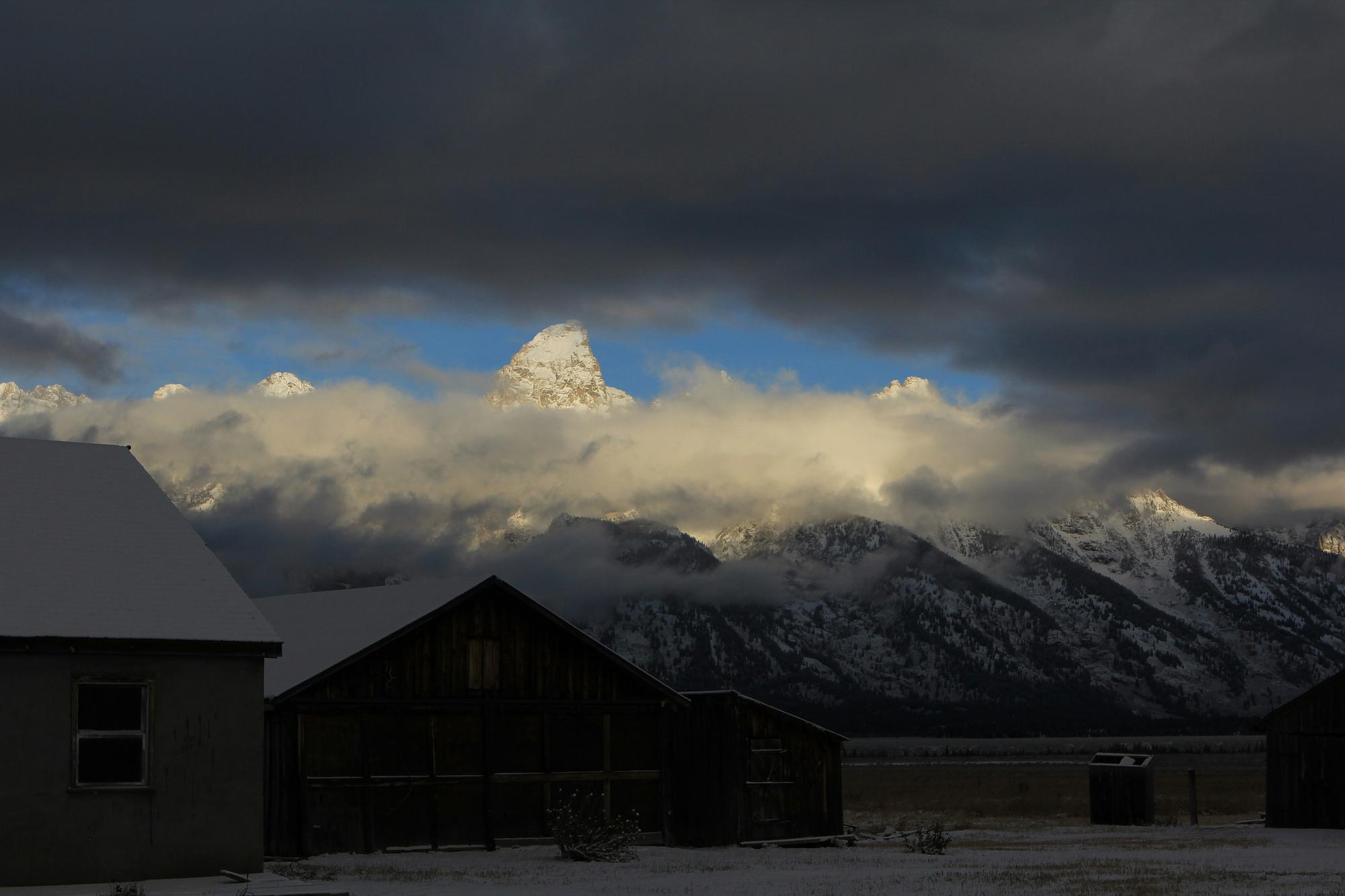
Jackson Hole’s approach is one Private Clients remember. The Teton Range fills the windows on final approach, and the valley floor stretches white below. Teton Village’s steep terrain and the town’s Western character keep Private Clients returning.
The setting is singular. It is the only airport in the United States located completely within a national park.
The runway elevation is 6,451 feet, and the runway measures 6,300 by 150 feet. Idaho Falls is an airport crews commonly consider as an alternate when weather closes in over the valley.
Telluride Regional Airport (KTEX): The Highest Runway in This Guide
Telluride sits in a box canyon, with a free gondola linking the historic town to Mountain Village. It feels remote in the best sense, and arriving by private jet preserves that feeling.
The airport sits on a mesa at about 9,070 feet. Its runway runs 7,111 by 100 feet. FAA remarks recommend landing on Runway 9 and departing on Runway 27 to avoid populated areas.
One end of the mesa has a drop of roughly 1,000 feet. Montrose is an airport crews commonly consider as an alternate when clouds settle over the San Juans.
Friedman Memorial Airport (KSUN): Arriving in Sun Valley Style
Sun Valley carries a glamour few resorts can claim. Bald Mountain’s long runs, Ketchum’s restaurants, and its long Hollywood history make it a favorite for unhurried ski weeks.
Friedman Memorial Airport sits one mile southeast of Hailey at about 5,320 feet. Its runway measures 7,550 by 100 feet. The airport sits a short drive from Sun Valley and Ketchum.
Your Advisor confirms aircraft suitability against the airport’s current published restrictions before booking. Twin Falls is an airport crews commonly consider as an alternate when the Wood River Valley fills with weather.
Bozeman Yellowstone International Airport (KBZN): Big Sky and Yellowstone Country
Big Sky offers the wide-open version of a ski trip, with Yellowstone country on the horizon. Bozeman adds a lively downtown for the evenings.
The airport sits seven miles northwest of Bozeman at about 4,473 feet. It is the lowest airport in this guide. Big Sky is a scenic drive south, and winter roads can add time.
Bozeman is also Montana’s busiest airport. It welcomed a record 2,809,419 passengers in 2025, a 6.3% increase over 2024. During holiday weeks, Butte and Helena are airports crews commonly consider as alternates.
How Alternates Are Chosen for Mountain Airports
For a mountain journey, crews plan an alternate airport before the wheels leave the ground. The best alternate is the one most likely to have clear skies when the destination does not.
That is why distance alone is a poor guide. Eagle and Rifle sit in the same mountain weather system as Aspen, so crews weigh lower-elevation options too. Grand Junction, in the Grand Valley, is a frequent lower-elevation option for Aspen and Eagle flights. Crews commonly consider Montrose for Telluride.
Crews weigh several factors when they choose:
Forecast weather at arrival time, compared with the destination’s storm track
Runway length and condition reports for the expected aircraft weight
FBO (fixed-base operator, the private terminal) hours, fuel, and de-icing capacity
Drive time and road conditions to the Client’s final destination
For more on how storms affect wider travel plans, see our guide to winter weather for business and leisure travelers.
FAA Cold Temperature Restricted Airports and Winter Flight Cancellations
The FAA publishes a list of Cold Temperature Airports, where very cold air can make an altimeter read higher than the aircraft’s true altitude. When the airport temperature is at or below the listed limit, pilots correct altitudes on specified instrument approach segments. The limit appears next to a snowflake symbol on the approach chart, per the FAA list effective September 4, 2026.
All seven airports in this guide are on that list. Their limits are:
Aspen (KASE): -21°C (about -6°F)
Eagle (KEGE): -19°C (about -2°F)
Rifle (KRIL): -13°C (about 9°F)
Jackson Hole (KJAC): -21°C (about -6°F)
Telluride (KTEX): -17°C (about 1°F)
Friedman Memorial (KSUN): -13°C (about 9°F)
Bozeman (KBZN): -21°C (about -6°F)
The designation is a procedure for flight crews. It applies to instrument approach altitudes, and it does not close the airport or limit the runway.
Do Flights Get Cancelled for Cold Weather? How De-Icing Keeps Departures Moving
Cold air on its own is routine at these airports. Departures shift when snow, ice, or low visibility arrive, or when frost forms on the aircraft overnight.
Frost matters more than most travelers expect. FAA Advisory Circular 20-117 says frost, ice, or snow with the roughness of medium or coarse sandpaper can reduce lift by as much as 30%. It can also increase drag by 40%. The aircraft must be clean before takeoff.
That is the job of de-icing. Ground crews spray heated fluid to clear frost, snow, and ice. A second fluid often follows to hold off new buildup for a limited time. Our De-Icing 101 guide walks through the process step by step.
How Magellan Jets Plans Winter Trips to Mountain Airports
A ski week should begin on the slopes, with the logistics already handled. Magellan Jets’ Flight Support team watches each mountain journey from booking through landing.
The team tracks forecasts, runway condition reports, and NOTAMs (Notices to Air Missions, the FAA’s official operational alerts). If weather points toward an alternate, your Private Aviation Advisor shares the plan early. Your Client Experience team then arranges ground transportation from the alternate to your door.
Peak weeks call for earlier planning. Around Christmas, New Year’s, and Presidents’ Day, the team secures FBO and parking arrangements at Aspen and Eagle well in advance. Holiday travelers can find more ideas in our holiday travel destinations guide.
Magellan Jets does not own or operate aircraft. Every mission is sourced from the Magellan Jets Preferred Network, fewer than 100 vetted operators. Read more about our safety standards and the team behind every journey.
Clients who return to the mountains each season often choose a Jet Card, with guaranteed availability 365 days a year and zero blackout dates. For a single ski trip, On-Demand Charter matches the right aircraft to the mission.
Frequently Asked Questions About Flying Into Mountain Airports in Winter (FAQs):
What Are the Hardest Airports to Land at in the US?
The most demanding US airports often lead to the most coveted destinations. Ski airports such as Aspen and Telluride are frequently named because of high elevation, nearby terrain, and fast-changing mountain weather. Aspen sits at about 7,838 feet in a narrow valley, and Telluride sits on a mesa at about 9,070 feet.
What Is the Highest Airport in the US?
Among the ski airports in this guide, Telluride Regional Airport is the highest at about 9,070 feet, according to FAA data. That puts it more than 1,200 feet above Aspen. Its mesa-top runway is part of what makes arriving in Telluride so memorable.
Do Flights Get Cancelled for Cold Weather?
Cold temperatures alone rarely keep an aircraft on the ground at mountain airports, where winter is the busy season. Delays usually come from snowfall, low visibility, runway conditions, or frost that must be cleared. Per FAA Advisory Circular 20-117, frost, ice, or snow as rough as medium or coarse sandpaper can reduce lift by as much as 30%. It can also increase drag by 40%, so crews de-ice before takeoff.
Can Any Private Jet Land at Aspen?
Aspen welcomes a wide range of private aircraft, within its rules. The airport enforces a 95-foot wingspan limit, and high elevation affects takeoff performance. Your Private Aviation Advisor matches the aircraft to Aspen’s limits, or plans an arrival through Eagle or Rifle when another aircraft suits the trip better.
Where Do Flights to Aspen Divert?
Crews commonly consider Rifle Garfield County Airport or Grand Junction as alternates for Aspen flights. Eagle sits in the same mountain weather system as Aspen, so crews often weigh lower-elevation options as well. Rifle calls itself the preferred alternate for Eagle and Aspen and is staffed around the clock.
What Does “Cold Temperature Restricted Airport” Mean?
It refers to an airport on the FAA’s Cold Temperature Airports list. At or below the published temperature limit, pilots correct certain instrument approach altitudes because cold air makes altimeters read high. All seven airports in this guide are on the list, and the procedure does not close the airport.
What Should I Know Before Flying Into a Mountain Airport in Winter?
Mountain airports put you minutes from the lifts, and a little flexibility keeps the trip on track. Expect your crew to plan an alternate, allow time for de-icing, and confirm aircraft suitability for elevation and runway length. If you plan an Aspen trip for spring 2027, note the airport closes for its runway rebuild from April 4 through November 19, 2027.
The best mountain arrivals are planned well before the first snowfall, with the alternate and the ground transfer settled ahead of time. Planning this fall lets the 2026–27 season, Aspen’s last on its current runway, unfold on your schedule.