The 2026 FIFA World Cup will be one of the most complex global travel events in modern aviation. Matches will span 16 cities across the United States, Mexico, and Canada over six consecutive weeks. More than six million visitors are expected to move between host cities during this time.
For private aviation, this creates both opportunity and pressure. Aircraft demand will surge. Airport access will tighten. Operational constraints will evolve in real time.
Travelers who plan early will secure the best experience. Those who wait will face limited availability, higher costs, and fewer options.
Why Fly Private for the World Cup

Commercial travel will operate at full capacity throughout the tournament. This means that commercial travelers, even ones not flying for the World Cup, will face delays, long security lines, and limited flexibility.
Private aviation offers a much better approach. You control your schedule, avoid crowded terminals, and access airports closer to match venues. Most importantly, you maintain flexibility as match schedules and travel plans evolve, especially during the knockout rounds when demand peaks.
For travelers attending multiple matches across cities, private aviation is often the only practical way to move efficiently.
A Three-Country Tournament with Distinct Challenges

The 2026 World Cup is not centralized. Each host country presents its own operational environment, and each requires a different planning strategy.
United States
The U.S. will host the majority of matches, including the final in New York/New Jersey. Expect heavy congestion at major airports such as JFK, EWR, LAX, ATL, and MIA.
Airports will be much busier than usual, especially on game days, which means there may be limits on when aircraft can arrive and depart. Security will also be tighter, and access to certain areas of the airport may be restricted. In addition, all private flights must follow U.S. customs and passenger reporting requirements, which need to be arranged in advance to avoid delays.
Mexico
Mexico presents the most restrictive operating environment. Landing permits require detailed applications, and approval timelines can vary. Charter flights are typically approved on a one-time basis.
Mexico City airspace is already congested. During the tournament, access will be even more constrained. Guadalajara and Monterrey offer more flexibility, with improved infrastructure and handling capabilities.
Canada
Toronto and Vancouver offer valuable flexibility. These cities can serve as entry points for international travelers or as alternates when U.S. airports reach capacity.
Canada’s infrastructure and routing options make it a practical choice for repositioning aircraft and avoiding congestion.
Where Demand Will Be Highest
Travel demand will follow the tournament schedule. Group-stage matches will drive steady traffic, while knockout rounds will create intense surges in key cities.
Key U.S. Destinations
- New York/New Jersey (Final – July 19): Expect extreme congestion. Secondary airports such as Morristown (KMMU) and White Plains (KHPN) will be critical.
- Los Angeles, Miami, Dallas, Houston: High demand across all stages of the tournament.
- Seattle, San Francisco, Atlanta, Kansas City: Strong demand driven by international and domestic matchups.
Cabotage Rules for Private Jet Travel in the U.S.
Foreign travelers planning to fly privately within the United States should be aware of cabotage rules. In simple terms, cabotage laws restrict foreign-registered charter aircraft from transporting passengers solely between two U.S. cities. For example, a non-U.S. aircraft can fly passengers into the U.S. and then depart internationally, but it typically cannot operate a domestic leg such as New York to Miami with the same passengers. These regulations are strictly enforced and require careful planning. Travelers often address this by using a U.S.-registered aircraft for domestic segments or structuring itineraries to remain compliant. Working with an experienced Private Aviation Advisor at Magellan Jets helps ensure your travel plans align with these rules without disrupting your schedule.
Mexico Host Cities
- Mexico City: Iconic venue with highly restricted access.
- Guadalajara: Expanded infrastructure and private processing options make it increasingly attractive.
- Monterrey: A reliable alternative with strong general aviation support.
Canada
- Toronto and Vancouver: Ideal for staging, diversions, and efficient international routing.
Boston: A Clear Advantage for Private Aviation
Boston is one of the most strategic gateways for World Cup travel, especially for those flying with Magellan Jets.
Exclusive Access at Hanscom Field (KBED)

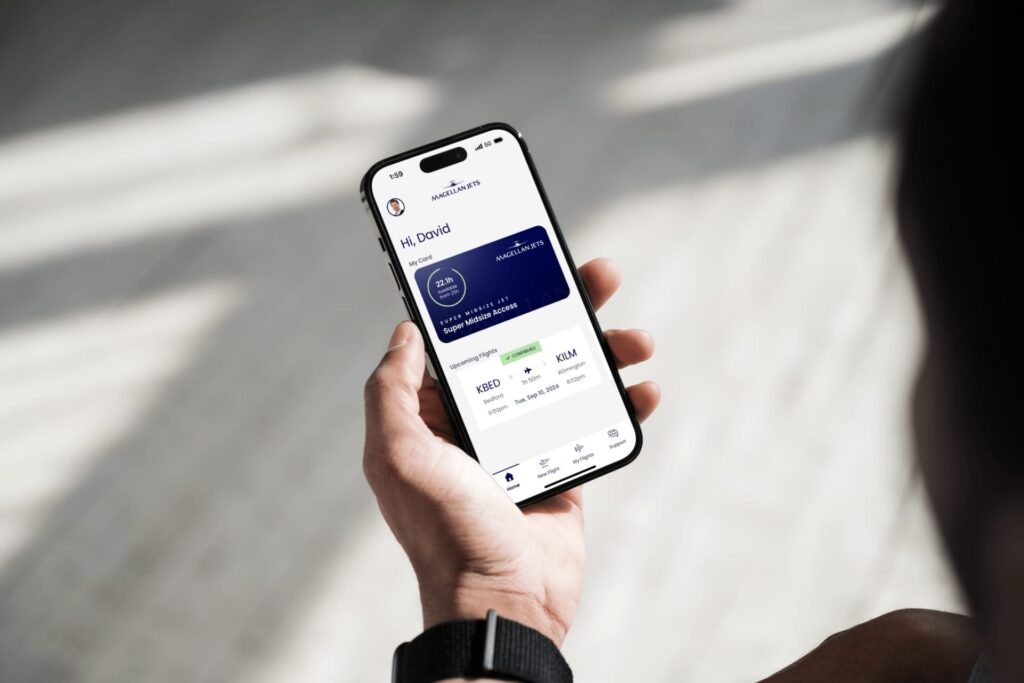
Magellan Jets clients benefit from access to a dedicated private terminal at KBED. During a global event of this scale, that level of control matters.
It allows for faster arrivals, smoother departures, and a more predictable experience on the ground.
A Meaningful Cost Advantage
Many airports will introduce special event fees during the World Cup. These fees can reach thousands of dollars per flight during peak periods.
At KBED, Magellan Jets clients flying through our private terminal will receive an exception from these event fees.
This creates a clear competitive advantage. It reduces cost exposure while improving operational efficiency: something that will be increasingly difficult to find elsewhere during the tournament.
KBED is not expected to implement slot restrictions. However, a Prior Permission Required (PPR) system will be in place.
Ramp congestion is expected, particularly between early June and mid-July. Early coordination is essential to secure preferred arrival and departure times.
Boston Logan (KBOS) may face congestion or temporary restrictions. Operational details remain unclear. For this reason, KBED is the preferred airport for private aviation during the World Cup.
Close to the Action
Gillette Stadium in Foxborough will host multiple group-stage matches and knockout rounds. KBED offers efficient access, minimizing ground transfer time and simplifying match-day logistics.
Why Boston Stands Out

Boston offers a rare combination of access, efficiency, and control. For Magellan Jets clients, the added benefit of event fee exemptions and private terminal operations makes it one of the strongest positions in North America during the tournament.
Key Operational Risks to Plan For
The World Cup will place sustained pressure on aviation infrastructure. Planning ahead helps mitigate these risks:
- Slot restrictions at major U.S. airports
- Limited overnight parking near stadiums
- Permit delays in Mexico
- Late-issued procedures and event-related fees
- Hotel and crew accommodation shortages
Each of these factors will become more restrictive as the tournament progresses.
Planning Timeline: What to Do Now
With the World Cup approaching in June 2026, the planning window is already tightening. Travelers should act immediately to secure access and avoid limited availability.
April 2026
Finalize aircraft availability, especially for peak match dates and knockout rounds. Secure preferred airports such as KBED in Boston and confirm parking where possible. Complete any outstanding permit applications, particularly for Mexico. Lock in hotels, crew accommodations, and ground transportation.
Late April – May 2026
Confirm all operational details, including handling, catering, and security. Monitor any last-minute slot procedures or airport restrictions, especially at high-traffic locations. Build contingency plans with alternate airports in key cities like New York, Los Angeles, and Mexico City.
June – July 2026 (During the Tournament)
Expect real-time adjustments. Stay flexible with scheduling and routing as congestion increases. Work closely with your aviation provider to manage changes, secure access, and maintain efficiency throughout the tournament.
Late planners at this stage will face significant constraints across aircraft availability, airport access, and accommodations. Early coordination is no longer optional—it is essential.
How to Plan a Seamless World Cup Experience
A successful trip requires more than securing an aircraft.
Start early to ensure availability. Choose airports strategically to avoid congestion. Build flexibility into your schedule in case conditions change. Coordinate ground transportation, security, and accommodations in advance.
Working with an experienced private aviation provider ensures each detail aligns, from departure to arrival.
Plan Early, Fly Smarter: Securing Your World Cup Travel Advantage
The 2026 FIFA World Cup will test global travel infrastructure at scale. Demand will remain elevated for six weeks across three countries.
Private aviation offers a clear advantage, but only with thoughtful planning.
Boston, and specifically KBED, provides a unique edge. For Magellan Jets clients, the combination of private terminal access and potential event fee exemptions creates a more efficient and cost-effective way to travel during one of the busiest events in aviation history. Connect with a Private Aviation Advisor.
Frequently Asked Questions About Private Travel to the World Cup (FAQs):
When is the 2026 World Cup?
The 2026 FIFA World Cup runs from June 11, 2026, through July 19, 2026. Travel demand will increase steadily and peak during the knockout rounds.
Where is the 2026 World Cup being held?
The tournament will take place across the United States, Mexico, and Canada, with 16 host cities including New York/New Jersey, Los Angeles, Miami, Mexico City, Toronto, and Vancouver.
What is the World Cup 2026 schedule?
The World Cup 2026 schedule begins with group-stage matches in mid-June, followed by knockout rounds starting June 29. The final will take place on July 19.
How do I get World Cup tickets?
Interest in World Cup tickets and World Cup 2026 tickets is high. FIFA releases tickets in phases through its official platform. Premium matches and knockout rounds sell out quickly. Ask your Magellan Jets Private Aviation Advisor about access.
Is flying private a good option for World Cup travel?
Yes. With demand surrounding World Cup matches and multi-city travel, private aviation offers flexibility, efficiency, and access to less congested airports.
Why is Boston a strong option for World Cup travel?
Boston offers access to KBED, a preferred airport for private aviation. Magellan Jets clients benefit from private terminal access, streamlined operations, and potential event fee exemptions, which can represent significant savings.
Are there extra fees for private flights during the World Cup?
Yes. Many airports will impose special event fees that can reach thousands of dollars. Magellan Jets clients flying through the private terminal at KBED may receive an exception from these fees, providing a meaningful advantage.
What airports should I use for the World Cup?
Secondary airports often provide better access. For example, KBED in Boston, KMMU near New York, and MMGL in Guadalajara are strong options.
How busy will travel be during the World Cup?
Travel demand for the FIFA World Cup 2026 will remain at peak levels for six weeks, especially during knockout rounds and the final.
Can I attend multiple matches in different cities?
Yes. Many travelers plan around the World Cup schedule 2026 to attend matches in multiple locations. Private aviation makes this significantly easier by reducing travel time and increasing flexibility.
If you are planning travel for the 2026 World Cup, early coordination will define your experience.