Europe is rewriting the paperwork that precedes a great trip, and the ETIAS travel authorization sits at the center of it. Planning a spring in Provence, a summer on the Amalfi Coast, or a working week between Zurich and Milan? This is the entry rule to understand before you fly. Here is the fastest answer for anyone traveling this year.
Is ETIAS Required Yet? The Short Answer
No. As of August 2026, the ETIAS travel authorization is not in effect, and you cannot apply for one. No traveler needs an ETIAS to enter Europe today. The European Union removed its earlier launch target in mid-July 2026, and the most likely start is now sometime in 2027. Until the system goes live, your current travel documents are all you need for short visits. The European Union has also committed to giving travelers several months of advance notice before the requirement begins. When ETIAS does launch, it will apply to visa-exempt visitors, including U.S. citizens, traveling to 30 European countries.
What Is the ETIAS Travel Authorization?
ETIAS stands for the European Travel Information and Authorization System. It is a pre-travel screening that visa-exempt visitors will complete online before entering most of Europe. The closest reference point for American travelers is the U.S. ESTA, the electronic authorization foreign visitors already use to enter the United States. The idea is familiar: register your details in advance, receive an approval linked to your passport, and carry that clearance with you when you travel.
One point deserves emphasis. ETIAS is not a visa. It does not grant the right to work, study long term, or settle in Europe. This lightweight EU travel authorization targets short stays and keeps the visa-free arrangement that citizens of the United States and dozens of other countries already enjoy. According to the European Commission, ETIAS is intended to strengthen border security while keeping travel open for eligible visitors (European Commission, official ETIAS portal).
Your passport carries the authorization, which covers multiple trips during its validity once issued. You register once, then travel repeatedly within the rules. For the private flyer who crosses the Atlantic several times a year, that structure matters, and we return to it below.
When Does ETIAS Go Into Effect? The 2027 Start Date
The honest answer is that the exact ETIAS start date is not yet set. For much of the past year, the official guidance pointed to the last quarter of 2026. That target is gone. In mid-July 2026, the European Union removed the 2026 timeframe from its official ETIAS communications. Eu-LISA, the agency running the system, told the Financial Times that a 2026 launch is no longer feasible, and officials now widely expect a 2027 start.(Forbes).
A 2027 launch is now the most likely outcome. A revised timeline is expected after eu-LISA’s board meeting in September 2026, and the European Union has said it will give travelers several months of advance notice before the exact date. That notice window is the signal to watch. Once it appears, you will have ample time to register before your first post-launch trip.
This is not the first time the calendar has moved. ETIAS was first floated years ago, then repeatedly rescheduled as the European Union sequenced it behind the border infrastructure it depends on. A frequent traveler should read this pattern correctly: the direction has settled; only the date remains fluid. Rather than track every rumored quarter, watch for the official advance notice, and let your travel team confirm the specifics as they land.
Part of the delay traces back to a related system. The Entry/Exit System, or EES, saw queue and readiness issues during the summer of 2026 rollout, and those complications contributed to pushing ETIAS further out. The EU has chosen to stabilize one program before turning on the next. For travelers, the practical takeaway is simple: no application is possible right now, and there is nothing you need to do until the notice period opens.
Who Needs an ETIAS, and What Documents Are Required?
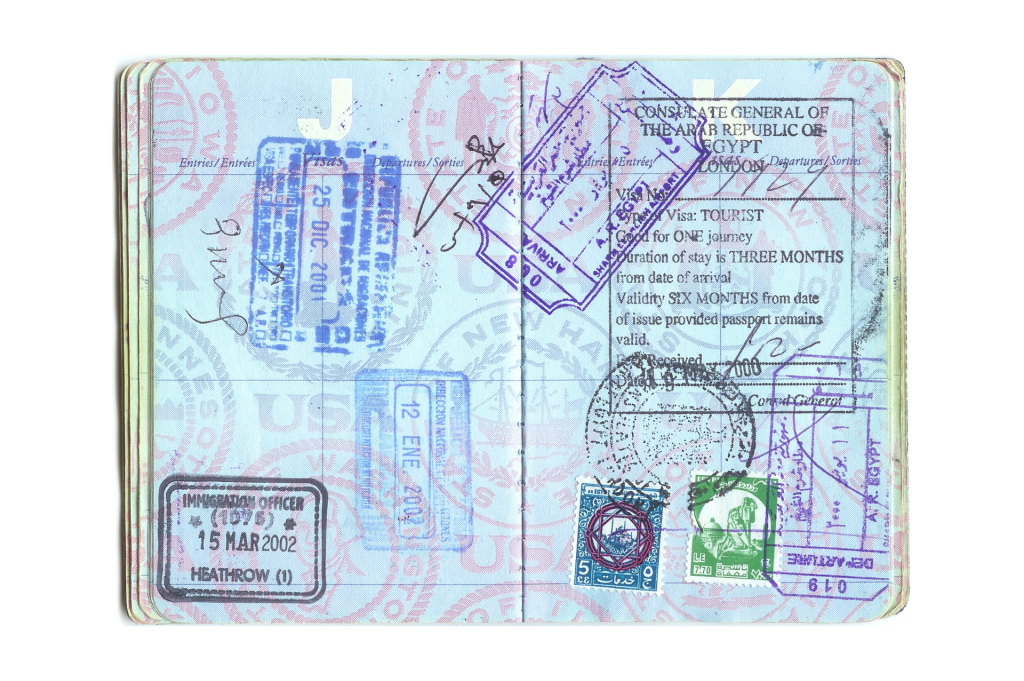
Once ETIAS is live, it will apply to travelers from roughly 60 visa-exempt countries, 59 nationalities in the current guidance, who visit Europe for short stays. That group includes U.S., Canadian, Australian, and British citizens, among many others. If you already travel to Europe without a visa, you are almost certainly in scope.
The requirement covers 30 European countries, which include the Schengen Area nations plus Cyprus. Do note two boundaries. The United Kingdom is not part of this system and runs its own authorization, covered below. Ireland is not in the Schengen Area and does not participate in ETIAS, so a trip to Dublin follows different rules than a trip to Paris.
To complete an application, you will need a valid passport, a payment method, and an email address. Your passport must be valid for at least three months beyond your intended departure from Europe. The application itself asks for standard identity details, contact information, and a few background questions. There is no biometric collection at this stage and no health information required.
- A passport valid for at least three months beyond your planned stay.
- A current email address, since your approval and reference number arrive electronically.
- A credit or debit card to pay the application fee.
- Your basic travel details, including your intended country of first entry.
EES vs. ETIAS: Two Systems, Two Jobs
Travelers often confuse ETIAS with the Entry/Exit System, and it helps to separate them cleanly. They are different tools that do different jobs at the border.
The Entry/Exit System is an automated border-control system that records non-EU travelers as they enter and exit. It replaces manual passport stamping with a digital record of your name, travel document, entry and exit dates, and biometric data such as fingerprints and a facial image. EES began a progressive rollout in October 2025 and has been fully operational since April 10, 2026. You do not pre-register for EES online; your record is created at the border on arrival.
ETIAS, by contrast, is something you obtain before you leave home. EES tracks your movements at the crossing. ETIAS pre-screens your eligibility to make the crossing in the first place. When both are running, you will hold an ETIAS travel authorization tied to your passport, and the EES will log each entry and exit against it. Together they modernize a border process that ran on ink stamps for decades.
How to Apply for ETIAS When It Launches
Applying will be quick, and the process is worth walking through now so it holds no surprises later. When the system opens, you will apply through the official European Union portal on the europa.eu domain. You complete a short online form, pay the fee, and submit.
Officials expect to approve most applications within minutes. Some take longer. If a reviewer flags your details for additional review, the decision can take up to 30 days,which is precisely why applying well ahead of departure is wise. For a traveler who values control over the calendar, registering early removes the only real timing risk in the process.
A word of caution that applies the day the portal opens. Unofficial websites already market themselves around European entry rules, often charging inflated fees for a service the government provides directly. Apply only through the official europa.eu portal. If a site adds a markup or asks for information the official form does not, treat it as a red flag and step away.
How Much Does the ETIAS Travel Authorization Cost?
The ETIAS fee is 20 euros for each adult applicant aged 18–70. Applicants under 18 or over 70 pay no fee, though they must still complete an application and hold a valid authorization to travel. For a family, that means everyone registers, and only the qualifying adults are charged.
The fee is modest by any measure, and it buys a multi-year clearance rather than a single-trip permit. For travelers who cross into Europe more than once during the validity period, the cost per journey becomes almost incidental. You will make a payment at the time of application through the official portal, and your approval and reference number arrive by email. Keep that reference number on hand, since it identifies your authorization if a question ever arises at the border.
Validity, Renewal, and the 90/180 Rule

An approved ETIAS travel authorization is valid for three years, or until your passport expires, whichever comes first. If you renew your passport, you apply for a new ETIAS, since the authorization links to that specific document. Keep the two aligned and you avoid the most common renewal misstep.
Validity does not mean unlimited time on the ground. ETIAS operates within the Schengen short-stay limit, the 90/180 rule. You may spend up to 90 days in any 180-day period across the participating countries. The clock counts days across the whole zone, not per country, so time in Italy, France, and Spain draws from the same allowance. Travelers who want to stay longer, work, or study for a full term need the appropriate national visa instead.
One more distinction protects you at the gate. An ETIAS travel authorization permits you to travel to a European border and request entry. It does not guarantee admission. The border officer makes the final decision on entry, exactly as officers do under visa-free travel today. Carrying a valid authorization, a passport with adequate validity, and clear travel details is how you make that conversation a formality.
How the ETIAS Travel Authorization Affects Private Jet Travel
Flying privately changes almost everything about the airport, and very little about the rules of entry. That distinction is worth stating plainly. Private aviation removes the terminal crowds, the security lines, and the schedule dictated by someone else. It does not exempt you from a country’s entry requirements. When ETIAS is live, every eligible passenger on your aircraft will need a valid authorization, just as they would flying commercially.
The difference shows up in how that requirement fits into your day. Arriving through a private terminal, or fixed-base operator, means immigration and customs are handled with discretion and pace rather than in a queue. The authorization becomes one more detail confirmed before wheels-up, not a line you stand in. For Private Clients who fly to Europe several times a year, the three-year validity means a single registration quietly covers a long run of journeys.
This is where a private aviation partner earns its place. At Magellan Jets, your dedicated Private Aviation Advisor and Client Experience team keep the details of each journey in view, from ground transportation to catering to the entry requirements at your destination. When European rules shift, as they are shifting now, you hear about it from a team that is already tracking the timeline. Our On-Demand Charter solution is built for exactly this kind of travel, where the destination changes often and the standard of service does not.
Magellan Jets operates on an asset-light model, sourcing each aircraft from the Magellan Jets Preferred Network, an exclusive group of fewer than 100 rigorously vetted operators. That structure means every recommendation serves the mission in front of you rather than a fleet-utilization target. The result is a journey planned around you, with the paperwork handled long before you reach the ramp.
Common ETIAS Mistakes to Avoid
Most ETIAS problems are avoidable with a little foresight. These are the ones worth guarding against as the system approaches.
- Waiting until the last minute. Approval is usually quick, but flagged applications can take up to 30 days, so register well before departure.
- Using an unofficial website. Apply only through the official europa.eu portal to avoid inflated fees and data-collection risks.
- Letting your passport and ETIAS fall out of sync. A new passport requires a new authorization, since the two are linked.
- Assuming approval guarantees entry. The border officer still makes the final call, so travel with complete documents.
- Overlooking the United Kingdom and Ireland. Each follows separate rules, so a multi-country itinerary may need more than an ETIAS.
- Forgetting children and seniors. Applicants under 18 and over 70 travel free of the fee, yet they still need their own authorization.
A Note on the United Kingdom and Ireland
If your European itinerary includes London or Edinburgh, plan for a separate step. The United Kingdom runs its own electronic travel authorization, the UK ETA, which is distinct from ETIAS. It costs 20 pounds, remains valid for two years or until your passport expires, and permits short visits. A trip that pairs Paris with London will eventually call for both authorizations, so budget the time and the small fees for each.
Ireland sits outside the Schengen Area and outside ETIAS. American travelers currently need neither a visa nor an electronic authorization for short visits to Ireland, though it is always worth confirming the latest requirements before you fly. Time spent in Ireland also does not count against your Schengen 90-day allowance, which can work in your favor on a longer European itinerary. Cyprus, by contrast, is covered by ETIAS even though it is not yet a full Schengen member.
Frequently Asked Questions About ETIAS Travel Authorization (FAQs):
Has ETIAS launched yet? Is it required now?
No. As of August 2026, ETIAS is not in effect and no application is possible. No traveler needs an ETIAS to enter Europe today, and current documents are sufficient for short visits.
What date will ETIAS start?
The exact start date is not set. The European Union removed its 2026 target in mid-July 2026, and a 2027 launch is now most likely. A revised timeline is expected after eu-LISA’s September 2026 board meeting, with several months of advance notice before the requirement begins (Travel Market Report).
Do Americans need ETIAS in 2026?
No. Throughout 2026, U.S. citizens can travel to Europe for short stays without ETIAS. Once the system launches, expected in 2027, Americans will register online before traveling to the 30 participating countries.
Can you travel to Europe without ETIAS?
Right now, yes. Until ETIAS is in effect, eligible travelers enter Europe under the existing visa-free rules. Once it launches, a valid ETIAS travel authorization will be required for entry to the participating countries.
Do I need ETIAS if I already have a Schengen visa?
No. ETIAS is for visa-exempt travelers. If you hold a valid Schengen visa, you travel on that visa and do not need a separate ETIAS authorization.
How is ETIAS different from a Schengen visa, an ESTA, or an e-visa?
ETIAS is a travel authorization, not a visa, and it works much like the U.S. ESTA: a quick online pre-screening linked to your passport. A Schengen visa is a full visa required of travelers who are not visa-exempt. An e-visa is an electronic visa issued by other countries under their own systems.
Will private jet passengers need ETIAS?
Yes. Flying privately does not change a country’s entry requirements. When ETIAS is in effect, every eligible passenger on a private aircraft will need a valid authorization, exactly as they would on a commercial flight. The advantage of private travel is how efficiently that requirement is handled around your schedule, not an exemption from it.
Can you pre-register for EES?
No. The Entry/Exit System is not something you apply for in advance. Your record is created automatically at the border when you enter, using your passport and biometric data. EES has been fully operational since April 10, 2026.
How long does ETIAS approval take?
Most applications are expected to be approved within minutes. If your application is flagged for additional review, a decision can take up to 30 days, so apply well before you travel.
How long is an ETIAS valid?
An approved ETIAS is valid for three years, or until your passport expires, whichever comes first. A new passport requires a new authorization.
Planning Your Next Journey to Europe

Europe is not becoming harder to reach. It is becoming better organized, and the travelers who understand the new rhythm will move through it with the least friction. The ETIAS travel authorization is a short online step that, once complete, quietly clears the way for three years of journeys. Watch for the official advance notice, register early when it opens, and keep your passport and authorization in step.
The finest trips are the ones where the logistics disappear and only the experience remains. That is the standard a private aviation partner should hold, from the first planning call to the moment you step onto the ramp. When you are ready to map your next European journey around your schedule rather than an airline’s, we are ready to help.


