When people choose private aviation, they’re choosing far more than speed and comfort. They’re choosing control over their time, itinerary, and their personal information. Yet one of the most overlooked aspects of private travel is information security. Consider who knows where you’re going, when you’ll be gone, and what that knowledge could mean for your safety at home and abroad.
At Magellan Jets, privacy isn’t an afterthought or just a marketing soundbite. It’s woven into the travel experience from the moment a Private Client books a flight to the moment they land.
The Hidden Risks of High-Profile Travel
Traveling privately offers enormous advantages, but it also comes with a responsibility that commercial travelers rarely face. Executives, families, and business leaders carry a different kind of exposure. Their schedules, destinations, and financial profiles make them attractive targets — not just physically, but digitally.
The risks aren’t hypothetical. In early 2025, NetJets confirmed a data breach in which a hacker used a phishing attack to access client information. The company later disclosed to the Vermont Attorney General that the breach exposed sensitive personal data, including names and Social Security numbers. It was a stark reminder that client data security requires the same rigor as flight safety.
Private jet travel closes many of the gaps commercial travel cannot. There are no public manifests, no shared lounges, and no anonymous crowds. Choosing the right aviation partner, one that treats data protection as a core operating value, is just as important as choosing the right aircraft.
How Magellan Jets Protects Client Privacy
We believe that the trust clients place in a private aviation company should extend well beyond the flight itself. Privacy is a core element of the Private Client relationship, not a bonus feature.
Discretion is a standard, not a request. Magellan Jets does not ask clients to post on its social media channels or otherwise promote their travel. Some companies use recognizable clients without permission to build brand visibility. Magellan Jets takes the opposite position: client confidentiality comes first.
Travel details stay private. Client itineraries, passenger information, and travel preferences remain within Magellan Jets’ internal systems. The company’s asset-light model means it works exclusively with a vetted network of operators. All operators are held to strict confidentiality and operational standards. Because clients travel across a rotating pool of aircraft rather than a single dedicated tail, their movements are inherently harder to track. No consistent tail number means no consistent trail.
The Magellan Jets Private Client App.The app provides a secure, centralized way to manage bookings, access flight details, update passenger information, and request services. Clients interact with their travel data through a protected environment rather than through unverified channels.
Private terminals eliminate the exposure commercial airports create. At a major commercial airport, a traveler’s presence, companions, and destination are visible to hundreds of strangers, TSA agents, gate staff, and anyone else passing through. Magellan Jets Private Clients depart from private terminals. This includes our own terminal in Bedford, Massachusetts, where the environment is designed around discretion from arrival to wheels-up. Combined with the variability of the fleet itself, there is no pattern for an outside party to map.
Client funds are kept entirely separate from operational accounts. This financial separation isn’t just about security in the traditional sense. It reflects the broader principle that client information and assets are never co-mingled with anything outside their direct interest.
Practical Privacy Habits for Private Travelers
Even with the strongest protections a private aviation company can offer, individual habits matter. The following practices help close the loop on travel security.
Be intentional about social media timing. There’s a significant difference between posting a photo from a destination after you’ve returned versus posting in real time. Sharing travel content after the fact, and after returning home, removes the live-location risk entirely.
Disable location services selectively. Most smartphones automatically embed GPS coordinates into photos. Turning off location access for the camera app, or reviewing permissions regularly, prevents inadvertent disclosure of precise departure and arrival points.
Brief your team and your family. Household staff, personal assistants, and family members should understand what information stays private and how to handle travel-related inquiries from outside parties.
Treat your itinerary like sensitive business information. A travel schedule reveals patterns like regular routes, preferred destinations, and gaps in your calendar. Circulating this information casually, even among people you trust, increases the number of potential exposure points.
Choose partners who think about privacy the same way you do. Not every private aviation company treats client confidentiality as a priority. When evaluating providers, ask specifically how they handle client data and what their policies are around information sharing with third parties.
Why Safety and Privacy Are Inseparable at Magellan Jets
At Magellan Jets, safety is a core value. The company maintains WYVERN Wingman Broker Certification, earned through strict third-party safety audits that only a small fraction of private jet operators achieve. Magellan Jets leadership holds a seat on the Air Charter Safety Foundation Board and participates in National Transportation Safety Board safety symposiums.
Every operator in the Magellan Jets Preferred Network undergoes continuous performance monitoring and maintains liability insurance above industry standards.
But Magellan Jets also recognizes that safety extends beyond the aircraft. Protecting clients on the ground, in their homes, and in their digital lives is part of the same commitment. Proactively addressing security concerns happens at booking, in the air, and in how the company manages client information every step of the way.
Since its founding in Boston in 2008, Magellan Jets has flown clients to over 100 countries while maintaining a 4.9-out-of-5 client satisfaction rating. That consistency is built on trust.
Flying Private Should Mean Flying Protected
Private aviation exists to give travelers control over their schedule, environment, and experience. Privacy is the logical extension of that control, and it deserves the same deliberate attention as aircraft selection, routing, and in-flight service.
Frequently Asked Questions About Private Jet Privacy and Security (FAQs):
Does flying private keep my travel information confidential?
Yes. Private aviation removes many of the public-facing elements of commercial travel, including published manifests and shared terminals. Reputable private aviation companies like Magellan Jets apply strict internal data practices to ensure client itineraries, passenger details, and travel preferences remain confidential.
Can people find out where I’m flying on a private jet?
Flight tracking tools do exist and can sometimes identify private aircraft by tail number. However, Magellan Jets’ model is structured to make this significantly harder. Because Magellan Jets is asset-light and works across a vetted network of operators, clients are not always on the same aircraft — which means there is no single tail number to follow. The company does not share tail number information with outside parties, and since travel is booked through varied fleet resources rather than a dedicated aircraft, it is far more difficult to establish a pattern. Clients can also work with their advisor on routing and operational strategies that minimize unnecessary public visibility for their flights.
Is it safe to post about private jet travel on social media?
It depends on timing and content. Posting in real time, especially with location data enabled, creates a live map of your whereabouts. The safest approach is to wait until after you’ve returned home before sharing travel content, and to avoid captions or imagery that identify specific routes or schedules.
Do private jet companies share client information with third parties?
Policies vary by company, and data security practices vary just as much. Magellan Jets does not share client information with third parties for marketing or promotional purposes, and treats data security as a core operational priority. Client confidentiality is a standing principle.
How does private aviation compare to commercial travel from a privacy standpoint?
Commercial travel involves publicly available booking systems, shared terminals, visible boarding processes, and published flight manifests in many jurisdictions. Private aviation eliminates most of these exposure points. Clients depart from private terminals, travel with known, vetted companions, and interact with a much smaller circle of service professionals.
Is there a way to prevent flight tracking on private jets?
Some methods exist to reduce, though not always eliminate, aircraft tracking. Because Magellan Jets operates on an asset-light model, Private Clients are not tied to a single aircraft or tail number, which already limits the ability of tracking tools to identify and follow their travel. The company does not share tail number information with outside parties, and varying aircraft across trips prevents a recognizable pattern from forming. Your Magellan Jets Private Aviation Advisor can also discuss routing and operational strategies that minimize unnecessary public visibility for your flights.
Does Magellan Jets offer privacy protections for corporate travel?
Yes. Magellan Jets designed its Magellan Jets for Business program specifically for corporate clients. This includes executive teams, boards of directors, and flight departments requiring multi-aircraft coordination. The program includes dedicated advisors, secure reporting, and operational discretion suited to sensitive business travel, including M&A roadshows and board meetings.
What certifications does Magellan Jets hold for safety and operational standards?
Magellan Jets holds the WYVERN Wingman Broker Certification, one of the most respected third-party safety audits in private aviation.Magellan Jets stands as the only private jet solutions provider on the Air Charter Safety Foundation Board. These credentials reflect a commitment to safety and accountability that shapes every operational decision, including how the company handles client information.
For those new to private aviation, one of the most significant differences from commercial travel is the type of terminals used. Instead of crowded airline terminals, private jet travelers use Fixed-Base Operators (FBOs): specialized facilities that provide a more private, efficient, and luxurious experience.
But what exactly is an FBO, and why are they an essential part of private aviation? This guide will answer all your questions about what an FBO is, how private terminals differ from commercial airports, and why FBOs enhance the private jet experience.
What is an FBO?
FBO stands for Fixed-Base Operator, a term used in aviation to describe private jet terminals that offer a range of services to private aircraft, their passengers, and flight crews. These facilities are separate from the main commercial airport terminals and cater specifically to private jet travelers, charter clients, aircraft owners, and business aviation operations.
FBOs are typically owned and operated by independent companies or airport authorities, and they provide a seamless, VIP experience for those flying privately. Unlike the one-size-fits-all approach of commercial airports, FBOs are designed for comfort, convenience, and efficient, time-saving travel.
How Do Private Terminals Differ from Commercial Airport Terminals?
1. Privacy and Exclusivity
Unlike crowded commercial terminals, FBOs are designed for privacy and discretion. Whether you’re a high-profile executive, a celebrity, or a business traveler, you can arrive and depart with minimal public exposure.
Most FBOs have private lounges, meeting rooms, and direct-to-aircraft boarding, eliminating the stress and inconvenience of navigating a busy airport. In many cases, passengers can even drive directly to their jet, allowing for an effortless transition from car to aircraft.
2. Speed and Efficiency
One of the biggest advantages of flying private is time savings—and FBOs play a major role in that. While commercial airport travel can involve long security lines, baggage claims, and boarding delays, FBOs offer a streamlined experience.
With no TSA security lines or waiting for hundreds of other passengers to board, private jet travelers can typically arrive just 15-30 minutes before departure. Flight crews, FBO staff, and Magellan Jets’ Flight Support team work in tandem to ensure your aircraft is ready precisely when you are.
Concierge services for transportation, accommodations, and special requests
Conference rooms for business meetings
Luxury car transfers to and from the aircraft
Exclusive catering services tailored to client preferences
At Magellan Jets, our Private Aviation Advisors work closely with FBO staff to ensure your experience is tailored to your exact needs—whether that means arranging a private meeting space, securing a specific catering request, or coordinating a seamless arrival and departure experience.
4. Personalized Service & Security
Security at FBOs is discreet but highly effective. Private jet travelers benefit from personalized security screenings that are far more efficient than commercial airport security procedures. Additionally, many FBOs have dedicated customs and immigration services, allowing for quick and private international clearances without long lines or delays.
For those traveling with sensitive business materials, VIP clients, or valuable cargo, FBOs provide an extra layer of confidentiality and security that commercial terminals simply cannot match.
Are There More FBOs Than Commercial Terminals?
Yes, there are more FBOs in the United States than commercial terminals. Private aviation provides access to over 5,000 FBOs across the U.S., compared to roughly 500 commercial airports served by airlines. This means private jets can fly to many remote, exclusive, or hard-to-reach destinations that airlines cannot service.
Whether you need to reach a mountain resort, private island, or a business hub without a major airport, private aviation opens up a world of travel possibilities. Many locations that once required layovers or long drives from commercial airports can now be accessed directly via private jet.
How Do FBOs Enhance the Private Jet Experience?
1. Direct Access to More Airports
Because private jets can land at smaller regional airports and private airstrips, travelers can arrive closer to their final destination—eliminating the need for additional ground transportation. This is a game-changer for business travelers who need to reach secondary markets or remote locations efficiently.
2. Customization & Special Requests
At Magellan Jets, we work closely with FBOs to ensure every aspect of your trip is customized to your preferences. Need a specific brand of champagne waiting on board? Done. Prefer a private chauffeur ready upon landing? Consider it arranged. Your comfort and convenience are our priority.
3. Seamless Connections & Ground Transfers
Unlike commercial travel, where ground transportation is often a separate hassle, FBOs allow for seamless transitions between air and ground travel. Whether you need:
• A private car service to pick you up airside
• Helicopter transfers to your final destination
• Rental vehicles pre-arranged and ready to go
FBOs make sure your journey continues smoothly and efficiently the moment you land.
4. On-Demand Flexibility
Private aviation thrives on flexibility, and FBOs play a key role in ensuring your trip is as smooth as possible. Unlike commercial airports that operate on strict airline schedules, FBOs accommodate your travel timeline—meaning if you need to depart earlier or later, your private jet is ready when you are.
Why Choose Magellan Jets for Your Private Jet Travel?
At Magellan Jets, we have our very own private terminal outside of Boston and we leverage our network of elite FBOs to provide an unmatched private aviation experience. Whether you’re flying for business or leisure, our Private Aviation Advisors and Flight Support team coordinate every detail to ensure your journey is seamless, comfortable, and stress-free.
An FBO (Fixed-Base Operator) is a private terminal where you begin and end your private jet journey. Instead of going through a commercial airport, you’ll arrive at a quiet, exclusive facility designed for speed, privacy, and comfort.
How early do I need to arrive at an FBO before my flight?
Typically, just 15–30 minutes before departure. There are no long security lines or boarding queues—your aircraft is ready when you are.
Do I still go through security at an FBO?
Yes, but it’s quick, discreet, and personalized. Security procedures are streamlined and handled efficiently at the FBO, without the crowds or delays of commercial airports. You will never face a long TSA line again.
Do I need my passport for a private flight?
It depends on where you’re traveling.
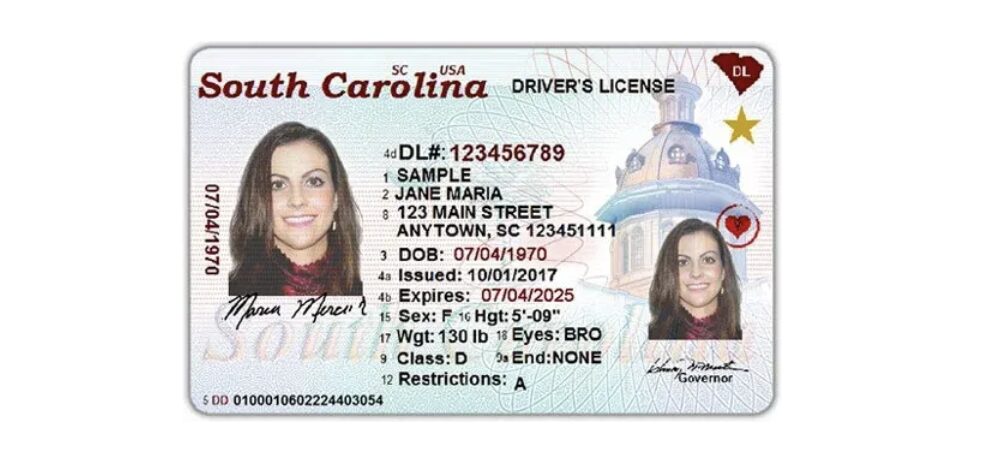
Domestic flights (within the same country): You typically do not need a passport. A valid government-issued REAL ID or other document is sufficient.
International flights: Yes, you must have a valid passport. Customs and immigration requirements still apply, even when flying privately.
How is an FBO different from a regular airport terminal?
The experience is completely different:
No crowds or long lines
Faster arrival and departure
Greater privacy and discretion
Personalized service throughout
It’s designed to feel more like a private club than an airport.
Can food, drinks, or special requests be arranged?
Absolutely. Everything can be customized, from gourmet catering and specific beverages to last-minute requests. Your Private Aviation Advisor coordinates directly with the FBO to ensure everything is ready.
Experience the Magellan Jets Difference
Flying private means traveling on your terms. Let our team help you navigate the world of private aviation with ease.
Since May 7, 2025, the REAL ID Act has reshaped identification requirements for all domestic air travel, and private jet charters are included. Even though you’re bypassing commercial terminals and TSA lines, federal identification standards still apply to private travelers.
Here’s what you need to know for seamless private travel.
What Is REAL ID for Private Air Travel
The REAL ID Act was Congress’s response to the 9/11 Commission’s security recommendations back in 2005. The law established minimum security standards for state-issued driver’s licenses and identification cards.
How can you spot a compliant ID? Look for a star marking in the upper corner: gold or black depending on your state. Michigan, Minnesota, New York, Vermont, and Washington use a different approach. Their Enhanced Driver’s Licenses display a flag symbol instead.
Every domestic air traveler aged 18 or older must now present REAL ID-compliant identification or an acceptable alternative. And here’s the key point: the mandate extends across commercial airlines, private charters, and increasingly, private owner-operated flights.
Does REAL ID Apply to Charter and Jet Card Flights?
Part 135 charter operations, which cover all compensated private jet flights, fall squarely under REAL ID enforcement. So when you book a Charter Flight or use a Jet Card, you’re engaging in commercial aviation. That means compliant identification is mandatory.
Part 91 operations are different. They cover private, non-commercial flights where owners fly their own aircraft without compensation. Federal law doesn’t technically mandate REAL ID for Part 91 flights.
However, it’s important to note that Fixed Base Operators (FBOs) are increasingly aligning their policies with commercial standards. Many FBOs now require the same documentation for all private flights, creating consistency across private aviation terminals.
Acceptable Alternatives If You Lack a REAL ID
The Transportation Security Administration recognizes numerous alternative credentials beyond REAL ID-compliant driver’s licenses.
Using a Valid Passport
Your U.S. passport serves as the gold standard for domestic private travel. Passport cards work equally well, and they offer wallet-sized convenience for frequent flyers.
Here’s a pro tip: carry your passport even if you have a compliant state ID. You’ll eliminate any questions at boarding and have instant backup if you’ve misplaced your primary identification.
Military and Government IDs
Department of Defense identification cards satisfy all domestic travel requirements. Active duty, reserve, retired, or dependent are all accepted. Government employees with HSPD-12 Personal Identity Verification cards enjoy the same seamless boarding.
FBO staff instantly recognize the validity of federal credentials. You’ll often find the boarding process moves even faster with military or government IDs.
Trusted Traveler Credentials
Global Entry, NEXUS, SENTRI, and FAST cards all meet REAL ID requirements. The Department of Homeland Security issued these trusted traveler cards after pre-screening that exceeds standard identification verification.
How to Get Your REAL ID
Ready to upgrade? Here’s your roadmap.
Checking Your Current License
First, examine your driver’s license right now. Look for the star marking in the upper corner. See “Not for Federal Identification” or “Federal Limits Apply” printed anywhere? Your ID isn’t compliant.
Most state DMV websites offer verification tools. Enter your license number to confirm compliance status before making the trek to the DMV.
Gathering Necessary Documents
REAL ID applications demand extensive documentation. You’ll need an original birth certificate or valid passport. Add proof of Social Security number. Then gather two documents showing your current address.
What counts as address proof? Utility bills, bank statements, mortgage documents, or rental agreements all work. Changed your name? Bring marriage certificates or court orders.
Visiting the DMV
Book appointments in advance: walk-in availability is limited in most states. Show up with complete documentation to avoid multiple visits.
And remember: state requirements vary significantly. California accepts different address proofs than Texas. Florida processes applications differently than New York. Check your specific state’s checklist before your appointment.
How Magellan Jets Ensures Your Travel Stays Seamless
Identification requirements change, but your Private Aviation Advisor stays ahead of them. Your Client Experience Team reviews identification requirements during flight planning. Traveling with multiple passengers? The team verifies compliance for everyone on the manifest. International positioning flights followed by domestic legs? You’ll receive clear guidance on when you need your passport versus REAL ID.
Frequently Asked Questions About Real ID for Private Travel (FAQs):
Can I Still Fly Without REAL ID After the Deadline?
No, you cannot fly privately without a REAL ID or acceptable alternative after the deadline. TSA introduced ConfirmID on February 1, 2026, a $45 online identity verification alternative. The process takes 10-30 minutes and requires digital payment at airport checkpoints. It’s important to note that this identification alternative does not apply to private travelers. Since private travelers do not go through TSA, they are unable to take advantage of ConfirmID and must have a REAL ID to travel.
Do Children Need REAL ID?
Good news for families: minors under 18 traveling domestically don’t need identification when accompanied by compliant adults. The rule applies to both commercial and private aviation.
International travel is different. Passports are mandatory for all ages and even infants need their own passport books for flights to Canada, Mexico, or the Caribbean.
Can I use REAL ID for International Flights?
Passports remain mandatory for all international private travel. REAL ID never substitutes for passport requirements when crossing borders.
Smart international travelers maintain both. Domestic positioning flights to departure cities require REAL ID. The international leg demands your passport.
Final Thoughts on Real ID for Private Travel
REAL ID compliance eliminates boarding uncertainties. Charter operators have aligned their procedures with federal requirements, making compliant identification non-negotiable.
Don’t let outdated identification disrupt your travel plans. Verify your current ID status today. Upgrade if necessary.
In today’s hyper-competitive landscape, visionary CEOs understand that agility, presence, and decision velocity are essential to leadership. Business aviation, when leveraged properly, becomes a strategic asset that fuels enterprise growth and resilience.
At Magellan Jets, we enable CEOs to move quickly, lead visibly, and drive strategy without compromising fiscal responsibility, governance standards, or shareholder trust.
Aviation as a Strategic Business Asset, Not a Status Symbol
Business aviation’s role has evolved. The market today demands leaders who use aviation not as a symbol of privilege, but as a pragmatic tool for enabling performance:
Speed to market
Real-time site evaluations for acquisitions
Direct leadership connection with distributed teams
Fast, decisive crisis management
Magellan Jets is built for CEOs who prioritize smart, efficient leadership, and delivering mission-critical aviation services that align with corporate strategy and financial responsibility.
Whether through On-Demand Charter, Jet Card, or Aircraft Ownership and Management, Magellan offers the flexibility to meet each organization’s specific aviation needs.
Real-World Validation from Leading Organizations
The impact of choosing the right aviation partner is best illustrated by those who demand the highest standards.
Sam Kennedy, President and CEO of the Boston Red Sox, shared:
“It’s a privilege to fly private from time to time with Magellan Jets, but more importantly, when we need Magellan, they’re always there for us. For our players. For people in our front office. If we have emergency situations, the team on the ground at Magellan, right here in Boston, is always there for us. They’re very focused on the customer experience.”
This trust, built over years of partnership, reflects the standard we bring to every client relationship—whether it’s moving world-class athletes or corporate executives.
In a governance-driven era, how a company manages aviation matters as much as why it uses it. Magellan’s flexible and disciplined model supports responsible leadership by providing:
Transparent, predictable pricing structures (no co-mingled funds)
Environmentally-conscious options, including carbon offset programs
Clear reporting to distinguish business use to meet compliance standards
A culture founded on safety, service, and reliability
Choosing Magellan sends a strong, clear signal to boards and shareholders: leadership is acting with prudence, foresight, and accountability.
Flexible Aviation Solutions to Match Every Business Phase
Different phases of business growth require different aviation strategies. Magellan offers a range of solutions—including On-Demand Charter, Jet Cards, Aircraft Sales and Management, and Fractional Ownership—so that companies can select the structure that best supports their goals, budget, and evolving needs.
This flexibility allows CEOs to:
Scale travel up or down as market conditions evolve
Access simultaneous aircraft scheduling with no blackout dates
Right-size aircraft to each mission, optimizing spend, time and resources
When strategy requires speed, whether scouting an acquisition, leading a market entry, or rallying a dispersed team, Magellan ensures leadership gets there, prepared and protected.
Safety First: Protecting Your Most Valuable Assets
Leadership is the ultimate intellectual property of any organization. Magellan’s commitment to safety is unmatched, anchored by:
A flawless safety record since being founded in 2008
Recognition by Wyvern Wingman, ARGUS, and IS-BAO
Longstanding participation in the Air Charter Safety Foundation (ACSF) at the board level
A documented Safety Management System (SMS)
An entirely in-house team, no outsourced call centers, ensuring clients are supported by experts who know their unique requirements
Whether executives need to travel together or separately for risk mitigation, Magellan provides the flexibility and assurance modern enterprises demand. Read more about the highest safety standards in the industry here.
Aviation That Advances Enterprise Value
Today’s visionary CEOs are choosing aviation solutions that:
Enhance leadership reach and speed
Protect brand reputation and financial health
Deliver shareholder-aligned optics and governance credibility
Provide unmatched agility to capture opportunities and navigate challenges
With Magellan Jets, leadership is supported by aviation that is every bit as strategic, efficient, and high performing as the organizations they run.
Flying privately offers unmatched flexibility, privacy, and control. But like any premium service, it comes with cost considerations that aren’t always obvious at first glance. One of the most common sources of confusion in private jet billing is event fees.
If you’ve ever flown to a major sporting event, international conference, or peak travel destination and noticed an additional charge tied to your arrival airport, you’ve likely encountered an event fee. Understanding what these fees are and why they exist can help you plan more confidently and avoid surprises.
What Are Event Fees?
Aerial view of an airport terminal with turbo prop aircraft.
Event fees (sometimes called special event fees) are temporary charges imposed by fixed-base operators (FBOs) at certain airports during periods of unusually high demand. These fees apply regardless of whether you’re attending the event itself.
“For the bigger events, the range can be anywhere from $5,000 to $30,000, depending on which airport you fly into and the size of the aircraft,” explains Dan Morrison, Magellan Jets’ VP of Purchasing and Procurement.
FBOs manage aircraft parking, fueling, ground handling, crew services, and security. When demand spikes, like during Super Bowl weekend or Formula One in Miami, those operators often increase fees to manage congestion and operational strain.
Why Do Event Fees Exist?
From an operational standpoint, airports and FBOs face intense pressure during major events. Aircraft volume increases dramatically, ramp space fills quickly, and staffing needs rise.
FBOs typically describe event fees as a way to support:
Additional staffing and extended operating hours
Increased security requirements
Ramp congestion management
Limited aircraft parking availability
“It’s about additional staffing and resources,” notes Morrison. “The reality is that demand surges, and pricing adjusts accordingly.”
While the justification may vary, the outcome is the same: higher costs during peak-demand windows.
Common Events That Trigger Higher Prices
Event fees are not limited to one type of travel. They can appear anywhere demand concentrates quickly, including:
Major Sporting Events
Super Bowl
Masters Tournament
Formula One races
World Cup matches
College football championships
NBA All-Star Weekend
Global & Cultural Events
Olympic Games
International film festivals
Major music festivals
Large-scale conventions
Seasonal High-Demand Periods
Presidents’ Day weekend
Spring break in resort destinations
Peak ski season in Aspen or Vail
“Even if you’re not traveling for the event, if you happen to be flying during that window, the fee still applies,” Morrison explains.
How Much Are Event Fees?
There is no universal rate. Fees vary based on several factors:
Airport proximity to the event
Aircraft size and category
Length of stay
Specific dates and times
Smaller events may carry fees around $1,000–$2,000, while globally significant events can exceed $20,000 at primary airports.
“Super Bowl is usually the highest. The closest airports can be extremely expensive, while airports farther out may still be significant, but less so,” says Morrison.
Because FBOs can revise fees as demand evolves, exact pricing often remains fluid until closer to the event.
Can Event Fees Change After You Book?
Yes. This is one of the most important, and least understood, realities of private jet billing.
FBOs can increase or extend event fees if traffic exceeds expectations. Even if a fee wasn’t published when you booked, it can still apply later.
“It’s not set in stone. We’ve seen FBOs add extra days to the fee period or raise fees because volume increased,” he notes.
This is why transparency and proactive planning matter. At Magellan Jets, teams monitor FBO announcements continuously and work to surface these costs as early as possible.
Are Event Fees Avoidable?
Sometimes, but there are trade-offs.
You may reduce or avoid event fees by:
Choosing a secondary airport farther from the event
Adjusting arrival or departure times
Selecting a different aircraft size
However, those decisions often increase ground travel time or introduce logistical friction.
“You can avoid the fee by landing an hour and a half away and driving to the event,” he explains. “But that defeats the purpose of flying privately for most people.”
In many cases, the smarter approach is informed choice, not avoidance at all costs.
How Event Fees Fit Into Private Jet Billing
Event fees are third-party charges, not discretionary add-ons. Neither operators nor brokers can waive them.
That’s why accurate billing matters. When event fees surface late, they often surprise newer private flyers most.
“Seasoned travelers expect them. Newer clients are usually the ones caught off guard,” Dan Morrison adds.
Magellan Jets works to include known fees upfront whenever possible, helping clients budget realistically before wheels-up.
Planning Ahead Makes All the Difference
Private Aviation fees don’t exist in isolation. During major events, everything costs more: hotels, rental cars, crew accommodations, and ground transportation.
“All your costs go up during special events. It’s not just the airport fee,” he explains.
Advanced planning allows for:
Better airport selection
Earlier visibility into total trip cost
Fewer post-flight billing surprises
More flexibility for ground transportation and hospitality options
This is where experienced aviation advisors provide real value: not just booking the flight, but anticipating the environment around it.
Frequently Asked Questions About Event Fees and Private Jet Billing (FAQ):
What are event fees in private aviation?
Event fees are temporary charges imposed by FBOs during periods of high demand, such as major sporting events, holidays, or global conferences.
Who sets event fees?
FBOs, not aircraft operators or charter providers, set and enforce event fees.
Do event fees apply even if I’m not attending the event?
Yes. If you land during the event window, the fee applies regardless of your reason for travel.
Can event fees change after I book?
Yes. FBOs can increase fees or extend event periods based on traffic levels.
Are event fees included in private jet quotes?
When known in advance, reputable providers aim to include them upfront. However, late-posted fees from airports may appear after booking.
How can I reduce event fees?
You may lower fees by using alternate airports, adjusting timing, or choosing a different aircraft—but each option involves trade-offs.
Why do event fees vary so much?
Fees depend on airport proximity, aircraft size, demand intensity, and event scale.
Plan Smarter
Event fees are a reality of private aviation during high-demand periods, but they don’t have to be a surprise. With the right planning, clear communication, and experienced guidance, these costs can be anticipated, explained, and thoughtfully managed as part of the overall trip strategy. Magellan Jets helps clients navigate event-driven pricing by identifying impacted airports early, evaluating alternatives, and building known fees into trip planning whenever possible. If you’re flying around a major event or peak travel window, a conversation with the Magellan Jets team can help ensure your expectations, routing, and costs are aligned well before departure. Click here to contact a Private Aviation Advisor.
About Dan Morrison
Dan Morrison, VP of Purchasing and Procurement at Magellan Jets, leads the company’s sourcing and scheduling strategy, working closely with operators and industry partners to ensure seamless execution and transparent pricing for every trip. With a focus on process improvement, cost optimization, and long-term operator relationships, he plays a key role in navigating complex variables like event fees, airport constraints, and peak-demand travel periods.
In today’s fast-paced corporate world, every procurement, travel, and compliance decision carries weight. Executive travel is about safeguarding leadership, ensuring organizational continuity, and supporting corporate responsibility goals.
That’s why forward-thinking companies are moving away from traditional asset-heavy aviation models. Instead, they’re choosing asset-light aviation solutions like Magellan Jets, where safety, flexibility, and accountability are woven into every flight.
Beyond the Balance Sheet: True ROI in Business Aviation
When evaluating aviation partners, many focus first on price or aircraft ownership models. But for procurement and compliance professionals, the true return on investment goes far deeper. It’s about:
Reducing operational complexity
Enhancing traveler safety
Ensuring financial and regulatory transparency
Supporting environmental and corporate responsibility initiatives
This is where Magellan Jets’ asset-light model outperforms — delivering not only predictable, procurement-friendly pricing but also unmatched operational and compliance advantages.
Why Asset-Light Aviation Wins for Procurement and Compliance
At Magellan Jets, we’ve built an aviation solution that addresses your decision criteria from the ground up:
Debt-Free, Asset-Light Structure: No risk of capital entanglements or financial loss.
All-Inclusive Rates: No hidden fuel surcharges, repositioning fees, or maintenance costs.
Flexible Terms: Scale your aviation usage up or down based on real-time needs—without penalties or long-term commitments.
No Blackout Dates or Scheduling Restrictions: Even executives needing separate itineraries can be accommodated simultaneously under one agreement.
For procurement teams tasked with maximizing value and mitigating risk, this model offers a breath of fresh air.
Safety is Non-Negotiable — and Proven
Every executive flight carries the company’s most critical intellectual property: its leadership. That’s why Magellan puts safety at the center of everything:
Documented Safety Management System (SMS): Formalized, proactive safety processes that meet and exceed FAA and industry standards.
Highest Safety Standards in the Industry: Our commitment to exceeding the industry’s strictest safety practices and maintaining a resilient safety-first culture is critical to making every journey personal.
Crew Safety and Rest Benefits: Our asset-light model enables better working conditions for crews, reducing fatigue and enhancing flight safety.
Add to that additional insured policies that meet or exceed corporate minimums, and you get a partner procurement and compliance teams can confidently approve.
Personalized Service Coupled With 24/7, 365 Accountability
Unlike call center-style providers, Magellan’s Flight Operations and Client Experience teams are 100% in-house, staffed by seasoned professionals who know your organization’s specific protocols and preferences. We act as an extension of your internal travel, security, and leadership support teams, ensuring every trip meets the highest standards.
Supporting Corporate Responsibility and Environmental Goals
Magellan Jets is committed to helping your organization meet its environmental, social, and governance goals:
Optional carbon offset programs
Ethical, responsible travel practices
Financial transparency and separation of business vs. personal travel
In a world where corporate travel practices are increasingly scrutinized, Magellan’s responsible, compliant model protects your reputation, while still empowering leadership to travel effectively.
Frequently Asked Questions About Asset-Light Business Aviation
How do companies enforce compliance with travel budgets?
Companies enforce travel budget compliance through clear travel policies, centralized booking, and spend visibility. Pre-trip approvals, preferred aircraft categories, and consolidated invoicng help ensure trips stay within budget while maintaining flexibility.
How do I book short-range charters for quick regional business trips?
Short-range charters are best booked by working with a provider that has strong local operator access like Magellan Jets. A dedicated Private Aviation Advisor can arrange availability, pricing, and logistics quickly, even on short notice. Contact a Private Aviation Advisor
What types of aircraft are best for cost-efficient business travel?
Cost-efficient business travel typically uses turboprops for short distances and light or midsize jets for regional routes. Choosing the right aircraft size helps avoid unnecessary costs while meeting mission requirements.
Why do companies use private aviation instead of commercial flights?
Companies use private aviation to save time, reduce delays, and reach airports not served by airlines. It increases productivity and flexibility, especially for time-sensitive or multi-stop business trips.
Partner with a Procurement, Safety, and Compliance Aviation Leader
Choosing an aviation partner isn’t just about flying. It’s about choosing someone you trust to move your business forward safely, efficiently, and responsibly.
Magellan Jets’ asset-light aviation model delivers the flexibility, compliance, and operational excellence today’s organizations demand, with the proven safety record and in-house expertise to back it up.
When safety, flexibility, and accountability matter more than ever, Magellan Jets will help you secure the best aviation solution for your company. Contact a Private Aviation Advisor today to learn more.
Imagine your aircraft is off-line for a scheduled C-check maintenance, but an urgent meeting arises in London tomorrow. For private jet owners and corporate flight departments, a grounded aircraft can quickly create scheduling chaos.
That’s where supplemental lift comes in. It’s your backup access to private aircraft when your own isn’t available, ensuring you stay on schedule, no matter what.
Let’s explore what supplemental lift is, how it works, and why it’s an essential part of a well-rounded aviation strategy.
What Is Supplemental Lift in Private Aviation?
Supplemental lift provides immediate access to another aircraft when your owned jet or fractional share isn’t available or may not be practical or suitable for a given mission.
“Supplemental lift is the bridge between ownership and uninterrupted access,” explains John Amato, Senior Vice President of Aviation Solutions at Magellan Jets. “Our clients rely on it not just when something goes wrong, but as part of a proactive aviation strategy that ensures total flexibility.”
At Magellan Jets, supplemental lift is available through multiple solutions. You can charter a private jet on demand when you need a one-time backup, or purchase a Magellan Jet Card for guaranteed access, fixed rates, and peace of mind whenever your aircraft is unavailable.
Unlike purchasing another aircraft or expanding a fractional share, supplemental lift requires no long-term commitment. You gain access to meticulously vetted aircraft from trusted operators, each tailored to your specific mission, whether that’s a short business trip, a cross-country flight, or a long-range international journey.
How Supplemental Lift Works for Individuals
When aircraft owners need supplemental lift, the process begins with a single call to their Private Aviation Advisor. Magellan’s team immediately sources suitable aircraft from our network of pre-approved operators.
Within hours, you’ll receive tailored flight options that meet strict safety and performance standards. Each crew is briefed on your personal preferences, from cabin temperature and catering selections to reading materials and wine choices.
“The best supplemental lift feels invisible,” says Amato. “Our goal is to replicate the ownership experience so precisely that clients never feel like they’re flying anything different.”
The result is a seamless travel experience, complete with the same service standards, ground coordination, and comfort you expect from your own aircraft.
How Supplemental Lift Works for Businesses
For corporate flight departments, supplemental lift is an invaluable strategic tool. When multiple executives need to travel simultaneously, supplemental aircraft prevent scheduling conflicts and keep operations running smoothly.
Fractional owners also benefit when they near their annual flight-hour limits. As travel demand peaks, supplemental lift bridges the gap, avoiding overage charges while maintaining continuity and productivity.
“Supplemental lift is about bandwidth,” says Amato. “It allows corporations to scale their flight capacity instantly during high-demand periods without carrying the extraordinary fixed overhead that comes with owning additional fleet aircraft.”
Magellan Jets provides flexible options for every business scenario, whether you need a one-time charter flight to support your flight department or a Jet Card program that guarantees aircraft access, fixed hourly rates, and zero blackout dates.
For organizations seeking the ultimate balance between access, control, and value, Magellan’s Fractional Ownership program offers the most flexible model in the industry. It delivers the benefits of ownership with the adaptability of on-demand access, designed to scale with your company’s evolving travel needs.
When Do You Need Supplemental Lift?
Several situations make supplemental lift not just convenient, but essential.
Planned maintenance and upgrades: Inspections, avionics upgrades, engine overhauls, and interior refurbishments are just a few examples of what can ground an aircraft for weeks.
Unexpected mechanical and crewing issues: A broken windshield, blown tire, or hydraulic leak can mean waiting days for replacement parts, especially when you’re far from your home base. Fatigued or sick crew members, recurrent training, or worse, having a crew member depart to pursue a new opportunity, can ground your aircraft for undetermined amounts of time.
Geographic limitations: Certain routes and runways require different aircraft than your current aircraft or fleet can accommodate. For example:
Teterboro to Van Nuys: A midsize jet will introduce the need for a fuel-stop.
Runway limitations: Displaced thresholds, runway length, width, and weight limitations, make compromise safe landings and departures prohibiting the use of certain aircraft.
Ocean crossings: Certain super-midsize and even heavy jets may lack the necessary range.
Passenger count: Flying 8 passengers on a light cabin aircraft simply isn’t practical.
Scheduling conflicts: When multiple executives, board members or family members need aircraft at the same time, supplemental lift ensures no one misses a trip.
“Supplemental lift eliminates vulnerability,” says Amato. “You’re never grounded by maintenance, scheduling, or geography. You maintain control of your travel plans, regardless of the situation.”
Key Cost Considerations
Understanding supplemental lift pricing helps you plan effectively. Costs depend on several factors:
Aircraft category: Cost scales with aircraft size, range, comfort and luxe factor.
Distance and proximity: Longer flight times and the need for repositioning legs when flying using On-Demand Charter, can increase overall cost.
Timing and demand: Peak travel periods, holidays, and major events can raise demand and rates for On-Demand Charter.
Magellan Jets offers two primary supplemental lift options to fit your needs and budget:
Jet Card Programs: Fixed hourly rates guaranteed 365 days a year, across all aircraft categories. Schedule with as little as 24-hour’s notice, and no blackout dates. Ideal for those who want predictable costs and peace of mind year-round.
On-Demand Charter: Schedule flights and pay as you go. Perfect for occasional flights or last-minute travel needs.
“Pricing transparency is everything,” Amato notes. “With Magellan Jets’ Jet Card and Charter solutions, clients know exactly what to expect.”
The Magellan Jets Advantage in Supplemental Lift
At Magellan Jets, supplemental lift is a strategy built on independence, safety, and trust.
Magellan’s Preferred Network includes only the top percentage of operators nationwide; all rigorously vetted through comprehensive safety audits. When your aircraft goes offline, you can trust your supplemental lift jet meets or exceeds your standards for safety and comfort.
For Jet Card clients, Magellan guarantees access across every aircraft category with as little as 24-hour notice. There are no blackout dates or peak travel surcharges.
Financial transparency sets Magellan apart. Client funds are fully segregated, ensuring prepaid hours are used exclusively for your flights.
“Our clients invest with confidence,” says Amato. “Every dollar goes directly toward their travel, not company overhead.”
Supplemental Lift: Frequently Asked Questions
How does supplemental lift differ from charter?
While a Charter Flight is a single trip booked as needed, Supplemental Lift is a broader term that refers to any flight arranged outside of your owned or fractional aircraft. In other words, Charter can be one form of supplemental lift, but supplemental lift itself is a strategy, not just a transaction.
Is supplemental lift only for emergencies?
While supplemental lift can be used in urgent situations, the most effective use of is planned, not reactive. By anticipating when and where extra capacity may be needed, with a Jet Card you can ensure seamless, scalable, cost-efficient travel without compromise.
Can I arrange supplemental lift on short notice?
Yes. Magellan Jets’ Jet Card Owners enjoy guaranteed availability with 24-hour notice, 365 days a year. On-demand charter clients can also secure supplemental lift, though advance notice improves aircraft selection and pricing.
Do my Jet Card hours expire?
No. Magellan Jets Jet Card Hours never expire, giving you complete flexibility to fly when and how you need. Whether you require multiple aircraft on the same day or need to accommodate several flights in a single day, your hours are always available to support your travel plans.
Is supplemental lift more cost-effective than buying a second aircraft?
Supplemental lift typically avoids the substantial overhead costs of owning another jet, making it more feasible for many Private Clients. Industry insights show it circumvents added crew salaries, hangar fees, and other expenses associated with expanded ownership.
Take the Next Step
Supplemental lift gives you the freedom and confidence to travel without interruption. Whether your aircraft is down for maintenance or your team needs to be in two places at once, Magellan Jets ensures you’re never grounded.
“Supplemental lift represents freedom,” concludes Amato. “Freedom from mechanical delays, scheduling limits, and from compromise. It ensures your mission always moves forward reliably and with elasticity to scale as needed.”
With Magellan Jets, you can choose the supplemental lift solution that fits your lifestyle:
On-Demand Charter when you’re in a bind, or
Secure guaranteed peace of mind with a Jet Card that keeps you flying year-round.
John Amato is the Senior Vice President of Aviation Solutions at Magellan Jets, where he leads a team dedicated to creating customized, client-first private aviation strategies for individuals, corporations, and flight departments. With more than two decades of experience in private jet operations, management, and client service, John brings a deep understanding of both the technical and personal sides of private travel.
In private aviation, time is a strategic asset. Yet even with meticulous planning, travelers may occasionally encounter a term that sounds technical and disruptive: EDCT.
Air traffic control issues EDCTs, or Expected Departure Clearance Times, as a tool to manage congestion and maintain safety across the national airspace system. Although EDCTs more commonly affect commercial airline operations, they also impact private aviation.
What Is an EDCT?
An Expected Departure Clearance Time (EDCT) is a specific time assigned by air traffic control indicating when an aircraft is authorized to depart.
The FAA’s Air Traffic Control System Command Center (ATCSCC) issue EDCTs as part of broader traffic flow management programs. These programs balance airspace demand with available capacity in real time.
In simple terms, an EDCT helps ensure that aircraft depart at a pace the airspace system can safely and efficiently handle.
Why Are EDCTs Issued?
Air traffic control does not issue EDCTs arbitrarily; it triggers them in response to conditions that reduce airspace or airport capacity, including:
Severe or widespread weather (thunderstorms, snow, low visibility)
High traffic volume at destination or en route airports
Airspace constraints or staffing limitations
Runway closures or airport construction
National or regional flow control initiatives
When these conditions occur, air traffic control may limit departures to prevent airborne congestion, holding patterns, or unsafe conditions later in the flight.
How EDCTs Affect Private Aviation
Although private aircraft operate with greater flexibility than scheduled airlines, they still operate within the same controlled airspace system.
As a result, private flights may receive EDCTs when operating:
Into or out of congested metropolitan airports
During peak travel periods
When flying through weather-impacted regions
On days with national traffic management programs in effect
An EDCT does not indicate a problem with the aircraft or the flight plan. It reflects broader system conditions affecting all operators in that airspace at that time.
How EDCTs Are Managed in Practice
Once air traffic control issues an EDCT, the aircraft must depart within the assigned time window. Departing too early or too late can invalidate the clearance and require air traffic control to reassign it.
For private aviation operators, managing an EDCT involves:
Monitoring real-time FAA traffic flow updates
Coordinating closely with dispatch, crew, and air traffic control
Adjusting ground operations, passenger timing, or routing as needed
Seeking revisions if conditions improve or alternatives become available
In some cases, air traffic control amends, delays, or lifts EDCTs entirely as weather or traffic conditions change.
EDCTs, Safety, and System Integrity
At their core, EDCTs exist to protect:
Flight safety
Airspace efficiency
Predictability across the system
By controlling departure flow on the ground, air traffic control reduces the need for airborne delays, holding patterns, and last-minute diversions; outcomes that are far more disruptive once an aircraft is already in the air.
Fly With Confidence
An EDCT is not a delay for delay’s sake. It is a proactive, system-wide safety measure used to manage complex, dynamic conditions in the national airspace.
For private aviation travelers, understanding EDCTs provides clarity, reduces uncertainty, and reinforces confidence in the systems designed to support safe and efficient flight operations. Magellan Jets’ Private Aviation Advisors will help you navigate any potential disruptions in real time. Contact a Private Aviation Advisor here.
Frequently Asked Questions About EDCTs (FAQ)
What does EDCT stand for in aviation?
EDCT stands for Expected Departure Clearance Time. It is the specific time assigned by air traffic control when an aircraft is authorized to depart.
Are EDCTs common in private aviation?
They are less common than in commercial airline operations, but private flights can receive EDCTs when flying into congested airports, during severe weather, or under national traffic management programs.
Does an EDCT mean my flight is delayed?
An EDCT can push a departure later than originally planned, but air traffic control uses it as a controlled departure time rather than a discretionary delay.
Can an EDCT change?
Yes. EDCTs can be revised, delayed, improved, or canceled as weather and traffic conditions evolve.
Do EDCTs affect safety?
Air Traffic Controllers issue EDCTs specifically to enhance safety and efficiency by managing airspace demand before aircraft depart.
Are EDCTs issued by the airport or the FAA?
The FAA’s Air Traffic Control System Command Center issues EDCTs, not individual airports or operators.
Can private aviation avoid EDCTs?
While some flexibility exists through routing or timing adjustments, private aviation operates within the same national airspace system, so EDCTs cannot always be avoided.
In private aviation, there are two main billing methods: actual flight time (AFT) and estimated flight time (EFT). While both aim to fairly represent the duration of your trip, the distinction can determine whether you experience billing surprises or enjoy total cost transparency.
Let’s explore how each model works, what affects flight time, and why Magellan Jets’ approach prioritizes predictability, safety, and client peace of mind.
What Is Estimated Flight Time (EFT)?
Estimated flight time represents the projected duration of your mission, calculated before takeoff using advanced modeling tools. At Magellan Jets, we use a data-driven approach that incorporates historical and current wind data, aircraft performance, and routing information.
“We plan from point to point,” explains John Amato, Senior Vice President of Aviation Solutions at Magellan Jets. “Our estimates factor in everything from winds and fuel load to passenger count. We also include a fixed taxi time—six minutes before takeoff and six minutes after landing—to account for average ground movement at each airport.”
This predictive method gives clients a clear, upfront cost; an agreed-upon rate for the flight that won’t fluctuate based on variables outside their control.
What Is Actual Flight Time (AFT)?
Actual flight time can be estimated in two ways. The first measures the total physical movement of the aircraft from when it pushes back at departure to when it parks at the destination FBO. The more common practice is the total flight time measured from when the aircraft leaves the runway until it touches down at the destination. Taxi time of six minutes before and six minutes after departure is then added, although if taxi times run much longer, the amount billed may be adjusted to reflect that.
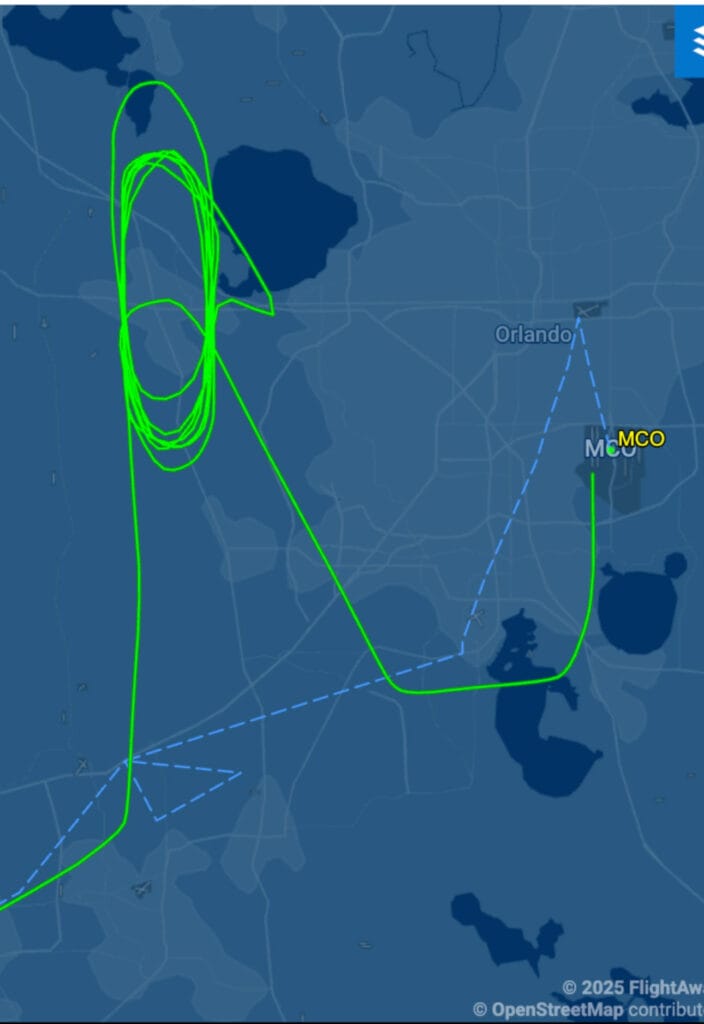
While this model may seem fair since you pay only for the exact minutes flown, it introduces uncertainty. Air-traffic delays, rerouting around storms, and other unforeseen restrictions can add minutes—or in extreme circumstances, hours—to a trip, and therefore to your final bill.
Factors That Affect Flight Duration
Holding patterns (pictured here) can drastically increase flight time and cause unexpected charges under the AFT model
Even the most meticulously planned flight can be impacted by conditions beyond anyone’s control. Among the biggest variables:
Air-traffic congestion and staffing shortages: Fewer controllers and increasing flight volume often leads to ground holds or “flow control” programs, spacing aircraft farther apart for safety.
Weather and routing adjustments: Pilots may alter flight plans to avoid turbulence, storms, or even smoke from wildfires.
Runway and taxi delays: Busy airports, especially major hubs like Newark, LAX, or Boston, see longer taxi times due to traffic volume or temporary closures.
Government shutdowns or systemic delays: “When there’s an FAA staffing shortage,” Amato notes, “controllers have no choice but to slow things down. Safety always comes first, but it can create extended airborne or ground time.”
When a provider bills on actual flight time, those delays directly affect what you pay. With Magellan Jets’ estimated flight-time model, they do not.
Why Estimated Flight Time Benefits Charter and Jet Card Clients
1. Predictable, Transparent Pricing
For private flyers, especially Jet Card members who prioritize consistency, knowing your cost before departure is invaluable. You’re charged based on a fixed, data-driven estimate, not the luck of the day’s air-traffic or weather patterns.
“With estimated billing, clients aren’t penalized for conditions they can’t control,” says Amato. “If a flight runs long due to rerouting or delays, your billable flight time stays exactly as quoted.”
2. Simplified Budgeting and Expense Management
Personal travelers and corporate flight departments both value predictability. Estimated billing ensures every itinerary can be budgeted with accuracy, aligning perfectly with annual travel planning and corporate accounting standards.
3. Enhanced Trust and Service Focus
Because Magellan Jets absorbs the operational risk of unexpected delays, our team’s focus stays where it belongs: on mission execution and client experience, not minute-tracking or stopwatch billing.
The Magellan Jets Approach: Confidence in Every Minute
Magellan Jets’ estimated flight-time model reflects our broader philosophy: transparency, trust, and service without compromise.
Predictable costs: Know your billable flight time before takeoff.
All-in pricing: Fuel, taxi time, and all other standard flight related fees are included—no hidden surcharges.
Client-first algorithms: Our proprietary system uses historical and real-time aviation data to estimate block times accurately.
Guaranteed availability: Through our Jet Card programs, clients enjoy 24-hour access, fixed hourly rates, no blackout dates or peak travel surcharges 365 days a year.
“The best private flight experience,” says Amato, “is one with no surprises. You know the number, you know the service, and you can just enjoy the journey.”
Key Takeaways
Actual flight time measures the true duration from takeoff to landing but introduces uncertainty and variable costs.
Estimated flight time, when calculated with precision and transparency, provides stability, protects your budget, and aligns with the client-first philosophy that defines luxury private travel.
For Charter and Jet Card clients, estimated billing eliminates ambiguity and reinforces the value of a trusted aviation partner.
Frequently Asked Questions About Flight Time Billing (FAQ)
What is the difference between ETA and ETE in aviation?
ETA (Estimated Time of Arrival) predicts touchdown time at your destination airport. ETE (Estimated Time En Route) calculates total flight duration between departure and arrival points.
How do you calculate flight time if there is a weather delay?
Estimated billing maintains original quotes despite delays. Your invoice matches your quote. Actual billing recalculates everything: extended routing, holding patterns, fuel usage, and in some cases additional ground time, all increase costs.
Can weather or air traffic delays affect private flights?
Yes. All aircraft share the same airspace, so delays affect both commercial and private flights. Estimated billing protects you from unexpected cost increases due to these issues.
Estimated Flight Time: The Magellan Jets Advantage
John Amato is the Senior Vice President of Aviation Solutions at Magellan Jets, where he leads a team dedicated to creating customized, client-first private aviation strategies for individuals, corporations, and flight departments. With more than two decades of experience in private jet operations, management, and client service, John brings a deep understanding of both the technical and personal sides of private travel.
As temperatures rise during the summer months, environmental conditions can introduce logistical and operational considerations for private aviation. From reduced aircraft performance to weight limitations and potential fuel stops, high heat can impact flight planning in ways that are important for Private Clients to understand.
At Magellan Jets, our operations and safety teams account for every variable to ensure a secure and seamless travel experience. With record-breaking temperatures predicted for summer 2025, it’s essential to plan for the weather, especially when flying into or out of high-altitude or high-temperature airports.
Below are the five key factors that may influence your summer travel and how to work with your Private Aviation Advisor to ensure every trip is executed safely and efficiently.
1. Beat the Heat: Opt for Cooler Departure Times
High temperatures reduce air density, which can impact aircraft performance during takeoff, particularly on shorter runways or at high-altitude airports. To avoid these constraints, we often recommend flying in the early morning or evening when temperatures are lower.
2. Aircraft Type Matters: Choose the Best Jet for Your Needs
Hot temperatures can impact aircraft performance, but it’s not as simple as one type or size of jet always performing better than another. Each aircraft handles differently, and some are more limited under high-temperature or high-elevation conditions than others.
That’s why it’s essential to choose the right aircraft for the mission. Factors like temperature, runway length, elevation, passenger count, and winds all play a role in determining what’s possible for a given flight. In some cases, performance limitations may require a fuel stop or adjustment to the itinerary.
Your Magellan Jets Private Aviation Advisor will evaluate the full picture and recommend the most suitable aircraft , ensuring a balance of performance, comfort, and safety tailored to your needs.
3. Travel Light: Understand Weight Limitations
Hot temperatures can affect an aircraft’s takeoff performance, which may introduce operational weight limits depending on the jet type, runway length, and airport elevation. However, this doesn’t mean you need to limit how many people or how much luggage you bring.
We work with you tomatch your passenger count, baggage needs, and trip details to the right aircraft, timing, and routing to make your flight efficient and safe in challenging summer conditions. In some cases, this may involve using a longer runway, selecting a larger aircraft, or incorporating a brief fuel stop to ensure optimal performance.
We’ll communicate these details early in the planning process, so your experience remains seamless and personalized.
4. Prepare for Possible Fuel Stops
Aircraft departing in hot weather may not be able to carry a full fuel load at takeoff. If that’s the case, a short refueling stop might be added mid-route. It’s a common, safety-first decision made in partnership with the operator, and we will work to ensure minimal disruption to your journey.
Thanks to our network of strictly vetted operators, we can arrange fast, efficient stops that keep your travel time optimized.
5. Alternate Airports May Be the Better Option
If your preferred airport has a short runway or is located at a higher elevation we may recommend a nearby alternate airport that offers safer takeoff and landing conditions in extreme heat.
Our Flight Operations team uses real-time data and decades of experience to make these recommendations, always putting safety first.
Safe Summer Travel, Tailored for You
At Magellan Jets, we are proud to Lead with Safety in all our operations. By proactively managing environmental conditions, matching you with the right aircraft, and adjusting departure strategies, we ensure your flight remains safe, smooth, and effortless.
“Our team evaluates every detail, from airport elevation to weight and runway length, to make sure each mission is aligned with our strict safety standards. It’s about anticipating the seasonal challenges and planning accordingly.” — Christian Schaible, Senior Director, Safety & Joint Operations at Magellan Jets