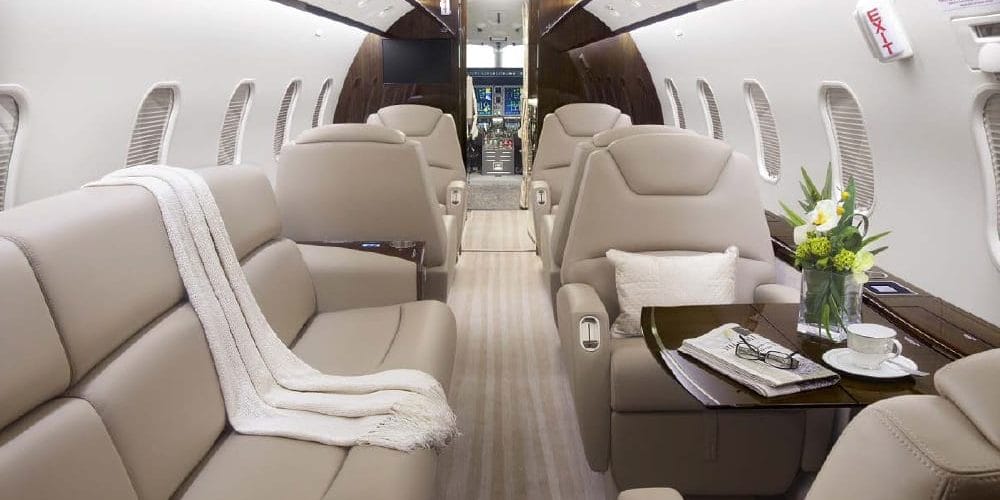
The Embraer Phenom 300 is a light jet that redefines its class, delivering performance that rivals many mid-size aircraft in both range and speed. To highlight its exceptional capabilities, let’s compare it to a standout mid-size jet, the Cessna Citation Excel. Phenom 300 vs. Citation Excel: Whether you’re seeking efficiency, comfort, or performance, this comparison will help you determine which aircraft best suits your travel needs.

Phenom 300 Overview

Phenom 300 _ 300E

The Phenom 300 has consistently been the best-selling light jet in the world, offering unparalleled speed, efficiency, and luxury. Designed for business and leisure travelers alike, it features a spacious, stylish interior with ergonomic seating and intuitive cabin technology.

What sets the Phenom 300 apart is its cutting-edge safety and performance features. It was the first business jet equipped with a Runway Overrun Awareness and Alerting System (ROAAS), which enhances operational safety by warning pilots if an approach is too fast or steep. It also boasts remarkable fuel efficiency—Embraer reports that it burns up to 19% less fuel than its closest competitors, making it an eco-friendly and cost-effective choice.

Citation Excel Overview

Citation Excel _ XLS

The Citation Excel is a mid-size jet that combines the best elements of Cessna’s Citation family with enhanced performance and comfort. Known for its spacious cabin and strong runway capabilities, the Excel offers a smooth and reliable experience for both business and leisure travelers.

Powered by twin Pratt & Whitney PW545 engines, the Excel provides ample power and efficiency, reaching cruising altitude in as little as 15 minutes. With the ability to take off from runways as short as 3,500 feet, this aircraft is an excellent option for accessing airports with shorter runways.

Passenger Capacity

Phenom 300: Typically seats 6

Citation Excel: Typically seats 7

Seating configurations can vary, but these figures reflect Magellan Jets’ guaranteed arrangements.

Range (4 passengers + NBAA IFR reserves)

Phenom 300: 1,971 nautical miles

Citation Excel: 1,657 nautical miles

Though classified as a light jet, the Phenom 300 surpasses the Citation Excel in range, giving travelers more nonstop flexibility.

Cabin Dimensions

Phenom 300:

• Length: 17 ft. 2 in.

• Width: 5 ft. 1 in.

• Height: 4 ft. 9 in.

• Volume: 324 cubic ft.

Citation Excel:

• Length: 18 ft. 5 in.

• Width: 5 ft. 5 in.

• Height: 5 ft. 7 in.

• Volume: 422 cubic ft.

While the Phenom 300 offers a spacious cabin for a light jet, the Citation Excel provides more room to stand and move, enhancing overall comfort on longer flights.

Baggage Capacity

Phenom 300: 84 cubic feet total (10 cubic feet internal, 74 cubic feet external)

Citation Excel: 90 cubic feet total (10 cubic feet internal, 80 cubic feet external)

Both jets offer generous luggage space, accommodating multiple suitcases, golf clubs, and other travel essentials.

Takeoff & Landing Performance (Sea level, standard conditions)

Phenom 300: 3,643 feet

Citation Excel: 3,560 feet

These aircraft both have short takeoff and landing requirements, allowing access to a wide range of airports.

Speed

Phenom 300:

• Normal Cruise: 430 KTAS

• Long-Range Cruise: 383 KTAS

Citation Excel:

• Maximum Cruise: 423 KTAS

• Long-Range Cruise: 373 KTAS

Phenom 300 has a slight edge in speed, making it one of the fastest light jets available.

Engines & Efficiency

Phenom 300: Two Pratt & Whitney PW535E engines

Citation Excel: Two Pratt & Whitney PW545A engines

The Phenom 300 and the Citation Excel feature Pratt & Whitney powerplants, but the Phenom 300 is significantly more fuel-efficient, burning up to 19% less fuel than other light jets and far less per hour than the Excel.

Avionics & Flight Deck

Phenom 300:

• Garmin Prodigy Touch Flight Deck with intuitive touchscreen controls

• Three 12-inch display screens for enhanced situational awareness

• Runway Overrun Awareness and Alerting System (ROAAS)

• Synthetic vision and advanced terrain awareness for increased safety

Citation Excel:

• Honeywell Primus 1000 avionics suite

• FMZ-2000 Flight Management System

• Satellite communications and advanced radar navigation

The Phenom 300’s state-of-the-art Garmin avionics suite provides pilots with a streamlined, intuitive experience, enhancing efficiency and safety.

Experience Private Jet Travel with Magellan Jets

The Phenom 300 and Citation Excel offer outstanding private jet experiences, but choosing the right aircraft depends on your specific travel needs. If you prioritize fuel efficiency, range, and cutting-edge safety features, the Phenom 300 is an exceptional choice. If a larger cabin and short-field performance are top priorities, the Citation Excel is a strong contender.

Interested in learning more about the Phenom 300 vs. Citation Excel? Magellan Jets’ Private Aviation Advisors are here to guide you in selecting the best jet for your journey. Call 877-550-JETS to connect with an expert or explore the many ways to fly with Magellan Jets today.

Explore our Full Range of Private Aviation Solutions Here

If you’re looking for private jet options that provide maximum comfort and cabin space as well as superb long-range performance, the Gulfstream G450 and Bombardier Challenger 300 are both excellent choices-though both aircraft offer slightly different experiences. Below, we’ll compare the Gulfstream g450 vs. the Challenger 300 the stats and capabilities of these two aircraft to help you decide which best fits your mission.

Gulfstream G450 Vs. Challenger 300: A Side-by-Side Comparison

Gulfstream G450 Overview
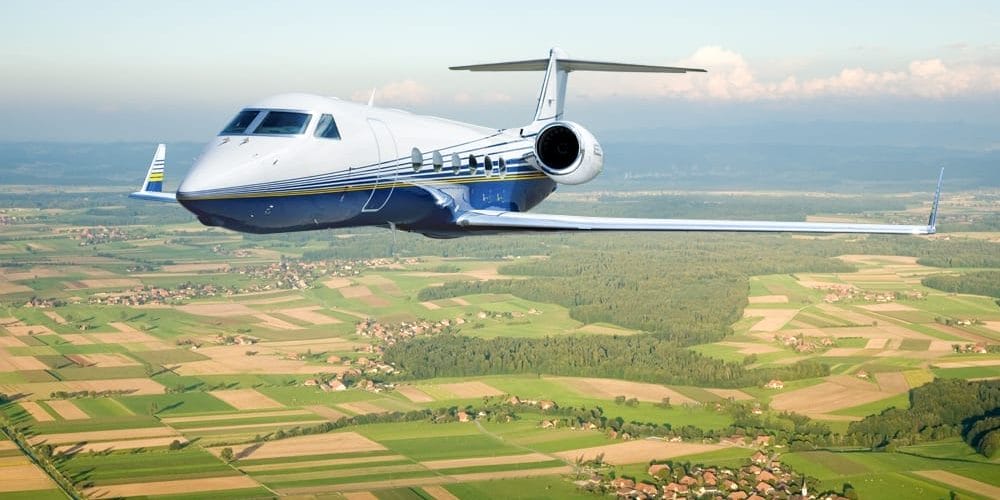
private jet g450 in flight

If you want to travel longer distances non-stop with a larger group, the G450 is a great option-especially if you need to stay connected and ready for your next meeting while in the air. This heavy jet was designed for business productivity, and its seven-channel satellite communication system with satellite phone, Wi-Fi, printer, and fax are perfect features for the global company that needs to stay linked to the rest of the world. The cabin also comes complete with advanced sound suppression technology for a quieter flight experience. Its impressive maximum range and high cruise speed put international destinations at your fingertips faster than ever before, and with 100% oxygen pumping through the cabin every two minutes, you’ll arrive feeling rested and ready.

Challenger 300 Overview

Challenger 300 in flight

The Bombardier Challenger 300 is a leader among super-midsize jets in fuel efficiency, speed, and range. Typically transporting eight passengers, the Challenger 300 can handle non-stop, coast-to-coast legs at high speed and with a low operating cost. It can depart from shorter airfields than many jets in its category, opening up even more destinations. In its roomy cabin, each fully-adjustable seat features fold-out work or dining tables, plus individual power plugs.

Range

*Range capabilities taken from manufacturer specifications when flying with 8 passengers and NBAA IFR reserves.

Gulfstream G450

4,350 nm

Challenger 300

3,100 nm

The Gulfstream G450 has a much longer range, by about 1,250 nautical miles. While the Challenger 300 can handle cross-country trips like New York to Los Angeles, the G450 can tackle international missions such as New York to Sao Paolo or Seattle to Tokyo.

Take Off/Landing Distance

Gulfstream G450

Take Off Distance Average: 5,600 ft
Landing Distance Average: 2,663 ft

Challenger 300

Take Off Distance: 4,810 ft
Landing Distance: 2,600 ft

Passengers

Gulfstream G450

Typically Seats: 12

Challenger 300

Typically Seats: 8

Cabin Size

Gulfstream G450
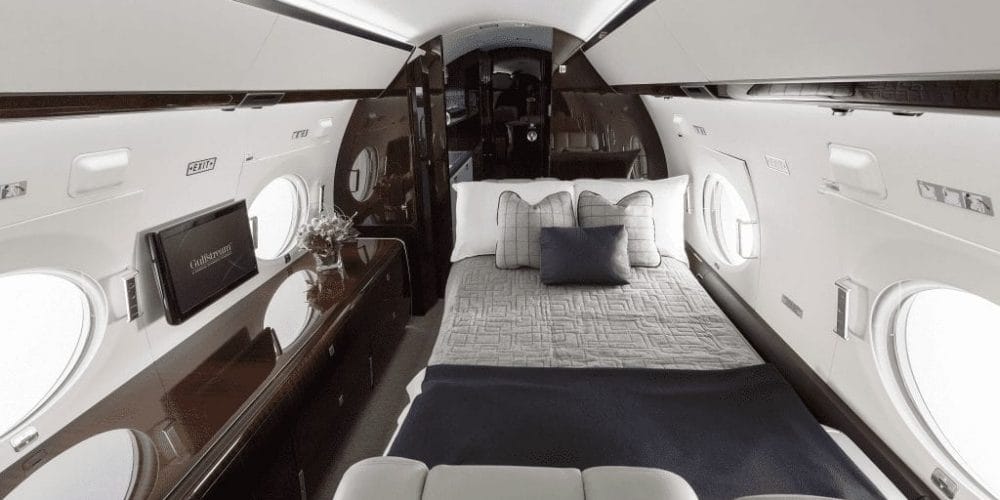
best intercontinental aircraft gulfstream g450 interior heavy jet

  • Cabin Length: 45 ft
  • Cabin Width: 7 ft 4 in
  • Cabin Height: 6 ft 2 in
  • Cabin Volume: 1525 cubic ft
    Cabin Door Height: 5 ft
  • Cabin Door Width: 3 ft

Challenger 300

interior of challenger 300 membership

  • Cabin Length: 29 ft
  • Cabin Width:  7 ft 2 in
  • Cabin Height: 6 ft 1 in
  • Cabin Volume: 860 cubic ft
  • Cabin Door Height: 6 ft 2 in
  • Cabin Door Width: 2 ft 2 inThe G450’s cabin is significantly longer, with a larger entry door.

Baggage Volume

Gulfstream G450

169 cubic ft (internal)

Challenger 300

106 cubic ft (internal)

Baggage capacity may vary based on the specific jet configuration and passenger amount.

Avionics

Gulfstream G450

The G450 features Gulfstream’s PlaneView avionics system on four large LCD displays, controlled by the pilots via a cursor in their seats’ armrests. Additionally, the G450 includes the Kollman enhanced vision system (EVS), which uses a nose-mounted infrared camera to help pilots spot terrain and runway lights at night or in inclement weather.

Challenger 300
The flight deck features Rockwell Collins Pro Line 21 avionics system, displayed across four LCD screens. The system comes standard with an Engine Indication and Crew Alerting System. This gives pilots engine performance information such as fuel flow, oil and turbine temperatures, and environmental control information. Other systems included in the Challenger 300 include the Enhanced Ground Proximity Warning System and Traffic Collision Avoidance System.

Engines

Gulfstream G450

2 Rolls-Royce Tay Mk 611-8C Engines

Challenger 300

2 Honeywell HTF 7000 Turbofan Engines

Speed

Gulfstream G450

Maximum Speed: 561 mph

Challenger 300

Maximum Speed: 541 mph

Purely Private Experiences with Magellan Jets

The Gulfstream G450 and Challenger 300 offer different experiences in range, cabin space, and passenger capacity, but you can’t go wrong when choosing between these two exemplary aircraft. Need more help deciding which jet is the right match for you and your journey? Contact a Private Aviation Advisor today.

EXPLORE WAYS TO FLY WITH MAGELLAN