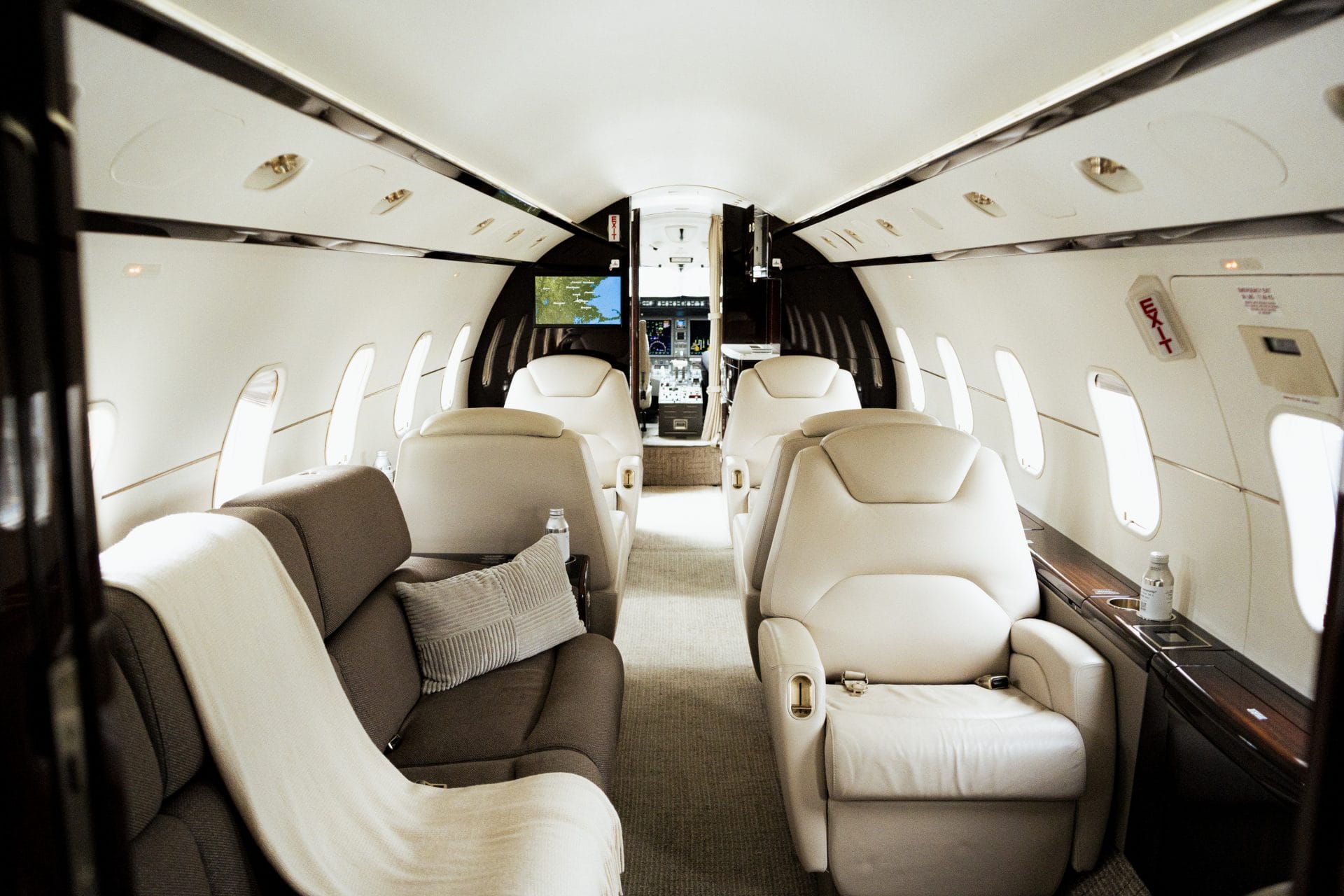
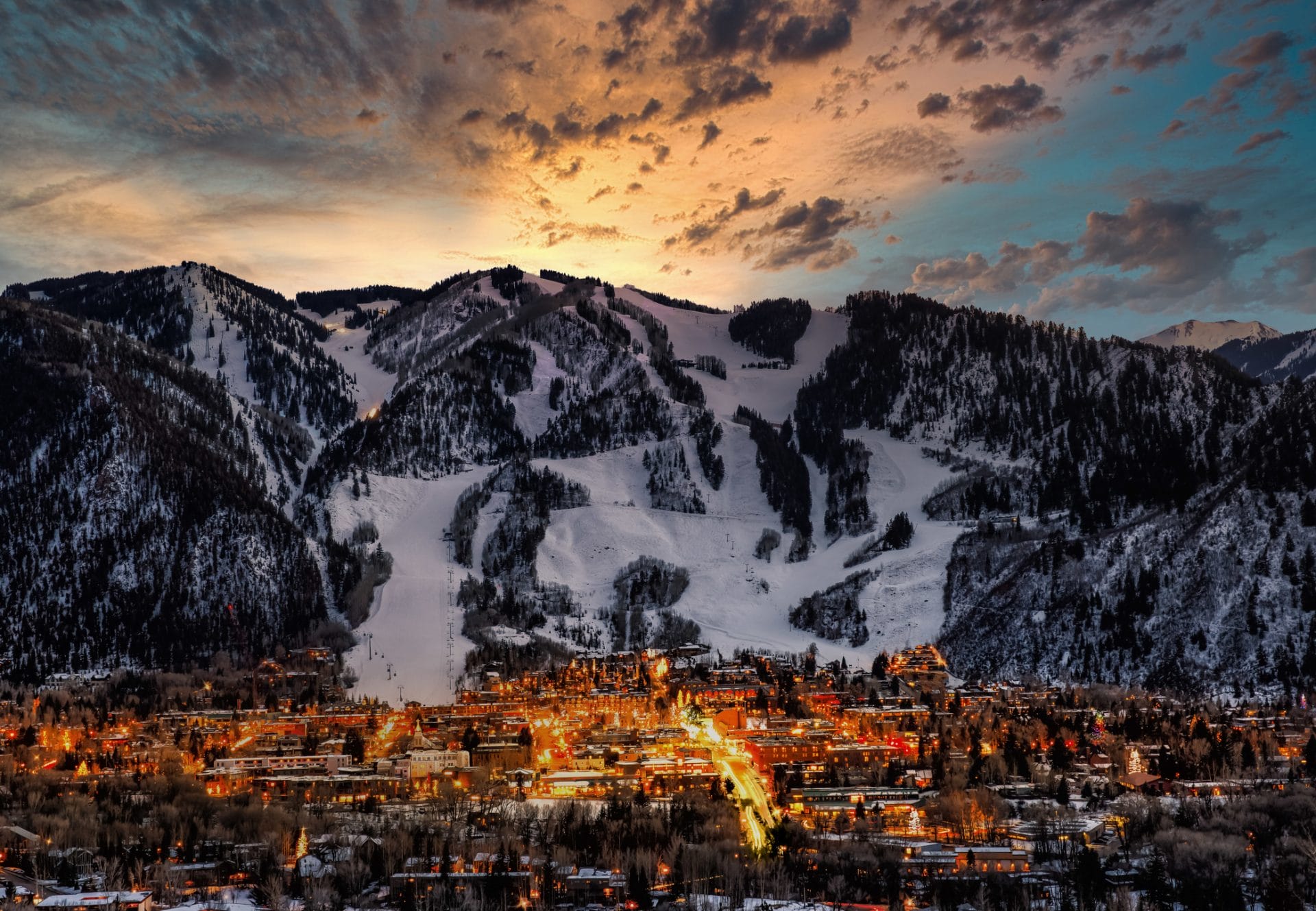
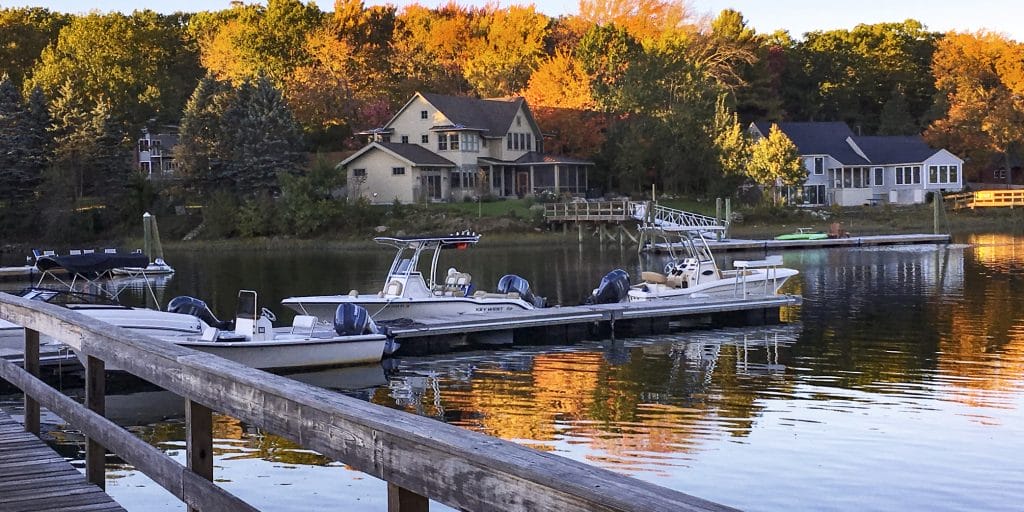
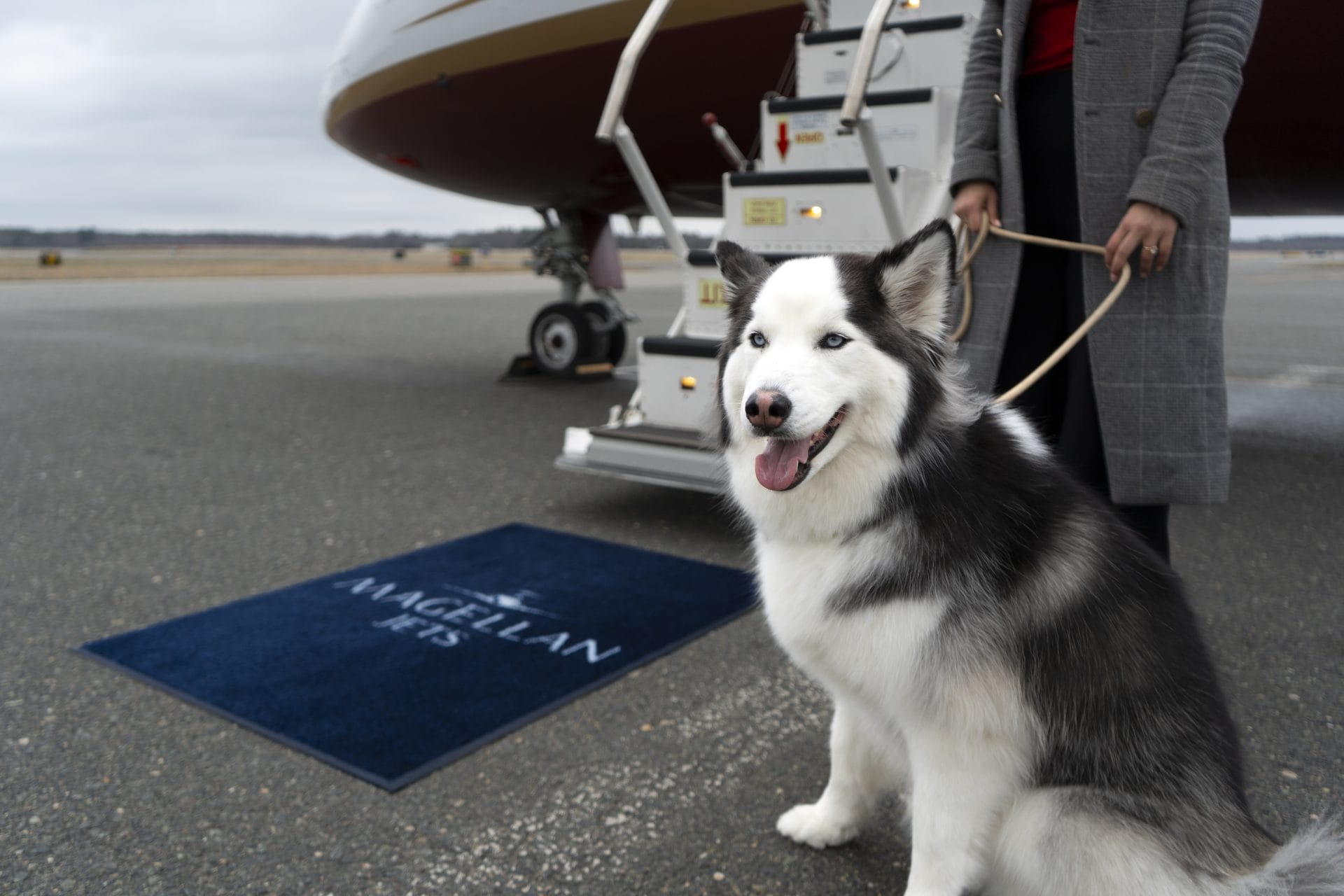
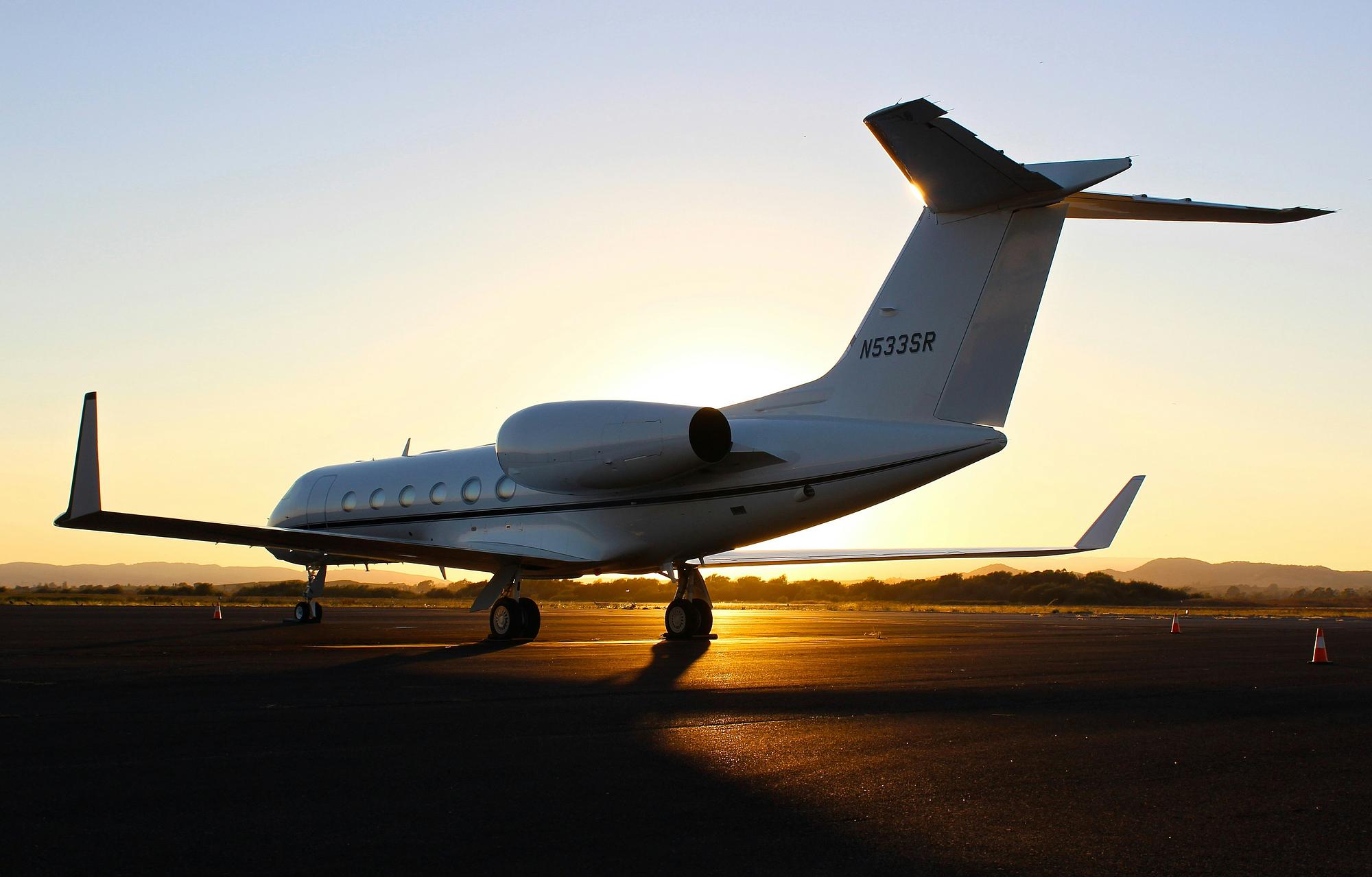
Flying private to Bandon Dunes means landing at Southwest Oregon Regional Airport (KOTH) in North Bend, Oregon, the closest airport to the resort. From the ramp, the drive to the first tee runs about 25 to 35 minutes. OTH is the only airport on the Oregon Coast with commercial service, and its runway comfortably handles the light, midsize, and super-midsize jets Private Clients favor for this journey. Eugene (KEUG) is a fallback, but it sits roughly a 2.5-hour drive away.
Why Flying Private to Bandon Dunes is the Easiest Way
Part of what makes Bandon Dunes Golf Resort feel like a place apart is how far it sits from everything else. The resort opened in 1999 on Oregon’s southern coast, the vision of owner Mike Keiser, and its isolation is the point. There are no crowds spilling in from a nearby city. The dunes, the wind, and the Pacific set the mood the moment you arrive.
That same remoteness is what makes access worth planning with care. Commercial routings into the region are limited, and the connections are long. A private journey compresses the trip to a single, unhurried leg, so you trade a full travel day for a short hop and a scenic drive.
What waits on the ground is a rota of five walking-only links courses, each played with a caddie. Bandon Dunes, Pacific Dunes, Bandon Trails, and Old Macdonald anchor the property. Sheep Ranch, the newest, opened in 2020 from Bill Coore and Ben Crenshaw, its cliff-top holes tracing the ocean’s edge. Between rounds, the par-3 Bandon Preserve, the Punchbowl putting course, and Shorty’s fill the hours that daylight allows.
The rhythm of a stay here is unlike resort golf almost anywhere else. Players walk every hole, always with a caddie, so the game slows to the pace it was built to keep. Days settle into golf, shared meals, and the quiet of a property designed for exactly that. That kind of immersion arrives more easily when the travel behind it collapses into a single flight.
The Closest Airport to Bandon Dunes: Southwest Oregon Regional Airport (KOTH)
Anticipation builds in the final minutes of any great golf trip, and here it arrives fast. When you are flying to Bandon Dunes, Southwest Oregon Regional Airport (KOTH) in North Bend puts you closer to the first tee than any other option. The drive south to the resort takes about 25 to 35 minutes along the coast.
Knowing how to get to Bandon Dunes starts with understanding the airports near Bandon Dunes. KOTH is the practical answer for a private jet to Bandon Dunes. Its longest runway measures roughly 5,980 feet, which comfortably accommodates the light, midsize, and super-midsize jets used for these trips. As the only Oregon Coast airport with commercial service, it is built to receive arriving travelers rather than route them onward.
Eugene (KEUG) remains an alternative for aircraft or schedules that call for it, though it adds about a 2.5-hour drive each way. For West Coast travelers, the math is compelling. Seattle to Bandon Dunes is roughly a 90-minute hop by private jet, and a super-midsize aircraft can reach KOTH nonstop from the East Coast. Your Private Aviation Advisor weighs runway, range, and drive time before recommending where you land.
Arrival at KOTH is refreshingly simple. Private travelers are met planeside, bags move straight to the waiting car, and there are no terminals to cross. Within minutes you are heading south on Highway 101, the Pacific on one side and the resort ahead. It is the kind of arrival that sets the tone for the days that follow.
Which Private Jets Suit the Trip to Bandon Dunes
The right aircraft is the one that matches your foursome, your clubs, and where you are starting from. KOTH’s runway handles the full range of jets these trips call for, so the choice comes down to comfort and origin rather than limits on the ground.
For West Coast regional legs, the Embraer Phenom 300 is a natural fit. This light jet offers generous baggage space, a taller cabin, and seating for up to six, which suits a compact golf group traveling light on hours. For a step up in cabin and cargo room, the Cessna Citation XLS earns its place. This midsize jet delivers outstanding short-runway performance and exceptional baggage capacity, an ideal pairing for golf travel into OTH.
When the journey runs coast to coast, the Bombardier Challenger 350 and its predecessor, the Challenger 300, make the strongest case. Their wide, flat-floor cabins carry clubs and luggage with ease, and their range supports a nonstop East Coast-to-OTH leg. Your advisor matches the aircraft to group size, luggage, and departure city, then confirms that your chosen jet operates comfortably from the runway at North Bend.
Golf travel has its own packing math, and cabin choice follows from it. A foursome with full bags and hard cases is comfortable in a midsize cabin. A larger party, or one connecting from across the country, benefits from the room a super-midsize jet provides. The goal is fit, not excess, and an advisor who flies these routes knows the difference.
Journey to Bandon Dunes: A Fully Curated Golf Experience
A great golf trip should feel considered from the first phone call. The Journey to Bandon Dunes is a curated Magellan Jets Journey built around exactly that. Your foursome arrives rested, on schedule, and ready for the opening round.
Your Private Aviation Advisor arranges the private flight into KOTH, with catering set to your preferences for the leg out. A car waits planeside for the short drive south to the resort. Tee-time logistics and ground transfers are coordinated by your Client Experience team before you leave home.
Nothing here is a fixed package. The itinerary is arranged around your foursome, your dates, and the round you came to play. You confirm the schedule, and the logistics follow. When you are ready to map the details, begin with the Journey to Bandon Dunes.
Inside the Magellan Jets Journeys Program
Every Journey to Bandon Dunes draws on the wider approach behind Magellan Jets Journeys. This is curated travel designed around the Client, not a booking pushed through a portal. The same care applies whether the destination is a links course or a boardroom.
As an asset-light private aviation solutions provider, Magellan Jets does not own or operate aircraft. Instead, your Private Aviation Advisor sources the right jet from the Magellan Jets Preferred Network. That is an exclusive group of fewer than 100 rigorously vetted operators, all approved to fly under FAA Part 135 or Part 91K authority. That structure means every recommendation serves your journey, not a fleet-utilization target.
Safety sits at the center of that sourcing. Magellan Jets holds WYVERN Wingman Broker Certification and works only with operators carrying $100M to $300M in liability insurance. It is the sole private jet solutions provider represented on the Air Charter Safety Foundation (ACSF) Board. For a journey into a coastal runway like OTH, that vetting is the reason you can put your attention on the round instead of the flight.
The care shows in the numbers as much as the language. Magellan Jets maintains a 4.9-out-of-5 Client satisfaction rating and a 90% trip perfection score across Private Clients flown to more than 100 countries. Those results come from a model in which your advisor answers to your journey, not to a fleet.
The Magellan Jets relationship extends well beyond a single trip. A dedicated Client Experience team supports every journey, and it does not end at the ramp. Travelers who begin flying more often can move from On-Demand Charter to a Jet Card without changing partners. The Advisor who plans one Bandon Dunes Journey can plan the next season’s.
Planning Your Visit: Seasons and the Links Character
Bandon Dunes belongs to golfers who understand that weather is part of the game, not an interruption to it. The resort plays true to Scotland’s ancient links, and coastal wind and fog are woven into that character year-round. That is what keeps the courses honest, and what draws players back.
Summer, roughly June through September, offers the most stable weather and the longest playing days. It is the window most Private Clients favor, which makes early planning worthwhile. Shoulder seasons invite a quieter property and firmer turf, with a higher chance of squalls rolling off the Pacific.
Because demand concentrates in those summer months, aircraft availability tightens alongside tee times. Booking ahead through On-Demand Charter or a Jet Card keeps your preferred aircraft and window within reach. Your advisor holds both open as you finalize dates.
Tee times at the resort are released well ahead of the season, and the most sought-after mornings go quickly. Aligning your flight to those times is straightforward when the aircraft is reserved in parallel. Bring your Private Aviation Advisor into the plan as soon as the dates firm up, and the two calendars move together rather than in competition.
What It Costs to Charter a Private Jet to Bandon Dunes
Cost clarity lets you plan the trip you actually want, so it is worth grounding expectations early. Bandon Dunes sits in the West Coast region, and the estimates below reflect Magellan Jets’ own hourly rates for that region by aircraft category. They are starting points, not firm quotes.
Turboprop: estimated, from $7,525/hr
Light jet: estimated, from $7,955/hr
Midsize jet: estimated, from $9,557/hr
Super-midsize jet: estimated, from $9,844/hr
Heavy jet: estimated, from $11,551/hr
These are estimated hourly rates, inclusive of fuel, and they vary with aircraft availability, routing, repositioning, taxes, and other trip-specific factors such as de-icing and overnight fees. Your Private Aviation Advisor confirms an exact quote at the time of booking.
What you ultimately pay depends on flight time, the aircraft you choose, and whether repositioning is needed to bring the jet to your departure city. A West Coast origin keeps flight time short and the estimate lean. A transcontinental journey runs longer, yet reaches OTH nonstop on the right aircraft. To weigh the two paths, compare On-Demand Charter for a single journey against a Jet Card for travelers flying 25 hours or more each year.
Frequently Asked Questions About Flying Private to Bandon Dunes (FAQs):
What is the closest airport to Bandon Dunes?
Southwest Oregon Regional Airport (OTH) in North Bend, Oregon, is the closest airport to Bandon Dunes. The resort sits about 25 to 35 minutes south by car. It is the only airport on the Oregon Coast with commercial service.
How do I fly private to Bandon Dunes?
You fly directly into OTH in North Bend, then drive about 25 to 35 minutes to the resort. A Private Aviation Advisor arranges the aircraft, coordinates ground transfers, and handles catering. Magellan Jets sources the jet from vetted operators in its Preferred Network for the journey.
What size private jet can land near Bandon Dunes?
OTH’s longest runway measures roughly 5,980 feet, which comfortably handles light, midsize, and super-midsize jets. Popular choices include the Embraer Phenom 300, the Cessna Citation XLS, and the Bombardier Challenger 350. Your advisor matches the aircraft to your group size, luggage, and departure city.
How much does it cost to fly private to Bandon Dunes?
For the West Coast region, Magellan Jets’ estimated hourly rates start from about $7,955/hr for a light jet, $9,557/hr for a midsize jet, and $9,844/hr for a super-midsize jet. These are estimates, inclusive of fuel, and exclude contingencies such as positioning and overnight fees. Your advisor confirms an exact quote at the time of booking.
When is the best time to visit Bandon Dunes?
Summer, roughly June through September, brings the most stable weather and the longest days for golf. Coastal wind and fog are part of the links character in every season. Shoulder-season trips trade the chance of squalls for a quieter property and firmer turf.
Is there a shuttle from the airport to Bandon Dunes?
The resort is about a 25-to-35-minute drive from OTH, and ground transfers are typically arranged as part of the trip. When you travel with Magellan Jets, your Client Experience team coordinates the car so it is waiting when you land. That keeps the transition from ramp to first tee unhurried.
Plan Your Journey to Bandon Dunes
Few destinations reward the effort of getting there quite like this stretch of the Oregon coast. The wind, the dunes, and five walking courses wait at the end of a short flight. When the timing is yours to choose, the only step left is the aircraft. Contact a Private Aviation Advisor to design a journey to Bandon Dunes built around your foursome, your schedule, and the round you came to play.
Updated October 2026
The 2026 TCS New York City Marathon runs Sunday, November 1. For a private jet charter to the New York City Marathon, Teterboro (TEB), 12 miles from Midtown, is the closest private airport to Manhattan. Westchester County Airport (HPN) suits northern hotels and Connecticut. Book as soon as dates are set. Magellan Jets Jet Card Clients have zero blackout dates.
Few mornings in sport match the first Sunday in November in New York. Runners gather on Staten Island, cross the Verrazzano-Narrows Bridge, and carry the city’s energy through all five boroughs. The finish waits in Central Park, near Tavern on the Green.
In 2025, a record 59,226 runners from 130 countries crossed that line, according to New York Road Runners. Arriving by private jet lets you shape the weekend around the race. You land close to Manhattan, step into a waiting car, and give your hours to the expo, a shakeout run, or a quiet dinner before the start.
This guide covers the airports, aircraft, estimated hourly rates, and race-day movement that make the weekend your own.
Planning Your NYC Marathon Weekend Itinerary
The finest marathon weekends begin days before the start, with time to collect a bib without hurry and settle into the city’s rhythm. Arriving Thursday or Friday leaves room for the expo, an easy Saturday, and a full night’s sleep before race morning.
The TCS New York City Marathon Expo runs in the days leading up to race Sunday at the Javits Center, on 11th Avenue between West 35th and 36th Streets. Race morning opens at 8:00 AM with the professional wheelchair divisions. Running waves start across a window of 9:10–11:30 AM, according to the official 2026 race schedule.
For 2026, New York Road Runners assigns each runner a start transportation departure time based on pace. Runners choose the Staten Island Ferry from Whitehall Terminal, a bus from the New York Public Library in Midtown, or a bus from MetLife Stadium in New Jersey. NYRR’s start transportation guide lists the current options.
Five Steps to Plan Your Marathon Weekend
Set your arrival day. Thursday or Friday gives the expo and Saturday room to breathe.
Choose your airport by hotel. Teterboro suits Manhattan stays, and Westchester suits northern hotels and Connecticut.
Match the aircraft to your party. Your Private Aviation Advisor sources the right aircraft for your group size, origin, and luggage.
Confirm your start transportation. Note the departure time NYRR assigns, then choose a hotel within easy reach of it.
Plan the journey home. Decide whether you fly Sunday evening or after a recovery morning on Monday.
The Best Airports for a Private Jet Charter to New York
Flying private to New York means arriving at a private terminal called an FBO (fixed-base operator), where your car is already waiting. The airport you choose shapes the whole weekend, so choose it by where you will sleep.
Teterboro Airport (TEB)
Teterboro is the classic arrival for Manhattan. The Port Authority of New York and New Jersey operates it as a general aviation reliever airport 12 miles from Midtown. It does not accept aircraft over 100,000 pounds.
For a Midtown hotel or a suite near the Central Park finish, Teterboro is the natural choice.
Westchester County Airport (HPN)
Westchester County Airport sits in White Plains, north of the city. It favors Clients staying at northern hotels, visiting family in Westchester, or continuing on to Connecticut. It also suits a quieter pre-race night outside Manhattan.
Helicopter Transfers to Manhattan Heliports
The most cinematic entry into the city comes by helicopter, with the skyline rising ahead. Transfers connect directly to Manhattan’s heliports. Your Client Experience team coordinates the handoff from the FBO, and your Private Aviation Advisor confirms timing when you book.
Choosing the Right Aircraft for the Marathon Weekend
The right aircraft fits the weekend you have in mind: room to stretch before a race, space for a support crew, and range to arrive from wherever you train. Your Private Aviation Advisor matches the aircraft to your party, origin, and luggage. You can explore each category on our aircraft page.
Your Journey
Category
Example Aircraft
Why It Fits
Small party from the Eastern Seaboard
Light Jet
Phenom 300
Nonstop Eastern Seaboard range, up to six passengers, and generous baggage space
Small group with extra luggage
Midsize Jet
Citation Excel/XLS
Exceptional baggage room and range covering the Eastern Seaboard or West Coast
Up to six flying coast to coast
Super-Midsize Jet
Challenger 300 or Challenger 350
Wide flat-floor cabin and coast-to-coast range for up to six passengers
Team, family, or entourage with gear
Heavy Jet
Challenger 850
One of the largest cabins in its class, generous baggage, and suited to group travel
Longer domestic or international journey
Heavy Jet
Gulfstream G450
Large flat-floor cabin and extended range for longer missions
Runners arriving from Europe
Heavy Jet
Gulfstream G-IV/G-IVSP
Transatlantic range, popular for East Coast–Europe missions
Clear numbers make it easier to picture the weekend you want. New York sits in Magellan Jets’ Northeast pricing region, and the figures below are estimated hourly rates by aircraft category.
Aircraft Category
Estimated Hourly Rate (Northeast)
Light Jet
$7,425
Mid Jet
$8,924
Super Mid
$9,366
Heavy Jet
$13,390
These are estimated hourly rates for Light Jet, Mid Jet, Super Mid, and Heavy Jet charter, inclusive of fuel. They do not include contingencies such as de-icing, positioning, overnight fees, or other trip-specific costs. Final pricing is confirmed at time of quote.
Estimated Hourly Rates by Origin Region
When you fly in from a specific region, the corridor rate offers a more precise starting point.
Flying From
Light Jet
Mid Jet
Super Mid
Heavy Jet
Southeast (SC, FL, GA)
$7,496
$8,714
$10,547
$13,974
Midwest (OH, MI, IL, MN)
$7,169
$8,052
$9,131
$12,173
Central (TX, CO, TN)
$6,462
$8,281
$9,551
$17,153
West Coast (CA, AZ, NV)
$12,713
$11,285
$9,470
$10,221
New England (MA, VT, NH, ME, RI)
$7,343
$9,596
$8,990
$12,934
These are estimated hourly rates for Light Jet, Mid Jet, Super Mid, and Heavy Jet charter into the Northeast, inclusive of fuel. They do not include contingencies such as de-icing, positioning, overnight fees, or other trip-specific costs. Final pricing is confirmed at time of quote.
International Arrivals for Overseas Runners
For runners flying in from overseas, Magellan Jets’ estimated international hourly rates are $12,671 for a Super Mid and $14,877 for a Heavy Jet. Customs clearance can be arranged as part of your itinerary, and your Client Experience team coordinates the details.
These are estimated hourly rates for Super Mid and Heavy Jet international charter, inclusive of fuel. They do not include contingencies such as de-icing, positioning, overnight fees, or other trip-specific costs. Final pricing is confirmed at time of quote.
Jet Card Clients fly at fixed, all-inclusive rates instead, covered later in this guide.
Moving Through the City on Race Day
On race morning, New York gives its streets to the runners. The Verrazzano-Narrows Bridge closes to all vehicle traffic on race morning, at 7:00 a.m. according to NYRR’s race-day transportation guide. Road closures across the course begin early on race day, which gives the city a rare, almost private calm.
The most relaxed race mornings start from the right hotel. A stay near the Central Park finish, or close to your assigned ferry or bus, keeps the morning short. Your Client Experience team plans private car routes around the closures and can arrange a helicopter transfer when your schedule calls for one.
Spectators enjoy the same advantage. With car routes planned in advance, family and friends can move between viewing points and meet you near the finish to celebrate.
Traveling With Family, Friends, and Teams
The marathon belongs to everyone who made the training possible. Spouses, children, coaches, and friends deserve a place in the weekend, and a single private aircraft keeps the whole group together.
Your group charters the entire aircraft, so every seat belongs to your party. Magellan Jets does not sell individual seats. Your Private Aviation Advisor sizes the aircraft to the group instead.
Plan the celebration with the same care as the race. Through our Client services, the Client Experience team arranges ground transportation, catering, and the small personal touches that make a recovery flight home feel restorative.
Jet Card vs. On-Demand Charter for Marathon Weekend
Marathon weekend draws runners from around the world, and demand for aircraft into New York rises with the crowds. The Clients who travel with the most ease already hold assured access.
A Magellan Jets Jet Card gives you guaranteed availability 365 days a year with zero blackout dates, including marathon weekend. Pricing is fixed and all-inclusive. The program begins at a 25-hour minimum, and Clients choose any number of hours at or above that threshold.
On-Demand Charter suits a single trip or a complex, multi-aircraft day without a membership commitment. If this is your one marathon of the year, it is the natural fit. Clients approaching 25 hours of annual flying can move to a Jet Card through the same relationship.
Both draw on the Magellan Jets Preferred Network, fewer than 100 rigorously vetted operators out of roughly 3,000 licensed in the U.S. As an asset-light private aviation solutions provider, Magellan Jets owns no fleet, so every recommendation is made in your interest. Every Client has a dedicated Private Aviation Advisor and Client Experience team, and every mission reflects how Magellan Jets leads with safety.
Frequently Asked Questions About Private Jet Charter to the New York City Marathon (FAQs):
When is the 2026 NYC Marathon?
The 2026 TCS New York City Marathon runs Sunday, November 1. The race opens at 8:00 AM with the professional wheelchair divisions, and running waves start across a window of 9:10–11:30 AM, per the official 2026 NYRR race schedule. The marathon expo runs in the days leading up to race Sunday at the Javits Center.
Which airport is closest to Manhattan for a private jet?
Teterboro Airport (TEB) is the closest private airport to Manhattan, 12 miles from Midtown. The Port Authority operates it as a general aviation reliever airport. Westchester County Airport (HPN) in White Plains suits Clients staying north of the city or in Connecticut.
How much does a private jet to New York cost?
Estimated hourly rates into New York are $7,425 for a Light Jet, $8,924 for a Mid Jet, $9,366 for a Super Mid, and $13,390 for a Heavy Jet. These are estimated hourly rates for Light Jet, Mid Jet, Super Mid, and Heavy Jet charter, inclusive of fuel. They do not include contingencies such as de-icing, positioning, overnight fees, or other trip-specific costs. Final pricing is confirmed at time of quote.
How far in advance should I book a private jet to the NYC Marathon?
Book as soon as your travel dates are set, since the widest choice of aircraft goes to those who plan early. Marathon weekend draws runners from around the world, and demand for aircraft follows. Jet Card Clients have guaranteed availability with zero blackout dates.
Can a group share a private jet to New York?
Yes. Your group charters the entire aircraft, so everyone travels together on one schedule. A Phenom 300 suits up to six passengers, and a Challenger 850 suits larger groups with generous baggage.
Will marathon road closures affect my arrival?
Arriving Thursday or Friday keeps the city open to you. Road closures across the course begin early on race day, and the Verrazzano-Narrows Bridge closes to all vehicle traffic on race morning, at 7:00 a.m. per NYRR. Your Client Experience team plans car routes around the closures and can arrange a helicopter transfer.
Are pets allowed on a private jet to New York?
Yes. Your dog travels beside you in the cabin, so the whole family arrives together. Pet policies vary by operator and aircraft, and your Private Aviation Advisor confirms the details when sourcing your aircraft.
Does Magellan Jets have blackout dates?
Zero. Magellan Jets guarantees Jet Card aircraft availability 365 days a year, including marathon weekend, the Fourth of July, Thanksgiving, and Christmas.
Plan Your Private Jet to the NYC Marathon
Marathon Sunday in New York comes once a year, and the weekend around it deserves the same preparation as the race. Share your dates, party, and hotel, and your Private Aviation Advisor will shape the journey from wheels-up to the finish line.
Seven mountain airports anchor private travel to the West’s great ski towns: Aspen/Pitkin County, Eagle County Regional, Rifle Garfield County, Jackson Hole, Telluride Regional, Friedman Memorial, and Bozeman Yellowstone International. All seven appear on the Federal Aviation Administration’s (FAA) Cold Temperature Airports list. High elevation, close terrain, and quick-moving storms shape every winter arrival, so crews plan alternates before departure.
The storms that bury the Rockies in powder also decide which runway a jet uses that morning. That is part of the appeal. These airports put you minutes from the lifts, and a well-planned arrival makes the first run of the week feel close.
This guide covers each airport’s winter character, the alternates crews commonly consider, and what the FAA’s cold-temperature program means for your journey. It also flags a date every Aspen regular should know. The airport closes for a full runway rebuild on April 4, 2027.
Mountain Airports at a Glance: Elevation, Runways, and Alternates
Elevations below are FAA-surveyed figures. ICAO (International Civil Aviation Organization) codes are the four-letter identifiers crews use for flight planning.
Airport
ICAO
Elevation
Runway
Winter Character
Commonly considered alternates
Aspen/Pitkin County Airport
KASE
About 7,838 ft
8,006 × 100 ft (15/33)
Narrow valley, upslope landings, 95-ft wingspan limit
Rifle, Grand Junction
Eagle County Regional Airport
KEGE
About 6,547 ft
9,000 × 150 ft (7/25)
Long, wide runway serving Vail and Beaver Creek
Rifle, Grand Junction
Rifle Garfield County Airport
KRIL
About 5,537 ft
7,000 × 100 ft (8/26)
Lower field, staffed around the clock
Grand Junction
Jackson Hole Airport
KJAC
6,451 ft
6,300 × 150 ft (1/19)
Inside Grand Teton National Park
Idaho Falls
Telluride Regional Airport
KTEX
About 9,070 ft
7,111 × 100 ft (9/27)
Highest in this guide, mesa-top runway
Montrose
Friedman Memorial Airport
KSUN
About 5,320 ft
7,550 × 100 ft (13/31)
Wood River Valley gateway to Sun Valley
Twin Falls
Bozeman Yellowstone International Airport
KBZN
About 4,473 ft
Multiple runways
Lowest in this guide, Montana’s busiest
Butte, Helena
Aspen/Pitkin County Airport (KASE): The Final Season on Today’s Runway
Aspen Mountain rises straight from a Victorian downtown, and the holiday weeks bring a social calendar that fills every evening. Landing a few minutes from the lifts is the reason so many Private Clients fly here.
The airport sits at about 7,838 feet. Its single runway measures 8,006 by 100 feet. The runway slopes uphill about 2% to the southeast, so most pilots land on Runway 15. Pilots can request Runway 33 when brisk winds blow from the northwest.
Thin air affects every departure. The same airport page describes a calm, cool spring morning at 10 a.m. with a density altitude of 9,555 feet. Density altitude is the altitude the aircraft “feels” based on temperature and pressure, and it governs takeoff performance.
Aspen also enforces a 95-foot wingspan limit. Your Private Aviation Advisor confirms that the aircraft fits this limit before anything else is booked.
What the 2027 Runway Closure Means for the 2026–27 Ski Season
The airport will close to all flights from April 4 through November 19, 2027, per the Aspen Airport construction update. Crews will rebuild and shift the runway to meet current FAA design standards. A new terminal is targeted for 2029, per the Aspen Airport modernization program.
That makes the 2026–27 winter the last full season on the current runway. Trips planned for April 2027 should route through Eagle or Rifle. The FAA has indicated the 95-foot limit is expected to lift once the runway-taxiway separation is increased. Your Advisor will confirm the final limits.
Eagle County Regional Airport (KEGE): The Private Gateway to Vail and Beaver Creek
Vail’s Back Bowls and Beaver Creek’s ski-in villages draw families back season after season. Eagle County Regional Airport puts both resorts within an easy drive.
The field sits at about 6,547 feet, four miles west of the town of Eagle. Its runway runs 9,000 by 150 feet. Runway 25 offers 8,000 feet for landing because of a 1,000-foot displaced threshold. That section is available for takeoff but not for touchdown.
Eagle sits in the same mountain weather pattern as Aspen. When a storm settles over the valley, crews often look west to Rifle or Grand Junction rather than to a neighboring ski airport.
Rifle Garfield County Airport (KRIL): The Insider’s Alternate for Aspen and Eagle
Rifle is the quiet option seasoned mountain travelers keep in reserve. The airport sits 27 miles from Glenwood Springs and its hot springs pools, a fine first stop on any ski week.
The field lies three miles east of Rifle at about 5,537 feet lists it as attended continuously. The airport puts Aspen 61 miles away and Vail 88 miles away. It also calls itself “the preferred alternate for Eagle and Aspen.”
Its lower elevation and 7,000-foot runway give crews useful room on cold, busy days. For Private Clients, a diversion here usually means a longer drive, with the ski week still intact.
Jackson Hole Airport (KJAC): Landing Inside a National Park
Jackson Hole’s approach is one Private Clients remember. The Teton Range fills the windows on final approach, and the valley floor stretches white below. Teton Village’s steep terrain and the town’s Western character keep Private Clients returning.
The setting is singular. It is the only airport in the United States located completely within a national park.
The runway elevation is 6,451 feet, and the runway measures 6,300 by 150 feet. Idaho Falls is an airport crews commonly consider as an alternate when weather closes in over the valley.
Telluride Regional Airport (KTEX): The Highest Runway in This Guide
Telluride sits in a box canyon, with a free gondola linking the historic town to Mountain Village. It feels remote in the best sense, and arriving by private jet preserves that feeling.
The airport sits on a mesa at about 9,070 feet. Its runway runs 7,111 by 100 feet. FAA remarks recommend landing on Runway 9 and departing on Runway 27 to avoid populated areas.
One end of the mesa has a drop of roughly 1,000 feet. Montrose is an airport crews commonly consider as an alternate when clouds settle over the San Juans.
Friedman Memorial Airport (KSUN): Arriving in Sun Valley Style
Sun Valley carries a glamour few resorts can claim. Bald Mountain’s long runs, Ketchum’s restaurants, and its long Hollywood history make it a favorite for unhurried ski weeks.
Friedman Memorial Airport sits one mile southeast of Hailey at about 5,320 feet. Its runway measures 7,550 by 100 feet. The airport sits a short drive from Sun Valley and Ketchum.
Your Advisor confirms aircraft suitability against the airport’s current published restrictions before booking. Twin Falls is an airport crews commonly consider as an alternate when the Wood River Valley fills with weather.
Bozeman Yellowstone International Airport (KBZN): Big Sky and Yellowstone Country
Big Sky offers the wide-open version of a ski trip, with Yellowstone country on the horizon. Bozeman adds a lively downtown for the evenings.
The airport sits seven miles northwest of Bozeman at about 4,473 feet. It is the lowest airport in this guide. Big Sky is a scenic drive south, and winter roads can add time.
Bozeman is also Montana’s busiest airport. It welcomed a record 2,809,419 passengers in 2025, a 6.3% increase over 2024. During holiday weeks, Butte and Helena are airports crews commonly consider as alternates.
How Alternates Are Chosen for Mountain Airports
For a mountain journey, crews plan an alternate airport before the wheels leave the ground. The best alternate is the one most likely to have clear skies when the destination does not.
That is why distance alone is a poor guide. Eagle and Rifle sit in the same mountain weather system as Aspen, so crews weigh lower-elevation options too. Grand Junction, in the Grand Valley, is a frequent lower-elevation option for Aspen and Eagle flights. Crews commonly consider Montrose for Telluride.
Crews weigh several factors when they choose:
Forecast weather at arrival time, compared with the destination’s storm track
Runway length and condition reports for the expected aircraft weight
FBO (fixed-base operator, the private terminal) hours, fuel, and de-icing capacity
Drive time and road conditions to the Client’s final destination
FAA Cold Temperature Restricted Airports and Winter Flight Cancellations
The FAA publishes a list of Cold Temperature Airports, where very cold air can make an altimeter read higher than the aircraft’s true altitude. When the airport temperature is at or below the listed limit, pilots correct altitudes on specified instrument approach segments. The limit appears next to a snowflake symbol on the approach chart, per the FAA list effective September 4, 2026.
All seven airports in this guide are on that list. Their limits are:
Aspen (KASE): -21°C (about -6°F)
Eagle (KEGE): -19°C (about -2°F)
Rifle (KRIL): -13°C (about 9°F)
Jackson Hole (KJAC): -21°C (about -6°F)
Telluride (KTEX): -17°C (about 1°F)
Friedman Memorial (KSUN): -13°C (about 9°F)
Bozeman (KBZN): -21°C (about -6°F)
The designation is a procedure for flight crews. It applies to instrument approach altitudes, and it does not close the airport or limit the runway.
Do Flights Get Cancelled for Cold Weather? How De-Icing Keeps Departures Moving
Cold air on its own is routine at these airports. Departures shift when snow, ice, or low visibility arrive, or when frost forms on the aircraft overnight.
Frost matters more than most travelers expect. FAA Advisory Circular 20-117 says frost, ice, or snow with the roughness of medium or coarse sandpaper can reduce lift by as much as 30%. It can also increase drag by 40%. The aircraft must be clean before takeoff.
That is the job of de-icing. Ground crews spray heated fluid to clear frost, snow, and ice. A second fluid often follows to hold off new buildup for a limited time. Our De-Icing 101 guide walks through the process step by step.
How Magellan Jets Plans Winter Trips to Mountain Airports
A ski week should begin on the slopes, with the logistics already handled. Magellan Jets’ Flight Support team watches each mountain journey from booking through landing.
The team tracks forecasts, runway condition reports, and NOTAMs (Notices to Air Missions, the FAA’s official operational alerts). If weather points toward an alternate, your Private Aviation Advisor shares the plan early. Your Client Experience team then arranges ground transportation from the alternate to your door.
Peak weeks call for earlier planning. Around Christmas, New Year’s, and Presidents’ Day, the team secures FBO and parking arrangements at Aspen and Eagle well in advance. Holiday travelers can find more ideas in our holiday travel destinations guide.
Clients who return to the mountains each season often choose a Jet Card, with guaranteed availability 365 days a year and zero blackout dates. For a single ski trip, On-Demand Charter matches the right aircraft to the mission.
Frequently Asked Questions About Flying Into Mountain Airports in Winter (FAQs):
What Are the Hardest Airports to Land at in the US?
The most demanding US airports often lead to the most coveted destinations. Ski airports such as Aspen and Telluride are frequently named because of high elevation, nearby terrain, and fast-changing mountain weather. Aspen sits at about 7,838 feet in a narrow valley, and Telluride sits on a mesa at about 9,070 feet.
What Is the Highest Airport in the US?
Among the ski airports in this guide, Telluride Regional Airport is the highest at about 9,070 feet, according to FAA data. That puts it more than 1,200 feet above Aspen. Its mesa-top runway is part of what makes arriving in Telluride so memorable.
Do Flights Get Cancelled for Cold Weather?
Cold temperatures alone rarely keep an aircraft on the ground at mountain airports, where winter is the busy season. Delays usually come from snowfall, low visibility, runway conditions, or frost that must be cleared. Per FAA Advisory Circular 20-117, frost, ice, or snow as rough as medium or coarse sandpaper can reduce lift by as much as 30%. It can also increase drag by 40%, so crews de-ice before takeoff.
Can Any Private Jet Land at Aspen?
Aspen welcomes a wide range of private aircraft, within its rules. The airport enforces a 95-foot wingspan limit, and high elevation affects takeoff performance. Your Private Aviation Advisor matches the aircraft to Aspen’s limits, or plans an arrival through Eagle or Rifle when another aircraft suits the trip better.
Where Do Flights to Aspen Divert?
Crews commonly consider Rifle Garfield County Airport or Grand Junction as alternates for Aspen flights. Eagle sits in the same mountain weather system as Aspen, so crews often weigh lower-elevation options as well. Rifle calls itself the preferred alternate for Eagle and Aspen and is staffed around the clock.
What Does “Cold Temperature Restricted Airport” Mean?
It refers to an airport on the FAA’s Cold Temperature Airports list. At or below the published temperature limit, pilots correct certain instrument approach altitudes because cold air makes altimeters read high. All seven airports in this guide are on the list, and the procedure does not close the airport.
What Should I Know Before Flying Into a Mountain Airport in Winter?
Mountain airports put you minutes from the lifts, and a little flexibility keeps the trip on track. Expect your crew to plan an alternate, allow time for de-icing, and confirm aircraft suitability for elevation and runway length. If you plan an Aspen trip for spring 2027, note the airport closes for its runway rebuild from April 4 through November 19, 2027.
The best mountain arrivals are planned well before the first snowfall, with the alternate and the ground transfer settled ahead of time. Planning this fall lets the 2026–27 season, Aspen’s last on its current runway, unfold on your schedule.
The finest private jet vacation destinations for the 2026–27 holidays split into two moods. For sun, choose St Barths, the British Virgin Islands, Harbour Island, or Turks and Caicos; for snow, choose Aspen, Vail, Telluride, or Jackson Hole. Miami during Art Basel and Napa Valley under its holiday lights complete the list.
Each entry below opens with what makes December there worth the flight. Then come the airport, the aircraft that suits it, and an estimated hourly rate, whether you fly On-Demand Charter or a Jet Card.
Warm-Weather Escapes: The Best Warm Christmas Vacation Destinations
December in the islands means bare feet at breakfast and a swim before lunch. These are the best Christmas vacation destinations for families who would rather trade wool for linen. Each one arrives with its own approach, and that approach is part of the allure.
St Barths: Your Private Jet to St. Barts via Sint Maarten
St Barths brings French polish to the Caribbean, from Gustavia’s harbor to long villa dinners over the water. Holiday weeks here feel like a private house party, unhurried and well dressed.
The arrival is famously intimate. At Gustaf III Airport (SBH), the runway measures just over 2,100 feet, which is too short for any jet. A private jet to St. Barts therefore flies to Sint Maarten (SXM), and a short-field turboprop completes the final hop.
The Pilatus PC-12 as exceptionally capable on short runways and ideal for island-hopping. Only pilots holding a specific St Barts certification fly the approach. The airport opens at 7:00 a.m. and closes 15 minutes after sunset, so every arrival lands in daylight.
Tortola and Virgin Gorda: Sailing Country in the British Virgin Islands
The British Virgin Islands move at the pace of a sailboat. Days unfold between quiet coves, beach bars, and anchorages you reach by tender.
On Virgin Gorda, The Baths National Park holds granite boulders as large as 40 feet in diameter. The BVI National Parks Trust notes that winter swells can prevent use of the mooring buoys. It lists park hours of 8:30 a.m. to 4:30 p.m., so check before you go.
On Tortola, Smuggler’s Cove sits on the west end. Private flights arrive at Terrance B. Lettsome International Airport (EIS). Published operating hours vary by source, so your handler confirms the arrival window.
Eleuthera and Harbour Island: Pink Sand and Open Atlantic
Harbour Island is the Bahamas at its most relaxed, made for long lunches and barefoot evenings. Its Pink Sand Beach runs more than three miles along the eastern Atlantic side. The Bahamas tourism board credits the color to tiny marine organisms called foraminifera.
On Eleuthera, the Glass Window Bridge divides the deep blue Atlantic from the calmer Bight of Eleuthera. North Eleuthera Airport (ELH) serves Harbour Island and Spanish Wells. you will go through customs at ELH, and Harbour Island is a short boat ride away.
Turks and Caicos: An Easy Island Arrival for Families
Turks and Caicos suits multigenerational trips: long beach days, calm water, and villas with room for everyone. Nearly all international flights land at Providenciales (PLS). PLS, South Caicos, and Grand Turk are the ports of entry for private aircraft.
For larger families, a Super-Midsize jet such as the Challenger 350 seats nine passengers with 106 cubic feet of baggage space. Its range reaches 3,269 nautical miles.
Miami for Art Basel: December 4–6, 2026
Miami is one of the liveliest Christmas vacation destinations in the USA, and early December is its brightest week. Art Basel Miami Beach runs December 4–6, 2026, at the Miami Beach Convention Center.
Private flights favor Miami-Opa Locka Executive Airport (OPF), a business aviation airport. Miami-Dade Aviation places it roughly 30 minutes from Miami Beach.
Snow-Season Retreats: Christmas Vacation Destinations in the USA
Fresh corduroy at first chair, a fire after the last run, a village lit for the season: the Rockies deliver the classic holiday. For deeper planning on the slopes, see our guide to top winter ski destinations.
Aspen: Four Mountains and a Private Jet to Aspen
Aspen pairs serious skiing with a downtown that dresses up for December. One ticket covers four mountains: Aspen Mountain, Aspen Highlands, Buttermilk, and Snowmass, with more than 5,700 acres. For 2026–27, Aspen Mountain and Snowmass open November 26, and Highlands and Buttermilk follow on December 12.
A private jet to Aspen lands at Aspen/Pitkin County Airport (ASE), about three miles from downtown. That is roughly a 10-minute drive, compared with about four hours or more by road from Denver International. ASE currently limits wingspans to 95 feet.
Magellan Jets aircraft guidance highlights the Falcon 50EX for exceptional high-altitude airport performance. It also notes the Falcon 900LX for superior mountainous airport performance. Plan ahead for 2027: ASE closes April 4–November 19, 2027, for runway reconstruction, with no effect on the 2026–27 holiday season.
Vail: Expansive Terrain and a Village Built for Après
Vail is the choice for skiers who want vast terrain by day and a lively village by night. Private flights use Eagle County Regional Airport (EGE) in Gypsum, about 30 miles from Vail.
For ski groups, the Phenom 300 suits golf and ski trips with 85 cubic feet of baggage space. The Challenger 350 adds room for skis, golf clubs, and larger pets.
Telluride: High-Altitude Seclusion
Telluride feels remote in the most appealing way: a small town, deep snow, and a runway close at hand. Telluride Regional Airport (TEX) sits at 9,070 feet. It lies about six miles from town, roughly a 15-minute drive, and operates daily from 6:00 a.m. to 9:00 p.m.
The Pilatus PC-24 combines turboprop-style short-field capability with room for skis, and our guidance recommends it for remote mountain destinations. Turboprops such as the PC-12 also suit the approach, though they are not listed as ski-friendly.
Jackson Hole: Skiing Beneath the Tetons
Jackson Hole offers steep skiing, Western character, and the Tetons on the horizon. Jackson Hole Airport (JAC) is the only commercial airport in the U.S. located entirely inside a national park, Grand Teton. The Challenger 350 and Phenom 300 both suit the ski luggage that comes with a week here.
Wine Country: Napa Valley for the Holidays
Napa in December is softer and quieter, with candlelit tasting rooms and towns wrapped in lights. Holidays in Yountville runs November 22, 2026 through January 1, 2027.
Calistoga’s Lighted Tractor Parade is set for Saturday, December 5, 2026. The Napa Valley Wine Train runs its Santa Train with Jolly Journeys on select holiday dates. Event dates can shift, so confirm dates before travel.
The private aviation gateways are Napa County Airport (APC), the closest to the valley, and Charles M. Schulz–Sonoma County Airport (STS).
Martha’s Vineyard, featured in earlier editions of this guide, shines in summer, so we have saved it for warmer months.
Pairing Ski and Sun on One Private Jet Vacation
One of the season’s most indulgent itineraries spans both: Christmas morning in Aspen, New Year’s Eve on a Caribbean beach. A private aircraft makes the pairing feel natural, with no airline connections between mountain and sea.
A Super-Midsize jet such as the Challenger 350 brings range and ski space for the mountain-to-island leg. For St Barths, the jet lands at Sint Maarten and a turboprop completes the journey. Because the PC-12 is not listed for skis, your Private Aviation Advisor plans where equipment travels before you leave the mountains.
Planning the Holiday Season by Private Jet
Graceful holiday journeys begin weeks before the first suitcase closes. A few insider details make the difference, and the sections below cover them.
Reserve Early for Peak Holiday Weeks
The weeks around Christmas and New Year’s are the most requested of the year. Booking early gives you the widest choice of aircraft, crews, and departure times. Mountain departures may also call for de-icing; our de-icing guide for winter private jet travel explains what to expect.
Daylight Arrivals and Island Airport Hours
St Barths closes 15 minutes after sunset, and Tortola’s published hours vary by source. At North Eleuthera, FAA data lists customs from 1400 to 2200 UTC, about 9:00 a.m. to 5:00 p.m. in winter. Your Private Aviation Advisor confirms each window.
Customs and Passports for the Caribbean
Each island sets its own entry rules. For St Barths, the U.S. State Department requires six months of passport validity beyond arrival and one blank page. For the British Virgin Islands, the State Department requires a passport valid at entry and a return or onward ticket.
For the Bahamas, the State Department requires validity through departure and two blank pages. The Bahamas tourism site cites six months, so renew if you are close.
The Bahamas Travel Health Visa ended in 2022. Turks and Caicos asks for a valid passport and an onward ticket.
Fitting Luggage and Skis to the Aircraft
Holiday trips carry gifts, formalwear, and often skis. The Phenom 300 offers 85 cubic feet of baggage space, and the Gulfstream G280 offers 154.
Pricing follows aircraft category and destination region. Caribbean destinations use international estimates, and Colorado and Wyoming use Central region estimates.
Estimated Hourly Rates for Charter to the Caribbean and Bahamas
Aircraft Category
Estimated Hourly Rate
Turboprop
$8,119/hr
Light Jet
$9,269/hr
Midsize Jet
$10,894/hr
Super-Midsize Jet
$12,671/hr
Heavy Jet
$14,877/hr
This is an estimated hourly rate for Turboprop, Light Jet, Midsize Jet, Super-Midsize Jet, and Heavy Jet charter, inclusive of fuel. It does not include contingencies such as de-icing, positioning, overnight fees, or other trip-specific costs. Final pricing is confirmed at time of quote.
Estimated Hourly Rates for Charter to Aspen, Vail, Telluride, and Jackson Hole
Aircraft Category
Estimated Hourly Rate
Turboprop
$6,499/hr
Light Jet
$7,649/hr
Midsize Jet
$8,775/hr
Super-Midsize Jet
$10,120/hr
Heavy Jet
$14,748/hr
This is an estimated hourly rate for Turboprop, Light Jet, Midsize Jet, Super-Midsize Jet, and Heavy Jet charter, inclusive of fuel. It does not include contingencies such as de-icing, positioning, overnight fees, or other trip-specific costs. Final pricing is confirmed at time of quote.
Miami and Napa follow their own regional estimates, which your advisor provides with every quote. If you fly 25 hours or more a year, a Jet Card brings fixed, all-inclusive pricing.
Why Jet Card Clients Fly the Holidays Differently
For Jet Card Clients, a luxury Christmas vacation begins with certainty. A Jet Card carries guaranteed availability 365 days a year, with zero blackout dates, from the 25-hour entry level. Christmas Eve and New Year’s Day are as available as any Tuesday in March.
Coverage includes 49 states (excluding Alaska), the Caribbean, Mexico, Canada, and destinations within Europe. Peak holiday dates may be advanced booking days (ABD), when discounts and Advantage Routes do not apply. Availability remains guaranteed, and Client funds never expire.
Frequently Asked Questions About Private Jet Vacations (FAQs):
How Much Does a Private Jet Vacation Cost?
Cost depends on aircraft category and destination region. A Light Jet to Aspen, Vail, Telluride, or Jackson Hole starts from an estimated $7,649/hr. This is an estimated hourly rate for Light Jet charter, inclusive of fuel. It does not include contingencies such as de-icing, positioning, overnight fees, or other trip-specific costs. Final pricing is confirmed at time of quote.
How Far Ahead Should I Book a Private Jet for the Holidays?
Book as early as possible, since Christmas and New Year’s weeks are the most requested of the year. Early booking widens your choice of aircraft and departure times. Jet Card Clients have guaranteed availability 365 days a year, with zero blackout dates.
Which Airports Do Private Jets Use for Holiday Destinations?
Popular choices include ASE for Aspen, EGE for Vail, TEX for Telluride, JAC for Jackson Hole, and OPF for Miami. In the islands, they include PLS, EIS, and ELH. St Barths (SBH) accepts no jets, so travelers fly to Sint Maarten and continue by short-field turboprop.
Can I Visit Several Destinations on One Private Jet Vacation?
Yes. A private itinerary can link the mountains and the Caribbean, such as Christmas in Aspen and New Year’s in St Barths. Your Private Aviation Advisor matches the aircraft to every leg, including any turboprop connection.
What Documents Do I Need for a Caribbean Private Jet Trip?
St Barths requires six months of passport validity beyond arrival, per the U.S. State Department. The British Virgin Islands require a passport valid at entry and an onward ticket. The Bahamas requires validity through departure, though its tourism site cites six months, so renew if close.
Do I Go Through TSA When I Fly Private?
Private flights depart from an FBO (fixed-base operator), a private terminal separate from the airline concourse. You skip the commercial checkpoint lines, but bring government-issued photo ID. International trips also require a valid passport and customs clearance.
Should I Tip the Crew on a Private Jet?
Gratuity for the crew is at your discretion. Your Private Aviation Advisor can share customary practice for your operator and trip length.
Which Is Better for the Holidays, a Warm or Snowy Destination?
Choose warm destinations such as St Barths or Turks and Caicos for beach time and calm water. Choose Aspen, Vail, Telluride, or Jackson Hole for skiing and a classic Christmas. You can also pair both on one itinerary.
Plan Your Holiday Journey With a Private Aviation Advisor
Every Magellan Jets Client works with a dedicated Private Aviation Advisor and a Client Experience team that arranges ground transportation and catering. Share where you want to wake up on Christmas morning, and your advisor shapes the journey around it.
The best U.S. cities to visit in fall include Salt Lake City, Utah; Anchorage, Alaska; Traverse City, Michigan; Providence, Rhode Island; Nashville, Tennessee; Portsmouth, New Hampshire; Salem, Massachusetts; and Louisville, Kentucky. Each offers a distinct seasonal draw, from high-country color against granite peaks to candlelit art installations floating on urban rivers.
Autumn moves slowly across the United States, from north to south and from high ground to sea level. This gives travelers weeks of opportunity to catch peak foliage. These eight fall foliage destinations span the country’s geographic range, and the season arrives on a different schedule in each. For Private Clients who value flexibility and direct airport access, reaching any of these autumn towns takes a single flight on your own timeline. That direct access is part of what makes fall travel by private jet so appealing.
Salt Lake City, Utah
Salt Lake City sits at the base of the Wasatch Range, where autumn transforms alpine canyons into corridors of red and gold. Big Cottonwood and Little Cottonwood canyons are the most popular routes, their walls lined with aspens that peak in late September and hold color into mid-October. Farther south, the maples of Millcreek Canyon glow a deeper crimson.
The city itself offers urban polish within minutes of wild terrain. Temple Square anchors downtown, while the surrounding neighborhoods blend historic architecture with contemporary galleries and restaurants. For hikers, Utah’s trail network stretches from gentle canyon walks to full-day ridge scrambles with views stretching into Nevada.
Early mornings carry a chill at this elevation, but afternoons remain mild through October. Pack layers and expect the unexpected. A dusting of snow on the peaks only sharpens the contrast with the foliage below.
Anchorage, Alaska
Anchorage is not a place most travelers associate with autumn, but that is part of its appeal. By early September, fireweed and birch begin shifting to gold and copper. The crowds thin. The air sharpens. And on clear days, Denali appears over the northern horizon in the kind of full relief that summer haze rarely allows.
Moose sightings increase as bulls move through their rut, wandering suburban parks and backyard trails with surprising regularity. The Chugach Mountains, accessible from trailheads within the city limits, offer alpine hiking with views of glaciers and tidal flats.
Remoteness is the whole point here, a form of exclusivity for travelers who prize it. The days are shorter but still long enough for meaningful exploration, and the season brings a quiet that summer rarely provides. From most of the Lower 48, a Super-Midsize or Heavy Jet makes the run to Anchorage nonstop, turning a connection-heavy commercial route into a single, direct flight. A Midsize Jet can handle the trip from Pacific Northwest departures.
Traverse City, Michigan
Traverse City anchors Michigan’s Grand Traverse Bay, and autumn is when this stretch of the Lower Peninsula shows off. The Old Mission Peninsula, a narrow strip of land dividing the bay’s east and west arms, threads together orchards, vineyards, and roadside fruit stands along a drive that peaks in reds and golds by mid-October. Farther west, the Leelanau Peninsula’s 100-mile M-22 route winds past vineyards and small towns with the same lakeside backdrop.
Fall here carries an urgency of its own. Cider mills and pumpkin patches open across the region, corn mazes fill weekends, and the wineries along the Old Mission and Leelanau trails stay busy with visitors sipping between rows of turning leaves. Sleeping Bear Dunes National Lakeshore, a short drive from downtown, pairs dramatic dune overlooks with panoramic views of Lake Michigan and the surrounding forest color, and the Pierce Stocking Scenic Drive offers a seven-mile route through the heart of it.
This is a destination built for travelers who want lake views, wine country, and outdoor scenery without the density of a major metro. Downtown Traverse City’s restaurants, breweries, and the Village at Grand Traverse Commons all sit within an easy, walkable core, minutes from the bay itself.
Providence, Rhode Island
Providence is a city designed to be discovered on foot, and autumn is its most flattering season. The historic East Side climbs College Hill in layers of brick and clapboard, shaded by oaks and maples that turn amber and rust by late October. Roger Williams Park, 435 acres of lakes, gardens, and woodlands, offers a more immersive experience of the season.
The city’s defining fall event is WaterFire, an installation created by artist Barnaby Evans in 1994 that has grown into a civic ritual. Bonfires float on the three rivers that converge downtown, drawing crowds to the banks as performers, musicians, and food vendors line the walkways. WaterFire lightings continue through the fall season, typically including dates in September, October, and early November.
Providence sits close enough to Boston for a half-day drive but offers a calmer pace, better parking, and a dining scene that punches well above its size. For a quiet long weekend in New England, it deserves consideration before the more obvious choices.
Nashville, Tennessee
Nashville offers a version of fall that the Deep South rarely delivers: mild days, cooler evenings, and a city still fully in motion. The honky-tonks of Lower Broadway remain open year-round, but autumn strips away some of the summer humidity and bachelorette crowds, leaving a city more comfortable to navigate.
The neighborhoods beyond downtown reveal the depth of the city’s appeal. East Nashville’s restaurants and coffee shops attract a creative class that arrived over the past decade and never left. The Gulch and 12 South offer boutique shopping and dining in walkable settings. Centennial Park, home to a full-scale replica of the Parthenon, provides green space within the urban core.
Music remains the throughline. Music City’s fall calendar fills with concerts, festivals, and listening rooms that range from stadium-scale touring acts to songwriter rounds in hundred-seat venues. The city’s culinary scene, now recognized nationally, offers hot chicken, upscale Southern, and everything in between.
Portsmouth, New Hampshire
Portsmouth occupies a narrow strip of New Hampshire’s coastline, where the Piscataqua River meets the Atlantic. The town’s compact downtown is dense with 18th-century architecture, independent shops, and restaurants that draw from the waters just offshore. In autumn, the brick sidewalks reflect golden light, and the pace slows from summer’s bustle to something more considered.
The anchor attraction for history-minded visitors is Strawbery Banke Museum, a 10-acre outdoor museum that preserves four centuries of New England life through original buildings, period gardens, and living history demonstrations. In fall, the museum hosts seasonal programming that draws on the traditions of the region.
Portsmouth benefits from New England’s foliage without the crowds that descend on Vermont and Maine’s more famous routes. Peak color in coastal areas typically arrives in mid- to late October, after the northern highlands have already turned. A short flight into Pease International or a neighboring field puts travelers on the ground with minimal layover, ready to explore within the hour.
Salem, Massachusetts
Salem leans into its history more than any city in America, and October is when that history comes fully alive. The Salem Witch Trials of 1692 left a mark that the city has spent centuries interpreting, memorializing, and, in recent decades, marketing. The Witch House, the only structure with direct ties to the trials, anchors a walking tour that winds through the historic core.
Haunted Happenings, the city’s month-long October festival, has grown since its founding in 1982 into one of the country’s largest Halloween celebrations, drawing enormous crowds each October. The programming ranges from ghost tours and costume parades to theatrical performances and psychic fairs. Reservations for dining and lodging fill months in advance.
Beyond the Halloween spectacle, Salem offers a legitimate maritime heritage, a walkable downtown, and proximity to the North Shore’s beaches and marshes. The Peabody Essex Museum holds one of the country’s finest collections of Asian export art and American decorative objects. For travelers who can tolerate crowds, October in Salem is unlike anywhere else. For those who prefer quiet, consider a visit in early November, when the foliage lingers but the festival crowds have gone.
Louisville, Kentucky
Louisville straddles the Ohio River at the edge of the South, blending Midwestern practicality with Southern hospitality. In autumn, the city’s parks turn gold and orange, the bourbon industry ramps up its visitor programming, and the pace of life settles into something slower than the frenzy of Derby season.
Louisville’s signature pumpkin tradition now unfolds in two forms. The long-running Jack O’Lantern Spectacular, with its 5,000-plus hand-carved pumpkins, has moved to Kentucky Kingdom for 2026. The wooded walking trail at Iroquois Park continues as Jack’s Lantern Trail: Follow the Pumpkin’s Glow, running Oct 1–Nov 1, 2026 to benefit the Parks Alliance of Louisville. Both draw families and photographers alike, and reservations are recommended. Elsewhere, the Urban Bourbon Trail offers a self-guided tour of the city’s best bourbon bars and restaurants, a fitting pursuit as the weather turns cool.
Louisville’s culinary scene has matured considerably in recent years, with restaurants that take Southern ingredients seriously without descending into cliché. The 21c Museum Hotel combines contemporary art with downtown lodging. And the surrounding countryside, from horse farms to distillery tours, offers day-trip potential that extends well beyond the city limits.
Planning Your Fall Getaway
Fall travel by private jet offers a flexibility that commercial schedules rarely allow. Foliage peaks on its own timeline, and the ability to adjust departure dates by a few days, to chase peak color north or south, is one of the clearest advantages of flying privately. Your Private Aviation Advisor can match the right aircraft to your route, often a Light or Midsize Jet for the shorter contiguous hops, and coordinate ground logistics on either end. Longer or non-contiguous routes, like the run to Anchorage, call for a Super-Midsize or Heavy Jet.
For travelers considering multiple destinations in a single trip, On-Demand Charter offers the freedom to build an itinerary without the constraints of fixed schedules. Those who fly frequently may find that a Jet Card simplifies the booking process while locking in preferred rates across multiple trips.
The destinations in this guide range from the remote (Anchorage) to the accessible (Nashville, Louisville). All are reachable from major metropolitan areas in a single flight, and all offer the kind of experience that autumn was made for: crisp air, changing light, and landscapes at their most photogenic.
Frequently Asked Questions About the Best U.S. Cities to Visit in Fall (FAQs):
What Are the Best U.S. Cities to Visit in Fall?
The best U.S. cities to visit in fall include Salt Lake City, Anchorage, Traverse City, Providence, Nashville, Portsmouth, Salem, and Louisville. Each offers a distinct autumn experience, from alpine foliage in Utah to historic festivals in Massachusetts. The variety of climates and geographic settings means travelers can find peak conditions somewhere in the country from early September through late November.
When Is Peak Fall Foliage in the United States?
Peak fall foliage in the United States generally runs from late September through late October, though timing varies significantly by latitude and elevation. Higher elevations and northern regions turn first, with color progressing southward and toward sea level as the season advances. Coastal and southern New England typically peak in mid- to late October. For most fall foliage destinations, planning your trip around these windows is the surest way to land at peak fall foliage.
Which U.S. City Is Best to Visit in October?
Salem, Massachusetts, is one of the most distinctive U.S. cities to visit in October, thanks to its Haunted Happenings festival and historic ties to the Salem Witch Trials. Nashville, Tennessee, also excels in October, offering mild weather, a packed music calendar, and fall color in its urban parks. Both cities are at their most vibrant during this month.
Where Is It Warm in the U.S. in Fall?
Nashville, Tennessee, and Louisville, Kentucky, offer warmer fall weather than northern destinations, with mild days extending well into October. These cities provide fall color without the chill of New England or the Upper Midwest. For travelers seeking warmth alongside autumn atmosphere, the Upper South strikes a comfortable balance.
How Much Does It Cost to Fly Private to a Fall Destination?
Private jet charter to domestic fall destinations typically starts from an estimated $7,544 per hour for a Light Jet or $8,550 per hour for a Midsize Jet. These are estimated hourly rates, inclusive of fuel. They do not include contingencies such as de-icing, positioning, overnight fees, catering, or other trip-specific costs. Final pricing is confirmed at time of quote. Your Private Aviation Advisor can provide a detailed estimate based on your specific itinerary.
How Do I Plan a Fall Foliage Trip by Private Jet?
Start by identifying your target destinations and preferred travel dates, keeping in mind that foliage timing varies by region and elevation. Contact a Private Aviation Advisor, who can match the right aircraft to your route, coordinate ground transportation and accommodations, and adjust your itinerary as conditions change. Booking two to four weeks in advance allows flexibility while securing your preferred aircraft category.
Autumn travel is best experienced without the constraints of commercial schedules. Whether you are chasing peak foliage across New England, exploring a single city in depth, or building a multi-stop itinerary that spans the country, the flexibility of private aviation transforms fall from a season to pursue into one you can truly inhabit. When you are ready to plan your next journey, Talk to a Private Aviation Advisor.
Updated September 2026
Your dog is family, and family should travel together. Dog flights on a private jet make that simple. Yes, you can fly private with your dog. Your dog rides in the cabin beside you, never in a cargo hold and never in a carrier unless you prefer one. Magellan Jets arranges pet friendly private jet travel across the country and around the world, with a dedicated Private Aviation Advisor handling every detail.
For families who count a dog as one of their own, this is how travel day becomes part of the journey rather than the toll you pay for it. Some travelers search for canine jets or private jets for dogs. The premise is the same in every case: a cabin built around your dog’s comfort, and a schedule built around yours. What follows is how these journeys actually work, how to prepare, and how your advisor arranges the trip from the first call to touchdown.
Flying private with a dog is less about a single feature and more about the whole day changing shape. The waiting, the crowds, and the separation that define commercial pet travel simply fall away. In their place is a private terminal, a short walk to the aircraft, and a cabin where your dog rides at your feet.
Why Private Aviation Has Become the Preferred Way to Fly With Dogs
Commercial air travel has grown far stricter for dogs over the past several years. Cargo-hold policies, breed limits, seasonal heat embargoes, and crowded terminals have narrowed the options for anyone traveling with a larger dog. Private aviation opens a different door. Your dog stays with you the entire time, from the private terminal to the cabin to the car waiting on the ramp.
The change is real, and our advisors see it every week. Families who once flew commercial with their dogs now plan around a cabin their dog can actually stand up in.
“A major reason pet travel has surged is because commercial flying used to be easier for pets. Today, it’s become increasingly strict. We’ve seen many clients who never considered private aviation before, pre-COVID they would have flown commercial with their pets, but now they’re exploring private travel because the paperwork, restrictions, and overall difficulty have grown dramatically.”
– Shehnaz Vollmuth, Senior Manager, Development and Success at Magellan Jets
That access rests on more than comfort. Magellan Jets sources every journey from the Magellan Jets Preferred Network, an exclusive group of fewer than 100 rigorously vetted operators, and safety leads every decision the team makes. For a family traveling with a dog, that means the aircraft, the crew, and the cabin are all confirmed before the itinerary ever reaches you.
Can My Dog Fly on a Private Jet?
Yes. Many private aviation companies welcome dogs, and Magellan Jets treats them as true VIPs, Very Important Pets. Your dog is a named guest on the itinerary, with the cabin prepared before you step aboard. From the first phone call, your Private Aviation Advisor plans around your dog’s size, breed, and temperament, so nothing about the day feels improvised.
Your dog boards through a private terminal, avoids the noise and crowds of a commercial gate, and steps into a cabin that already has water, treats, and a comfortable spot waiting. There is no cargo check-in and no anxious wait at baggage claim. The whole arrival is built to keep a dog calm from the first minute.
Magellan Jets’ Pet-Friendly Promise
When you fly private with Magellan Jets, your dog travels as a guest rather than as luggage. Here is what that includes on every journey:
Your dog is never required to fly in a carrier.
Your dog relaxes in the cabin, on a blanket, on the floor, or near your seat.
We provide treats, including dietary-specific options, along with fresh water and bowls.
Your Client Experience team adds your dog to the flight itinerary by name.
We manage the paperwork for both domestic and international journeys.
What Dog Flights on a Private Jet Cost
Cost is a fair question, and the honest answer is that it depends on the journey rather than on the dog. No single figure fits every trip, so your Private Aviation Advisor confirms the exact quote for your itinerary and your pet. A few factors shape it, and knowing them ahead of time puts you in control of the conversation.
The aircraft category matters most, because a larger dog over 50 lbs may call for a bigger cabin and counts toward the aircraft’s weight-and-balance payload.
Distance shapes the quote, since longer routes may need a larger aircraft or a fuel stop that doubles as an outdoor break for your dog.
Operator pet cleaning fees vary, and Magellan Jets confirms any such fee up front so it is part of the quote, never a surprise at the end.
If you expect to travel with your dog only a few times a year, an On-Demand Charter arranges each trip as a standalone journey. If your dog joins you often, a Jet Card gives you consistent access with hours that never expire, and your advisor can help you compare the two against how you actually fly.
Can Large Dogs Fly Private?
Absolutely. Large breeds often travel more comfortably on a private jet than anywhere else. There is no cargo hold, no carrier, and no separation from the people your dog trusts. A quieter cabin lowers the stress that busy terminals and loud jet bridges create, and your dog can settle in the moment it boards.
Size shapes the recommendation more than breed does. A dog over 50 lbs counts toward the aircraft’s weight-and-balance payload. A dog over 70 lbs adds enough weight that your advisor will match you to a cabin with the right payload and floor space. The goal in either case is a flat-floor cabin, where a large dog can stand, turn, and lie down naturally. Tell your advisor your dog’s size, breed, and temperament, and the right aircraft follows from there.
Temperament matters as much as measurements. A dog that paces when it is nervous benefits from open floor space, while a dog that likes to den may settle happily near a seat. Your advisor factors both into the recommendation, so the cabin fits the dog you actually have rather than a size on a form.
Extra Perks of Flying Private With Your Dog
The comfort of a private cabin is only the beginning. The day around the flight changes just as much as the flight itself.
You skip the TSA lines that unsettle a nervous dog before takeoff.
Your dog never travels in cargo, on any flight, for any reason.
Private aviation carries none of the breed restrictions common to commercial cabins.
Multiple pets are welcome, so the whole household can travel together.
The quiet cabin keeps anxious animals calmer from wheels-up to touchdown.
Important Things to Keep in Mind When Flying Private With Your Dog
A little preparation is what makes the journey feel effortless. Your advisor carries most of it for you, and this is what sits on the checklist behind the scenes.
Notify your Private Aviation Advisor early, so the team can source the right aircraft, confirm operator pet policies, and prepare the cabin.
Plan to travel together, because Magellan Jets arranges accompanied travel only and never ships a dog alone.
Keep vaccinations and health records current for every dog, and bring both digital and physical copies, since international journeys are stricter than domestic ones.
For international travel, know that as of August 1, 2024, the U.S. Centers for Disease Control and Prevention (CDC) requires every dog entering or re-entering the United States to be at least six months old, microchipped with an ISO-compatible chip, healthy on arrival, and carrying a CDC Dog Import Form receipt.
Expect additional rabies documentation depending on the countries your dog visited in the previous six months, and your advisor confirms it against current CDC guidance before departure.
Check destination-country rules as well, which are published through USDA APHIS Pet Travel, so the paperwork is settled long before you reach the airport.
Consider the flight length, and request a fuel stop when a longer route would benefit from a break.
Expect a possible operator cleaning fee, which Magellan Jets confirms during booking.
None of this is a hurdle you clear alone. It is the quiet, coordinated work your advisor and Client Experience team already handle, which is what insider access looks like in practice.
Tips for a Calm Flight With Your Dog
Dogs read the room, and a settled owner makes for a settled dog. These small habits keep the journey smooth from the driveway to the destination.
Schedule a veterinary check within 10 days of travel to confirm your dog is healthy and current on vaccinations.
Avoid overfeeding your dog right before departure, which helps prevent motion sickness.
Pack comfort items such as a familiar blanket and a favorite toy.
Offer water often during the journey, and remember that we provide bowls and fresh water on board.
Choose pet-friendly destinations as you plan the itinerary, and your advisor can suggest options.
Family, Holiday, and Seasonal Travel With Your Dog
The trips that matter most are rarely the ones you take alone. Winter stays in warmer homes, holidays with family, and long seasonal getaways are exactly when leaving a dog behind feels hardest. Private aviation removes that trade-off, and it does so the same way every time, whether you fly twice a year or twice a month.
Magellan Jets arranges pet friendly private jet travel to the destinations Private Clients return to season after season, from mountain retreats to coastal escapes. Your advisor knows the pet-friendly private terminals, the ground handling, and the timing that keeps a dog comfortable on arrival. The result is consistency, so the second trip feels as easy as the first.
How Your Private Aviation Advisor Plans the Journey
Every Magellan Jets journey is coordinated by a dedicated Private Aviation Advisor and a Client Experience team. For dog owners, that partnership does the quiet work that makes travel day calm. Your advisor sources an aircraft with the right cabin, confirms each operator’s pet policy, and arranges ground transportation that keeps your dog comfortable on both ends of the flight.
The relationship also grows with how you fly. If your travel changes over the year, the same team covers On-Demand Charter for occasional trips and a Jet Card for regular flying, so you never start over with a new company. That continuity is what genuine care looks like when a dog is part of the manifest.
Ready to Plan Dog Flights on a Private Jet?
Whether you are traveling with one small dog, a household of pets, or a large breed over 70 lbs, Magellan Jets builds the journey around your dog and around you. Your Private Aviation Advisor sources the right aircraft, confirms the paperwork, and prepares the cabin before you arrive.
The next step is a conversation. Talk to a Private Aviation Advisor about your dog and your destination, or ask for an On-Demand Charter estimate. Your first pet-friendly journey can be on the calendar before the week is out.
Frequently Asked Questions About Dog Flights on a Private Jet (FAQs):
Can Dogs Fly on Private Jets?
Yes. Dogs fly in the cabin on a private jet, seated beside their owners rather than in a cargo hold. Magellan Jets welcomes dogs on every journey and treats them as Very Important Pets, with the cabin prepared before boarding.
Can I Bring Multiple Pets on a Private Jet?
Yes. A private jet has room for multiple pets, whether that means two dogs, a dog and a cat, or a full household of animals. Tell your Private Aviation Advisor how many pets are traveling so the right cabin is sourced for the group.
Do Dogs Need Paperwork to Fly Private?
Domestic dog flights within the United States generally call for current vaccinations and health records. International journeys are stricter. As of August 1, 2024, the U.S. Centers for Disease Control and Prevention (CDC) requires every dog entering or re-entering the country to be at least six months old, microchipped with an ISO-compatible chip, healthy on arrival, and carrying a CDC Dog Import Form receipt, with additional rabies documentation depending on the countries visited in the previous six months. Your Private Aviation Advisor confirms the current requirements before you fly.
Are There Fees for Bringing Dogs on a Private Jet?
Some operators charge a pet cleaning fee, and Magellan Jets confirms any such fee before you book a private jet. There is no cargo charge and no carrier requirement. Your advisor folds every cost into the quote, so nothing about the trip is a surprise.
Can Large Dogs Over 50 Lbs Fly Private?
Yes. Large dogs over 50 lbs often travel more comfortably on a private jet than anywhere else, with space to stretch out on the cabin floor. A dog over 50 lbs counts toward the aircraft’s weight-and-balance payload, so your advisor may suggest a larger, flat-floor cabin.
Do Dogs Need to Be in a Carrier on a Private Jet?
No. A private jet never requires your dog to ride in a carrier. Your dog can rest on a blanket, on the cabin floor, or near your seat. Bring a carrier only if it helps your dog feel settled.
Can My Dog Fly Alone on a Private Jet?
Magellan Jets arranges accompanied travel only, which means your dog flies with you rather than shipped alone. Traveling together keeps your dog calm and beside the people it trusts. If timing is tight, your advisor can help you find a workable travel window.
How Much Does It Cost to Fly a Dog on a Private Jet?
The cost of a private jet depends on the aircraft category, the distance, and any operator pet cleaning fee. A larger dog or a longer route may call for a bigger cabin or a fuel stop, both of which affect the quote. Your Private Aviation Advisor confirms the exact figure for your journey and your dog.
Can Large Dogs Over 70 Lbs Fly on a Private Jet?
Yes. Dogs over 70 lbs are welcome on a private jet and ride in the cabin with you. Because a dog this size adds meaningful weight, your advisor matches you with an aircraft that has both the payload and the flat-floor cabin to keep the trip comfortable.
Which Dogs Are Not Allowed on Private Jets?
A private jet carries no commercial-style breed restrictions, so breeds barred from airline cabins or cargo are welcome with Magellan Jets. Every dog flies in the cabin, never in cargo. Share your dog’s breed and temperament with your advisor so the cabin is prepared accordingly.
What Is the Difference Between Flying With a Dog Commercially and on a Private Jet?
On a commercial flight, a larger dog often travels in cargo, faces breed restrictions, and waits through busy terminals. On a private jet, your dog stays in the cabin with you, skips the crowds, and boards on your schedule. The private jet experience is calmer for the dog and the owner alike.
Are There Shared or Semi-Private Flights That Allow Dogs?
Policies on shared and semi-private flights vary by provider and often mirror commercial pet restrictions. A full private charter gives you complete control over who is on board and how your dog travels. Our guide to semi-private versus full charter explains the difference in detail.
What Do I Need to Prepare Before Flying With a Dog on a Private Jet?
Schedule a veterinary check within 10 days of travel, gather current vaccination and health records, and pack a blanket, a favorite toy, and any medication your dog needs. For international dog flights, confirm CDC and destination-country requirements with your advisor well ahead of departure. Arrive with digital and physical copies of every document.
Which Private Jets Are Best for Flying With a Dog?
The best private jet for your dog usually has a flat-floor cabin, which gives a dog room to stand, turn, and lie down naturally. Popular choices include the Gulfstream G280 (Super-Midsize, flat-floor), the Challenger 300 and 350 (Super-Midsize, with room for larger pets), and the Citation Latitude and Longitude (Midsize, with a 6-foot flat floor). The Learjet 45 and 45XR offer a flat-floor, pet-friendly cabin, the Legacy 600 and 650 (Heavy) suit families traveling with pets, and the Embraer Phenom 300 (Light) is pet-friendly though not flat-floor. For shorter routes of about 90 minutes or less, the King Air 90 turboprop is a comfortable, pet-friendly option. Your Private Aviation Advisor confirms the right aircraft for your dog’s size and your itinerary.
The 2027 Kentucky Derby runs on Saturday, May 1, 2027. Taking a private jet to the Kentucky Derby begins at Louisville Muhammad Ali International Airport (SDF). This is the closest airport to Churchill Downs at roughly five to six miles by road. From wheels down at SDF, most Clients reach the track in minutes, well ahead of the crowds. This guide walks you through the date, the airports near Churchill Downs, the right aircraft category, and the hospitality that makes the journey worth every mile.
When Is the 2027 Kentucky Derby?
The Derby has always kept its date close to spring, and 2027 holds the tradition. The 153rd running falls on Saturday, May 1, 2027, the first Saturday in May. The Kentucky Oaks is the day before on Friday, April 30, 2027. Two days, two marquee races, and one of the most storied weekends in American sport.
Timing shapes everything about the weekend. The first Saturday in May draws owners, celebrities, and lifelong enthusiasts to Louisville at the same moment. The earlier you set your travel intentions, the more open the field of choices remains for aircraft, arrival airport, and hospitality.
Many Clients build the full two-day arc into their plans. They arrive before the Oaks on Friday and stay through Derby Saturday. That approach turns a single race day into a proper weekend in Louisville, with time for the city’s bourbon houses, its dining, and the pageantry that surrounds the track. Deciding early whether you want one day or two gives your travel plans their shape.
Why Take a Private Jet to the Kentucky Derby
The Derby is theater, and your arrival is the opening scene. Landing near Churchill Downs and stepping into a waiting car sets a tone that commercial travel simply cannot match. There is no terminal, no queue, and no compromise between your schedule and someone else’s.
That ease matters most on a weekend defined by its energy. When tens of thousands descend on Louisville at once, the private path keeps your day unhurried. Set your own hour of arrival and leave when the last toast is made. The flight becomes part of the occasion rather than a preface to it.
The scale of private travel to Louisville tells the story of the weekend’s magnetism. More than 900 private jets flew into the Louisville area for the 2023 Derby, a 389% jump over the prior week. Derby-weekend activity at the region’s main airports accounted for about 8.5% of the area’s annual private-jet traffic in 2022, and Atlantic Aviation reported more than 250 aircraft on its SDF ramp at once for the 149th Derby in 2023. This is not congestion to endure. It is proof that you are arriving at the center of the moment, in the company of people who value the same experience.
Because demand rises so sharply, the FAA issues annual Special Air Traffic Procedures for Derby week covering the primary Louisville-area airports. This can include departure clearance timing, ground delays, airborne holding, and preferred routing. None of this is an obstacle when the planning starts early. It is one more reason to work with a dedicated Private Aviation Advisor who choreographs your arrival and departure windows around the weekend’s rhythm.
Where to Fly In: Airports Near Churchill Downs
Louisville offers more than one gateway to the Derby, and the best airports near Louisville each carry their own character. Your choice depends on aircraft category, how close you want to land, and how you prefer to move from ramp to track. Here is how the three main options compare.
Louisville Muhammad Ali International Airport (SDF)
SDF is the closest airport to Churchill Downs. It is roughly five to six miles from the track and only minutes away by road. The airport carried the name Louisville International Airport before it was renamed in 2019 to honor the city’s most famous son. Atlantic Aviation operates the sole FBO (fixed-base operator, the private terminal that handles arrivals, fueling, and ground services) on the field, and it welcomes the largest share of Derby traffic. For proximity and full-service handling, SDF is the natural first choice.
Bowman Field (LOU)
Bowman Field sits about 10 minutes from the Kentucky Derby and offers a more intimate arrival. It is an FAA-designated general-aviation reliever airport, and its FBO, Louisville Executive Aviation, runs a complimentary track shuttle for Derby guests. Its longest runway measures about 4,326 feet, which suits Light and Midsize jets rather than larger cabins. For the right aircraft, Bowman blends closeness with a quieter, more private feel.
Clark Regional Airport (JVY)
Just across the river in Sellersburg, Indiana, about seven miles north of Louisville, Clark Regional is a strong overflow option when SDF and Bowman fill. Its longest runway stretches 7,000 feet, so it accommodates a wider range of aircraft, and the drive to Churchill Downs runs roughly 15–18 minutes. When the weekend’s demand peaks, JVY keeps your plans flexible without adding meaningful distance.
Choosing the Right Aircraft for the Derby
The right aircraft for the Derby is the one matched to your group, your origin, and the airport you prefer. At the category level, Light and Midsize jets open the widest range of options, including runway-limited Bowman Field, while Super-Midsize and Heavy jets deliver more cabin room and range and favor the longer runways at SDF and Clark Regional. Runway length is the practical fact that guides the shortlist, since Bowman’s shorter runway rules out the larger categories.
Beyond runway realities, the choice comes down to how far you are flying, how many are in your party, and the comfort you want in the air. A short hop from a nearby city calls for a different cabin than a transcontinental leg with a full party aboard. Rather than fix on a single model, let a Private Aviation Advisor match the mission to the aircraft with the current network in view. For a sense of the cabins Private Clients favor, our dossier on the most popular private jets to charter is a useful place to begin.
The Derby Experience: Hospitality Worth the Journey
Once you reach the track, Churchill Downs offers a tiered world of hospitality. The Mansion is the most exclusive of them, set on the sixth floor above Millionaires Row and hosting fewer than 300 guests, renovated ahead of the 2026 Derby. It is where the weekend feels most rarefied, a room apart from the roar below.
Millionaires Row, the fourth-level dining tier overlooking the track, remains the classic Derby setting for those who want the full sweep of the grandstand and the stretch. The Finish Line Suites, 15 suites positioned right at the finish line, put you where the race is decided, and the Turf Club within the Clubhouse carries a timeless, members’ club atmosphere. Each tier suits a different mood, from ceremony to celebration.
Where you stay completes the weekend. The Brown Hotel has anchored downtown Louisville since 1923 and remains a grande dame of Southern hospitality. The Omni Louisville, opened in 2018, brings a contemporary counterpoint, and the Galt House, the city’s waterfront property, serves as the official hotel of the Kentucky Derby Festival. Any of the three sets the right stage for the days around the race.
Planning Your Derby Journey
The most rewarding Derby weekends are the ones planned early. Aircraft availability, arrival airports, and hospitality all tighten as the first Saturday in May approaches, so the sooner you set your dates, the more the weekend opens to you. Booking ahead is not about avoiding trouble. It is about claiming the arrangements that make the experience yours.
Early planning also gives your advisor room to work around the FAA’s Derby-week procedures, choosing arrival and departure windows that keep your schedule calm on both ends. Industry-wide demand rises across the weekend, and setting your plans in motion months ahead is the surest way to secure the aircraft and airport you prefer. The result is a weekend that unfolds exactly as you pictured it.
Every Magellan Jets Client works with a dedicated Private Aviation Advisor and a Client Experience concierge who coordinate the details beyond the flight, from in-flight catering to ground transportation waiting on the ramp. For Private Clients who travel to marquee events year after year, a Jet Card locks in guaranteed access and fixed rates, so the Derby becomes one confident call rather than an annual scramble. Client funds are held with care, and your plans are protected from first inquiry to final leg.
Frequently Asked Questions About Flying Private to the Kentucky Derby (FAQs):
What Is the Closest Airport to the Kentucky Derby?
Louisville Muhammad Ali International Airport (SDF) is the closest airport to the Kentucky Derby. It is roughly five to six miles from Churchill Downs and only minutes away by road. Atlantic Aviation operates the sole FBO on the field and handles the largest share of Derby traffic. For proximity and full-service handling, it is the most common choice for Private Clients.
Where Should I Fly In for the Kentucky Derby?
Three airports serve Churchill Downs. SDF is closest and best equipped for larger aircraft, Bowman Field (LOU) sits about 10 minutes away and suits Light and Midsize jets, and Clark Regional (JVY) in Sellersburg, Indiana is a strong overflow option about 15–18 minutes out. Your best choice depends on your aircraft category and how the weekend’s demand fills each field.
How Early Should I Book a Private Jet for the Derby?
As early as you can. Demand rises sharply across the weekend, and the FAA issues annual Special Air Traffic Procedures for Derby week that can affect arrival and departure timing. Booking well ahead gives you the widest choice of aircraft and airports, and it lets your Private Aviation Advisor plan around the weekend’s schedule with room to spare.
How Much Does It Cost to Fly Private to the Kentucky Derby?
Kentucky sits in the Southeast region, where Magellan Jets’ own estimated hourly rates by aircraft category run from an estimated $7,290 per hour for a Light Jet to $8,211 for a Mid Jet, $9,638 for a Super-Midsize, and $12,854 for a Heavy Jet. These are Magellan Jets’ estimated hourly rates for Southeast charter, inclusive of fuel. They do not include contingencies such as de-icing, positioning, overnight fees, catering, or ground transportation. Final pricing is confirmed at time of quote.
Is It Better to Fly Private or Commercial to the Derby?
Flying private lets you land minutes from Churchill Downs. You can keep your own schedule, and skip the terminal entirely during one of the busiest travel weekends of the year. Commercial routes into Louisville fill quickly around the Derby and rarely align with the pace of the weekend. For most Clients, the arrival experience and the control over timing make private travel the natural fit.
What About Catering and Ground Transportation?
Both are handled for you. Magellan’s Client Experience team arranges in-flight catering to your taste. They also coordinate ground transportation so a car is waiting when you land. The goal is a single, considered journey from your door to the track, with no detail left for you to manage.
Plan Your 2027 Kentucky Derby Arrival
The 2027 Kentucky Derby is a weekend to arrive well, and the planning starts now. Set your dates, choose your gateway, and let a dedicated advisor shape the rest around the experience you want. Talk to a Private Aviation Advisor and begin your Derby journey.
A private jet to Nantucket, Martha’s Vineyard, or the Hamptons puts you on the sand within 30–60 minutes of departure from New York or Boston. Nantucket Memorial Airport (KACK) and Martha’s Vineyard Airport (KMVY) serve the islands directly; in the Hamptons, most private flights land at East Hampton Town Airport (KJPX, formerly HTO), with larger jets using Francis S. Gabreski Airport (KFOK) in Westhampton Beach. These three destinations share the Atlantic seaboard’s best beaches, the Northeast’s most discerning seasonal communities, and runways built for turboprops and light jets.
Why Fly Private to the Northeast Coast in Early Fall
Nantucket, Martha’s Vineyard, and the Hamptons stay uncrowded because they are hard to reach casually. That limited access is exactly why these places hold their character. In early fall, the payoff grows. The summer crowds have gone, the ocean still runs warm, and the light turns golden by late afternoon. Locals and regulars often call September the secret season.
The appeal of early fall carries across all three destinations. Water stays warm into September, the afternoon light turns long and golden, and the dinner reservations that filled all summer open again. Prices ease from their peak, while the beaches, shops, and tasting rooms stay in full swing. For travelers who prize quiet over spectacle, this is the window they wait for.
Commercial routes are limited, often routed through congested hubs. Ferries fill up weeks in advance. The drive from Manhattan to Montauk can stretch past four hours on a Friday in season. Private aviation clears those constraints while keeping the exclusivity intact. You depart on your schedule, land at a field minutes from your destination, and arrive before the weekend traffic has cleared the tunnel.
For Private Clients who move between homes, boats, and events across these destinations, a Jet Card makes repeat travel predictable. For those testing the waters with a single trip, On-Demand Charter offers the same access without a long-term commitment.
Private Jet to Nantucket: An Island Built on Understatement
Nantucket favors travelers who value understatement. The island’s cobblestone streets, gray-shingled cottages, and protected shoreline have changed little in decades. There are no chain hotels, no billboards, and no high-rises. What remains is a community that prizes preservation, discretion, and the Atlantic wind.
September days begin with fog lifting over Brant Point and end with oysters at a harbor-side raw bar. The beaches empty further once the summer fleet thins. Mid-month brings the Nantucket Island Fair, with its farm stand, barnyard, and baking competitions. The Sustainable Nantucket Farmers and Artisans Market runs Saturdays into October, drawing more than 80 island growers and makers. On September 19, the Land Bank Cross Island Hike traces a route from Quidnet to Madaket Harbor. These draw a particular kind of guest, one who values substance over spectacle. Scalloping season opens October 1, a fall draw on the horizon just weeks after Labor Day.
In early fall, Nantucket settles into an unhurried rhythm. Harbor-side inns near Straight Wharf keep their tables easy to reserve, and the town’s kitchens turn toward the season. You might start with oysters at a downtown raw bar, then walk the cobblestone lanes as the evening light softens. Farm-to-table dinners draw on the late harvest, and the wine lists lengthen for autumn. Days stay warm enough for the beach, yet the sand belongs to a handful of walkers rather than a crowd.
Flying private to Nantucket means landing at Nantucket Memorial Airport (KACK), a single-runway field roughly three miles from downtown. The airport handles turboprops and light jets with ease. Flight time from New York is approximately 50–60 minutes; from Boston, closer to 30 minutes.
Insider knowledge: early-fall sea fog can occasionally close KACK on short notice. When it does, Hyannis (HYA) on Cape Cod serves as the nearest alternative, with ferry or helicopter connections to the island. Your Private Aviation Advisor will monitor conditions and adjust your itinerary before you leave for the airport.
Private Jet to Martha’s Vineyard: An Island of Quiet Variety
Martha’s Vineyard is larger and more varied than its neighbor to the east. The island divides into distinct villages, each with its own rhythm. Edgartown offers colonial architecture, white-tablecloth dining, and a harbor full of sailboats. Oak Bluffs is looser and more colorful, famous for its gingerbread cottages. Up-island, Chilmark and Aquinnah feel almost rural, with rolling farmland, clay cliffs, and beaches that empty by late afternoon.
September suits the island’s quieter character. The Martha’s Vineyard International Film Festival runs September 8–13, 2026, with filmmaker talks, showcases, and live music. Tivoli Day fills downtown Oak Bluffs on September 19–20, an old-fashioned street fair marking the turn toward autumn. The Striped Bass and Bluefish Derby runs September 13 through October 17, a five-week tournament and a New England fall classic. For families, the Vineyard provides room to spread out. For couples, it offers quiet beaches and farm-to-table dinners where the chef knows your name. The island has long attracted writers, artists, and political figures who value its relative anonymity.
September gives the Vineyard back to its regulars. In Edgartown, a harbor-view inn on North Water Street sits within a short walk of white-tablecloth dining and quiet morning coffee. Up-island, farm stands in Chilmark and West Tisbury stock the last of the summer produce alongside early autumn crops. Evenings cool enough for a sweater, and the reservations that vanished in August open again. Couples find empty beaches at Aquinnah, and families spread out across the island without competing for space.
Private jets land at Martha’s Vineyard Airport (KMVY), near Vineyard Haven and set between West Tisbury and Edgartown. The runway accommodates turboprops and light jets comfortably. Flight time from New York runs 50–60 minutes; from Boston, approximately 25–35 minutes.
Private Jet to the Hamptons: The Shortest Distance Between the City and the Shore
The Hamptons sit close to New York yet feel a world apart. East Hampton’s hedgerows conceal estates that have hosted generations of American artists, financiers, and tastemakers. Southampton’s Main Street feels like a New England village transplanted to Long Island. Montauk, at the island’s eastern tip, keeps a rougher edge, with surfers, fishing boats, and a lighthouse that has stood since 1796.
After Labor Day, the Hamptons enter their secret season. The Hampton Classic wraps over Labor Day weekend, the season’s signature equestrian finale. The ocean reaches its warmest of the year, usually the upper 60s to low 70s. Crowds thin, the restaurants and shops stay open, and the East End’s vineyards move into harvest from mid-September through October. Lunch at Sant Ambroeus is easier to book, and the beach still feels like an extension of the living room.
After the summer rush, the East End slows to a pace that rewards lingering. Southampton’s farm stands and the East End tasting rooms fill with the harvest, and dinner reservations in East Hampton come without a wait. You can take a long morning on an empty ocean beach, then drive to a vineyard for an afternoon among the vines. Inns and cottages that stayed booked all summer reopen to weekend guests. The light lengthens, the air turns crisp by evening, and the shore feels private again.
Most private flights to the Hamptons land at East Hampton Town Airport (KJPX, formerly HTO), a single-runway facility minutes from the village center. The airport suits turboprops and light jets. Larger aircraft, including midsize and super-midsize jets, use Francis S. Gabreski Airport (KFOK) in Westhampton Beach, roughly 20 minutes west. Flight time from Teterboro or Westchester is approximately 20–35 minutes.
Island-Hopping the Northeast in Early Fall
Many Private Clients treat Nantucket, Martha’s Vineyard, and the Hamptons as one early-fall circuit rather than three separate trips. A long weekend might open with a morning on Nantucket, move to the Vineyard for a Derby afternoon, and close in East Hampton for a harvest dinner. The short distances make it practical. Each hop runs well under an hour in the air.
The shoulder season makes a multi-leg itinerary easier to arrange. Ramp space at KACK, KMVY, and KJPX loosens midweek once the summer fleet thins. Aircraft positioning and parking come with fewer constraints than a peak-summer Friday. Departure slots open, and ground handlers move faster.
A turboprop suits this kind of trip especially well. The Pilatus PC-12 and the King Air series handle each island’s runway, carry the luggage for a multi-stop weekend, and reposition quickly between fields. Your Private Aviation Advisor coordinates the full sequence: the routing, the FBO arrangements at each stop, ground transportation, and catering timed to your plans. You keep one point of contact across every leg.
Early-fall weather rewards a little flexibility, and a multi-leg plan builds it in. Sea fog can settle over the islands on short notice, most often in the morning. When KACK closes, Hyannis on Cape Cod serves as the nearest alternative. Your Advisor can reorder the legs so the trip keeps moving, and a turboprop’s wider range of suitable airports opens further options.
Choosing the Right Aircraft for Short Northeast Hops
Flights from New York or Boston to the islands are short, often under an hour in the air. That brevity shapes aircraft selection more than range or speed. What matters here is runway compatibility, baggage capacity, and cabin comfort for a brief but frequent mission.
Turboprops: The Island Specialist
The Pilatus PC-12 is the benchmark for short-haul island flying in the Northeast. It handles shorter runways with ease, carries generous baggage, and moves a family of four or five with golf clubs, luggage, and a dog without compromise. For Private Clients who island-hop between Nantucket, the Vineyard, and the Cape, the PC-12 offers flexibility that jets cannot match. The King Air 90 and King Air B200 serve similar missions well.
Light Jets: Speed and Polish
For travelers who prefer jet travel even on short legs, the Embraer Phenom 300 suits Eastern Seaboard hops. It carries up to six passengers with ample baggage space, a strong choice for families, foursomes heading to Shinnecock, or pet-friendly travel. The Citation CJ series serves two to four passengers comfortably on these routes.
On a short leg, the choice between a turboprop and a light jet often comes down to preference. Both cover these routes in well under an hour. A light jet offers a quieter cabin and a stand-up feel that some travelers favor, while a turboprop reaches the shortest island runways with room to spare. Your choice can shift from trip to trip, and your Advisor keeps the options open.
Party size, baggage, and the specific runways on your itinerary drive the recommendation. A foursome carrying golf clubs to Shinnecock has different needs than a couple traveling with a dog to Nantucket for the weekend. Shorter island runways favor the turboprop specialists, while travelers who want a jet cabin on a nonstop Eastern Seaboard hop lean toward the Phenom 300 or a Citation CJ. Baggage volume matters as much as seat count on these routes, since golf bags, luggage, and pet crates fill a cabin quickly.
Your Private Aviation Advisor can recommend the aircraft that best fits your party size, luggage requirements, and the specific airports on your itinerary.
Booking Early-Fall Travel: After Labor Day, Before the Season Closes
Early fall is the East End’s shoulder season. From September into October, availability comes easier than on peak summer Fridays. Even so, the best aircraft and departure slots still go early for foliage weekends, the Derby, and Labor Day-adjacent trips.
Ramp space at KACK, KMVY, and KJPX still tightens on foliage weekends and holiday-adjacent dates. Fixed-base operators (FBOs) fill their parking grids in advance. Aircraft availability across the Magellan Jets Preferred Network remains strong, though positioning options narrow as popular weekends fill.
For Private Clients planning regular travel, booking early secures preferred departure times, optimal aircraft, and room to adjust plans. A Jet Card locks in access and rates ahead of demand.
Jet Card holders traveling short routes like Boston to Nantucket benefit from the short-leg waiver, a program feature that adjusts the hourly minimum for flights under a certain distance. A Client flying Boston to Nantucket can save up to $10,000 on a single trip through the short-leg waiver. For travelers who fly these routes repeatedly from September into October, the savings compound quickly.
Ground details matter as much as the flight in shoulder season. Car service, FBO handling, and catering stay easier to arrange once the summer peak passes, though popular foliage weekends still book up. Your Advisor confirms each arrangement in advance, from the transfer waiting on the ramp to the table held for dinner. The result is a trip that unfolds on your schedule.
For those planning a single trip or exploring private aviation for the first time, On-Demand Charter provides the same aircraft quality and service without a card commitment. Your Advisor will coordinate ground transportation, catering, and any special requests for your journey.
Frequently Asked Questions About Flying Private to the Northeast (FAQs):
Where do private jets land in the Hamptons?
Most private jets land at East Hampton Town Airport (KJPX, formerly HTO), located minutes from the village. Larger aircraft, including midsize and super-midsize jets, typically use Francis S. Gabreski Airport (KFOK) in Westhampton Beach, approximately 20 minutes west of East Hampton.
How long is a private flight from New York to Nantucket?
A private flight from the New York area to Nantucket takes approximately 50–60 minutes, depending on departure airport and weather conditions. Flights from Teterboro or Westchester are typical departure points for this route.
Can you fly private to Martha’s Vineyard?
Yes. Martha’s Vineyard Airport (KMVY) accepts private aircraft, including turboprops and light jets. The airport sits near Vineyard Haven, centrally positioned for access to all island villages. Flight time from New York is approximately 50–60 minutes; from Boston, 25–35 minutes.
How much does it cost to charter a private jet to Nantucket?
Charter pricing depends on aircraft type, departure city, and trip-specific factors. Final pricing is confirmed at time of quote.
When should I book a private jet for early-fall travel in the Northeast?
Book ahead for foliage weekends, the Martha’s Vineyard Derby, and holiday-adjacent dates. Early fall is easier than peak summer, but preferred aircraft and departure slots still fill as the calendar develops. Private Clients with Jet Cards benefit from guaranteed availability and rate protection when they book ahead.
What size jet is best for flying to Nantucket, Martha’s Vineyard, or the Hamptons?
For short island hops, turboprops like the Pilatus PC-12 and King Air series are ideal. They handle shorter runways, carry ample baggage, and accommodate families comfortably. For travelers who prefer jet travel, light jets such as the Embraer Phenom 300 or Citation CJ series serve these routes well, offering speed and cabin comfort for up to six passengers.
Can I visit Nantucket, Martha’s Vineyard, and the Hamptons in one trip?
Yes. The three destinations sit within short hops of one another, and many Private Clients string them into a single early-fall itinerary. A turboprop such as the Pilatus PC-12 moves easily between the islands and the East End. Your Private Aviation Advisor coordinates each leg, the ground transportation, and the timing.
Is early fall a good time to visit Nantucket and Martha’s Vineyard?
Yes. Locals and regulars often cite September as a preferred time to visit. The summer crowds thin after Labor Day, the restaurants and shops stay open, and rental costs ease from their peak. Days stay warm, and the beaches turn quiet.
What is the weather like on the Northeast islands in September?
September is mild, with warm days and cooler evenings. The Atlantic reaches its warmest of the year in early September, usually the upper 60s to low 70s Fahrenheit. Early-fall sea fog is possible, especially in the mornings, and it can occasionally affect island flights.
Your Early Fall Starts With a Single Call
The Northeast’s coastal destinations are best discovered on your own terms. Whether you are closing out the season, joining friends for a foliage weekend, following the Derby, or attending an event that cannot wait, private aviation ensures you arrive when you intend to, not when the ferry schedule or traffic allows.
Magellan Jets has flown Private Clients to these destinations for nearly two decades. Our Advisors know the airports, the timing, and the details that make early-fall travel feel effortless. If you are considering a private jet to Nantucket, Martha’s Vineyard, or the Hamptons this September, we are ready to build your itinerary.
The U.S. Open is the loudest, most electric fortnight in tennis, and the way you arrive sets the tone for everything that follows. To fly private to the U.S. Open, you charter a jet into one of the general aviation airports serving New York City, then transfer by car or helicopter to the USTA Billie Jean King National Tennis Center in Flushing Meadows, Queens. Teterboro, Westchester County, and Republic Airport are the three private-jet gateways closest to Arthur Ashe Stadium. The rest of this guide covers the 2026 schedule, the airports, the right aircraft, the cost, and how far ahead to reserve.
Private travel turns a demanding day into part of the occasion. You set the schedule, arrive minutes before your car, and land close enough to reach your seats without the airport crush that defines late-August travel into New York. The match becomes the only thing you have to think about.
The 2026 U.S. Open: What To Know
This is the last Grand Slam of the season, the one where a New York summer peaks under the lights of Arthur Ashe Stadium. The 2026 tournament is the 146th edition, and at 22 days it is the longest in the event’s history. The energy of Flushing Meadows in early September is unlike anything else on the tennis calendar.
The U.S. Open runs August 23 through September 13, 2026, at the USTA Billie Jean King National Tennis Center in Flushing Meadows-Corona Park, Queens. Fan Week opens the gates August 23 through 29, with qualifying matches, the reimagined Mixed Doubles Championship, and Arthur Ashe Kids’ Day. Singles main-draw play begins Sunday, August 30, now in its second year of the 15-day format.
The finals close the fortnight in prime time. The women’s singles final is set for September 12 and the men’s singles final for September 13. Carlos Alcaraz returns as the defending men’s champion, and Aryna Sabalenka defends the women’s title she held in 2024 and 2025.
Timing shapes the experience as much as the tennis. The first week belongs to day-session crowds and the outer courts, where you can watch rising talent up close. The second week narrows to headline night matches under the roof, and demand for both seats and aircraft climbs accordingly.
Arthur Ashe Stadium remains the largest tennis stadium in the world, seating 23,771 under a retractable roof. 2026 marks the first phase of a roughly $800M transformation of the venue, adding about 2,000 courtside seats. If courtside is the goal, the earlier you plan the whole trip, the better your seat and your flight.
Best Airports For Private Jets Near Flushing Meadows
One of the quiet luxuries of private aviation is choice. Commercial travelers funnel through two crowded hubs, while you can select from several dedicated general aviation airports that ring New York City. Each offers a different balance of drive time and calm on the ground, and the right one depends on where your seats are and where you begin.
Teterboro (KTEB)
Teterboro in New Jersey is the premier general aviation airport for New York City, and the one most private flyers choose. It sits roughly 45 to 60 minutes from Flushing Meadows by car, depending on traffic. A helicopter transfer trims that to about 12 minutes and skips the bridges entirely.
Westchester County (KHPN)
Westchester County Airport lies about 45 minutes north of the tennis center and tends to be less congested than the New Jersey gateways. It is a comfortable choice for Clients arriving from Connecticut, Boston, or the northern suburbs. The calmer ramp makes for an easy start and an easier return.
Republic (KFRG)
Republic Airport in Farmingdale, Long Island, is the closest general aviation option east of Queens, roughly 35 to 45 minutes from Arthur Ashe Stadium. For anyone weighing the closest airport to Flushing Meadows, Republic is the strongest answer among dedicated private-jet fields. It is especially convenient for Clients staying out on Long Island.
LaGuardia And JFK
LaGuardia sits closest of all, about 10 to 15 minutes from the courts, yet strict slot rules and limited private handling make it impractical for most private lift. JFK accepts private jets but gives priority to commercial traffic and carries slot restrictions of its own. In practice, Teterboro, Westchester, and Republic serve U.S. Open travelers far better than either commercial hub.
Ground Transfers From The Tarmac To Arthur Ashe
The last few miles matter as much as the flight. Your Private Aviation Advisor and Client Experience team arrange ground transportation before you land, so a car is waiting at the aircraft steps when you arrive. Nothing about match day is left to chance.
From Teterboro, a chauffeured car reaches Flushing Meadows in about 45 to 60 minutes, and a helicopter transfer covers it in roughly 12 minutes above the traffic. From Westchester or Republic, expect a 35- to 45-minute drive. Every detail, from catering to the return pickup, is coordinated around your schedule rather than the airport’s.
The helicopter option is worth weighing for the final weekend, when bridge and tunnel traffic peaks. Lifting off from the ramp at Teterboro and setting down near the tennis center keeps the day unhurried, and your Client Experience team can hold the return leg until the last point is played.
Choosing The Right Aircraft For Your U.S. Open Journey
The right aircraft depends on where you start, how many are traveling, and what you are bringing. A weekend for two from Boston calls for something different than a transatlantic party of 10 for the men’s final. Matching the cabin to the mission is where a Private Aviation Advisor earns their keep.
For short hops from Boston or Washington, a Light Jet such as the Phenom 300 carries up to six passengers nonstop along the Eastern Seaboard, with room for golf clubs or a dog.
Midsize jets add cabin room and range. The Citation Latitude and Longitude seat seven to nine passengers with a flat floor, and the Citation XLS is a favorite for its baggage capacity. For a closer look at this class, our review of the Citation Sovereign walks through the midsize experience in detail.
Super-Midsize jets like the Challenger 350 and Praetor 600 handle coast-to-coast routes with ease, ideal for Clients flying in from California. Heavy Jets such as the Challenger 650 carry up to 10 passengers in a stand-up cabin, while the Gulfstream G550 and Gulfstream G650 fly London to New York nonstop for international guests. For the largest parties, airliner conversions such as the ACJ and BBJ extend that capacity further.
What It Costs To Fly Private To The U.S. Open
Pricing in private aviation is a function of aircraft category, flight time, and the specifics of your itinerary. Because New York sits in the Northeast market, the estimates below reflect that region’s hourly rates by category. They are a starting point for the conversation, not a firm quote.
Estimated hourly rates (Sell/Hr) for the Northeast, inclusive of fuel:
Light Jet: from an estimated $7,425/hr
Mid Jet: from an estimated $8,924/hr
Super-Midsize: from an estimated $9,366/hr
Heavy Jet: from an estimated $13,390/hr
Turboprop: from an estimated $5,338/hr
These are estimated hourly rates, inclusive of fuel. They exclude contingencies such as de-icing, positioning, overnight fees, catering, and ground transportation. Final pricing is confirmed at the time of quote. For a precise figure built around your route and dates, request a quote below.
Booking Timeline: How Far Ahead To Reserve
The U.S. Open draws private traffic from across the country and abroad, which tightens aircraft and airport availability across the fortnight. Reserving early is how you secure both the aircraft you want and the airport closest to your seats. Think of it as claiming the best view before the crowd arrives.
For most match days, four to eight weeks of lead time is comfortable. Two stretches draw the heaviest demand: the middle weekend around Labor Day on Monday, September 7, when the round of 16 fills the grounds, and the final week, which overlaps New York Fashion Week. For either, plan several months ahead. The earlier you engage your Private Aviation Advisor, the more options stay open.
The Magellan Jets Advantage
Magellan Jets is an asset-light private aviation solutions provider, which means it does not own or operate aircraft. It sources the right aircraft for each journey from the Magellan Jets Preferred Network, fewer than 100 rigorously vetted operators out of roughly 3,000 licensed in the U.S. Every recommendation is made in your interest, not to fill a fleet.
For an event this busy, that model has a concrete payoff. Jet Card Clients receive guaranteed availability with no blackout dates and no peak-day surcharges, even during the U.S. Open, Thanksgiving, and every summer Friday. When a journey falls outside a Jet Card’s profile, On-Demand Charter covers it through the same relationship.
The continuity matters too. A Client who charters for the U.S. Open one year and flies more often the next can move into a Jet Card through the same relationship, without starting over with a new provider. Your Private Aviation Advisor stays constant as your travel evolves.
Safety leads every decision. Magellan Jets is the sole private jet solutions provider represented on the Air Charter Safety Foundation (ACSF) Board, holds WYVERN Wingman Broker Certification, and works only with operators carrying $100M to $300M in liability insurance. You can review the full private jet safety program before you fly.
Frequently Asked Questions About Flying Private To The U.S. Open (FAQs):
What Is The Closest Airport To Arthur Ashe Stadium And Flushing Meadows?
LaGuardia is geographically closest, about 10 to 15 minutes away, but its slot rules and limited private handling make it impractical for private jets. Among dedicated general aviation airports, Republic Airport in Farmingdale is the closest at roughly 35 to 45 minutes, followed by Westchester County and Teterboro. Most private flyers choose Teterboro, Westchester, or Republic.
Can You Fly Private Into JFK Or LaGuardia For The U.S. Open?
Yes, both accept private jets, but neither is ideal. LaGuardia enforces strict slot rules and offers limited private handling, and JFK prioritizes commercial traffic with slot restrictions of its own. Teterboro, Westchester County, and Republic are more convenient, calmer gateways for the tournament.
How Far In Advance Should You Book A Private Jet To The U.S. Open?
For most match days, four to eight weeks of lead time is comfortable. For the finals weekend, which overlaps Labor Day and New York Fashion Week, reserve several months ahead. Booking early protects both your aircraft choice and access to the airport closest to your seats.
Which Airports Can Private Jets Use That Commercial Flights Cannot?
Private jets can operate from dedicated general aviation airports that scheduled airlines do not serve, including Teterboro in New Jersey and Republic in Farmingdale. These fields offer private terminals, faster ground handling, and closer parking to your waiting car. That access is a core reason to fly private to the U.S. Open rather than connect through a commercial hub.
Can The Return Flight Flex If A Match Runs Late?
Yes. A private itinerary is built around you, so a five-set thriller does not mean missing your flight. Your Private Aviation Advisor can adjust the departure time, and your Client Experience team keeps ground transportation in step with the change.
How Much Does It Cost To Fly Private To The U.S. Open?
Cost depends on aircraft category, flight time, and your itinerary. For the Northeast, estimated hourly rates start from about $7,425/hr for a Light Jet, $8,924/hr for a Mid Jet, $9,366/hr for a Super-Midsize, and $13,390/hr for a Heavy Jet, inclusive of fuel. These estimates exclude contingencies such as de-icing, positioning, and catering, and final pricing is confirmed at the time of quote.
Your Seat Is Waiting
The best U.S. Open memories start before the first serve, in the quiet of a cabin that leaves when you do and lands where the crowds do not. Choose your airport, your aircraft, and your schedule, and let the tournament come to you.
Europe is rewriting the paperwork that precedes a great trip, and the ETIAS travel authorization sits at the center of it. Planning a spring in Provence, a summer on the Amalfi Coast, or a working week between Zurich and Milan? This is the entry rule to understand before you fly. Here is the fastest answer for anyone traveling this year.
Is ETIAS Required Yet? The Short Answer
No. As of August 2026, the ETIAS travel authorization is not in effect, and you cannot apply for one. No traveler needs an ETIAS to enter Europe today. The European Union removed its earlier launch target in mid-July 2026, and the most likely start is now sometime in 2027. Until the system goes live, your current travel documents are all you need for short visits. The European Union has also committed to giving travelers several months of advance notice before the requirement begins. When ETIAS does launch, it will apply to visa-exempt visitors, including U.S. citizens, traveling to 30 European countries.
What Is the ETIAS Travel Authorization?
ETIAS stands for the European Travel Information and Authorization System. It is a pre-travel screening that visa-exempt visitors will complete online before entering most of Europe. The closest reference point for American travelers is the U.S. ESTA, the electronic authorization foreign visitors already use to enter the United States. The idea is familiar: register your details in advance, receive an approval linked to your passport, and carry that clearance with you when you travel.
One point deserves emphasis. ETIAS is not a visa. It does not grant the right to work, study long term, or settle in Europe. This lightweight EU travel authorization targets short stays and keeps the visa-free arrangement that citizens of the United States and dozens of other countries already enjoy. According to the European Commission, ETIAS is intended to strengthen border security while keeping travel open for eligible visitors (European Commission, official ETIAS portal).
Your passport carries the authorization, which covers multiple trips during its validity once issued. You register once, then travel repeatedly within the rules. For the private flyer who crosses the Atlantic several times a year, that structure matters, and we return to it below.
When Does ETIAS Go Into Effect? The 2027 Start Date
The honest answer is that the exact ETIAS start date is not yet set. For much of the past year, the official guidance pointed to the last quarter of 2026. That target is gone. In mid-July 2026, the European Union removed the 2026 timeframe from its official ETIAS communications. Eu-LISA, the agency running the system, told the Financial Times that a 2026 launch is no longer feasible, and officials now widely expect a 2027 start.(Forbes).
A 2027 launch is now the most likely outcome. A revised timeline is expected after eu-LISA’s board meeting in September 2026, and the European Union has said it will give travelers several months of advance notice before the exact date. That notice window is the signal to watch. Once it appears, you will have ample time to register before your first post-launch trip.
This is not the first time the calendar has moved. ETIAS was first floated years ago, then repeatedly rescheduled as the European Union sequenced it behind the border infrastructure it depends on. A frequent traveler should read this pattern correctly: the direction has settled; only the date remains fluid. Rather than track every rumored quarter, watch for the official advance notice, and let your travel team confirm the specifics as they land.
Part of the delay traces back to a related system. The Entry/Exit System, or EES, saw queue and readiness issues during the summer of 2026 rollout, and those complications contributed to pushing ETIAS further out. The EU has chosen to stabilize one program before turning on the next. For travelers, the practical takeaway is simple: no application is possible right now, and there is nothing you need to do until the notice period opens.
Who Needs an ETIAS, and What Documents Are Required?
Once ETIAS is live, it will apply to travelers from roughly 60 visa-exempt countries, 59 nationalities in the current guidance, who visit Europe for short stays. That group includes U.S., Canadian, Australian, and British citizens, among many others. If you already travel to Europe without a visa, you are almost certainly in scope.
The requirement covers 30 European countries, which include the Schengen Area nations plus Cyprus. Do note two boundaries. The United Kingdom is not part of this system and runs its own authorization, covered below. Ireland is not in the Schengen Area and does not participate in ETIAS, so a trip to Dublin follows different rules than a trip to Paris.
To complete an application, you will need a valid passport, a payment method, and an email address. Your passport must be valid for at least three months beyond your intended departure from Europe. The application itself asks for standard identity details, contact information, and a few background questions. There is no biometric collection at this stage and no health information required.
A passport valid for at least three months beyond your planned stay.
A current email address, since your approval and reference number arrive electronically.
A credit or debit card to pay the application fee.
Your basic travel details, including your intended country of first entry.
EES vs. ETIAS: Two Systems, Two Jobs
Travelers often confuse ETIAS with the Entry/Exit System, and it helps to separate them cleanly. They are different tools that do different jobs at the border.
The Entry/Exit System is an automated border-control system that records non-EU travelers as they enter and exit. It replaces manual passport stamping with a digital record of your name, travel document, entry and exit dates, and biometric data such as fingerprints and a facial image. EES began a progressive rollout in October 2025 and has been fully operational since April 10, 2026. You do not pre-register for EES online; your record is created at the border on arrival.
ETIAS, by contrast, is something you obtain before you leave home. EES tracks your movements at the crossing. ETIAS pre-screens your eligibility to make the crossing in the first place. When both are running, you will hold an ETIAS travel authorization tied to your passport, and the EES will log each entry and exit against it. Together they modernize a border process that ran on ink stamps for decades.
How to Apply for ETIAS When It Launches
Applying will be quick, and the process is worth walking through now so it holds no surprises later. When the system opens, you will apply through the official European Union portal on the europa.eu domain. You complete a short online form, pay the fee, and submit.
Officials expect to approve most applications within minutes. Some take longer. If a reviewer flags your details for additional review, the decision can take up to 30 days,which is precisely why applying well ahead of departure is wise. For a traveler who values control over the calendar, registering early removes the only real timing risk in the process.
A word of caution that applies the day the portal opens. Unofficial websites already market themselves around European entry rules, often charging inflated fees for a service the government provides directly. Apply only through the official europa.eu portal. If a site adds a markup or asks for information the official form does not, treat it as a red flag and step away.
How Much Does the ETIAS Travel Authorization Cost?
The ETIAS fee is 20 euros for each adult applicant aged 18–70. Applicants under 18 or over 70 pay no fee, though they must still complete an application and hold a valid authorization to travel. For a family, that means everyone registers, and only the qualifying adults are charged.
The fee is modest by any measure, and it buys a multi-year clearance rather than a single-trip permit. For travelers who cross into Europe more than once during the validity period, the cost per journey becomes almost incidental. You will make a payment at the time of application through the official portal, and your approval and reference number arrive by email. Keep that reference number on hand, since it identifies your authorization if a question ever arises at the border.
Validity, Renewal, and the 90/180 Rule
An approved ETIAS travel authorization is valid for three years, or until your passport expires, whichever comes first. If you renew your passport, you apply for a new ETIAS, since the authorization links to that specific document. Keep the two aligned and you avoid the most common renewal misstep.
Validity does not mean unlimited time on the ground. ETIAS operates within the Schengen short-stay limit, the 90/180 rule. You may spend up to 90 days in any 180-day period across the participating countries. The clock counts days across the whole zone, not per country, so time in Italy, France, and Spain draws from the same allowance. Travelers who want to stay longer, work, or study for a full term need the appropriate national visa instead.
One more distinction protects you at the gate. An ETIAS travel authorization permits you to travel to a European border and request entry. It does not guarantee admission. The border officer makes the final decision on entry, exactly as officers do under visa-free travel today. Carrying a valid authorization, a passport with adequate validity, and clear travel details is how you make that conversation a formality.
How the ETIAS Travel Authorization Affects Private Jet Travel
Flying privately changes almost everything about the airport, and very little about the rules of entry. That distinction is worth stating plainly. Private aviation removes the terminal crowds, the security lines, and the schedule dictated by someone else. It does not exempt you from a country’s entry requirements. When ETIAS is live, every eligible passenger on your aircraft will need a valid authorization, just as they would flying commercially.
The difference shows up in how that requirement fits into your day. Arriving through a private terminal, or fixed-base operator, means immigration and customs are handled with discretion and pace rather than in a queue. The authorization becomes one more detail confirmed before wheels-up, not a line you stand in. For Private Clients who fly to Europe several times a year, the three-year validity means a single registration quietly covers a long run of journeys.
This is where a private aviation partner earns its place. At Magellan Jets, your dedicated Private Aviation Advisor and Client Experience team keep the details of each journey in view, from ground transportation to catering to the entry requirements at your destination. When European rules shift, as they are shifting now, you hear about it from a team that is already tracking the timeline. Our On-Demand Charter solution is built for exactly this kind of travel, where the destination changes often and the standard of service does not.
Magellan Jets operates on an asset-light model, sourcing each aircraft from the Magellan Jets Preferred Network, an exclusive group of fewer than 100 rigorously vetted operators. That structure means every recommendation serves the mission in front of you rather than a fleet-utilization target. The result is a journey planned around you, with the paperwork handled long before you reach the ramp.
Common ETIAS Mistakes to Avoid
Most ETIAS problems are avoidable with a little foresight. These are the ones worth guarding against as the system approaches.
Waiting until the last minute. Approval is usually quick, but flagged applications can take up to 30 days, so register well before departure.
Using an unofficial website. Apply only through the official europa.eu portal to avoid inflated fees and data-collection risks.
Letting your passport and ETIAS fall out of sync. A new passport requires a new authorization, since the two are linked.
Assuming approval guarantees entry. The border officer still makes the final call, so travel with complete documents.
Overlooking the United Kingdom and Ireland. Each follows separate rules, so a multi-country itinerary may need more than an ETIAS.
Forgetting children and seniors. Applicants under 18 and over 70 travel free of the fee, yet they still need their own authorization.
A Note on the United Kingdom and Ireland
If your European itinerary includes London or Edinburgh, plan for a separate step. The United Kingdom runs its own electronic travel authorization, the UK ETA, which is distinct from ETIAS. It costs 20 pounds, remains valid for two years or until your passport expires, and permits short visits. A trip that pairs Paris with London will eventually call for both authorizations, so budget the time and the small fees for each.
Ireland sits outside the Schengen Area and outside ETIAS. American travelers currently need neither a visa nor an electronic authorization for short visits to Ireland, though it is always worth confirming the latest requirements before you fly. Time spent in Ireland also does not count against your Schengen 90-day allowance, which can work in your favor on a longer European itinerary. Cyprus, by contrast, is covered by ETIAS even though it is not yet a full Schengen member.
Frequently Asked Questions About ETIAS Travel Authorization (FAQs):
Has ETIAS launched yet? Is it required now?
No. As of August 2026, ETIAS is not in effect and no application is possible. No traveler needs an ETIAS to enter Europe today, and current documents are sufficient for short visits.
What date will ETIAS start?
The exact start date is not set. The European Union removed its 2026 target in mid-July 2026, and a 2027 launch is now most likely. A revised timeline is expected after eu-LISA’s September 2026 board meeting, with several months of advance notice before the requirement begins (Travel Market Report).
Do Americans need ETIAS in 2026?
No. Throughout 2026, U.S. citizens can travel to Europe for short stays without ETIAS. Once the system launches, expected in 2027, Americans will register online before traveling to the 30 participating countries.
Can you travel to Europe without ETIAS?
Right now, yes. Until ETIAS is in effect, eligible travelers enter Europe under the existing visa-free rules. Once it launches, a valid ETIAS travel authorization will be required for entry to the participating countries.
Do I need ETIAS if I already have a Schengen visa?
No. ETIAS is for visa-exempt travelers. If you hold a valid Schengen visa, you travel on that visa and do not need a separate ETIAS authorization.
How is ETIAS different from a Schengen visa, an ESTA, or an e-visa?
ETIAS is a travel authorization, not a visa, and it works much like the U.S. ESTA: a quick online pre-screening linked to your passport. A Schengen visa is a full visa required of travelers who are not visa-exempt. An e-visa is an electronic visa issued by other countries under their own systems.
Will private jet passengers need ETIAS?
Yes. Flying privately does not change a country’s entry requirements. When ETIAS is in effect, every eligible passenger on a private aircraft will need a valid authorization, exactly as they would on a commercial flight. The advantage of private travel is how efficiently that requirement is handled around your schedule, not an exemption from it.
Can you pre-register for EES?
No. The Entry/Exit System is not something you apply for in advance. Your record is created automatically at the border when you enter, using your passport and biometric data. EES has been fully operational since April 10, 2026.
How long does ETIAS approval take?
Most applications are expected to be approved within minutes. If your application is flagged for additional review, a decision can take up to 30 days, so apply well before you travel.
How long is an ETIAS valid?
An approved ETIAS is valid for three years, or until your passport expires, whichever comes first. A new passport requires a new authorization.
Planning Your Next Journey to Europe
Europe is not becoming harder to reach. It is becoming better organized, and the travelers who understand the new rhythm will move through it with the least friction. The ETIAS travel authorization is a short online step that, once complete, quietly clears the way for three years of journeys. Watch for the official advance notice, register early when it opens, and keep your passport and authorization in step.
The finest trips are the ones where the logistics disappear and only the experience remains. That is the standard a private aviation partner should hold, from the first planning call to the moment you step onto the ramp. When you are ready to map your next European journey around your schedule rather than an airline’s, we are ready to help.