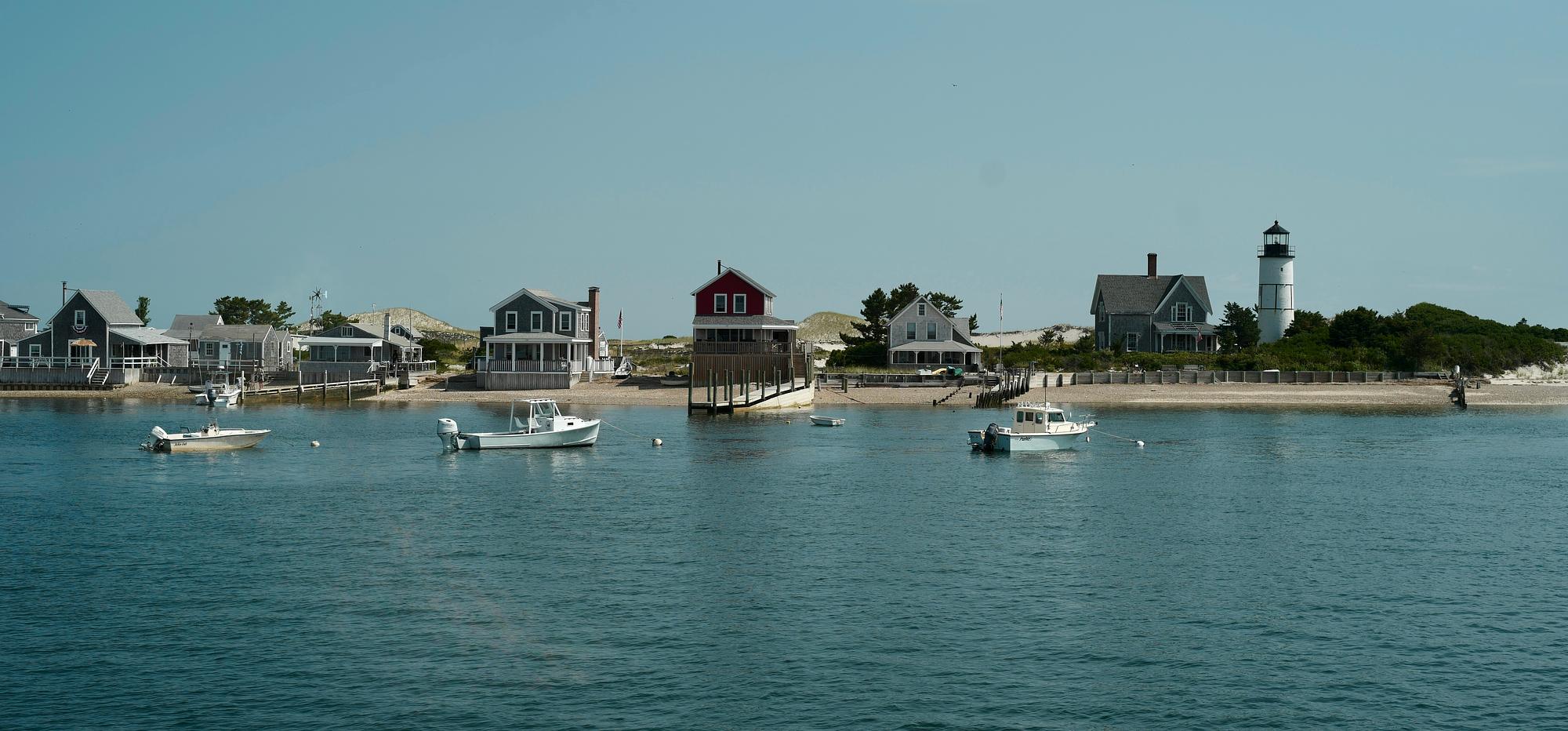
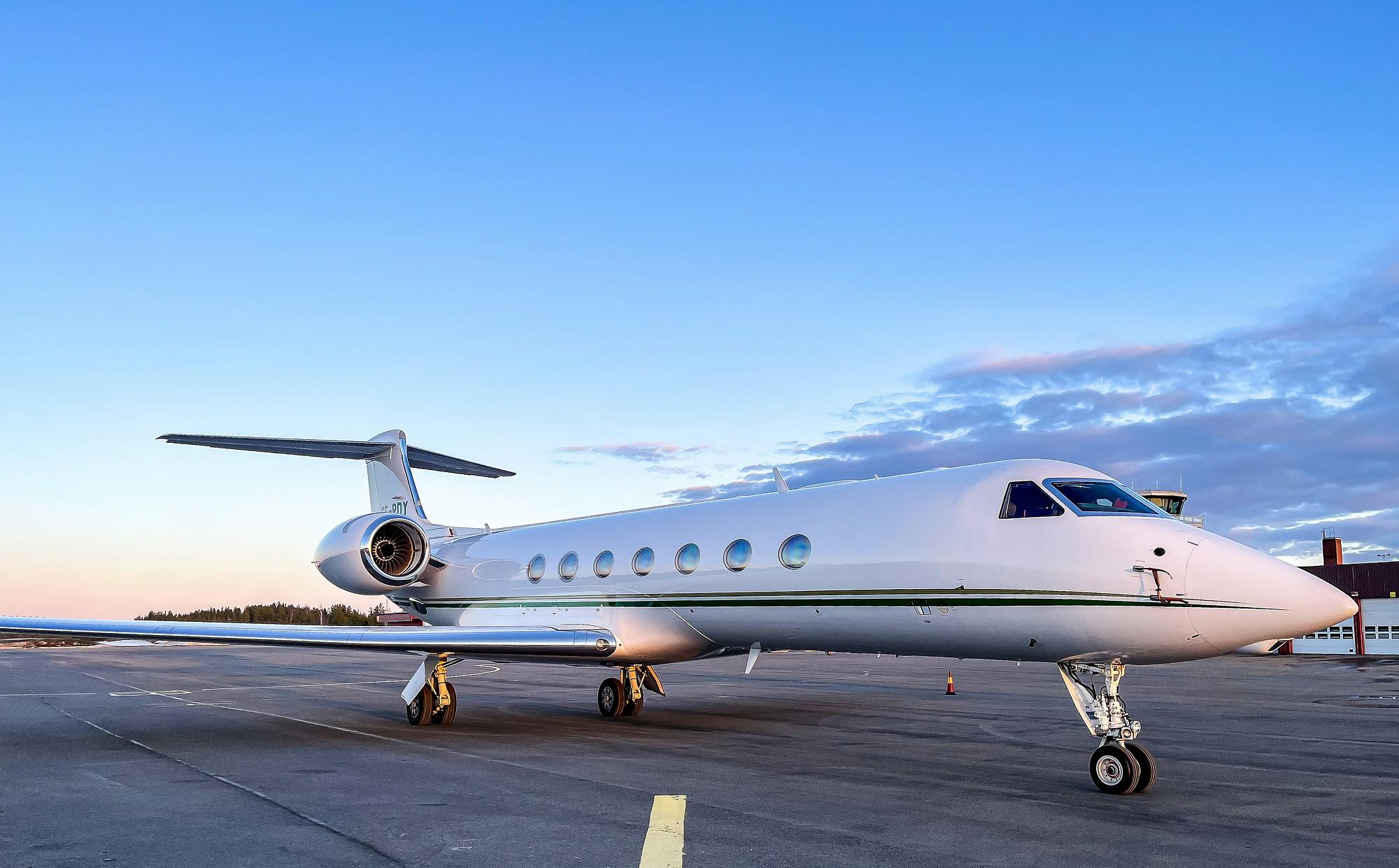
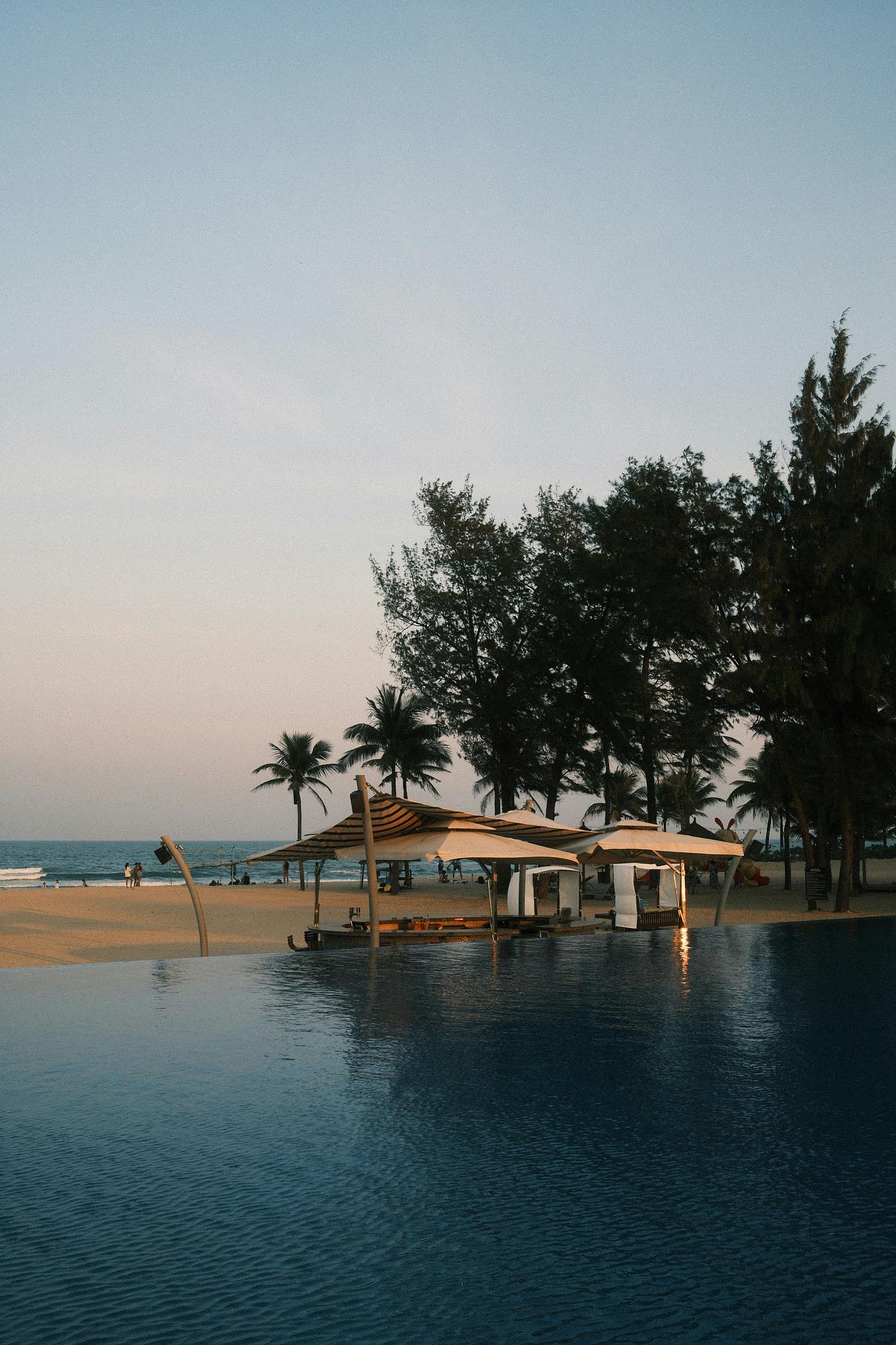
A private jet to Nantucket, Martha’s Vineyard, or the Hamptons puts you on the sand within 30–60 minutes of departure from New York or Boston. Nantucket Memorial Airport (KACK) and Martha’s Vineyard Airport (KMVY) serve the islands directly; in the Hamptons, most private flights land at East Hampton Town Airport (KJPX, formerly HTO), with larger jets using Francis S. Gabreski Airport (KFOK) in Westhampton Beach. These three destinations share the Atlantic seaboard’s best beaches, the Northeast’s most discerning seasonal communities, and runways built for turboprops and light jets.
Why Fly Private to the Northeast Coast in Early Fall
Nantucket, Martha’s Vineyard, and the Hamptons stay uncrowded because they are hard to reach casually. That limited access is exactly why these places hold their character. In early fall, the payoff grows. The summer crowds have gone, the ocean still runs warm, and the light turns golden by late afternoon. Locals and regulars often call September the secret season.
The appeal of early fall carries across all three destinations. Water stays warm into September, the afternoon light turns long and golden, and the dinner reservations that filled all summer open again. Prices ease from their peak, while the beaches, shops, and tasting rooms stay in full swing. For travelers who prize quiet over spectacle, this is the window they wait for.
Commercial routes are limited, often routed through congested hubs. Ferries fill up weeks in advance. The drive from Manhattan to Montauk can stretch past four hours on a Friday in season. Private aviation clears those constraints while keeping the exclusivity intact. You depart on your schedule, land at a field minutes from your destination, and arrive before the weekend traffic has cleared the tunnel.
For Private Clients who move between homes, boats, and events across these destinations, a Jet Card makes repeat travel predictable. For those testing the waters with a single trip, On-Demand Charter offers the same access without a long-term commitment.
Private Jet to Nantucket: An Island Built on Understatement
Nantucket favors travelers who value understatement. The island’s cobblestone streets, gray-shingled cottages, and protected shoreline have changed little in decades. There are no chain hotels, no billboards, and no high-rises. What remains is a community that prizes preservation, discretion, and the Atlantic wind.
September days begin with fog lifting over Brant Point and end with oysters at a harbor-side raw bar. The beaches empty further once the summer fleet thins. Mid-month brings the Nantucket Island Fair, with its farm stand, barnyard, and baking competitions. The Sustainable Nantucket Farmers and Artisans Market runs Saturdays into October, drawing more than 80 island growers and makers. On September 19, the Land Bank Cross Island Hike traces a route from Quidnet to Madaket Harbor. These draw a particular kind of guest, one who values substance over spectacle. Scalloping season opens October 1, a fall draw on the horizon just weeks after Labor Day.
In early fall, Nantucket settles into an unhurried rhythm. Harbor-side inns near Straight Wharf keep their tables easy to reserve, and the town’s kitchens turn toward the season. You might start with oysters at a downtown raw bar, then walk the cobblestone lanes as the evening light softens. Farm-to-table dinners draw on the late harvest, and the wine lists lengthen for autumn. Days stay warm enough for the beach, yet the sand belongs to a handful of walkers rather than a crowd.
Flying private to Nantucket means landing at Nantucket Memorial Airport (KACK), a single-runway field roughly three miles from downtown. The airport handles turboprops and light jets with ease. Flight time from New York is approximately 50–60 minutes; from Boston, closer to 30 minutes.
Insider knowledge: early-fall sea fog can occasionally close KACK on short notice. When it does, Hyannis (HYA) on Cape Cod serves as the nearest alternative, with ferry or helicopter connections to the island. Your Private Aviation Advisor will monitor conditions and adjust your itinerary before you leave for the airport.
Private Jet to Martha’s Vineyard: An Island of Quiet Variety
Martha’s Vineyard is larger and more varied than its neighbor to the east. The island divides into distinct villages, each with its own rhythm. Edgartown offers colonial architecture, white-tablecloth dining, and a harbor full of sailboats. Oak Bluffs is looser and more colorful, famous for its gingerbread cottages. Up-island, Chilmark and Aquinnah feel almost rural, with rolling farmland, clay cliffs, and beaches that empty by late afternoon.
September suits the island’s quieter character. The Martha’s Vineyard International Film Festival runs September 8–13, 2026, with filmmaker talks, showcases, and live music. Tivoli Day fills downtown Oak Bluffs on September 19–20, an old-fashioned street fair marking the turn toward autumn. The Striped Bass and Bluefish Derby runs September 13 through October 17, a five-week tournament and a New England fall classic. For families, the Vineyard provides room to spread out. For couples, it offers quiet beaches and farm-to-table dinners where the chef knows your name. The island has long attracted writers, artists, and political figures who value its relative anonymity.
September gives the Vineyard back to its regulars. In Edgartown, a harbor-view inn on North Water Street sits within a short walk of white-tablecloth dining and quiet morning coffee. Up-island, farm stands in Chilmark and West Tisbury stock the last of the summer produce alongside early autumn crops. Evenings cool enough for a sweater, and the reservations that vanished in August open again. Couples find empty beaches at Aquinnah, and families spread out across the island without competing for space.
Private jets land at Martha’s Vineyard Airport (KMVY), near Vineyard Haven and set between West Tisbury and Edgartown. The runway accommodates turboprops and light jets comfortably. Flight time from New York runs 50–60 minutes; from Boston, approximately 25–35 minutes.
Private Jet to the Hamptons: The Shortest Distance Between the City and the Shore
The Hamptons sit close to New York yet feel a world apart. East Hampton’s hedgerows conceal estates that have hosted generations of American artists, financiers, and tastemakers. Southampton’s Main Street feels like a New England village transplanted to Long Island. Montauk, at the island’s eastern tip, keeps a rougher edge, with surfers, fishing boats, and a lighthouse that has stood since 1796.
After Labor Day, the Hamptons enter their secret season. The Hampton Classic wraps over Labor Day weekend, the season’s signature equestrian finale. The ocean reaches its warmest of the year, usually the upper 60s to low 70s. Crowds thin, the restaurants and shops stay open, and the East End’s vineyards move into harvest from mid-September through October. Lunch at Sant Ambroeus is easier to book, and the beach still feels like an extension of the living room.
After the summer rush, the East End slows to a pace that rewards lingering. Southampton’s farm stands and the East End tasting rooms fill with the harvest, and dinner reservations in East Hampton come without a wait. You can take a long morning on an empty ocean beach, then drive to a vineyard for an afternoon among the vines. Inns and cottages that stayed booked all summer reopen to weekend guests. The light lengthens, the air turns crisp by evening, and the shore feels private again.
Most private flights to the Hamptons land at East Hampton Town Airport (KJPX, formerly HTO), a single-runway facility minutes from the village center. The airport suits turboprops and light jets. Larger aircraft, including midsize and super-midsize jets, use Francis S. Gabreski Airport (KFOK) in Westhampton Beach, roughly 20 minutes west. Flight time from Teterboro or Westchester is approximately 20–35 minutes.
Island-Hopping the Northeast in Early Fall
Many Private Clients treat Nantucket, Martha’s Vineyard, and the Hamptons as one early-fall circuit rather than three separate trips. A long weekend might open with a morning on Nantucket, move to the Vineyard for a Derby afternoon, and close in East Hampton for a harvest dinner. The short distances make it practical. Each hop runs well under an hour in the air.
The shoulder season makes a multi-leg itinerary easier to arrange. Ramp space at KACK, KMVY, and KJPX loosens midweek once the summer fleet thins. Aircraft positioning and parking come with fewer constraints than a peak-summer Friday. Departure slots open, and ground handlers move faster.
A turboprop suits this kind of trip especially well. The Pilatus PC-12 and the King Air series handle each island’s runway, carry the luggage for a multi-stop weekend, and reposition quickly between fields. Your Private Aviation Advisor coordinates the full sequence: the routing, the FBO arrangements at each stop, ground transportation, and catering timed to your plans. You keep one point of contact across every leg.
Early-fall weather rewards a little flexibility, and a multi-leg plan builds it in. Sea fog can settle over the islands on short notice, most often in the morning. When KACK closes, Hyannis on Cape Cod serves as the nearest alternative. Your Advisor can reorder the legs so the trip keeps moving, and a turboprop’s wider range of suitable airports opens further options.
Choosing the Right Aircraft for Short Northeast Hops
Flights from New York or Boston to the islands are short, often under an hour in the air. That brevity shapes aircraft selection more than range or speed. What matters here is runway compatibility, baggage capacity, and cabin comfort for a brief but frequent mission.
Turboprops: The Island Specialist
The Pilatus PC-12 is the benchmark for short-haul island flying in the Northeast. It handles shorter runways with ease, carries generous baggage, and moves a family of four or five with golf clubs, luggage, and a dog without compromise. For Private Clients who island-hop between Nantucket, the Vineyard, and the Cape, the PC-12 offers flexibility that jets cannot match. The King Air 90 and King Air B200 serve similar missions well.
Light Jets: Speed and Polish
For travelers who prefer jet travel even on short legs, the Embraer Phenom 300 suits Eastern Seaboard hops. It carries up to six passengers with ample baggage space, a strong choice for families, foursomes heading to Shinnecock, or pet-friendly travel. The Citation CJ series serves two to four passengers comfortably on these routes.
On a short leg, the choice between a turboprop and a light jet often comes down to preference. Both cover these routes in well under an hour. A light jet offers a quieter cabin and a stand-up feel that some travelers favor, while a turboprop reaches the shortest island runways with room to spare. Your choice can shift from trip to trip, and your Advisor keeps the options open.
Party size, baggage, and the specific runways on your itinerary drive the recommendation. A foursome carrying golf clubs to Shinnecock has different needs than a couple traveling with a dog to Nantucket for the weekend. Shorter island runways favor the turboprop specialists, while travelers who want a jet cabin on a nonstop Eastern Seaboard hop lean toward the Phenom 300 or a Citation CJ. Baggage volume matters as much as seat count on these routes, since golf bags, luggage, and pet crates fill a cabin quickly.
Your Private Aviation Advisor can recommend the aircraft that best fits your party size, luggage requirements, and the specific airports on your itinerary.
Booking Early-Fall Travel: After Labor Day, Before the Season Closes
Early fall is the East End’s shoulder season. From September into October, availability comes easier than on peak summer Fridays. Even so, the best aircraft and departure slots still go early for foliage weekends, the Derby, and Labor Day-adjacent trips.
Ramp space at KACK, KMVY, and KJPX still tightens on foliage weekends and holiday-adjacent dates. Fixed-base operators (FBOs) fill their parking grids in advance. Aircraft availability across the Magellan Jets Preferred Network remains strong, though positioning options narrow as popular weekends fill.
For Private Clients planning regular travel, booking early secures preferred departure times, optimal aircraft, and room to adjust plans. A Jet Card locks in access and rates ahead of demand.
Jet Card holders traveling short routes like Boston to Nantucket benefit from the short-leg waiver, a program feature that adjusts the hourly minimum for flights under a certain distance. A Client flying Boston to Nantucket can save up to $10,000 on a single trip through the short-leg waiver. For travelers who fly these routes repeatedly from September into October, the savings compound quickly.
Ground details matter as much as the flight in shoulder season. Car service, FBO handling, and catering stay easier to arrange once the summer peak passes, though popular foliage weekends still book up. Your Advisor confirms each arrangement in advance, from the transfer waiting on the ramp to the table held for dinner. The result is a trip that unfolds on your schedule.
For those planning a single trip or exploring private aviation for the first time, On-Demand Charter provides the same aircraft quality and service without a card commitment. Your Advisor will coordinate ground transportation, catering, and any special requests for your journey.
Frequently Asked Questions About Flying Private to the Northeast (FAQs):
Where do private jets land in the Hamptons?
Most private jets land at East Hampton Town Airport (KJPX, formerly HTO), located minutes from the village. Larger aircraft, including midsize and super-midsize jets, typically use Francis S. Gabreski Airport (KFOK) in Westhampton Beach, approximately 20 minutes west of East Hampton.
How long is a private flight from New York to Nantucket?
A private flight from the New York area to Nantucket takes approximately 50–60 minutes, depending on departure airport and weather conditions. Flights from Teterboro or Westchester are typical departure points for this route.
Can you fly private to Martha’s Vineyard?
Yes. Martha’s Vineyard Airport (KMVY) accepts private aircraft, including turboprops and light jets. The airport sits near Vineyard Haven, centrally positioned for access to all island villages. Flight time from New York is approximately 50–60 minutes; from Boston, 25–35 minutes.
How much does it cost to charter a private jet to Nantucket?
Charter pricing depends on aircraft type, departure city, and trip-specific factors. Final pricing is confirmed at time of quote.
When should I book a private jet for early-fall travel in the Northeast?
Book ahead for foliage weekends, the Martha’s Vineyard Derby, and holiday-adjacent dates. Early fall is easier than peak summer, but preferred aircraft and departure slots still fill as the calendar develops. Private Clients with Jet Cards benefit from guaranteed availability and rate protection when they book ahead.
What size jet is best for flying to Nantucket, Martha’s Vineyard, or the Hamptons?
For short island hops, turboprops like the Pilatus PC-12 and King Air series are ideal. They handle shorter runways, carry ample baggage, and accommodate families comfortably. For travelers who prefer jet travel, light jets such as the Embraer Phenom 300 or Citation CJ series serve these routes well, offering speed and cabin comfort for up to six passengers.
Can I visit Nantucket, Martha’s Vineyard, and the Hamptons in one trip?
Yes. The three destinations sit within short hops of one another, and many Private Clients string them into a single early-fall itinerary. A turboprop such as the Pilatus PC-12 moves easily between the islands and the East End. Your Private Aviation Advisor coordinates each leg, the ground transportation, and the timing.
Is early fall a good time to visit Nantucket and Martha’s Vineyard?
Yes. Locals and regulars often cite September as a preferred time to visit. The summer crowds thin after Labor Day, the restaurants and shops stay open, and rental costs ease from their peak. Days stay warm, and the beaches turn quiet.
What is the weather like on the Northeast islands in September?
September is mild, with warm days and cooler evenings. The Atlantic reaches its warmest of the year in early September, usually the upper 60s to low 70s Fahrenheit. Early-fall sea fog is possible, especially in the mornings, and it can occasionally affect island flights.
Your Early Fall Starts With a Single Call
The Northeast’s coastal destinations are best discovered on your own terms. Whether you are closing out the season, joining friends for a foliage weekend, following the Derby, or attending an event that cannot wait, private aviation ensures you arrive when you intend to, not when the ferry schedule or traffic allows.
Magellan Jets has flown Private Clients to these destinations for nearly two decades. Our Advisors know the airports, the timing, and the details that make early-fall travel feel effortless. If you are considering a private jet to Nantucket, Martha’s Vineyard, or the Hamptons this September, we are ready to build your itinerary.
The U.S. Open is the loudest, most electric fortnight in tennis, and the way you arrive sets the tone for everything that follows. To fly private to the U.S. Open, you charter a jet into one of the general aviation airports serving New York City, then transfer by car or helicopter to the USTA Billie Jean King National Tennis Center in Flushing Meadows, Queens. Teterboro, Westchester County, and Republic Airport are the three private-jet gateways closest to Arthur Ashe Stadium. The rest of this guide covers the 2026 schedule, the airports, the right aircraft, the cost, and how far ahead to reserve.
Private travel turns a demanding day into part of the occasion. You set the schedule, arrive minutes before your car, and land close enough to reach your seats without the airport crush that defines late-August travel into New York. The match becomes the only thing you have to think about.
The 2026 U.S. Open: What To Know
This is the last Grand Slam of the season, the one where a New York summer peaks under the lights of Arthur Ashe Stadium. The 2026 tournament is the 146th edition, and at 22 days it is the longest in the event’s history. The energy of Flushing Meadows in early September is unlike anything else on the tennis calendar.
The U.S. Open runs August 23 through September 13, 2026, at the USTA Billie Jean King National Tennis Center in Flushing Meadows-Corona Park, Queens. Fan Week opens the gates August 23 through 29, with qualifying matches, the reimagined Mixed Doubles Championship, and Arthur Ashe Kids’ Day. Singles main-draw play begins Sunday, August 30, now in its second year of the 15-day format.
The finals close the fortnight in prime time. The women’s singles final is set for September 12 and the men’s singles final for September 13. Carlos Alcaraz returns as the defending men’s champion, and Aryna Sabalenka defends the women’s title she held in 2024 and 2025.
Timing shapes the experience as much as the tennis. The first week belongs to day-session crowds and the outer courts, where you can watch rising talent up close. The second week narrows to headline night matches under the roof, and demand for both seats and aircraft climbs accordingly.
Arthur Ashe Stadium remains the largest tennis stadium in the world, seating 23,771 under a retractable roof. 2026 marks the first phase of a roughly $800M transformation of the venue, adding about 2,000 courtside seats. If courtside is the goal, the earlier you plan the whole trip, the better your seat and your flight.
Best Airports For Private Jets Near Flushing Meadows
One of the quiet luxuries of private aviation is choice. Commercial travelers funnel through two crowded hubs, while you can select from several dedicated general aviation airports that ring New York City. Each offers a different balance of drive time and calm on the ground, and the right one depends on where your seats are and where you begin.
Teterboro (KTEB)
Teterboro in New Jersey is the premier general aviation airport for New York City, and the one most private flyers choose. It sits roughly 45 to 60 minutes from Flushing Meadows by car, depending on traffic. A helicopter transfer trims that to about 12 minutes and skips the bridges entirely.
Westchester County (KHPN)
Westchester County Airport lies about 45 minutes north of the tennis center and tends to be less congested than the New Jersey gateways. It is a comfortable choice for Clients arriving from Connecticut, Boston, or the northern suburbs. The calmer ramp makes for an easy start and an easier return.
Republic (KFRG)
Republic Airport in Farmingdale, Long Island, is the closest general aviation option east of Queens, roughly 35 to 45 minutes from Arthur Ashe Stadium. For anyone weighing the closest airport to Flushing Meadows, Republic is the strongest answer among dedicated private-jet fields. It is especially convenient for Clients staying out on Long Island.
LaGuardia And JFK
LaGuardia sits closest of all, about 10 to 15 minutes from the courts, yet strict slot rules and limited private handling make it impractical for most private lift. JFK accepts private jets but gives priority to commercial traffic and carries slot restrictions of its own. In practice, Teterboro, Westchester, and Republic serve U.S. Open travelers far better than either commercial hub.
Ground Transfers From The Tarmac To Arthur Ashe
The last few miles matter as much as the flight. Your Private Aviation Advisor and Client Experience team arrange ground transportation before you land, so a car is waiting at the aircraft steps when you arrive. Nothing about match day is left to chance.
From Teterboro, a chauffeured car reaches Flushing Meadows in about 45 to 60 minutes, and a helicopter transfer covers it in roughly 12 minutes above the traffic. From Westchester or Republic, expect a 35- to 45-minute drive. Every detail, from catering to the return pickup, is coordinated around your schedule rather than the airport’s.
The helicopter option is worth weighing for the final weekend, when bridge and tunnel traffic peaks. Lifting off from the ramp at Teterboro and setting down near the tennis center keeps the day unhurried, and your Client Experience team can hold the return leg until the last point is played.
Choosing The Right Aircraft For Your U.S. Open Journey
The right aircraft depends on where you start, how many are traveling, and what you are bringing. A weekend for two from Boston calls for something different than a transatlantic party of 10 for the men’s final. Matching the cabin to the mission is where a Private Aviation Advisor earns their keep.
For short hops from Boston or Washington, a Light Jet such as the Phenom 300 carries up to six passengers nonstop along the Eastern Seaboard, with room for golf clubs or a dog.
Midsize jets add cabin room and range. The Citation Latitude and Longitude seat seven to nine passengers with a flat floor, and the Citation XLS is a favorite for its baggage capacity. For a closer look at this class, our review of the Citation Sovereign walks through the midsize experience in detail.
Super-Midsize jets like the Challenger 350 and Praetor 600 handle coast-to-coast routes with ease, ideal for Clients flying in from California. Heavy Jets such as the Challenger 650 carry up to 10 passengers in a stand-up cabin, while the Gulfstream G550 and Gulfstream G650 fly London to New York nonstop for international guests. For the largest parties, airliner conversions such as the ACJ and BBJ extend that capacity further.
What It Costs To Fly Private To The U.S. Open
Pricing in private aviation is a function of aircraft category, flight time, and the specifics of your itinerary. Because New York sits in the Northeast market, the estimates below reflect that region’s hourly rates by category. They are a starting point for the conversation, not a firm quote.
Estimated hourly rates (Sell/Hr) for the Northeast, inclusive of fuel:
Light Jet: from an estimated $7,425/hr
Mid Jet: from an estimated $8,924/hr
Super-Midsize: from an estimated $9,366/hr
Heavy Jet: from an estimated $13,390/hr
Turboprop: from an estimated $5,338/hr
These are estimated hourly rates, inclusive of fuel. They exclude contingencies such as de-icing, positioning, overnight fees, catering, and ground transportation. Final pricing is confirmed at the time of quote. For a precise figure built around your route and dates, request a quote below.
Booking Timeline: How Far Ahead To Reserve
The U.S. Open draws private traffic from across the country and abroad, which tightens aircraft and airport availability across the fortnight. Reserving early is how you secure both the aircraft you want and the airport closest to your seats. Think of it as claiming the best view before the crowd arrives.
For most match days, four to eight weeks of lead time is comfortable. Two stretches draw the heaviest demand: the middle weekend around Labor Day on Monday, September 7, when the round of 16 fills the grounds, and the final week, which overlaps New York Fashion Week. For either, plan several months ahead. The earlier you engage your Private Aviation Advisor, the more options stay open.
The Magellan Jets Advantage
Magellan Jets is an asset-light private aviation solutions provider, which means it does not own or operate aircraft. It sources the right aircraft for each journey from the Magellan Jets Preferred Network, fewer than 100 rigorously vetted operators out of roughly 3,000 licensed in the U.S. Every recommendation is made in your interest, not to fill a fleet.
For an event this busy, that model has a concrete payoff. Jet Card Clients receive guaranteed availability with no blackout dates and no peak-day surcharges, even during the U.S. Open, Thanksgiving, and every summer Friday. When a journey falls outside a Jet Card’s profile, On-Demand Charter covers it through the same relationship.
The continuity matters too. A Client who charters for the U.S. Open one year and flies more often the next can move into a Jet Card through the same relationship, without starting over with a new provider. Your Private Aviation Advisor stays constant as your travel evolves.
Safety leads every decision. Magellan Jets is the sole private jet solutions provider represented on the Air Charter Safety Foundation (ACSF) Board, holds WYVERN Wingman Broker Certification, and works only with operators carrying $100M to $300M in liability insurance. You can review the full private jet safety program before you fly.
Frequently Asked Questions About Flying Private To The U.S. Open (FAQs):
What Is The Closest Airport To Arthur Ashe Stadium And Flushing Meadows?
LaGuardia is geographically closest, about 10 to 15 minutes away, but its slot rules and limited private handling make it impractical for private jets. Among dedicated general aviation airports, Republic Airport in Farmingdale is the closest at roughly 35 to 45 minutes, followed by Westchester County and Teterboro. Most private flyers choose Teterboro, Westchester, or Republic.
Can You Fly Private Into JFK Or LaGuardia For The U.S. Open?
Yes, both accept private jets, but neither is ideal. LaGuardia enforces strict slot rules and offers limited private handling, and JFK prioritizes commercial traffic with slot restrictions of its own. Teterboro, Westchester County, and Republic are more convenient, calmer gateways for the tournament.
How Far In Advance Should You Book A Private Jet To The U.S. Open?
For most match days, four to eight weeks of lead time is comfortable. For the finals weekend, which overlaps Labor Day and New York Fashion Week, reserve several months ahead. Booking early protects both your aircraft choice and access to the airport closest to your seats.
Which Airports Can Private Jets Use That Commercial Flights Cannot?
Private jets can operate from dedicated general aviation airports that scheduled airlines do not serve, including Teterboro in New Jersey and Republic in Farmingdale. These fields offer private terminals, faster ground handling, and closer parking to your waiting car. That access is a core reason to fly private to the U.S. Open rather than connect through a commercial hub.
Can The Return Flight Flex If A Match Runs Late?
Yes. A private itinerary is built around you, so a five-set thriller does not mean missing your flight. Your Private Aviation Advisor can adjust the departure time, and your Client Experience team keeps ground transportation in step with the change.
How Much Does It Cost To Fly Private To The U.S. Open?
Cost depends on aircraft category, flight time, and your itinerary. For the Northeast, estimated hourly rates start from about $7,425/hr for a Light Jet, $8,924/hr for a Mid Jet, $9,366/hr for a Super-Midsize, and $13,390/hr for a Heavy Jet, inclusive of fuel. These estimates exclude contingencies such as de-icing, positioning, and catering, and final pricing is confirmed at the time of quote.
Your Seat Is Waiting
The best U.S. Open memories start before the first serve, in the quiet of a cabin that leaves when you do and lands where the crowds do not. Choose your airport, your aircraft, and your schedule, and let the tournament come to you.
Europe is rewriting the paperwork that precedes a great trip, and the ETIAS travel authorization sits at the center of it. Planning a spring in Provence, a summer on the Amalfi Coast, or a working week between Zurich and Milan? This is the entry rule to understand before you fly. Here is the fastest answer for anyone traveling this year.
Is ETIAS Required Yet? The Short Answer
No. As of August 2026, the ETIAS travel authorization is not in effect, and you cannot apply for one. No traveler needs an ETIAS to enter Europe today. The European Union removed its earlier launch target in mid-July 2026, and the most likely start is now sometime in 2027. Until the system goes live, your current travel documents are all you need for short visits. The European Union has also committed to giving travelers several months of advance notice before the requirement begins. When ETIAS does launch, it will apply to visa-exempt visitors, including U.S. citizens, traveling to 30 European countries.
What Is the ETIAS Travel Authorization?
ETIAS stands for the European Travel Information and Authorization System. It is a pre-travel screening that visa-exempt visitors will complete online before entering most of Europe. The closest reference point for American travelers is the U.S. ESTA, the electronic authorization foreign visitors already use to enter the United States. The idea is familiar: register your details in advance, receive an approval linked to your passport, and carry that clearance with you when you travel.
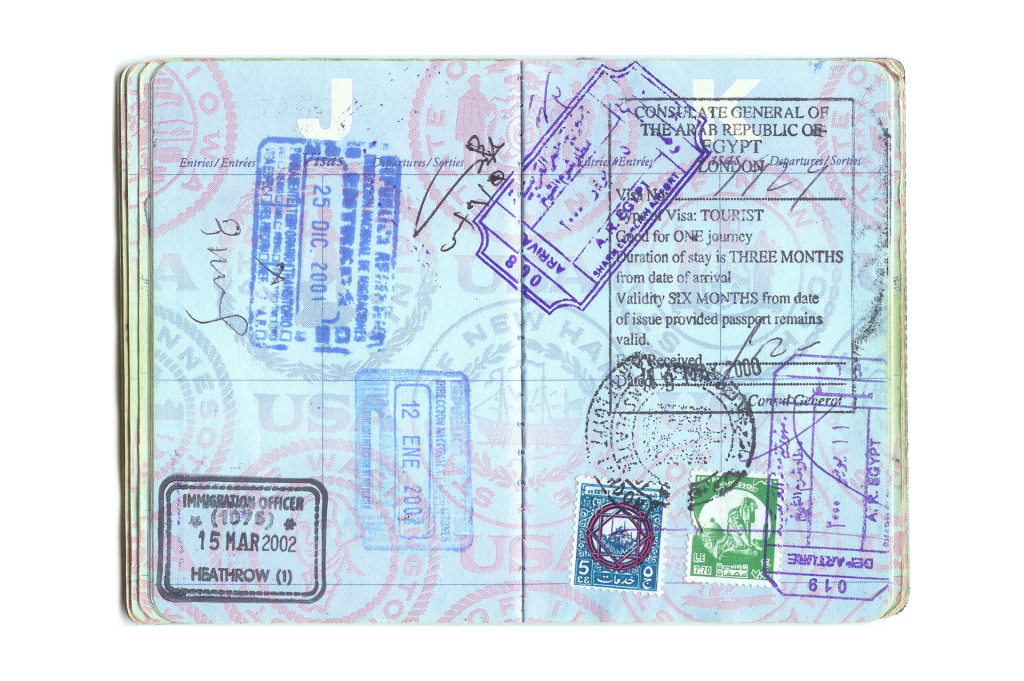
One point deserves emphasis. ETIAS is not a visa. It does not grant the right to work, study long term, or settle in Europe. This lightweight EU travel authorization targets short stays and keeps the visa-free arrangement that citizens of the United States and dozens of other countries already enjoy. According to the European Commission, ETIAS is intended to strengthen border security while keeping travel open for eligible visitors (European Commission, official ETIAS portal).
Your passport carries the authorization, which covers multiple trips during its validity once issued. You register once, then travel repeatedly within the rules. For the private flyer who crosses the Atlantic several times a year, that structure matters, and we return to it below.
When Does ETIAS Go Into Effect? The 2027 Start Date
The honest answer is that the exact ETIAS start date is not yet set. For much of the past year, the official guidance pointed to the last quarter of 2026. That target is gone. In mid-July 2026, the European Union removed the 2026 timeframe from its official ETIAS communications. Eu-LISA, the agency running the system, told the Financial Times that a 2026 launch is no longer feasible, and officials now widely expect a 2027 start.(Forbes).
A 2027 launch is now the most likely outcome. A revised timeline is expected after eu-LISA’s board meeting in September 2026, and the European Union has said it will give travelers several months of advance notice before the exact date. That notice window is the signal to watch. Once it appears, you will have ample time to register before your first post-launch trip.
This is not the first time the calendar has moved. ETIAS was first floated years ago, then repeatedly rescheduled as the European Union sequenced it behind the border infrastructure it depends on. A frequent traveler should read this pattern correctly: the direction has settled; only the date remains fluid. Rather than track every rumored quarter, watch for the official advance notice, and let your travel team confirm the specifics as they land.
Part of the delay traces back to a related system. The Entry/Exit System, or EES, saw queue and readiness issues during the summer of 2026 rollout, and those complications contributed to pushing ETIAS further out. The EU has chosen to stabilize one program before turning on the next. For travelers, the practical takeaway is simple: no application is possible right now, and there is nothing you need to do until the notice period opens.
Who Needs an ETIAS, and What Documents Are Required?
Once ETIAS is live, it will apply to travelers from roughly 60 visa-exempt countries, 59 nationalities in the current guidance, who visit Europe for short stays. That group includes U.S., Canadian, Australian, and British citizens, among many others. If you already travel to Europe without a visa, you are almost certainly in scope.
The requirement covers 30 European countries, which include the Schengen Area nations plus Cyprus. Do note two boundaries. The United Kingdom is not part of this system and runs its own authorization, covered below. Ireland is not in the Schengen Area and does not participate in ETIAS, so a trip to Dublin follows different rules than a trip to Paris.
To complete an application, you will need a valid passport, a payment method, and an email address. Your passport must be valid for at least three months beyond your intended departure from Europe. The application itself asks for standard identity details, contact information, and a few background questions. There is no biometric collection at this stage and no health information required.
A passport valid for at least three months beyond your planned stay.
A current email address, since your approval and reference number arrive electronically.
A credit or debit card to pay the application fee.
Your basic travel details, including your intended country of first entry.
EES vs. ETIAS: Two Systems, Two Jobs
Travelers often confuse ETIAS with the Entry/Exit System, and it helps to separate them cleanly. They are different tools that do different jobs at the border.
The Entry/Exit System is an automated border-control system that records non-EU travelers as they enter and exit. It replaces manual passport stamping with a digital record of your name, travel document, entry and exit dates, and biometric data such as fingerprints and a facial image. EES began a progressive rollout in October 2025 and has been fully operational since April 10, 2026. You do not pre-register for EES online; your record is created at the border on arrival.
ETIAS, by contrast, is something you obtain before you leave home. EES tracks your movements at the crossing. ETIAS pre-screens your eligibility to make the crossing in the first place. When both are running, you will hold an ETIAS travel authorization tied to your passport, and the EES will log each entry and exit against it. Together they modernize a border process that ran on ink stamps for decades.
How to Apply for ETIAS When It Launches
Applying will be quick, and the process is worth walking through now so it holds no surprises later. When the system opens, you will apply through the official European Union portal on the europa.eu domain. You complete a short online form, pay the fee, and submit.
Officials expect to approve most applications within minutes. Some take longer. If a reviewer flags your details for additional review, the decision can take up to 30 days,which is precisely why applying well ahead of departure is wise. For a traveler who values control over the calendar, registering early removes the only real timing risk in the process.
A word of caution that applies the day the portal opens. Unofficial websites already market themselves around European entry rules, often charging inflated fees for a service the government provides directly. Apply only through the official europa.eu portal. If a site adds a markup or asks for information the official form does not, treat it as a red flag and step away.
How Much Does the ETIAS Travel Authorization Cost?
The ETIAS fee is 20 euros for each adult applicant aged 18–70. Applicants under 18 or over 70 pay no fee, though they must still complete an application and hold a valid authorization to travel. For a family, that means everyone registers, and only the qualifying adults are charged.
The fee is modest by any measure, and it buys a multi-year clearance rather than a single-trip permit. For travelers who cross into Europe more than once during the validity period, the cost per journey becomes almost incidental. You will make a payment at the time of application through the official portal, and your approval and reference number arrive by email. Keep that reference number on hand, since it identifies your authorization if a question ever arises at the border.
Validity, Renewal, and the 90/180 Rule
An approved ETIAS travel authorization is valid for three years, or until your passport expires, whichever comes first. If you renew your passport, you apply for a new ETIAS, since the authorization links to that specific document. Keep the two aligned and you avoid the most common renewal misstep.
Validity does not mean unlimited time on the ground. ETIAS operates within the Schengen short-stay limit, the 90/180 rule. You may spend up to 90 days in any 180-day period across the participating countries. The clock counts days across the whole zone, not per country, so time in Italy, France, and Spain draws from the same allowance. Travelers who want to stay longer, work, or study for a full term need the appropriate national visa instead.
One more distinction protects you at the gate. An ETIAS travel authorization permits you to travel to a European border and request entry. It does not guarantee admission. The border officer makes the final decision on entry, exactly as officers do under visa-free travel today. Carrying a valid authorization, a passport with adequate validity, and clear travel details is how you make that conversation a formality.
How the ETIAS Travel Authorization Affects Private Jet Travel
Flying privately changes almost everything about the airport, and very little about the rules of entry. That distinction is worth stating plainly. Private aviation removes the terminal crowds, the security lines, and the schedule dictated by someone else. It does not exempt you from a country’s entry requirements. When ETIAS is live, every eligible passenger on your aircraft will need a valid authorization, just as they would flying commercially.
The difference shows up in how that requirement fits into your day. Arriving through a private terminal, or fixed-base operator, means immigration and customs are handled with discretion and pace rather than in a queue. The authorization becomes one more detail confirmed before wheels-up, not a line you stand in. For Private Clients who fly to Europe several times a year, the three-year validity means a single registration quietly covers a long run of journeys.
This is where a private aviation partner earns its place. At Magellan Jets, your dedicated Private Aviation Advisor and Client Experience team keep the details of each journey in view, from ground transportation to catering to the entry requirements at your destination. When European rules shift, as they are shifting now, you hear about it from a team that is already tracking the timeline. Our On-Demand Charter solution is built for exactly this kind of travel, where the destination changes often and the standard of service does not.
Magellan Jets operates on an asset-light model, sourcing each aircraft from the Magellan Jets Preferred Network, an exclusive group of fewer than 100 rigorously vetted operators. That structure means every recommendation serves the mission in front of you rather than a fleet-utilization target. The result is a journey planned around you, with the paperwork handled long before you reach the ramp.
Common ETIAS Mistakes to Avoid
Most ETIAS problems are avoidable with a little foresight. These are the ones worth guarding against as the system approaches.
Waiting until the last minute. Approval is usually quick, but flagged applications can take up to 30 days, so register well before departure.
Using an unofficial website. Apply only through the official europa.eu portal to avoid inflated fees and data-collection risks.
Letting your passport and ETIAS fall out of sync. A new passport requires a new authorization, since the two are linked.
Assuming approval guarantees entry. The border officer still makes the final call, so travel with complete documents.
Overlooking the United Kingdom and Ireland. Each follows separate rules, so a multi-country itinerary may need more than an ETIAS.
Forgetting children and seniors. Applicants under 18 and over 70 travel free of the fee, yet they still need their own authorization.
A Note on the United Kingdom and Ireland
If your European itinerary includes London or Edinburgh, plan for a separate step. The United Kingdom runs its own electronic travel authorization, the UK ETA, which is distinct from ETIAS. It costs 20 pounds, remains valid for two years or until your passport expires, and permits short visits. A trip that pairs Paris with London will eventually call for both authorizations, so budget the time and the small fees for each.
Ireland sits outside the Schengen Area and outside ETIAS. American travelers currently need neither a visa nor an electronic authorization for short visits to Ireland, though it is always worth confirming the latest requirements before you fly. Time spent in Ireland also does not count against your Schengen 90-day allowance, which can work in your favor on a longer European itinerary. Cyprus, by contrast, is covered by ETIAS even though it is not yet a full Schengen member.
Frequently Asked Questions About ETIAS Travel Authorization (FAQs):
Has ETIAS launched yet? Is it required now?
No. As of August 2026, ETIAS is not in effect and no application is possible. No traveler needs an ETIAS to enter Europe today, and current documents are sufficient for short visits.
What date will ETIAS start?
The exact start date is not set. The European Union removed its 2026 target in mid-July 2026, and a 2027 launch is now most likely. A revised timeline is expected after eu-LISA’s September 2026 board meeting, with several months of advance notice before the requirement begins (Travel Market Report).
Do Americans need ETIAS in 2026?
No. Throughout 2026, U.S. citizens can travel to Europe for short stays without ETIAS. Once the system launches, expected in 2027, Americans will register online before traveling to the 30 participating countries.
Can you travel to Europe without ETIAS?
Right now, yes. Until ETIAS is in effect, eligible travelers enter Europe under the existing visa-free rules. Once it launches, a valid ETIAS travel authorization will be required for entry to the participating countries.
Do I need ETIAS if I already have a Schengen visa?
No. ETIAS is for visa-exempt travelers. If you hold a valid Schengen visa, you travel on that visa and do not need a separate ETIAS authorization.
How is ETIAS different from a Schengen visa, an ESTA, or an e-visa?
ETIAS is a travel authorization, not a visa, and it works much like the U.S. ESTA: a quick online pre-screening linked to your passport. A Schengen visa is a full visa required of travelers who are not visa-exempt. An e-visa is an electronic visa issued by other countries under their own systems.
Will private jet passengers need ETIAS?
Yes. Flying privately does not change a country’s entry requirements. When ETIAS is in effect, every eligible passenger on a private aircraft will need a valid authorization, exactly as they would on a commercial flight. The advantage of private travel is how efficiently that requirement is handled around your schedule, not an exemption from it.
Can you pre-register for EES?
No. The Entry/Exit System is not something you apply for in advance. Your record is created automatically at the border when you enter, using your passport and biometric data. EES has been fully operational since April 10, 2026.
How long does ETIAS approval take?
Most applications are expected to be approved within minutes. If your application is flagged for additional review, a decision can take up to 30 days, so apply well before you travel.
How long is an ETIAS valid?
An approved ETIAS is valid for three years, or until your passport expires, whichever comes first. A new passport requires a new authorization.
Planning Your Next Journey to Europe
Europe is not becoming harder to reach. It is becoming better organized, and the travelers who understand the new rhythm will move through it with the least friction. The ETIAS travel authorization is a short online step that, once complete, quietly clears the way for three years of journeys. Watch for the official advance notice, register early when it opens, and keep your passport and authorization in step.
The finest trips are the ones where the logistics disappear and only the experience remains. That is the standard a private aviation partner should hold, from the first planning call to the moment you step onto the ramp. When you are ready to map your next European journey around your schedule rather than an airline’s, we are ready to help.
Yes, you can plan last-minute summer vacations by private jet with the right partner. Jet Card holders receive priority access during peak season. A Private Aviation Advisor works with Clients to secure aircraft and airports within hours, if necessary.
This guide shows where to go and how to book, one confident decision at a time.
How Last-Minute Private Jet Travel Works in Summer
Short-notice travel is one of private aviation’s most appreciated privileges. Peak summer belongs to travelers who hold the right access. Commercial airlines cannot offer this kind of freedom.
Booking windows can be remarkably short. Many journeys come together within 24–48 hours. Some depart the same day.
The Jet Card program rewards this kind of spontaneity. Card holders benefit from fixed hourly rates and don’t have to worry about demand surging due to limited aircraft availability, or about securing an aircraft at all.
On-Demand Charter opens the same freedom for trip-by-trip travelers. You book each journey as inspiration strikes. Both routes give you insider standing during the busiest weeks.
Private terminals make the experience feel effortless. You arrive minutes before departure at a private FBO, a fixed-base operator reserved for private travelers. There are no long lines and no crowded gates.
Airport reach is a key advantage. Private aircraft serve thousands of airports commercial airlines never touch. That places you closer to the destination itself.
Aircraft positioning and crew scheduling happen behind the scenes. Your Advisor coordinates both so your timeline holds. The details stay with us, and the ease stays with you.
Certain summer weeks draw exceptional demand. The Fourth of July, Labor Day weekend, and festival weekends fill quickly. Priority access is what keeps these dates open to you.
The Jet Card also removes the friction of repeated negotiation. Your rate and terms are set well in advance. Each summer trip begins from a position of certainty.
Magellan Jets guarantees availability 365 days a year. There are no blackout dates, even on the busiest summer weekends. Your access holds when demand peaks.
Short-notice travel is not about compromise. It is about readiness. The infrastructure exists to move the moment you decide.
Weather, timing, and preference can all shift at the last moment. Private travel absorbs those changes with ease. You adjust, and the journey adjusts with you.
Several things make short-notice booking possible:
Priority access for Jet Card holders during peak-season demand
A dedicated Private Aviation Advisor who sources aircraft within hours
The Magellan Jets Preferred Network of rigorously vetted operators
Private terminals that shorten your time on the ground
Airport flexibility that places you nearer your final destination
Choosing between programs deserves a closer look. Our Jet Card vs Charter guide compares both paths in detail. Your Private Aviation Advisor helps you decide with confidence.
Newport, Rhode Island
Newport wears its Gilded Age history in plain view. Grand mansions line Bellevue Avenue above the Atlantic. Marble halls recall an era of American extravagance.
The Cliff Walk traces the shoreline for three and a half miles. Ocean breaks on one side, mansion lawns on the other. Few coastal walks in the country rival it.
Sailing defines Newport’s summer identity. The harbor fills with racing yachts and classic wooden hulls, while regattas draw crews and spectators from around the world.
Harborside dining rewards a long summer evening. Fresh oysters and local catch anchor most menus. Tables near the water fill quickly in July and August.
Newport rewards travelers who can decide on short notice. A spontaneous weekend lets you claim the season at its peak. The finest tables and moorings favor those who move quickly.
Newport State Airport sits minutes from the harbor and the mansions. Nearby Rhode Island T. F. Green also serves the area. You could walk the Cliff Walk within hours of deciding to go.
A Light Jet here starts from an estimated $8,096 per hour. A Super-Midsize runs from an estimated $8,953 per hour. Every hourly estimate in this guide is inclusive of fuel. Each excludes de-icing, positioning, catering, and other trip-specific costs. A Private Aviation Advisor confirms final pricing at quote.
Charleston, South Carolina
Charleston moves at the pace of its cobblestone streets. Pastel row houses line the historic district downtown. Church steeples still define the skyline.
Antebellum architecture gives the city its distinctive character. Wrought-iron gates open onto hidden garden courtyards. Every block rewards an unhurried walk.
Lowcountry cuisine is reason enough to visit. Shrimp and grits, she-crab soup, and fresh oysters fill the menus. Chefs draw on Gullah traditions and coastal ingredients.
Barrier islands sit a short drive from downtown. Kiawah offers wide beaches and quiet resorts and Sullivan’s Island rewards a slower, less-crowded afternoon.
Charleston rewards spontaneity in the summer months. A last-minute departure lets you arrive before the weekend crowds. The best tables and rooms favor travelers who move early.
Charleston Executive Airport sits just west of the historic peninsula. You could stroll the cobblestones within hours of deciding to go. That proximity makes a short-notice Southern escape genuinely simple.
A Light Jet here starts from an estimated $7,290 per hour. A Super-Midsize runs from an estimated $9,638 per hour. Both figures are estimates that exclude trip-specific contingencies. Your Advisor confirms the final quote.
Sun Valley, Idaho
Sun Valley is a summer resort long before it is a winter one. Visitors enjoy alpine air and open meadows. The pace slows the moment you arrive.
Bald Mountain rises above the valley floor. Hiking trails climb through wildflowers and pine. The summit rewards an early start with long mountain views.
Fly-fishing draws anglers to the Big Wood River. Guides know where the trout hold through summer. A quiet morning on the water sets the tone for the day.
The arts shape Sun Valley’s cultural summer. The Sun Valley Music Festival fills evenings with live performance. Galleries and open-air concerts round out the calendar.
Sun Valley rewards those who can leave on short notice. A spontaneous departure lets you trade city heat for mountain cool. The finest lodges favor travelers who decide quickly.
Friedman Memorial Airport in Hailey sits minutes from the resort. You could stand on a mountain trail within hours of deciding to go. That access makes a last-minute alpine escape genuinely simple.
A Midsize here starts from an estimated $9,557 per hour. A Super-Midsize runs from an estimated $9,844 per hour. Both figures are estimates that exclude trip-specific contingencies. Your Advisor confirms the final quote.
Lake Tahoe, California
Lake Tahoe holds some of the clearest water in the country. The alpine lake sits high in the Sierra Nevada. Pine forest rings the shoreline on every side.
Summer days invite time on the water. Boating and paddleboarding fill the calm mornings. The lake stays cool even at the height of July.
Pine-forest trails climb from the shore into the mountains. Day hikes reward you with views across the water. Evenings cool quickly at altitude.
Lakeside lodges pair rustic character with genuine luxury. Many sit directly on the water. The best rooms book early through the summer.
Tahoe rewards travelers who can move on short notice. A spontaneous weekend lets you claim the lake at its finest. Our Magellan Jets Journeys collection turns that fast decision into a considered trip.
Lake Tahoe Airport sits close to the south shore. Nearby Truckee Tahoe serves the north end of the lake. You could stand on the shoreline within hours of deciding to go.
A Light Jet here starts from an estimated $7,955 per hour. A Super-Midsize runs from an estimated $9,844 per hour. Both figures are estimates that exclude trip-specific contingencies. Your Advisor confirms the final quote.
San Juan Islands, Washington
The San Juan Islands sit in the far corner of Washington State. The archipelago scatters across the waters of the Salish Sea. Forested shorelines meet quiet coves at every turn.
Orca and whale watching define the summer season. Resident and transient pods move through these waters. Few places in the country offer sightings this reliable.
Sea kayaking rewards the patient traveler. Paddlers trace the shoreline past seals and eagles. The water stays calm through the long summer mornings.
Secluded luxury lodges dot the larger islands. Many sit hidden among the pines and the coves. Privacy comes built into the setting.
The islands’ remoteness is precisely the reward. Most travelers rely on ferries and long detours to arrive. Private access turns that distance into insider standing.
Friday Harbor Airport sits on San Juan Island itself. You could reach a secluded cove within hours of deciding to go. That access is a privilege reserved for those who travel privately.
A Midsize here starts from an estimated $9,557 per hour. A Heavy Jet runs from an estimated $11,551 per hour. Both figures are estimates that exclude trip-specific contingencies. Your Advisor confirms the final quote.
The Magellan Jets Difference for Spontaneous Summer Travel
Magellan Jets is an asset-light private aviation solutions provider. The company owns no aircraft and operates none. That independence shapes everything about the experience.
Instead of a fixed fleet, Magellan Jets sources the right aircraft for each mission. Options come from the Magellan Jets Preferred Network of vetted operators. Every recommendation serves your interest first.
Spontaneous travel demands people, not only aircraft. Your dedicated Private Aviation Advisor knows your preferences and your schedule. A Client Experience team coordinates catering, ground transportation, and every detail.
Both are available 24/7/365, whenever inspiration strikes. Priority access is the practical payoff for Jet Card holders. You move to the front during peak-summer demand.
Safety leads every decision Magellan Jets makes. The company works only with rigorously vetted operators from its Preferred Network. That discipline protects you on every journey, planned or spontaneous.
Magellan Jets is privately owned, profitable, and debt-free. Client funds stay protected and never expire. Your investment remains secure until you travel.
Your needs may also change as you travel more. An On-Demand Charter Client can move into the Jet Card program through the same relationship. The partnership never starts over.
The result is travel that feels personal at every step. Your preferences carry from one journey to the next. Nothing is generic, and nothing is rushed.
Our Magellan Jets Journeys collection turns a fast decision into a considered experience. Each itinerary is curated for Private Clients who expect more. Short notice never means a lesser trip.
Frequently Asked Questions About Last-Minute Summer Travel by Private Jet (FAQs):
Can You Book a Private Jet Last Minute for Summer Travel?
Yes. Many journeys come together within 24–48 hours, and some depart the same day. Jet Card holders receive priority access during peak-summer demand. A Private Aviation Advisor confirms your aircraft and airports quickly.
How Far in Advance Should You Book for Peak Summer?
Earlier is always easier during July and August. Booking several days ahead widens your aircraft options. That said, short-notice departures remain possible with the right access. Jet Card holders and Advisor relationships make tight timelines far more workable.
Jet Card or On-Demand Charter for a Spontaneous Trip?
Both work well for short-notice travel. A Jet Card suits travelers who fly often and value priority access with hours that never expire. On-Demand Charter fits those who prefer to book trip by trip. Our Jet Card vs Charter guide compares the two in depth.
What Drives the Cost of a Summer Private Jet Trip?
Three factors shape the cost of any summer journey. Aircraft category matters most, followed by distance and peak-season demand. Larger cabins and longer routes carry higher rates. Any rates you see are estimated hourly figures that exclude trip-specific contingencies. A Private Aviation Advisor confirms your final quote before you travel.
Which Airports Work Best for Summer Destinations?
Private aircraft reach thousands of airports the airlines never serve. That reach usually places you closer to your final destination. Charleston Executive and Friday Harbor are two summer favorites. Your Advisor selects the airport that shortens your journey most.
Can My Itinerary Change During the Trip?
Yes. Plans evolve, and private travel is built to move with you. Your Private Aviation Advisor and Client Experience team adjust flights, timing, and ground details. Support is available 24/7/365 throughout your journey.
Winter in the American West belongs to those who seek it out. The terrain is vast, the snow is deep, and the most coveted mountain towns remain quietly beyond the reach of crowded terminals and connecting flights. For Private Clients planning a private jet ski trip this season, three luxury ski destinations stand apart: Aspen, Colorado; Jackson Hole, Wyoming; and Bozeman, Montana.
Each offers a distinct character. Aspen pairs legendary terrain with a refined town culture built over generations. Jackson Hole delivers raw vertical and wild backcountry framed by the Tetons. Bozeman combines uncrowded slopes with Montana’s understated authenticity. All three are best discovered by private aviation, where the journey itself becomes part of the experience.
Aspen, Colorado
Aspen has earned its reputation over more than a century. What began as a silver mining town evolved into one of the best luxury ski resorts in the US, a place where serious skiers and cultural sophisticates coexist without friction. The town itself feels unhurried. Victorian architecture lines streets where galleries, independent boutiques, and restaurants with genuine culinary ambition occupy storefronts that have resisted homogenization.
On the Mountain
Four ski areas operate under the Aspen Snowmass banner: Aspen Mountain, Aspen Highlands, Buttermilk, and Snowmass. Together, they span more than 5,700 acres of skiable terrain. Each mountain has its own personality. Aspen Mountain rises directly from town, offering steep terrain and no beginner runs. Aspen Highlands draws experts to the iconic Highland Bowl. Buttermilk hosts progression parks and gentler pitches. Snowmass, the largest at 3,342 acres, delivers everything from mellow groomers to serious steeps.
The variety matters. A Private Client traveling with family or a mixed group finds terrain for everyone without driving between resorts. One lift ticket unlocks all four mountains.
Beyond the Slopes
Aspen’s après scene requires no introduction. Decades of refinement have produced a town where the options run from casual mountainside sun decks to multi-course tasting menus. The Wheeler Opera House hosts live performances. Cross-country trails wind through the valley. Fat-tire biking, dog sledding, and backcountry touring extend the day for those who want more.
What distinguishes Aspen is the integration. The mountain and the town exist as a single ecosystem. Walking from the base of Aspen Mountain to dinner takes minutes. The resort never feels like a resort in the anonymous, manufactured sense.
Where to Stay
Aspen’s lodging scene reflects the town’s dual identity: historic mining outpost turned international ski capital. Grande-dame hotels line the streets of the walkable downtown core, many just steps from the Silver Queen Gondola. These properties carry a refined, almost European sensibility, with spa programs, curated wine cellars, and après-ski lounges that draw guests back each evening.
For Clients who prefer slopeside mornings, Snowmass Base Village offers a newer style of mountain residence. Ski-in, ski-out access puts you on the lifts within minutes of waking. The architecture tends toward contemporary alpine, with floor-to-ceiling glass and open living spaces designed for multi-generational gatherings.
Aspen also supports a thriving culture of private chalet rentals. These range from intimate log cabins to sprawling estates with dedicated staff, private chefs, and wellness suites. The town’s walkability means even a secluded rental keeps you connected to galleries, dining, and nightlife.
Flying In
Aspen/Pitkin County Airport sits at approximately 7,820 feet elevation with a single runway of about 8,006 feet. The airport enforces a 95-foot wingspan limit and 100,000-pound weight cap. These restrictions mean heavy and ultra-long-range jets cannot typically operate there. Light jets and midsize jets are the standard aircraft for Aspen arrivals, with super-midsize options subject to performance evaluation.
For Private Clients, these constraints translate to exclusivity. The airport’s limitations preserve the town’s character by keeping traffic manageable. Arriving by private jet means stepping off the aircraft and reaching your hotel within minutes. A Private Aviation Advisor matches the right aircraft category to the mission, confirming that the selected jet meets Aspen’s operational requirements before departure.
Jackson Hole, Wyoming
Jackson Hole invites a different kind of traveler. The valley sits at the base of the Teton Range, where 13,000-foot peaks rise abruptly from the flats. Wilderness defines the experience here. Grand Teton National Park and the Bridger-Teton National Forest surround the town of Jackson. The scale is immense and unapologetic.
On the Mountain
Jackson Hole Mountain Resort averages 458 inches of snow per year. The resort is known for steep terrain, continuous vertical, and in-bounds access to expert-level chutes and bowls. Corbet’s Couloir remains a rite of passage. But the mountain accommodates intermediate skiers as well, with long groomers descending from the Bridger Gondola and Sweetwater areas.
The Jackson Hole area includes two additional ski areas. Grand Targhee Resort, on the western slope of the Tetons, collects even more snow and draws powder seekers willing to make the drive through Idaho. Snow King Mountain, the in-town hill, offers night skiing and a local alternative when the main resort feels crowded.
Beyond the Slopes
Wildlife defines Jackson Hole as much as skiing does. The National Elk Refuge borders the town and draws thousands of wintering elk each year. From roughly mid-December to early April, horse-drawn sleigh rides carry visitors into the refuge among thousands of wintering elk. Eagles, bison, and the occasional wolf sighting add to the experience.
Yellowstone National Park lies an hour north. Winter access by snowcoach or guided snowmobile tour opens the park to a quieter season, when geysers steam against frozen landscapes and wildlife moves through deep snow. Hot springs, fine dining in Jackson’s town square, and western art galleries round out days off the mountain.
Where to Stay
Lodging in Jackson Hole sits against one of the most dramatic backdrops in North American skiing. The Teton Range rises abruptly from the valley floor, framing every property with a sense of scale and wildness that defines the destination.
Near Teton Village, slopeside lodges and residences offer direct access to the mountain. Many properties here embrace a wilderness-forward aesthetic: natural stone, reclaimed timber, expansive windows oriented toward the peaks. Wellness programs often incorporate the surrounding landscape, with guided snowshoe excursions, forest bathing, and hydrotherapy informed by the high-altitude climate.
Further into the valley, ranch-style luxury prevails. Guest ranches combine rustic heritage with refined comfort, offering horseback riding, wildlife safaris, and private dining under open skies. These properties suit Clients seeking immersion in the Western landscape, with skiing as one element of a broader mountain experience.
Flying In
Jackson Hole Airport holds a distinction no other commercial airport in the US can claim: it is located entirely within a national park. Grand Teton National Park surrounds the runway. Descending into Jackson Hole by private jet means watching the Tetons fill the windows before touching down minutes from town.
The airport welcomes a range of aircraft categories. On-Demand Charter flights frequently serve this route during ski season. A Private Aviation Advisor confirms aircraft availability and handles ground arrangements, so the transition from aircraft to mountain is direct and considered.
Bozeman, Montana
Bozeman operates at a different tempo. The town retains the character of a genuine mountain community. Main Street features locally owned shops, breweries, and restaurants that serve residents year-round. The university adds cultural depth. Ranches and open land surround the valley. This is Montana, unhurried and unpolished in the best sense.
On the Mountain
Big Sky Resort, one of the largest ski areas in North America, spans over 5,850 acres. The resort absorbed the former Moonlight Basin terrain in 2013, creating a sprawling network of lifts and runs that rarely feels crowded. Lone Peak, the summit, offers steep chutes and backcountry access. Lower elevations deliver long intermediate runs through gladed terrain.
Bridger Bowl, about 16 miles from downtown Bozeman, offers a different experience. The nonprofit, community-owned ski area favors locals and families. Ridge terrain challenges experts. Lift lines stay short. The vibe is authentic Montana: no frills, serious skiing.
Beyond the Slopes
Bozeman’s winter extends well past the ski areas. Hyalite Canyon, located south of town, is the most concentrated natural ice-climbing venue in North America. Over 150 routes within three square miles draw climbers from around the world. Cross-country skiing, snowshoeing, and backcountry touring fill the surrounding national forest land.
The Gallatin Valley supports a thriving craft-brewery scene. After a day on the slopes, a brewery tour through Bozeman offers a low-key alternative to formal après. Hot springs, both developed and primitive, dot the region. Yellowstone’s northern entrance lies about 90 miles south, opening winter wildlife viewing and geothermal exploration.
Where to Stay
Big Sky’s lodging concentrates in two distinct zones: the Mountain Village at the resort’s base and the Gallatin Valley corridor stretching toward Bozeman. Each offers a different expression of Montana hospitality.
At Mountain Village, contemporary alpine lodges provide ski-in, ski-out convenience. The design ethos leans modern and clean, with interiors that favor natural materials and restrained palettes. Après-ski here is quieter than in Aspen or Jackson, with a focus on fireside gatherings, spa treatments, and early dinners before another day on uncrowded terrain.
The Gallatin Valley supports a tradition of guest ranches and private estates. These properties offer space, solitude, and a more intimate connection to the Montana landscape. Clients who prefer distance from the resort bustle find appeal here, with fly-fishing lodges, working cattle ranches, and wellness retreats providing an understated alternative to slopeside living.
Flying In
Bozeman Yellowstone International Airport is Montana’s busiest airport and a year-round gateway to Yellowstone. The airport welcomed a record 2,809,419 passengers in 2025, an increase of 6.3% over 2024. Private aviation traffic benefits from a well-equipped facility with FBO (fixed-base operator) services capable of handling a range of aircraft categories.
For Private Clients considering a Jet Card, Bozeman represents an ideal use case. The destination is underserved by direct commercial flights from many origins. Flying private eliminates connections and delivers direct access to Big Sky or Bridger Bowl within an hour of landing.
How to Choose Between Aspen, Jackson Hole, and Bozeman
Each of these three destinations offers a distinct version of the Western ski experience. The right choice depends less on which mountain ranks highest and more on what kind of trip you are looking for.
Aspen belongs to the traveler who values town culture as much as terrain. Four interconnected mountains offer variety across all ability levels, while the walkable downtown provides galleries, dining, and nightlife within easy reach of your hotel. Après-ski is integral to the experience here. The town’s social energy suits Clients traveling with groups that include non-skiers or those who want full days on the slopes followed by evenings out.
Jackson Hole is best discovered by the skier drawn to challenge and wildness. The mountain’s expert terrain, including Corbet’s Couloir and the backcountry gates, attracts committed skiers seeking vertical and variety. Beyond the resort, Grand Teton and Yellowstone National Parks extend the adventure. Wildlife viewing, cross-country skiing, and snowmobiling round out the itinerary. Jackson suits Clients who want immersion in landscape, not just a ski trip.
Bozeman and Big Sky favor the traveler seeking space, quiet, and authentic Montana character. Big Sky’s terrain rivals Jackson Hole’s in scale, but lift lines remain rare. The town of Bozeman offers a genuine Western community, with local restaurants, independent shops, and a pace that feels unhurried. For Clients prioritizing uncrowded skiing and room to breathe, this corridor delivers without the density of more established resorts.
Aspen: Four mountains, walkable town, cultural depth, vibrant après-ski.
Jackson Hole: Expert terrain, national park access, wilderness immersion, wildlife.
Bozeman/Big Sky: Uncrowded slopes, authentic Montana, space and solitude.
None of these destinations settles for less on quality. Each simply emphasizes a different aspect of what a ski trip can be.
When to Plan Your Winter Trip
The Rocky Mountain ski season typically runs from late November through early April, but conditions and crowds vary considerably across those months.
Early season, from late November through mid-December, offers festive atmosphere and fresh anticipation. Snow coverage depends on the year, but the mountains are quiet and holiday programming begins to take shape. This window suits Clients who value calm over peak conditions.
Midwinter, from January through February, delivers the most reliable snow. Storms cycle through consistently, and base depths reach their annual peaks. This is the period for Clients prioritizing powder days and full-mountain access. Temperatures run cold, but the skiing justifies the layers.
Spring, from March into early April, brings longer days, softer snow, and a more relaxed pace. Morning groomers give way to afternoon corn snow. On-mountain restaurants open their decks. The trade-off is less consistent coverage, particularly at lower elevations, and a shift in atmosphere from high-season intensity to end-of-year celebration.
Holiday weeks and long weekends, especially Presidents’ Day, see peak demand across all three destinations. Aircraft availability tightens, and preferred departure times fill early. Clients planning travel during these windows benefit from working with a Private Aviation Advisor well in advance. For one-off ski weeks, On-Demand Charter provides access without a long-term commitment. Clients flying 25 hours or more annually often find the Jet Card a better fit, with guaranteed availability and locked rates through the season.
Booking lift and flight together, early, keeps options open when everyone else is competing for the same windows.
Flying Private to the Slopes
Private jet travel to luxury ski destinations is about more than convenience. It is about reclaiming the time that commercial travel consumes and arriving in condition to enjoy the mountain. Ski boots, gear bags, and equipment travel with you in the cabin. No checked luggage lines, security queues, or risk of lost equipment arriving a day late.
Timing matters in ski travel. Powder days wait for no one. Private aviation allows departure when conditions align, not when an airline schedule permits. For Clients coordinating group travel or family vacations, a single aircraft simplifies logistics that would otherwise require multiple bookings, seat assignments, and ground transfers.
Magellan Jets offers solutions for every travel pattern. On-Demand Charter serves the spontaneous trip or the one-time ski week. Jet Card programs suit Private Clients who fly 25 hours or more annually, locking in rates and guaranteeing availability during peak ski season. A Private Aviation Advisor helps match the solution to the Client’s needs, aircraft category to the destination’s requirements, and timing to the mountain’s conditions.
Frequently Asked Questions About Luxury Ski Destinations (FAQs):
What are the best luxury ski resorts in the US?
Aspen, Jackson Hole, and Bozeman consistently rank among the best luxury ski destinations in the US. Aspen offers four interconnected mountains and a refined town culture. Jackson Hole delivers challenging terrain and access to Grand Teton National Park. Bozeman provides Big Sky Resort’s vast acreage alongside Montana’s authentic mountain-town character.
Where do the wealthy go skiing?
Affluent travelers often choose Aspen, Jackson Hole, Vail, Park City, and Deer Valley. These destinations combine high-quality skiing with luxury accommodations, fine dining, and cultural amenities. Private aviation access makes them particularly attractive to high-net-worth travelers seeking efficiency and exclusivity.
When is the best time for a luxury ski vacation?
Peak ski season in the American West runs from mid-December through late March. January and February typically offer the most consistent snow. Early March provides longer days and softer conditions. Holiday periods and Presidents’ Day weekend see the highest demand, while shoulder periods offer fewer crowds at slightly lower accommodation rates.
How do you get to Aspen, Jackson Hole, or Bozeman by private jet?
Aspen is served by Aspen/Pitkin County Airport, which accommodates light and midsize jets due to runway and weight restrictions. Jackson Hole Airport, located within Grand Teton National Park, welcomes a broader range of aircraft. Bozeman Yellowstone International Airport, Montana’s busiest, handles all jet categories. A Private Aviation Advisor confirms the right aircraft for each destination.
What does it cost to fly private to a ski destination?
Charter pricing depends on aircraft category, distance, positioning requirements, and seasonal demand. Peak ski season typically commands higher rates due to increased demand for mountain destinations. A Private Aviation Advisor provides an exact quote based on the specific origin, destination, dates, and aircraft preferences for each trip.
Can I bring ski equipment on a private jet?
Yes. Private jets accommodate ski boots, skis, snowboards, and gear bags in the cabin or baggage compartment. Exact capacity depends on the aircraft category. Traveling with equipment avoids the risk of lost or delayed luggage that can disrupt a ski trip planned around specific conditions.
Plan Your Private Jet Ski Trip
The best luxury ski destinations share a quality that commercial travel often erases: a sense of arrival. Touching down in Aspen, Jackson Hole, or Bozeman by private jet preserves the anticipation. The mountain is minutes away. The day is still ahead.
When you are ready to plan your winter ski getaway, Talk to a Private Aviation Advisor to match the right aircraft, route, and Magellan Jets solution to your trip.
Located in the San Fernando Valley, VNY sits roughly 20 miles north of LAX. That distance makes it the natural arrival point for travelers bound for Beverly Hills, Malibu, Santa Monica, the entertainment studios of Burbank, or the tech corridors of Thousand Oaks and Westlake Village. Arriving here means stepping off the aircraft and into a car – not a terminal queue.
Why Private Jet Charter to Van Nuys
Van Nuys exists for one purpose: general aviation. There are no commercial airline gates, no TSA security lines, and no crowds. That singular focus is precisely what draws entertainment executives, venture investors, and Private Clients who value discretion.
LAX is built for commercial aviation at scale – multiple terminals, security checkpoints, and ground transportation queues that can consume an hour before you reach your car. For Private Clients whose time is their scarcest resource, LAX rarely makes sense.
VNY inverts that experience. Private jet arrivals typically move from aircraft to vehicle in under 10 minutes. The San Fernando Valley location also offers faster access to neighborhoods north and west of downtown – including Calabasas, Hidden Hills, and the Conejo Valley – without crossing through LA traffic corridors.
For travelers whose destinations lie in Hollywood, downtown Los Angeles, or the Westside, Van Nuys remains competitive with LAX in ground time, particularly during peak traffic hours when surface streets outperform the freeways.
Popular Private Jet Routes to Van Nuys
Van Nuys is one of the most-connected private jet airports in the country. The Teterboro–Van Nuys corridor (TEB–VNY) is widely regarded as one of the most heavily traveled coast-to-coast private jet corridors – a reflection of the steady traffic between New York and Los Angeles financial, entertainment, and creative industries.
Other high-volume corridors include:
San Francisco / Bay Area to Van Nuys: A short West Coast hop ideal for light jets, often flown by tech executives and investors.
Las Vegas to Van Nuys: Under an hour of flight time, popular for weekend travel and entertainment industry trips.
Aspen / Vail to Van Nuys: Seasonal ski traffic makes this route busy from December through March.
Scottsdale to Van Nuys: Desert retreats and golf escapes drive consistent demand year-round.
Denver to Van Nuys: Business and leisure traffic between the Mountain West and Los Angeles.
For international arrivals, VNY offers U.S. Customs and Border Protection services through its FBOs. Private Clients arriving from Mexico, Canada, or Caribbean destinations can clear customs on the ramp rather than at a commercial terminal.
Choosing the Right Aircraft for Van Nuys
Aircraft selection depends on mission profile: passenger count, baggage requirements, and flight distance. Magellan Jets’ Preferred Network provides access to aircraft across every category, matched to your specific needs.
Light Jets – Regional West Coast Flights
For short hops within the West Coast – Vegas, the Bay Area, Scottsdale, or ski destinations – a light jet delivers speed and efficiency. The Phenom 300 is a preferred choice for its best-in-class baggage capacity, taller cabin, and seating for up to six passengers. It accommodates golf bags, ski equipment, and pets without compromise.
Midsize Jets – Cross-Country Comfort
For coast-to-coast travel or longer West Coast routes, the Citation Latitude and Citation Longitude offer a six-foot flat-floor cabin, seating for up to seven to nine passengers, and transcontinental range on the Longitude. These aircraft balance cabin comfort with operational efficiency.
Super-Midsize Jets – Transcontinental Range
The Challenger 300 and Challenger 350 are built for nonstop coast-to-coast flights. A wide, flat-floor cabin accommodates up to six passengers with excellent baggage capacity – ideal for travelers who require both workspace and rest during a five-hour flight.
Heavy Jets – Long-Haul and Group Travel
For larger groups or international routing, the Challenger 604, 605, and 650 seat up to 10 passengers with full-service galleys and enclosed lavatories. Global and Gulfstream aircraft extend the range to intercontinental destinations. Your Private Aviation Advisor can identify the right aircraft for your mission.
Private Jet Charter Pricing to Van Nuys
Charter pricing to Van Nuys varies by aircraft category, origin, and trip specifics. The following estimated hourly rates apply to West Coast charter:
Light Jet: Starting from an estimated $8,000/hr
Midsize Jet: Starting from an estimated $9,600/hr
Super-Midsize Jet: Starting from an estimated $9,900/hr
Heavy Jet: Starting from an estimated $11,600/hr
Turboprop: Starting from an estimated $7,600/hr
These figures are estimates only. Final pricing depends on aircraft availability, routing, repositioning, date, and applicable fees and taxes, and your Magellan Jets Private Aviation Advisor confirms an exact quote for every trip.
For coast-to-coast travel from the Northeast to Van Nuys, different corridor rates apply. Private Clients flying from Teterboro, White Plains, or other Northeast airports can request a specific quote from a Private Aviation Advisor.
Empty Leg Opportunities to Van Nuys
Empty legs – repositioning flights offered at reduced rates – frequently become available on high-traffic corridors like Teterboro–Van Nuys. These one-way segments can offer significant savings compared to standard charter pricing.
Empty leg availability is inherently variable: routes, dates, and aircraft change as the flight schedule evolves. Private Clients interested in empty leg opportunities can work with their Private Aviation Advisor to monitor relevant corridors and receive alerts when matching flights become available.
Magellan Jets Solutions for Van Nuys Travelers
How you access private aviation depends on how often you fly and what flexibility you need. Magellan Jets offers multiple solutions for Private Clients traveling to and from Van Nuys:
On-Demand Charter delivers aircraft access without a long-term commitment. For travelers flying fewer than 25 hours per year, or those with unpredictable schedules, On-Demand Charter provides full flexibility on a trip-by-trip basis.
Jet Cards offer guaranteed availability, fixed hourly rates, and no blackout dates. For Private Clients flying 25 hours or more annually, a Jet Card locks in pricing and ensures aircraft access – including on peak travel days when demand exceeds supply.
Frequent flyers with more intensive needs may also explore international charter options or aircraft solutions managed through Magellan Jets.
FBO Facilities at Van Nuys
Van Nuys offers four FBOs (Fixed-Base Operators), each providing a full range of services for Private Clients:
Castle & Cooke Aviation: Located on the north side of the airport, Castle & Cooke offers executive lounges, concierge services, aircraft fueling, and hangar space.
Clay Lacy Aviation: One of the oldest and most established FBOs in the Los Angeles area, Clay Lacy provides full-service facilities including maintenance, hangar storage, and customs clearance.
Jet Aviation: A global FBO network with a Van Nuys location offering passenger services, aircraft handling, and ground transportation coordination.
Signature Aviation: A global FBO network, Signature’s Van Nuys facility includes executive lounges, customs services, and crew amenities.
Your Private Aviation Advisor can recommend an FBO based on your aircraft type, ground transportation needs, and any specific service requirements.
Safety and the Magellan Jets Standard
Every charter arranged through Magellan Jets meets rigorous safety standards. As a WYVERN Wingman broker and Air Charter Safety Foundation (ACSF) board member, Magellan Jets maintains audit and vetting protocols that exceed FAA Part 135 minimums.
The Magellan Jets Preferred Network includes only operators who pass independent safety audits, maintain current certifications, and meet ongoing performance standards. Private Clients flying to Van Nuys benefit from the same safety oversight applied to every Magellan Jets mission.
Frequently Asked Questions About Private Jet Charter to Van Nuys (FAQs):
How much does it cost to charter a private jet to Van Nuys?
Charter pricing depends on aircraft category, origin, and trip specifics. Estimated hourly rates for West Coast charter range from approximately $7,600/hr for a turboprop to $11,600/hr for a heavy jet. These are estimates only; final pricing depends on aircraft availability, routing, repositioning, date, and applicable fees and taxes. Contact a Private Aviation Advisor for an exact quote on your specific route.
What is the difference between Van Nuys and LAX for private jets?
Van Nuys (VNY) is dedicated exclusively to general aviation – there is no commercial airline service, no TSA security lines, and no terminal crowds. LAX handled approximately 76.6 million passengers in 2024. For Private Clients, VNY typically offers faster arrivals (aircraft to car in under 10 minutes) and closer access to neighborhoods in the San Fernando Valley, Malibu, and the Westside.
What is the best aircraft for a flight to Van Nuys?
Aircraft selection depends on your passenger count, baggage needs, and flight distance. Light jets like the Phenom 300 are ideal for short West Coast routes. Midsize jets such as the Citation Latitude or Longitude suit cross-country travel. Super-midsize jets like the Challenger 300 or 350 offer coast-to-coast range with a spacious cabin. Your Private Aviation Advisor will recommend the right aircraft for your mission.
Are empty legs available to Van Nuys?
Empty leg flights to and from Van Nuys frequently become available on high-traffic corridors like Teterboro–Van Nuys and Bay Area–Van Nuys. These repositioning flights can offer significant savings compared to standard charter. Contact a Private Aviation Advisor to monitor availability on your preferred routes.
How far is Van Nuys Airport from downtown Los Angeles?
Van Nuys Airport is approximately 20 miles north of LAX. Ground transportation to downtown typically takes 30–45 minutes depending on traffic. The San Fernando Valley location offers faster access to the Westside, Malibu, and neighborhoods north of the city.
Does Magellan Jets offer Jet Cards for Van Nuys travel?
Yes. Magellan Jets Jet Cards provide guaranteed availability, fixed hourly rates, and zero blackout dates – including peak travel periods like holidays and summer Fridays. Jet Cards are ideal for Private Clients flying 25 hours or more per year who want pricing certainty and priority access.
Ready to charter a private jet to Van Nuys?Talk to a Private Aviation Advisor to discuss your travel needs and receive a personalized quote.
Chartering a private jet to Europe is now a well-established option for transatlantic travel, with On-Demand Charter holding more than half the global charter revenue share in 2025. The transatlantic corridor has grown 55% over the past 15 years and remains the fifth-largest international air market in the world. Private Clients fly private to Europe for direct routing, schedule control, and arrivals at business-aviation airports that save hours over crowded commercial terminals.
The cost of a private jet to Europe turns on three variables: the aircraft category your route demands, the hourly rate for that category, and the trip-specific contingencies layered on top. This guide breaks down each factor using current 2026 figures. It also identifies exactly which ultra-long-range jets clear the Atlantic nonstop, and from which U.S. cities.
Private Jet to Europe Costs in 2026
Transatlantic missions to Europe fly on Heavy Jets with ultra-long-range capability. The international Heavy Jet estimated hourly rate in 2026 starts at approximately $14,877/hr. This estimated rate is inclusive of fuel, but it does not include contingencies such as de-icing, positioning, overnight fees, catering, ground transportation, international permits, or other trip-specific costs. Final pricing is confirmed at the time of quote.
A long-range Super-Midsize Jet, such as the Embraer Praetor 600, can reach Western Europe nonstop from the Northeast at an estimated $12,671/hr. That option suits smaller parties of up to 8 passengers departing from KTEB or KBOS. For readers who want the full picture of what actually drives a charter’s hourly rate, the same variables apply across domestic and international missions.
The hourly rate is the anchor, not the whole story. A Teterboro-to-Paris crossing runs roughly 7 hours nonstop, and the estimate shifts with aircraft availability, repositioning distance, and the complexity of European airport slots. Your Private Aviation Advisor builds the full estimate around your specific itinerary.
Which Private Jets Can Fly Nonstop From the US to Europe
Not every Heavy Jet can clear the Atlantic with a full cabin. The mission demands validated ultra-long-range aircraft carrying enough fuel to cross thousands of nautical miles nonstop. Based on Magellan Jets’ aircraft specifications, these jets handle transatlantic nonstop routing:
Gulfstream G650ER: 7,437 nm range, up to 16 passengers, cruise speed 528 knots, ceiling 51,000 feet.
Bombardier Global 7500: 7,800 nm range, up to 17 passengers, with a four-zone cabin and dedicated master suite.
Gulfstream G550: 6,954 nm range, up to 18 passengers.
Bombardier Global 6500: 6,990 nm range, supporting most U.S.-to-Europe nonstop pairings.
Gulfstream G650: 6,890 nm range, up to 16 passengers, a proven ultra-long-range performer.
Dassault Falcon 8X: a long-range Heavy Jet well suited to transatlantic missions from the East Coast.
The Gulfstream G-IV and G-IVSP remain among the most popular long-standing choices for East-Coast-to-Europe missions. For Northeast departures with smaller parties, the Embraer Praetor 600 (Super-Midsize, 4,040 nm range, up to 8 passengers) offers a right-sized alternative that still reaches Paris or London nonstop (Magellan Jets Aircraft Specifications). These heavy jets built for transatlantic travel give Private Clients real range headroom over the ocean.
Matching Your Departure City to a Nonstop European Arrival
Range determines which U.S. departure cities reach which European destinations without a fuel stop. The farther west your origin, the more decisive aircraft selection becomes. Your starting point shapes both your aircraft options and your positioning costs.
Northeast U.S. (KTEB, KBOS): the shortest Atlantic crossing. Teterboro or Boston to Western Europe sits comfortably within the nonstop capability of every ultra-long-range Heavy Jet, and even the Praetor 600. This corridor supports the widest aircraft field and the lowest positioning costs for East Coast Private Clients.
Southeast U.S. (KMIA, KATL): a longer southern crossing to Europe. The added distance rules out shorter-range Heavy Jets and calls for a Gulfstream G650, Global 7500, or Global 6500 for nonstop service. Clients departing KMIA should plan for ultra-long-range aircraft and somewhat tighter availability than in the Northeast.
West Coast (KLAX, KSFO): the longest transatlantic mission. Los Angeles to Paris or London exceeds the comfortable nonstop range of most jets, so only the longest-range aircraft, the G650ER and Global 7500, make the crossing with a full load. Many West Coast travelers plan a fuel stop in Gander (CYQX) or Reykjavik (BIRK) to open a broader aircraft field.
Top US-to-Europe Private Jet Routes and Airports for 2026
The most-flown transatlantic private corridors track where finance, business, and leisure demand concentrates. Europe’s business jet market reached USD 10.23 billion in 2025, and the arrival points below anchor much of that activity. For Private Clients flying private to Paris and the French Riviera, the route structure stays remarkably consistent year to year.
KTEB to LFPB (Teterboro to Le Bourget, Paris): Paris rewards Private Clients with its dining, fashion houses, and privileged business access. Le Bourget sits minutes from the city center.
KTEB to EGLF (Teterboro to Farnborough, London): London remains a magnet for finance, culture, and commerce. Farnborough offers direct helicopter transfers toward the city.
KBOS to LSGG (Boston to Geneva): Geneva opens alpine access and ski-season travel, with ground transfers reaching the resorts within a comfortable drive.
KMIA to LEMD (Miami to Madrid): Madrid is a cultural and culinary gateway to Spain, with onward hops to Palma or the Costa del Sol.
Each of these airports offers dedicated fixed-base operator (FBO) services, the private terminals that handle arrivals, along with customs coordination and ground handling built for private aviation. Beyond France, Magellan Jets Journeys curates Private-Client-only experiences such as Journey to Paris and Journey to Norway. For the full picture of permits, crew visas, and customs, the international charter flights guide covers what each border requires.
Positioning, Contingencies, and What Cost Guides Miss
The hourly rate is the starting point, not the final price. Transatlantic charters carry cost layers that many pricing guides quietly skip, and understanding them is part of the discipline of planning a crossing well. Business jet flight hours rose about 3% year over year in 2025, keeping long-range aircraft in steady demand (Honeywell, 2025).
Positioning (ferry flights): if the aircraft must reposition, meaning fly empty to your departure airport, that leg adds flight hours at the hourly rate.
Overnight and crew rest: international missions require crew-rest compliance, so overnight accommodations for two or more pilots may apply depending on routing.
International permits and landing fees: European slots, especially at congested hubs like LFPB, carry fees and require advance coordination.
Return repositioning: unless you book round-trip or the operator secures a return charter, the aircraft may ferry back empty, and that cost factors into the quote.
This is where working with a luxury private aviation solutions provider that owns no aircraft matters most. Magellan Jets’ asset-light model sources the right aircraft from the Magellan Jets Preferred Network, fewer than 100 rigorously vetted operators out of roughly 3,000 licensed in the U.S. Because there is no fleet to fill, every recommendation serves the Private Client’s interest, never a utilization target that could reshape your route or your quote.
How to Book Your Private Jet to Europe: On-Demand Charter or Jet Card
For most travelers crossing to Europe once or twice a year, On-Demand Charter is the right structure: trip-by-trip pricing, no membership commitment, and the specific aircraft your mission requires. Magellan Jets’ Private Aviation Advisors handle permits, FBO coordination, customs, ground transportation, and catering as a single point of contact.
Private Clients who fly to and within Europe repeatedly often find more value in a Jet Card. The program offers fixed, all-inclusive hourly rates that apply within Europe, fuel price protection, and guaranteed 24/7/365 availability with no blackout dates. The 50-hour flagship tier adds an 18-month rate lock, short-leg waivers, and access to up to 6 aircraft per day.
Travel frequency is the deciding factor. On-Demand Charter rewards flexibility, while a Jet Card rewards predictability, and both draw on the same Preferred Network, the same safety standards, and the same advisory relationship. Those standards include WYVERN Wingman Broker Certification and Preferred Network captains averaging 9,700+ flight hours. To weigh the options against your own itinerary, Contact a Private Aviation Advisor.
Planning Your Transatlantic Crossing With Confidence
Flying private to Europe is less a question of a single price than of fit: the right ultra-long-range aircraft, matched to your departure city and party, quoted honestly as an hourly estimate plus defined contingencies. Get those three right, and the Atlantic becomes a night’s rest rather than a logistics problem. That is the difference an asset-light advisor makes, because the aircraft is chosen for your mission and never to fill a seat. When you are ready to map aircraft, routing, and pricing to your itinerary, Contact a Private Aviation Advisor.
Frequently Asked Questions About Flying Private to Europe (FAQs):
How much does it cost to charter a private jet to Europe?
The international Heavy Jet estimated hourly rate is approximately $14,877/hr in 2026, inclusive of fuel. That estimate does not include contingencies such as de-icing, positioning, overnight fees, catering, or other trip-specific costs. A crossing from Teterboro to Paris runs roughly 7 hours nonstop. Final pricing is confirmed at the time of quote.
Which private jets can fly nonstop from the US to Europe?
Ultra-long-range Heavy Jets such as the Gulfstream G650ER (7,437 nm range), Bombardier Global 7500 (7,800 nm), and Gulfstream G550 (6,954 nm) handle transatlantic nonstop routing. From the Northeast, the Embraer Praetor 600 Super-Midsize Jet (4,040 nm) can also reach Paris or London nonstop for smaller parties.
Can I fly private to Europe from Los Angeles nonstop?
Yes, but only on the longest-range aircraft. Los Angeles to London or Paris pushes the limits of most jets, so a Gulfstream G650ER or Bombardier Global 7500 is the realistic nonstop choice with a full load. Many West Coast travelers instead plan a fuel stop in Gander or Reykjavik to access a broader aircraft field.
What are the best private jet airports in Europe?
Le Bourget (LFPB) serves Paris, Farnborough (EGLF) serves London, Geneva (LSGG) opens Switzerland and the Alps, and Nice (LFMN) serves the French Riviera. Each offers dedicated FBO services, customs handling, and ground transport built for private aviation arrivals.
Is a private jet to Europe worth it in 2026?
Private Travel to Europe is absolutely worth it for travelers who value direct routing, privacy, and schedule control. The time saved over commercial connections is significant, especially on long transatlantic days. The right answer depends on how often you fly and how much flexibility matters to you. A Private Aviation Advisor can model both On-Demand Charter and Jet Card options against your travel pattern.
The best places to celebrate the 4th of July span coastlines, alpine lakes, and historic towns where Independence Day traditions run deep. Boston offers a legendary orchestral finale on the Charles River. Bristol, Rhode Island, has marked the Fourth without interruption since 1785. Washington, D.C., brings fireworks over the monuments. Lake Tahoe reflects pyrotechnics against a Sierra backdrop. Mount Rushmore hosts a rare ceremonial display. San Francisco lights up the waterfront. And the U.S. Virgin Islands pair the holiday with Caribbean waters and Emancipation Day.
For Private Clients who value time, privacy, and precise itineraries, reaching these destinations on your own schedule transforms a weekend trip into something worth remembering. Magellan Jets connects discerning travelers to the country’s most compelling 4th of July destinations, arriving on their terms rather than the airlines’.
Boston and the Massachusetts Coast
Few places capture the American summer like the Massachusetts coast on Independence Day. The anchor is Boston, where the Boston Pops Fireworks Spectacular draws hundreds of thousands to the Charles River Esplanade at the DCR Hatch Shell. Conducted by Keith Lockhart, the free concert climaxes with Tchaikovsky’s 1812 Overture and a cascade of fireworks reflected in the Charles.
The surrounding region extends the holiday into a longer retreat. Cape Cod’s beaches, Nantucket’s cobblestone streets, and Martha’s Vineyard’s weathered harbors have drawn New England families for generations. A flight into Hanscom Field or Nantucket Memorial places you within striking distance of both the city’s spectacle and the quieter rhythms of the islands.
Boston remains one of the country’s most accessible private aviation hubs, with multiple FBO (fixed-base operator) options and positioning that favors northeasterners and those continuing to the coast after the fireworks.
Bristol, Rhode Island
Bristol is an insider’s destination, a small New England town that holds the distinction of hosting America’s oldest continuous Independence Day celebration. The tradition began in 1785 and has never stopped. Each year culminates in the Military, Civic and Firemen’s Parade on July 4, a procession steeped in local pride and colonial heritage.
What Bristol lacks in scale, it offers in authenticity. The crowds are smaller, the atmosphere more intimate, and the patriotic displays feel less produced. Private Clients who know Bristol tend to return year after year.
The town sits within easy reach of Rhode Island’s general aviation airports, including T.F. Green and Quonset State. From there, Bristol’s waterfront is a short drive, and the surrounding Narragansett Bay coastline invites exploration before or after the festivities.
Washington, D.C.
No Fourth of July destination carries more symbolic weight than the nation’s capital. The National Mall becomes the gathering point for the country’s birthday, with the National Independence Day Parade moving along Constitution Avenue and fireworks erupting over the Washington Monument, Lincoln Memorial, and Capitol dome.
The setting is unmatched: monuments illuminated against a summer sky, crowds stretching from the Reflecting Pool to Capitol Hill, and the unmistakable sense that this is where the day’s meaning is most fully expressed.
Reagan National (DCA), Dulles (IAD), and College Park (CGS) serve private aviation arrivals. For Private Clients, early positioning matters. Hotels near the Mall and Georgetown fill well in advance, and ground transportation requires coordination on a day when the city’s streets are largely closed to vehicles.
Lake Tahoe
For a Western alternative to the East Coast’s urban celebrations, Lake Tahoe offers alpine scenery and the “Lights on the Lake” fireworks display. Pyrotechnics burst over the water and mirror themselves across Tahoe’s famously clear surface, a visual spectacle set against granite peaks and pine forests.
The lake straddles the California-Nevada border, and towns like Incline Village, South Lake Tahoe, and Tahoe City each host their own festivities. The July weather invites boating, hiking, and long dinners on patios overlooking the water.
Truckee Tahoe Airport and Lake Tahoe Airport accommodate private arrivals, placing you on the water within an hour. Tahoe is best discovered by those who value nature alongside celebration, a place where the Fourth feels both festive and restorative.
The Black Hills and Mount Rushmore
Mount Rushmore carries a different kind of Fourth of July gravity. The evening Lighting Ceremony, held most summer nights at the memorial, remains a moving tribute to the four presidents carved into the granite. Rangers narrate the monument’s history before illuminating the faces against the Black Hills darkness.
Fireworks at Rushmore are not an annual event. The display returned on July 3, 2026, to mark the nation’s 250th anniversary, a rare ticketed occasion. In most years, the surrounding Black Hills towns host their own Independence Day fireworks and parades, from Rapid City to Keystone and Custer.
Rapid City Regional Airport handles private aviation traffic well, offering a gateway to the memorial, the Badlands, and the region’s lesser-known mountain scenery. For Private Clients who appreciate Americana off the beaten path, the Black Hills reward the journey.
San Francisco
San Francisco offers a cool-summer Fourth distinct from the humid celebrations farther east. Fireworks launch along the waterfront near Pier 39 and the Embarcadero, visible from Fisherman’s Wharf, Crissy Field, and boats on the Bay. The Golden Gate Bridge stands as a backdrop, fog permitting.
The city’s Independence Day energy is relaxed and coastal. Wine country lies an hour north. Muir Woods and Point Reyes extend the long weekend into nature. San Francisco’s culinary scene gives Private Clients reason to stay before or after the Fourth.
San Francisco International (SFO), Oakland (OAK), and San Jose (SJC) all accommodate private arrivals. For those continuing to Napa or Sonoma, Charles M. Schulz–Sonoma County Airport provides a closer alternative.
The U.S. Virgin Islands
For the most exclusive red-white-and-blue celebration, consider the U.S. Virgin Islands. St. Thomas, St. John, and St. Croix have been American territory since 1917, and the islands mark the holiday with a uniquely Caribbean rhythm. The Fourth arrives a day after Emancipation Day on July 3, creating a two-day celebration of freedom and national identity.
The setting is unlike anywhere else on this list: turquoise water, white sand, and the relaxed pace of the tropics. Fireworks over Charlotte Amalie Harbor compete with the stars. St. John’s beaches invite mornings of snorkeling before evening festivities.
Cyril E. King Airport in St. Thomas and Henry E. Rohlsen Airport in St. Croix welcome private aircraft. The islands favor travelers who want to extend the holiday into a genuine retreat rather than a single night of celebration.
Planning Your Fourth of July by Private Jet
Independence Day weekend is among the busiest travel periods of the year. Commercial airports fill with security lines and delays. Hotels in destination cities sell out months ahead. For Private Clients, early planning secures both the aircraft and the timing that makes the trip worthwhile.
A dedicated Private Aviation Advisor coordinates every detail: departure windows aligned to your schedule, FBO preferences, ground transportation, and return timing around holiday traffic. Whether you fly via On-Demand Charter for a single trip or draw from a Jet Card for the long weekend, the experience adapts to your itinerary rather than the reverse.
Private aviation turns the Fourth into a series of choices rather than constraints. Arrive in Boston for the Pops, then continue to Nantucket the next morning. Spend July 3 at Mount Rushmore and the Fourth on a Lake Tahoe boat. The calendar becomes yours to design. For those already thinking beyond the summer, Magellan Jets’ international charter destinations for end-of-summer travel offer inspiration for what comes next.
Frequently Asked Questions About Celebrating the 4th of July (FAQs):
What are the best places to celebrate the 4th of July?
The best places to celebrate the 4th of July include Boston for the Boston Pops Fireworks Spectacular, Washington, D.C., for fireworks over the National Mall, Lake Tahoe for alpine scenery, San Francisco for a cool waterfront display, the U.S. Virgin Islands for a Caribbean celebration, and Bristol, Rhode Island, for America’s oldest continuous Independence Day tradition.
Where is the biggest 4th of July fireworks celebration?
Washington, D.C., hosts one of the largest and most iconic 4th of July fireworks displays in the country. Fireworks launch over the National Mall with the Washington Monument, Lincoln Memorial, and Capitol building as backdrops. The event draws massive crowds and carries the symbolic weight of celebrating in the nation’s capital.
What is the oldest Fourth of July celebration in the United States?
Where can I find a less crowded 4th of July getaway?
Bristol, Rhode Island, Lake Tahoe, and the U.S. Virgin Islands offer alternatives to the larger urban celebrations. Bristol’s parade draws a devoted but smaller crowd. Tahoe’s lakeside festivities spread across multiple towns. The Virgin Islands combine Independence Day with Emancipation Day in a relaxed Caribbean setting away from mainland crowds.
When should I book a private flight for the Fourth of July?
Book as early as possible, ideally several months ahead. Independence Day weekend is one of the busiest travel periods of the year, and aircraft availability tightens as the date approaches. Working with a Private Aviation Advisor early ensures you secure your preferred aircraft, timing, and routing before the holiday rush.
The Fourth of July calls for destinations that match its significance. Whether your idea of Independence Day involves a historic parade, a symphony on the Charles, fireworks over monuments, or Caribbean waters under American skies, the right planning makes the difference between a trip and an experience.
The best spring break destinations for families in 2026 balance warm-weather escapes with snow-and-slopes adventures. Sun seekers gravitate toward Atlantis in the Bahamas, Sandy Lane in Barbados, and Poipu Beach in Kauai. Families drawn to the mountains find their rhythm at Steamboat, Colorado, and Jay Peak, Vermont. Each destination offers a distinct tempo, distinct terrain, and a shared principle: time together should feel unhurried.
A family spring break vacation gains clarity when the journey itself becomes part of the experience. Flying privately means departing on your schedule, arriving closer to your destination, and avoiding the friction that turns travel into endurance. On-Demand Charter lets families move directly to smaller regional airports, often landing within minutes of the resort entrance rather than hours. The transition from home to pool or ski lift begins the moment you board.
Warm-Weather Spring Break Destinations for Families
For many families, spring break means salt air and sunscreen. The Caribbean and Hawaii offer the warmth, but the right resort determines whether a week feels restorative or exhausting. These three properties deliver both the setting and the infrastructure for families seeking genuine relaxation.
Atlantis, Paradise Island, Bahamas
Atlantis exists on a scale that gives children and parents separate days within the same resort. The 141-acre waterscape, Aquaventure, holds river rapids, water slides, and pools that never feel crowded even at capacity. Below the surface, the marine habitat houses more than 50,000 aquatic animals, including sharks, rays, and sea lions visible through tunnels and viewing galleries.
Children find independence at Atlantis Kids Adventures, a supervised club offering marine science programs, arts workshops, and outdoor adventures tailored by age group. Parents reclaim afternoons for the spa, the golf course, or a quiet lunch overlooking the harbor. Evenings bring everyone back together for dinner at one of the resort’s 40 restaurants.
Nassau’s Lynden Pindling International Airport accommodates private arrivals, and the transfer to Paradise Island takes under 20 minutes. The proximity allows families to maximize days on property rather than in transit.
Sandy Lane, Barbados
Sandy Lane occupies a quieter register. The West Coast of Barbados, known locally as the Platinum Coast, favors calm Caribbean waters and a pace that invites long afternoons by the pool. The resort’s coral-stone architecture and mahogany interiors set an elegant tone without stiffness.
The Treehouse Club welcomes children ages three through 12 with a program that balances structured activities and free play. Staff lead treasure hunts, craft sessions, and nature walks through the property’s gardens. Older children and teenagers have access to tennis instruction, golf clinics on one of the three championship courses, and water sports along the beach.
Parents gravitate toward the spa, a 47,000-square-foot facility built around a Romanesque courtyard. The golf courses draw serious players, and the beach itself remains uncrowded even during high season. Just offshore, sea turtles frequent the waters, and snorkeling excursions offer families a chance to swim alongside them.
Grantley Adams International Airport is a 30-minute drive from the resort. Private arrivals clear customs efficiently, and Sandy Lane arranges transfers directly to the lobby.
Poipu Beach, Kauai, Hawaii
Kauai, the Garden Isle, delivers a different sensibility. The landscape dominates: emerald cliffs, red-dirt canyons, and beaches that feel earned rather than manicured. Poipu Beach, on the island’s southern shore, offers protected waters ideal for young swimmers and consistent conditions for beginner surf lessons.
Families staying in Poipu find a rhythm built around the water. Morning snorkeling reveals tropical fish and the occasional Hawaiian monk seal. Surf instructors guide children through their first waves in waist-deep breaks. Afternoons belong to the beach or to excursions into Waimea Canyon, often called the Grand Canyon of the Pacific.
The pace here is slower, the crowds thinner, and the focus shifts from resort amenities to the island itself. Families who prefer discovery over programming find Kauai especially rewarding.
Lihue Airport sits 20 minutes from Poipu. Private arrivals bypass the main terminal congestion, and the short drive south passes through sugarcane fields and coastal views that set the tone for the week ahead.
Snow-and-Slopes Spring Break Destinations for Families
Spring skiing offers a particular appeal: longer days, softer snow, and temperatures that allow children to stay outside comfortably without layers of insulation. These two mountain towns have built reputations around family skiing, with programs, terrain, and off-slope activities calibrated for travelers of all ages.
Steamboat, Colorado
Steamboat has welcomed families for generations. The town sits in the Yampa Valley, surrounded by working ranches and hot springs, and the mountain carries a reputation as one of North America’s most accessible family ski destinations. The terrain tilts toward intermediate runs, with long groomers that build confidence and tree skiing that holds powder days after a storm.
The children’s ski school operates out of a dedicated facility at the base, with programs starting at age two and a half. Young skiers progress through structured lessons while parents explore the mountain’s 165 trails. Off the slopes, families gather at the Strawberry Park Hot Springs, a natural mineral pool tucked into the forest outside town. Snow tubing at Saddleback Ranch offers an alternative for afternoons when legs need rest.
Steamboat Springs Airport, Yampa Valley Regional, sits 25 miles from the base. Private arrivals land efficiently and reach the slopes within 30 minutes, often before commercial passengers have collected their luggage.
Jay Peak, Vermont
Jay Peak occupies Vermont’s northern edge, close enough to the Canadian border that Quebec City feels nearer than Boston. The mountain receives more natural snow than any resort in the eastern United States, and spring skiing here often extends into April with consistent coverage.
The resort has built its family appeal around two anchors: a respected ski school with programs for ages three through 17, and the Pump House, an indoor waterpark attached to the main lodge. After a morning on the mountain, children transition to the wave pool, lazy river, and water slides without leaving the property. Parents appreciate the contained geography: ski runs, lodging, dining, and the waterpark all sit within walking distance.
Jay Peak is best reached through Burlington International Airport, a 90-minute drive south. The route passes through small Vermont towns and farmland, a scenic transition from the city left behind.
Planning a Family Spring Break Worth Remembering
A family spring break begins long before departure. School calendars, resort availability, and weather patterns all converge in a narrow window, and the families who secure their preferred destinations plan months in advance. For Private Clients who fly privately, the logistics simplify: no connecting flights, no competing for overhead bins, no arriving exhausted before the trip begins.
Magellan Jets assigns every Client a dedicated Private Aviation Advisor who matches the right aircraft to the mission. Whether the destination calls for a short flight to the Bahamas or a longer journey to Hawaii, the Advisor sources options from the Magellan Jets Preferred Network, an exclusive group of fewer than 100 vetted operators. The Client Experience team coordinates the details that surround the flight: ground transportation, catering preferences, car seats, and anything else the journey requires.
For families who travel frequently, a Jet Card offers guaranteed availability with no blackout dates, including peak travel periods like spring break, Thanksgiving, and the December holidays. Hours never expire, and the 24/7/365 operations team remains reachable at any hour.
The best spring break destinations become even better when the journey feels as considered as the destination itself.
Frequently Asked Questions About Spring Break Destinations for Families (FAQs):
Where is the best place to go for spring break with kids?
The best place depends on what your family wants from the week. Families seeking beach time and resort amenities gravitate toward Atlantis in the Bahamas or Sandy Lane in Barbados. Those who prefer active mountain days choose Steamboat, Colorado, or Jay Peak, Vermont. The right destination matches your children’s ages, interests, and energy levels.
What are the best warm-weather spring break destinations for families?
Atlantis in the Bahamas offers the largest waterpark and marine habitat in the Caribbean, with dedicated children’s programming. Sandy Lane in Barbados delivers a quieter, more refined setting with excellent children’s clubs and offshore snorkeling with sea turtles. Poipu Beach in Kauai provides a nature-focused alternative with beginner surf lessons and uncrowded beaches.
What are good spring break destinations for families who want snow?
Steamboat, Colorado, is widely regarded as one of North America’s leading family ski towns, with gentle terrain, natural hot springs, and a children’s ski school starting at age two and a half. Jay Peak, Vermont, combines consistent spring snow coverage with an indoor waterpark, allowing children to ski in the morning and swim in the afternoon.
When should I start planning a family spring break?
For popular destinations during peak school-break weeks, begin planning three to six months in advance. This window allows time to secure preferred accommodations, coordinate private aviation, and build in flexibility for weather or schedule changes. Private Clients who hold Jet Cards benefit from guaranteed availability even during high-demand periods.
How much does it cost to charter a private jet for a family spring break?
Charter pricing varies based on aircraft category, distance, and trip-specific contingencies such as positioning, fuel, and overnight fees. A flight from New England to the Bahamas carries different economics than a transcontinental journey to Hawaii. Your Private Aviation Advisor provides exact pricing at the time of your quote, tailored to your specific itinerary and aircraft preferences.
Spring break arrives quickly, and the destinations that resonate most are the ones that feel personal. Whether your family belongs on a beach or a mountain, the week ahead should be shaped around how you want to spend your time together.
Peak-season Europe exhausts even the most patient traveler: crowded terminals, fully booked hotels, and commercial connections that turn a Mediterranean arrival into a half-day ordeal. International charter destinations for the end of summer solve that problem. Late August through September delivers warm Mediterranean weather, peak sea temperatures, and a window where the crowds thin while the season stays fully open.
September and October bring eased crowds and softened hotel pricing across the continent. For Private Clients flying internationally, this timing pairs favorable weather with smaller regional airports and faster customs clearance at private terminals. What follows is a practical map built around the places that reward September arrivals and the aircraft that reach them.
Best International Charter Destinations for End of Summer 2026: Amalfi, Greece, Croatia & Wine Country
Late August through September is one of the strongest periods for international private travel. The Mediterranean stays warm through September, with sea temperatures ideal for swimming into October. Harvest season opens across Europe’s wine regions, and in Tuscany the vendemmia runs through September and October with tastings and festivals across the wine country.
The departure of the August crowds translates directly into logistical ease. You will see easier reservations, shorter waits at restaurants, and coastal towns at their quietest since spring. The industry calls this the shoulder season, the stretch on either side of the peak. Private aviation amplifies every one of these advantages, because a heavy jet crosses the Atlantic and lands at a regional field close to the destination, bypassing the commercial hub entirely.
Customs and immigration clear at a private terminal. A fixed-base operator (FBO) is the private aviation term for these dedicated facilities, which replace overcrowded international arrivals halls with a process measured in minutes rather than hours.
Amalfi Coast Private Jet Charter: Best Time to Visit in September
It’s a Italian holiday must do spending time on the beach at a private beach club being served drinks all day and swimming in the Beautiful Italian waters
Few coastlines reward a slower pace like the Amalfi in September. Positano’s pastel cliffside softens without the August scrum, Ravello’s hilltop concerts carry across the gardens, and the ferry to Capri no longer runs shoulder to shoulder. Travelers widely consider September the best time to visit the Amalfi Coast, when warm weather persists, the summer crowds ease, and the Tyrrhenian Sea stays ideal for swimming.
Access from the United States runs through Naples (LIRN), the closest major private-jet gateway to the Amalfi Coast. The Gulfstream G650ER, with a range of 7,437 nautical miles, covers that transatlantic distance nonstop from the northeastern United States. The ground transfer from a private terminal in Naples to the coast takes under an hour, and a dedicated advisor arranges it before you land.
Mykonos & Greek Islands Private Jet Travel: September Charter Guide
The Cyclades keep summer’s warmth long after the summer crowd goes home. Mykonos calms noticeably once September arrives: beach clubs stay open, tables come without a wait, and the evening waterfront trades its August crush for something closer to the island’s own rhythm. The Greek islands hold their warmest sea temperatures from May through early October, when the water reaches 68 to 77°F and summer highs sit near 86°F.
Mykonos (LGMK) accepts private jets directly, and the wider Cyclades connect easily through Athens (LGAV). The Gulfstream G550, with a range of 6,954 nautical miles, covers the transatlantic leg and positions well for the short hop out to the islands. For a Private Client chasing a Greek September, this window delivers warm water and open doors in equal measure.
Croatia Private Jet Charter: Dubrovnik and Split in September
Croatia’s Adriatic coast holds its appeal deep into autumn, and late September is when it feels most like itself. Water temperatures linger near 72°F into October. The cruise caps Dubrovnik introduced to manage overtourism leave a meaningfully quieter Old Town by then, with fewer day-trippers on the walls and open tables at the harbor restaurants that summer keeps full.
Dubrovnik (LDDU) and Split (LDSP) both handle private arrivals directly. The Gulfstream G600, with a range of 6,630 nautical miles and a multi-zone flat-floor cabin, suits long flights with family or a small group who want room to rest and gather. Passengers arrive within a short drive of the Old Town walls or the island ferries.
Tuscany and Bordeaux Harvest Season: Wine Country Charter Flights
September is harvest season across Europe’s most storied wine regions. There is no better time to be a guest among the vines than late summer. In Tuscany, Chianti Classico estates begin picking in early September. Brunello di Montalcino follows later in the month, and many estates open their cellars for harvest visits and dinners appearing across wine-country agriturismi. Bordeaux follows a similar rhythm, its châteaux at their most alive as the new vintage comes in.
Private Clients who time their travel well gain access that the earlier and later months simply do not offer. For Tuscany, Florence (LIRQ) is the closest private jet access, with Siena and the Val d’Orcia within an hour’s drive. For Bordeaux, Mérignac (LFBD) handles private arrivals directly, and heavy jets reach both from the northeastern United States nonstop.
Best Private Jets for Nonstop Flights to Europe: G650ER, G600, G550
Transatlantic private travel is a heavy-jet mission. The Gulfstream G650ER, with a range of 7,437 nautical miles, connects the northeastern United States to major European destinations nonstop. The Gulfstream G600 and Gulfstream G550, both with ranges above 6,600 nautical miles, cover the large majority of U.S. to Europe routes without a fuel stop.
Multi-zone cabins on these aircraft let a family or group sleep, dine, and work across a single flight of roughly eight to ten hours. A Heavy Jet starts from an estimated $14,877 per hour, and a Super-Midsize from an estimated $12,671 per hour for the shorter European positioning legs. Each estimate is inclusive of fuel.
Each estimate excludes trip-specific costs such as de-icing, positioning, overnight fees, catering, ground transportation, and international fees, and a Private Aviation Advisor confirms final pricing at the time of quote. Our guide to international charter flights details customs clearance, Part 135 regulations (the FAA rules that govern most private charter operations), and aircraft selection in full.
A common misconception holds that the end of summer marks the end of the European travel season. For the private traveler, September brings better weather, lighter crowds, and easier access than the peak weeks that precede it. The season is not closing. It is entering its most rewarding phase.
How Magellan Jets Arranges International Private Jet Charter
Magellan Jets is a Boston-founded, asset-light private aviation solutions provider. Solutions offered are On-Demand Charter, Jet Cards, Fractional Ownership, and Aircraft Sales & Management. Because the company is asset-light, it sources each aircraft from the Magellan Jets Preferred Network. Every recommendation is made in the Private Client’s best interest, with no aircraft to keep busy.
The Preferred Network includes fewer than 100 rigorously vetted operators out of roughly 3,000 licensed in the United States. Magellan Jets is also the only private aviation company represented on the Air Charter Safety Foundation Board. For a transatlantic mission, On-Demand Charter sources the right heavy jet. Your Private Aviation Advisor coordinates international handling, customs at private terminals, and ground logistics end to end.
Private Clients who want the destination fully arranged can explore Magellan Jets Journeys, available only through Magellan Jets. One itinerary is a private journey through Paris, pairing private aviation with fashion, art, and Michelin dining. For those drawn north, the fjords of Norway connect Bergen, the western coast, and Oslo. When a single trip is the goal, your Advisor plans a Charter on your schedule; when the year’s travel grows, a Jet Card brings guaranteed availability and fixed pricing to the same relationship.
The end of summer belongs to the traveler who wants to explore the warm coast, the quiet island, or the harvest table while everyone else has already gone home. That freedom is what private aviation was built to deliver, and it is sharpest in the weeks most people overlook. To plan an end-of-summer international journey, or to keep the momentum as summer gives way to fall, Contact a Private Aviation Advisor.
Frequently Asked Questions About End-of-Summer International Charter Destinations (FAQs):
What are the best international charter destinations for the end of summer?
The Mediterranean stays warm through September, which makes the Amalfi Coast, the Greek islands including Mykonos, and Croatia’s Adriatic coast around Dubrovnik and Split among the strongest options. Wine regions such as Tuscany and Bordeaux move into harvest season, opening tastings and festivals that are not available at other times of year. The common thread is warm weather with far lighter crowds than the August peak.
Can a private jet fly nonstop from the United States to Europe?
Yes. Heavy jets such as the Gulfstream G650ER, Gulfstream G600, and Gulfstream G550, with ranges above 6,600 nautical miles, cover transatlantic routes from the northeastern United States. The specific aircraft depends on your departure point, passenger count, and destination, which your Private Aviation Advisor confirms for each mission.
How much does an international private jet charter cost per hour?
A Heavy Jet starts from an estimated $14,877 per hour, and a Super-Midsize from an estimated $12,671 per hour. Each estimate is inclusive of fuel but excludes trip-specific costs such as de-icing, positioning, overnight fees, catering, ground transportation, and international fees. A Private Aviation Advisor confirms final pricing at the time of quote.
Is September a good time to visit the Mediterranean?
September is one of the best months for the Mediterranean. Sea temperatures stay warm enough for swimming into October, daytime weather remains reliably summery. The crowds and prices ease from their August highs. Private aviation adds shorter transit through regional airports and private terminals, placing you closer to the coast on arrival.
What size jet do I need to fly to Europe?
Most nonstop flights from the United States to Europe call for a heavy jet. Heavy Jets carry the range for a transatlantic crossing and the cabin space for a long flight. Shorter positioning legs within Europe can use a super-midsize aircraft. Your Private Aviation Advisor matches the category to your route, group size, and schedule.