The TCS New York City Marathon brings together 55,000 runners from 130 countries every November, making it the hardest time of the year to travel to the city.
This guide covers the practical details marathon runners and spectators need: airport options, road closure schedules that affect race morning logistics, and booking timelines that secure availability during peak demand.
If you’re running in this year’s marathon, understanding these logistics helps you arrive rested and ready. Let’s walk through what you need to know.
Marathon Weekend Logistics
Marathon weekend operates on a compressed timeline. The expo opens Friday at the Javits Center (34th Street and 11th Avenue). Most runners collect their bibs Friday afternoon or Saturday morning. The opening ceremony happens Saturday evening in Central Park.
Sunday morning requires precision timing. Runners must reach Staten Island between 6:00 and 7:30 AM for wave starts beginning at 8:00 AM. The Verrazzano Bridge closes at 5:00 AM. Fort Wadsworth becomes inaccessible by vehicle after that point.
Private aviation addresses these constraints through flexible departure scheduling and proximity to Manhattan. You control when you arrive, which matters when coordinating expo visits, pasta dinners, and early morning race transportation.
Here’s what experienced marathon travelers prioritize: arriving Thursday or Friday to allow full recovery time, staying within 15 minutes of Central Park for easy packet pickup, and arranging dedicated race morning transportation before other logistics.
Preferred Airports Near Manhattan
Teterboro Airport (KTEB)
Located 12 miles from Midtown Manhattan, Teterboro handles more private jet traffic than any U.S. airport. Ground transfers take 20 to 40 minutes via the Lincoln Tunnel to reach the West Side, where most marathon hotels cluster.
The airport sits just across the Hudson River. On clear days, you’ll see Manhattan’s skyline during approach. For marathon runners, this proximity means less time in vehicles and more time resting.
Westchester County Airport (KHPN)
Positioned 33 miles north of Manhattan in White Plains, Westchester serves runners staying in northern Manhattan, Westchester County, or Connecticut. Ground transfers to Central Park take 45 to 75 minutes depending on traffic and your specific destination.
The airport offers modern FBO facilities with conference rooms, catering coordination, and comfortable lounges. Because it sits outside NYC’s congested airspace, arrivals here often experience smoother operations during busy periods. Consider Westchester if Teterboro shows limited availability or if your hotel sits north of Central Park.
Helicopter Transfers
Manhattan operates three heliports: East 34th Street (closest to Midtown hotels), West 30th Street (near Hudson Yards), and Downtown Manhattan/Wall Street (Financial District). Helicopter transfers cut ground time dramatically.
Teterboro to Midtown takes about 8 to 10 minutes by helicopter versus 30 to 45 minutes by car. JFK to Manhattan drops from 90 minutes to 15 minutes. Westchester to Central Park becomes 12 minutes instead of an hour.
Book helicopter connections to coordinate with your jet arrival. During marathon weekend when street closures create gridlock, helicopters provide reliable timing that ground transportation cannot match.
Ground Transportation Tips During Marathon Weekend
Friday evening brings the first road closures. By Sunday morning, entire neighborhoods become pedestrian-only zones. Getting where you need to be in New York becomes difficult after that.
Fort Wadsworth area on Staten Island shuts down at 5:00 AM Sunday. The Verrazzano Bridge closes completely. Runners must arrive before closure or use designated bus service from Manhattan starting at 5:30 AM.
Central Park’s perimeter roads close Saturday afternoon. Ten blocks in every direction experience severe congestion through Sunday evening. Hotels near the finish line (59th to 72nd Street, Fifth Avenue to Central Park West) become difficult to access by vehicle.
Sunday morning requires extreme patience. Double your normal travel time. Triple it if you’re anywhere near the race route. Spectators flood streets by 7:00 AM. First Avenue, Fourth Avenue in Brooklyn, and the entire Central Park area become impassable.
Consider staying within walking distance of your Sunday morning departure point. Many runners book hotels near the Staten Island Ferry terminal (Whitehall Street) or near designated bus pickup locations to eliminate vehicle dependence on race morning.
The Magellan Jets Marathon Advantage
Marathon runners choose Magellan Jets for race-critical travel because we handle the details that matter to your performance. Your training plan doesn’t accommodate missed connections or arrival day stress.
Magellan Jets offers Jet Card solutions with zero blackout dates, including marathon weekend. This guaranteed availability proves invaluable when thousands of runners converge on New York simultaneously and aircraft availability tightens.
Our Flight Operations team specializes in marathon weekend logistics. We advise on optimal arrival times that align with expo schedules, opening ceremony attendance, and race morning transportation. For international runners, we coordinate customs procedures to minimize wait times and preserve precious pre-race recovery hours.
Marathon success demands precision planning. So does exceptional private aviation. When those requirements intersect, Magellan Jets delivers personalized solutions that honor your commitment to crossing that Central Park finish line.
Frequently Asked Questions About Private Jet Charter to the NYC Marathon (FAQ)
How much does a private jet cost to New York?
The cost of chartering a private jet to New York varies widely depending on several factors, including where you’re flying from, the size and type of aircraft, and when you plan to travel. Short regional flights on smaller jets are typically the most economical, while cross-country or international trips on larger, long-range aircraft command higher rates.
Can large groups share a private jet for the marathon?
While Magellan Jets doesn’t offer rideshare or by-the-seat charter options, it’s not uncommon for large groups, such as teams or friends traveling together for the marathon, to charter a single aircraft and divide the cost among themselves.
Will a private flight get me there on time despite road closures?
While no mode of travel can guarantee absolute predictability, private jets give you far more control over your schedule than commercial flights. At Magellan Jets, we proactively plan for potential delays, coordinating departure times, ground transfers, and alternate routing when needed, to maximize your chances of arriving on time. Our goal is to get you to the marathon start line as smoothly and efficiently as possible, even when race-day road closures or traffic present challenges.
Are pets allowed onboard private jets?
Yes. Magellan Jets treats all pets as valued family members, ensuring their comfort throughout the journey. No cargo holds, no size restrictions, no breed limitations. Your dog travels beside you.
Arriving Race-Ready With a Tailored Private Aviation Experience
Private aviation transforms marathon weekend from a logistics challenge into a seamless experience. You control timing, eliminate variables, and arrive with energy reserved for the race itself.
Flying privately offers unmatched flexibility, privacy, and control. But like any premium service, it comes with cost considerations that aren’t always obvious at first glance. One of the most common sources of confusion in private jet billing is event fees.
If you’ve ever flown to a major sporting event, international conference, or peak travel destination and noticed an additional charge tied to your arrival airport, you’ve likely encountered an event fee. Understanding what these fees are and why they exist can help you plan more confidently and avoid surprises.
What Are Event Fees?
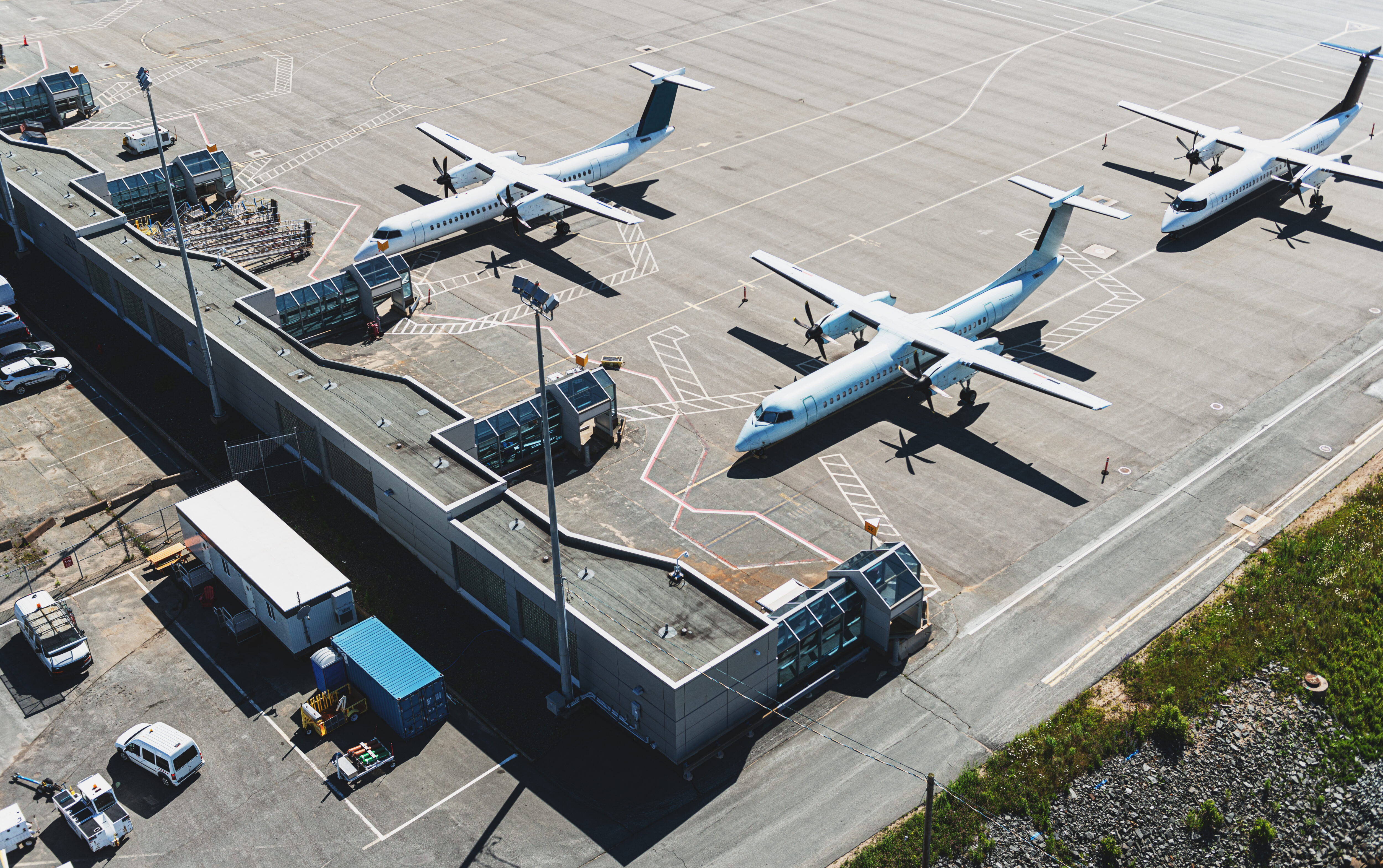
Aerial view of an airport terminal with turbo prop aircraft.
Event fees (sometimes called special event fees) are temporary charges imposed by fixed-base operators (FBOs) at certain airports during periods of unusually high demand. These fees apply regardless of whether you’re attending the event itself.
“For the bigger events, the range can be anywhere from $5,000 to $30,000, depending on which airport you fly into and the size of the aircraft,” explains Dan Morrison, Magellan Jets’ VP of Purchasing and Procurement.
FBOs manage aircraft parking, fueling, ground handling, crew services, and security. When demand spikes, like during Super Bowl weekend or Formula One in Miami, those operators often increase fees to manage congestion and operational strain.
Why Do Event Fees Exist?
From an operational standpoint, airports and FBOs face intense pressure during major events. Aircraft volume increases dramatically, ramp space fills quickly, and staffing needs rise.
FBOs typically describe event fees as a way to support:
Additional staffing and extended operating hours
Increased security requirements
Ramp congestion management
Limited aircraft parking availability
“It’s about additional staffing and resources,” notes Morrison. “The reality is that demand surges, and pricing adjusts accordingly.”
While the justification may vary, the outcome is the same: higher costs during peak-demand windows.
Common Events That Trigger Higher Prices
Event fees are not limited to one type of travel. They can appear anywhere demand concentrates quickly, including:
Major Sporting Events
Super Bowl
Masters Tournament
Formula One races
World Cup matches
College football championships
NBA All-Star Weekend
Global & Cultural Events
Olympic Games
International film festivals
Major music festivals
Large-scale conventions
Seasonal High-Demand Periods
Presidents’ Day weekend
Spring break in resort destinations
Peak ski season in Aspen or Vail
“Even if you’re not traveling for the event, if you happen to be flying during that window, the fee still applies,” Morrison explains.
How Much Are Event Fees?
There is no universal rate. Fees vary based on several factors:
Airport proximity to the event
Aircraft size and category
Length of stay
Specific dates and times
Smaller events may carry fees around $1,000–$2,000, while globally significant events can exceed $20,000 at primary airports.
“Super Bowl is usually the highest. The closest airports can be extremely expensive, while airports farther out may still be significant, but less so,” says Morrison.
Because FBOs can revise fees as demand evolves, exact pricing often remains fluid until closer to the event.
Can Event Fees Change After You Book?
Yes. This is one of the most important, and least understood, realities of private jet billing.
FBOs can increase or extend event fees if traffic exceeds expectations. Even if a fee wasn’t published when you booked, it can still apply later.
“It’s not set in stone. We’ve seen FBOs add extra days to the fee period or raise fees because volume increased,” he notes.
This is why transparency and proactive planning matter. At Magellan Jets, teams monitor FBO announcements continuously and work to surface these costs as early as possible.
Are Event Fees Avoidable?
Sometimes, but there are trade-offs.
You may reduce or avoid event fees by:
Choosing a secondary airport farther from the event
Adjusting arrival or departure times
Selecting a different aircraft size
However, those decisions often increase ground travel time or introduce logistical friction.
“You can avoid the fee by landing an hour and a half away and driving to the event,” he explains. “But that defeats the purpose of flying privately for most people.”
In many cases, the smarter approach is informed choice, not avoidance at all costs.
How Event Fees Fit Into Private Jet Billing
Event fees are third-party charges, not discretionary add-ons. Neither operators nor brokers can waive them.
That’s why accurate billing matters. When event fees surface late, they often surprise newer private flyers most.
“Seasoned travelers expect them. Newer clients are usually the ones caught off guard,” Dan Morrison adds.
Magellan Jets works to include known fees upfront whenever possible, helping clients budget realistically before wheels-up.
Planning Ahead Makes All the Difference
Private Aviation fees don’t exist in isolation. During major events, everything costs more: hotels, rental cars, crew accommodations, and ground transportation.
“All your costs go up during special events. It’s not just the airport fee,” he explains.
Advanced planning allows for:
Better airport selection
Earlier visibility into total trip cost
Fewer post-flight billing surprises
More flexibility for ground transportation and hospitality options
This is where experienced aviation advisors provide real value: not just booking the flight, but anticipating the environment around it.
Frequently Asked Questions About Event Fees and Private Jet Billing (FAQ):
What are event fees in private aviation?
Event fees are temporary charges imposed by FBOs during periods of high demand, such as major sporting events, holidays, or global conferences.
Who sets event fees?
FBOs, not aircraft operators or charter providers, set and enforce event fees.
Do event fees apply even if I’m not attending the event?
Yes. If you land during the event window, the fee applies regardless of your reason for travel.
Can event fees change after I book?
Yes. FBOs can increase fees or extend event periods based on traffic levels.
Are event fees included in private jet quotes?
When known in advance, reputable providers aim to include them upfront. However, late-posted fees from airports may appear after booking.
How can I reduce event fees?
You may lower fees by using alternate airports, adjusting timing, or choosing a different aircraft—but each option involves trade-offs.
Why do event fees vary so much?
Fees depend on airport proximity, aircraft size, demand intensity, and event scale.
Plan Smarter
Event fees are a reality of private aviation during high-demand periods, but they don’t have to be a surprise. With the right planning, clear communication, and experienced guidance, these costs can be anticipated, explained, and thoughtfully managed as part of the overall trip strategy. Magellan Jets helps clients navigate event-driven pricing by identifying impacted airports early, evaluating alternatives, and building known fees into trip planning whenever possible. If you’re flying around a major event or peak travel window, a conversation with the Magellan Jets team can help ensure your expectations, routing, and costs are aligned well before departure. Click here to contact a Private Aviation Advisor.
About Dan Morrison
Dan Morrison, VP of Purchasing and Procurement at Magellan Jets, leads the company’s sourcing and scheduling strategy, working closely with operators and industry partners to ensure seamless execution and transparent pricing for every trip. With a focus on process improvement, cost optimization, and long-term operator relationships, he plays a key role in navigating complex variables like event fees, airport constraints, and peak-demand travel periods.
Picture yourself aboard the Flåm Railway, one of the world’s steepest train rides. You’re descending through mist-wrapped valleys toward mirror-still fjords. No rush. No schedule to keep. Just the rhythmic click of rails and waterfalls cascading past your window.
Norway’s dramatic landscapes unfold best when you abandon rigid itineraries. Instead, you’ll want to follow the Nordic philosophy of friluftsliv—”open-air life.”
For discerning travelers, Norway offers an escape from relentless modern pace. Here, time becomes the indulgence.
Norway at a Glance: Slow Luxury Defined
Slow travel in Scandinavia means arriving without an agenda. You wake in a converted fisherman’s cabin to watch dawn paint Lofoten peaks gold. Or you spend an entire afternoon chatting with a Bergen artisan.
Norwegian landscapes are best experienced with an unhurried approach. Fjords carved over millennia can’t be appreciated in minutes. Northern Lights don’t perform on schedule. Even the midnight sun reminds you that time operates differently here.
You’re not doing less. You’re experiencing more. Whether kayaking through Nærøyfjord’s UNESCO-protected waters or sampling aged goat cheese in Undredal village, each moment gains significance when you’re not racing ahead.
Why Embrace Slow Luxury Along Norway’s Fjords
Norwegian fjords possess a particular quality of silence. Not emptiness, but profound stillness. You’ll hear your own thoughts clearly for the first time in months.
Taking your time means witnessing light transform landscapes hour by hour. Morning mist lifts from glassy water. Afternoon sun illuminates waterfalls hidden in morning shadows. Evening alpenglow turns granite cliffs rose-gold.
Must-See Regions for an Unhurried Journey
Lofoten Islands
The Lofoten archipelago stretches like a 100-mile granite wall rising straight from Arctic Ocean. Red rorbu cabins perch on stilts above water—once sheltering fishermen, now welcoming travelers seeking authentic Arctic experiences.
Summer brings midnight sun and perfect sea kayaking conditions between islands where Vikings once ruled. Winter transforms Lofoten into prime Northern Lights territory. Aurora displays reflect in dark fjord waters. Either season is worthwhile for extended stays. Witness orcas breaching at sunset, eagles circling overhead, and impromptu invitations from locals for fresh-caught cod dinners.
Sognefjord Area
Norway’s longest and deepest fjord creates vertical drama. Thousand-meter cliffs plunge into waters so deep they appear black. Bergen Railway and connecting Flåm Railway provide access, threading through tunnels and across gravity-defying bridges.
Farm stays around Aurland connect you with families who’ve worked the land for generations. Their tables showcase slow food’s true meaning—cloudberries picked that morning, cheese aged in mountain caves, lamb from meadows visible through your window.
Tromsø and the Arctic North
Tromsø sits 350 kilometers inside Arctic Circle, earning its Northern Lights capital nickname. But the city offers more than aurora viewing. Indigenous Sámi culture thrives here. Researchers push Arctic science boundaries. Locals treat -20°C as perfect skiing weather.
Winter whale safaris reveal humpbacks and orcas following herring migrations. Summer’s endless daylight enables midnight peak hikes. Year-round, restaurants and cultural institutions prove Arctic doesn’t mean austere.
Immersive Cultural & Wellness Highlights
Nordic Spa Rituals
Norwegian spa culture revolves around contrast—the hot-cold cycle perfected over centuries. Traditional saunas heat your body before you plunge into frigid fjord waters or fresh snow.
The practice boosts circulation, strengthens immune response, triggers endorphin releases. You’ll feel profoundly renewed. Modern spa facilities like The Well near Oslo elevate traditions with flotation tanks, steam grottos, meditation spaces overlooking pristine nature.
Culinary Traditions
Norwegian cuisine has transformed. Bergen’s Lysverket earned its Michelin star reimagining seafood traditions. Oslo’s Maaemo holds three stars for radical Nordic ingredients—hay-smoked duck eggs, fermented white asparagus.
The most memorable meals happen outside restaurants. Røros’s thirty food producers offer award-winning cheeses, traditionally cured meats, Arctic cloudberry preserves. You’re tasting edible stories of place.
Local Artisans
Norwegian craftsmanship reflects harsh climate and abundant beauty. In Tromsø, Skaperlaget showcases handwoven textiles, carved antler jewelry, felted wool goods merging function with artistry.
Sámi artisans maintain thousand-year traditions—intricate silver work, duodji handicrafts incorporating reindeer leather and bone. Direct purchases support communities while acquiring culturally significant pieces.
Sustainability & Ethical Travel
Norway leads global sustainable tourism through action. Hurtigruten’s fleet transitions to hybrid power. Havila Kystruten operates battery-electric ships along coastal routes. Oslo’s public transport runs on renewable energy—two-thirds of the capital remains forest and water.
Sustainable travel enhances experiences. Electric ferries glide silently through fjords, preserving tranquility. Flåm Railway’s electric engines eliminate diesel fumes from mountain journeys.
Magellan Jets Journey to Norway Takes Care of Every Detail
Journey to Norway is designed for travelers who believe luxury is found in time well spent. This four-night experience traces a graceful path from Bergen’s historic harbor through Norway’s most dramatic fjords to Oslo’s contemporary cultural scene, blending scenic rail journeys, private fjord cruises, intimate tastings, and thoughtfully chosen boutique hotels. Each element is curated to slow the pace and deepen your connection to place, allowing space for stillness, spontaneity, and wonder. If Norway has been calling, this journey offers an effortless way to answer it. Speak with a Private Aviation Advisor to begin planning your Journey to Norway.
FAQs about Norway Luxury Travel
What is the best time for a luxury trip to Norway?
Spring and autumn offer smaller crowds and dramatic transitions like fruit blossoms against snowy peaks, golden birch forests reflected in still fjords.
Comfortable carriages with panoramic windows transform travel into scenic meditation.
Are there eco-friendly accommodations for luxury travelers?
There are many eco-friendly accommodation options for luxury travelers, including heritage properties like 1640 Walaker Hotel preserve historic character while implementing recycling, local sourcing, energy conservation.
Elevate Your Journey
Ready for Norway’s profound experiences? Private aviation eliminates connection hassles and baggage concerns, maximizing Norwegian ground time. Talk to a Private Aviation Advisor for your bespoke Norway journey with Magellan Jets.
Flying at 40,000 feet transforms more than the view; it changes how you experience every sip. As Magellan Jets Sommelier Jesse Rodriguez explains, “when you taste at elevation, your sense of smell and your sense of taste augments.”
This shift is precisely why curating the right wine for your journey matters. At altitude, lower cabin humidity and air pressure can mute certain aromas while intensifying others. A wine that tastes perfectly balanced on the ground may feel overly tannic or fall flat above the clouds.
To ensure every moment of your journey is exceptional, Jesse has curated three personal recommendations. These wines will truly elevate your experience above the clouds.
1. Perchance Chardonnay — Beckstoffer Lake Vineyard
“I always think of creamsicle, lemon meringue pie. Really beautiful. Just nostalgic. Childhood memories.” — Jesse Rodriguez
This Napa Valley Chardonnay from Perchance captures comfort and elegance in equal measure. From the famed Beckstoffer Lake Vineyard, the wine delivers bright citrus and soft vanilla tones that come alive in the pressurized cabin environment. The creamy texture and balanced acidity make it a perfect first pour once you reach cruising altitude at 40,000 feet, where these characteristics perform exceptionally well against dulled taste perception. Familiar yet refined, like a taste of California sunshine in the sky.
2. Marcel Lapierre Morgon — Côte du Py
Photo from wineanorak.com
For red wine lovers, Jesse recommends Marcel Lapierre’s Morgon, a benchmark Beaujolais made from Gamay grapes grown in the revered lieu-dit Côte du Py. This high-elevation vineyard produces wines that are simultaneously playful and complex. At 40,000 feet, its bright fruit and soft tannins remain expressive despite the cabin’s lower humidity and pressure, offering a joyful, sensory reminder of simpler times.
It’s an ideal choice for afternoon cruising or pairing with lighter in-flight fare like roasted chicken, charcuterie, or artisanal cheeses that complement its vibrant fruit profile.
3. 2023 KHK Hillside Red — Napa Valley
“I always think of this wine as mocha, chocolate, espresso, coffee tones to it. At 300 cases, the production is very limited.” — Jesse Rodriguez
To round out the collection, Jesse points to a limited-production KHK Hillside Cabernet Sauvignon, a wine built for collectors and connoisseurs. Its deep, mocha-driven profile makes it an exceptional companion for evening flights or dessert service, where its rich characteristics shine even as cabin conditions naturally mute sweeter flavor notes.
Through Magellan Jets, clients can even secure their own bottles or cases of this exclusive release.
Best Practices for Serving Wines at 40,000 Feet
When serving wines at 40,000 feet, start by chilling whites to around 45–55°F and reds to about 55–65°F, which counters the cabin’s dryness and muffled flavors. Hydration is also critical, as the low humidity can reduce our ability to perceive flavors, so encourage Private Clients to sip water before indulging in a pour. In a pressurized cabin, letting wine breathe for at least 10 minutes maximizes aromatics that might otherwise be flattened due to lower atmospheric pressure. Whenever possible, use proper glassware instead of plastic cups to maintain the integrity of each wine’s bouquet and texture.
How Wine Tastes at 40,000 Feet
Tasting wines at 40,000 feet is a sensory adventure shaped by science. Cabin pressure reduces taste bud sensitivity by approximately 30%, while humidity drops to desert-like levels, affecting aroma perception. Sweet and salty flavors become dulled more than bitter and sour notes, which is precisely why well-balanced wines with bright acidity and fruit-forward profiles reveal unexpected layers in the air.
This philosophy is at the heart of Journey Above the Vines, an elevated experience designed for those who appreciate how terroir, altitude, and intention transform every sip. From vineyard to cabin, each selection is curated to shine at cruising altitude, turning air travel into a tasting journey of its own.
When carefully chosen, these wines do more than pair with a meal. They become part of the experience, enhancing your personal journey above the clouds. Connect with a Private Aviation Advisor to plan your bespoke wine experience.
Optimizing Food Pairings for Wines at 40,000 Feet
Creating thoughtful food pairings at 40,000 feet means harnessing bold, savory flavors that complement the muted sweetness and aromatics of inflight wines. Salty items like artisanal cheeses or cured meats retain much of their character, making them perfect for highlighting a red’s fruit profile. Meanwhile, slightly spicy or acidic dishes bring life to suppressed flavor receptors, balancing out tannins and dryness often perceived in the cabin. Coordinate with a Private Aviation Advisor to curate your menu, ensuring every mealtime on your journey aligns seamlessly with a chosen bottle. These strategic pairings provide a bespoke dining relationship, weaving each sip and bite into an exclusive experience.
Frequently Asked Questions About Tasting at Elevation (FAQ):
Why does wine taste different at 40,000 feet?
At 40,000 feet, lower cabin pressure and humidity can reduce taste bud and aroma sensitivity by nearly 30%, causing subtle flavors to flatten. This environment also intensifies bitterness and tannins, which is why certain wines taste sharper in-flight.
What foods should I serve with wines on a private jet?
In general, salty or umami-rich items like artisanal cheeses and cured meats help amplify flavors when taste buds are dulled. Slightly spicy or acidic dishes can also brighten the palate and complement a variety of in-flight wines.
About Jesse Rodriguez
Jesse Rodriguez is the Resident Sommelier for Magellan Jets, bringing Michelin-level expertise to the skies. A two-time James Beard Semifinalist, Rodriguez previously served as Head Sommelier at The French Laundry in Napa Valley, California, where he helped the restaurant earn its inaugural Michelin three-star award. At Magellan Jets, Rodriguez leads bespoke wine experiences, from in-flight tastings and vineyard access to personalized at-home cellar consultations.
In today’s fast-paced corporate world, every procurement, travel, and compliance decision carries weight. Executive travel is about safeguarding leadership, ensuring organizational continuity, and supporting corporate responsibility goals.
That’s why forward-thinking companies are moving away from traditional asset-heavy aviation models. Instead, they’re choosing asset-light aviation solutions like Magellan Jets, where safety, flexibility, and accountability are woven into every flight.
Beyond the Balance Sheet: True ROI in Business Aviation
When evaluating aviation partners, many focus first on price or aircraft ownership models. But for procurement and compliance professionals, the true return on investment goes far deeper. It’s about:
Reducing operational complexity
Enhancing traveler safety
Ensuring financial and regulatory transparency
Supporting environmental and corporate responsibility initiatives
This is where Magellan Jets’ asset-light model outperforms — delivering not only predictable, procurement-friendly pricing but also unmatched operational and compliance advantages.
Why Asset-Light Aviation Wins for Procurement and Compliance
At Magellan Jets, we’ve built an aviation solution that addresses your decision criteria from the ground up:
Debt-Free, Asset-Light Structure: No risk of capital entanglements or financial loss.
All-Inclusive Rates: No hidden fuel surcharges, repositioning fees, or maintenance costs.
Flexible Terms: Scale your aviation usage up or down based on real-time needs—without penalties or long-term commitments.
No Blackout Dates or Scheduling Restrictions: Even executives needing separate itineraries can be accommodated simultaneously under one agreement.
For procurement teams tasked with maximizing value and mitigating risk, this model offers a breath of fresh air.
Safety is Non-Negotiable — and Proven
Every executive flight carries the company’s most critical intellectual property: its leadership. That’s why Magellan puts safety at the center of everything:
Documented Safety Management System (SMS): Formalized, proactive safety processes that meet and exceed FAA and industry standards.
Highest Safety Standards in the Industry: Our commitment to exceeding the industry’s strictest safety practices and maintaining a resilient safety-first culture is critical to making every journey personal.
Crew Safety and Rest Benefits: Our asset-light model enables better working conditions for crews, reducing fatigue and enhancing flight safety.
Add to that additional insured policies that meet or exceed corporate minimums, and you get a partner procurement and compliance teams can confidently approve.
Personalized Service Coupled With 24/7, 365 Accountability
Unlike call center-style providers, Magellan’s Flight Operations and Client Experience teams are 100% in-house, staffed by seasoned professionals who know your organization’s specific protocols and preferences. We act as an extension of your internal travel, security, and leadership support teams, ensuring every trip meets the highest standards.
Supporting Corporate Responsibility and Environmental Goals
Magellan Jets is committed to helping your organization meet its environmental, social, and governance goals:
Optional carbon offset programs
Ethical, responsible travel practices
Financial transparency and separation of business vs. personal travel
In a world where corporate travel practices are increasingly scrutinized, Magellan’s responsible, compliant model protects your reputation, while still empowering leadership to travel effectively.
Frequently Asked Questions About Asset-Light Business Aviation
How do companies enforce compliance with travel budgets?
Companies enforce travel budget compliance through clear travel policies, centralized booking, and spend visibility. Pre-trip approvals, preferred aircraft categories, and consolidated invoicng help ensure trips stay within budget while maintaining flexibility.
How do I book short-range charters for quick regional business trips?
Short-range charters are best booked by working with a provider that has strong local operator access like Magellan Jets. A dedicated Private Aviation Advisor can arrange availability, pricing, and logistics quickly, even on short notice. Contact a Private Aviation Advisor
What types of aircraft are best for cost-efficient business travel?
Cost-efficient business travel typically uses turboprops for short distances and light or midsize jets for regional routes. Choosing the right aircraft size helps avoid unnecessary costs while meeting mission requirements.
Why do companies use private aviation instead of commercial flights?
Companies use private aviation to save time, reduce delays, and reach airports not served by airlines. It increases productivity and flexibility, especially for time-sensitive or multi-stop business trips.
Partner with a Procurement, Safety, and Compliance Aviation Leader
Choosing an aviation partner isn’t just about flying. It’s about choosing someone you trust to move your business forward safely, efficiently, and responsibly.
Magellan Jets’ asset-light aviation model delivers the flexibility, compliance, and operational excellence today’s organizations demand, with the proven safety record and in-house expertise to back it up.
When safety, flexibility, and accountability matter more than ever, Magellan Jets will help you secure the best aviation solution for your company. Contact a Private Aviation Advisor today to learn more.
The most romantic destinations share one quality: they feel unreachable until you arrive. A cliffside resort overlooking the Pitons. A Venetian palace on its own island. An adults-only retreat where every suite opens to a Hawaiian sunset. These are the places worth crossing oceans for, and the journey by private jet only deepens the anticipation.
The best romantic getaways for Valentine’s Day, at a glance: Hotel Wailea on Maui, an adults-only Relais & Châteaux retreat above the Pacific; Belmond Hotel Cipriani, a private-island sanctuary in Venice; Ladera Resort in St. Lucia, with open-wall suites over the Pitons; Jamaica Inn in Ocho Rios, a family-owned Caribbean classic on a private beach; and The Chanler at Cliff Walk, a Gilded Age mansion on the Atlantic in Newport, Rhode Island. Each is within comfortable private-jet range for couples who want the escape to begin the moment they leave home.
Hotel Wailea, Relais & Châteaux – Maui, Hawaii
Maui’s southern coast unfolds in a quieter register than the resort-lined shores of Kaanapali. Hotel Wailea sits on 15 acres of hillside gardens above the ocean, an adults-only enclave designed for couples who seek privacy over poolside crowds. It is Hawaii’s only Relais & Châteaux property, with 72 suites oriented to catch the sunset each evening.
Couples dine at the resort’s oceanfront restaurant, where Mediterranean-influenced menus meet an open-air setting. Days begin slowly: a morning by the pool overlooking the Pacific, then a spa appointment before the afternoon warms. The property’s quietude makes it especially suited to Valentine’s week, when exclusivity matters most.
Private-jet access: Fly into Kahului Airport (OGG), approximately 30 minutes by car from the resort. A Magellan Jets On-Demand Charter from the West Coast reaches Maui in roughly five hours by heavy jet, with no connections and no crowds.
Belmond Hotel Cipriani – Venice, Italy
Venice belongs to those who know where to look. Belmond Hotel Cipriani occupies the tip of Giudecca Island, across the basin from San Marco but removed from the city’s foot traffic. A private launch ferries guests to and from St. Mark’s Square in minutes, though the temptation to linger on the island is considerable.
The hotel opened to its first guests in 1958, the vision of Giuseppe Cipriani. Its 67 rooms and suites retain a quiet, richly appointed elegance, with private gardens that open onto the lagoon. A large saltwater pool anchors a property that feels more private estate than conventional hotel.
Dining here is reason enough to visit, with restaurants and a waterside terrace that look across the basin to the glittering San Marco skyline. Late winter brings Carnival season, when the city’s masked balls and quieter canals make an already atmospheric destination unforgettable.
Private-jet access: Venice Marco Polo Airport (VCE) is the nearest field, roughly 20 minutes by water taxi to the hotel’s private dock. Heavy jets and super-midsize jets handle the transatlantic leg comfortably. Your Private Aviation Advisor can coordinate ground handling and water transfers as part of the itinerary.
Ladera Resort – Soufrière, St. Lucia
Ladera is not a resort that hides its landscape behind glass. Every one of its 37 open-wall suites opens on three sides, the fourth wall simply missing, replaced by the panorama of the Pitons rising from the sea roughly 1,100 feet below. This open-wall design is the property’s signature, an architectural declaration that nothing should come between guests and the volcanic peaks that define St. Lucia’s southwestern coast.
The adults-only resort sits on a ridgeline above Soufrière, reached by a winding mountain road. Each suite pairs a private plunge pool with beds angled toward the view. Mornings begin with the scent of tropical flowers drifting through the room; evenings end with a sky so clear the Milky Way arcs overhead.
The resort’s open-air restaurant draws on local produce, and the spa works with island botanicals. Nearby trails lead toward the sulphur springs and the twin peaks themselves. The seclusion here is deliberate; Ladera belongs to couples who want to disappear for a while.
Private-jet access: Hewanorra International Airport (UVF) sits on St. Lucia’s southern tip, about 45 minutes by car from Ladera. Midsize and super-midsize jets from the U.S. East Coast make the flight nonstop. Arrange helicopter transfers for a more scenic arrival directly to the Soufrière waterfront.
Jamaica Inn – Ocho Rios, Jamaica
Some hotels chase trends. Jamaica Inn remains exactly what it has been since the Morrow family acquired it in 1958: a white-sand crescent of understated Caribbean elegance. The property’s 52 suites and cottages line a private beach on Jamaica’s north coast, each with a furnished veranda facing the sea.
The beach remains the main attraction. Waters here are calm, and kayaks wait on the sand for those inclined to paddle. Evening cocktails at the bar precede dinner, often with a menu that nods to the island’s spice trade. Jamaica Inn offers no distractions, by design.
Private-jet access: Ian Fleming International Airport (OCJ) in Ocho Rios handles private aircraft and sits just 15 minutes from the inn. Alternatively, Sangster International Airport (MBJ) in Montego Bay is a 90-minute drive. Light jets and midsize jets cover the route from Florida in under two hours.
The Chanler at Cliff Walk – Newport, Rhode Island
Newport’s Gilded Age mansions still line the cliffs above the Atlantic, monuments to a time when American industrialists built summer “cottages” meant to rival European palaces. The Chanler at Cliff Walk is one of the few you can sleep in. Completed in 1873 as the summer residence of Congressman John Winthrop Chanler, the estate now operates as a 20-room hotel perched directly on Newport’s famous coastal path.
Forbes Travel Guide has recognized The Chanler with Five-Star status, and Michelin has added Two Keys. Rooms draw from different periods and places, each individually designed, but all share ocean views and the quiet grandeur of a private estate.
Newport invites exploration. Sailing remains central to the town’s identity, and couples can charter a classic wooden yacht for an afternoon on Narragansett Bay. The Cliff Walk stretches for miles past the great estates; end the stroll with dinner at the hotel’s restaurant, where seasonal New England ingredients meet European technique.
Private-jet access: Newport State Airport (UUU) is minutes from the property and accommodates light jets and turboprops. T.F. Green Airport (PVD) in Providence, roughly 40 minutes away, handles larger aircraft. A short flight from New York or Boston – well under an hour – brings you to a destination that feels far removed from either city.
Arriving by Private Jet: Why It Elevates the Experience
Private aviation transforms a romantic getaway before it officially begins. Couples bypass crowded terminals and long security lines, arriving at private terminals where check-in takes minutes. The flight itself becomes part of the occasion: champagne at altitude, space to relax together, and a schedule built around your plans rather than an airline’s.
Each of the five destinations above is within comfortable private-jet range. Your Private Aviation Advisor handles aircraft selection, catering preferences, and ground logistics – so the journey feels as considered as the destination.
Frequently Asked Questions About Romantic Getaways for Valentine’s Day (FAQs):
What are the most romantic Valentine’s Day getaways?
The most romantic Valentine’s Day getaways combine intimacy, exceptional hospitality, and a destination that feels special. Hotel Wailea in Maui, Belmond Hotel Cipriani in Venice, Ladera Resort in St. Lucia, Jamaica Inn in Ocho Rios, and The Chanler at Cliff Walk in Newport each deliver that combination at the highest level.
How far in advance should I book a romantic Valentine’s Day trip?
For luxury properties during Valentine’s week, book at least two to three months ahead. Peak-season demand at boutique hotels like these fills quickly, and preferred suite categories may require even more lead time. Private jet availability is typically confirmed within 24 to 48 hours through Magellan Jets.
Can I fly by private jet to international romantic destinations?
Yes. Heavy jets and super-midsize jets handle transatlantic routes to destinations like Venice with ease. Caribbean islands – St. Lucia, Jamaica – are reachable nonstop by midsize or light jet from the U.S. East Coast. A Magellan Jets Private Aviation Advisor will recommend the right aircraft for each route and coordinate customs clearance.
What makes a romantic getaway feel more exclusive?
Exclusivity comes from privacy, personal service, and a sense that the experience was designed for you. Adults-only properties, suite-level accommodations with private outdoor space, and arrival by private jet all contribute. The five properties above specialize in creating that feeling.
How do I arrange private jet travel for Valentine’s Day?
Contact a Magellan Jets Private Aviation Advisor to discuss your dates, destination, and party size. The team will recommend the appropriate aircraft category, provide a quote, and handle every detail from catering to ground transportation – so the journey matches the destination in quality.
How Magellan Jets Supports Life in the NFL and Beyond
In professional sports, time, privacy, and flexibility are essential. For coaches and professional athletes, travel plans shift constantly, downtime is limited, and performance depends on minimizing distractions off the field.
Few people understand this better than Mike Vrabel, Super Bowl champion, former head coach of the Tennessee Titans, and current head coach of the New England Patriots. As a Magellan Jets Ambassador, Vrabel shares how private aviation for athletes and coaches supports his demanding lifestyle, and why Magellan Jets remains his trusted travel partner.
From Player to Coach
How did your career in football begin?
“I was a caddy, I carried golf bags, I was a football player and a football coach. Never really had a plan B. It was plan A — I was going to play football.”
From Ohio State to the Pittsburgh Steelers, New England Patriots, and Kansas City Chiefs, Vrabel built a long NFL playing career before transitioning to coaching at Ohio State, the Houston Texans, and eventually six seasons as head coach of the Tennessee Titans.
As his responsibilities evolved, so did the importance of managing time efficiently. For coaches and athletes, private aviation eliminates wasted hours, reduces physical strain, and allows them to stay focused on preparation, performance, and leadership, rather than travel logistics.
Returning to New England: A Full-Circle Moment for Family, Football, and Community
What made your return to New England special?
“My career took off here in 2001. This chapter is a little different because I spent eight years here. My kids grew up here. We had eight great years, so coming back and there’s a lot of familiar faces with the organization, in the community, around town.”
For Mike Vrabel, returning to New England isn’t just another coaching opportunity. It’s a true homecoming. Boston is where he established himself as a player, built lifelong relationships, and raised his family during some of the most meaningful years of his career.
Coming back now, as a head coach, carries added perspective. It’s about reconnecting with a city, an organization, and a community that helped shape him, both professionally and personally.
In a profession defined by constant movement, that sense of familiarity matters. For Boston-based athletes and coaches like Vrabel, having efficient access to private aviation close to home helps preserve balance, making it easier to manage professional demands while staying connected to family and community.
This is where Magellan Jets’ private terminal in Bedford, Massachusetts becomes especially valuable.
Private Aviation for Athletes and Coaches: Access Where It Matters Most
Magellan Jets provides access to private terminals worldwide, allowing athletes and coaches to depart and arrive discreetly, efficiently, and comfortably, no matter where their schedules take them.
In Boston, Magellan goes a step further.
The Magellan Jets private terminal in Bedford offers New England–based clients a true home-base experience, designed for speed, privacy, and comfort. For someone like Mike Vrabel, that means less time navigating crowded airports and more time focused on football, family, and leadership.
How Private Aviation Supports Family Life and Schedule Changes
How has private aviation impacted your family’s ability to travel?
“The thing that you have to realize is sometimes the schedule changes. And when you can have the opportunity to book private travel in just a few short hours, it’s made it something that’s been very, very beneficial to me and my family.”
For athletes and coaches, flexibility is essential. Private aviation allows travel plans to adapt in real time, supporting last-minute changes, quick turnarounds, and family commitments throughout the season.
Why Magellan Jets Is the Right Partner
Why are you excited to partner with Magellan Jets?
“The thing that I’m most excited about by partnering with Magellan is I feel like there’s a family atmosphere… The customer service is something that I struggled with at other companies but is always top-level at Magellan.”
Magellan Jets stands apart through hands-on service, rapid response, and a relationship-driven approach. Whether booking through the Magellan Jets app or directly with a Private Aviation Advisor, Vrabel and his family know they can schedule travel quickly, often within hours.
Trust, Privacy, and Reliability in Private Aviation
Why do you trust Magellan Jets with your travel needs?
“First and foremost, I trust that they’re going to protect me, my family, and our personal information… Magellan has consistently handled any challenges first class.”
For high-profile athletes and coaches, privacy and security are non-negotiable. Magellan Jets prioritizes discretion, data protection, and operational reliability, ensuring every trip meets the highest safety standards, even when plans change.
Who Benefits Most from Flying with Magellan Jets?
Who do you think benefits most from flying with Magellan Jets?
“Magellan is the right choice for business professionals and athletes and people with families… Really, anyone who’s looking to take this step. There’s a trust factor there.”
Private aviation with Magellan Jets is designed for people whose time is valuable and whose schedules are unpredictable, especially professional athletes and coaches who need flexibility without sacrificing peace of mind.
A Closer Look at the Magellan Jets Private Terminal in Bedford
What stands out to you about the Magellan Jets terminal in Bedford?
“The thing that stood out to me here at the terminal is the appearance of it. Everything is new, clean, well-stocked; any beverages, any refreshments, any snacks. And so you’re comfortable here and you’re only a few steps away from the plane.”
While Magellan Jets provides access to private terminals globally, the Bedford terminal is uniquely Magellan, offering Boston-area clients a refined, efficient experience just minutes from takeoff.
Private Aviation for Athletes and Coaches, Powered by Magellan Jets
For Mike Vrabel, private aviation isn’t about luxury. It’s about control, efficiency, and trust. With global access to private terminals and a dedicated home terminal in Bedford, Magellan Jets delivers private aviation designed around the needs of athletes and coaches.
Ready to experience private aviation built for high-performance lifestyles?
Imagine your aircraft is off-line for a scheduled C-check maintenance, but an urgent meeting arises in London tomorrow. For private jet owners and corporate flight departments, a grounded aircraft can quickly create scheduling chaos.
That’s where supplemental lift comes in. It’s your backup access to private aircraft when your own isn’t available, ensuring you stay on schedule, no matter what.
Let’s explore what supplemental lift is, how it works, and why it’s an essential part of a well-rounded aviation strategy.
What Is Supplemental Lift in Private Aviation?
Supplemental lift provides immediate access to another aircraft when your owned jet or fractional share isn’t available or may not be practical or suitable for a given mission.
“Supplemental lift is the bridge between ownership and uninterrupted access,” explains John Amato, Senior Vice President of Aviation Solutions at Magellan Jets. “Our clients rely on it not just when something goes wrong, but as part of a proactive aviation strategy that ensures total flexibility.”
At Magellan Jets, supplemental lift is available through multiple solutions. You can charter a private jet on demand when you need a one-time backup, or purchase a Magellan Jet Card for guaranteed access, fixed rates, and peace of mind whenever your aircraft is unavailable.
Unlike purchasing another aircraft or expanding a fractional share, supplemental lift requires no long-term commitment. You gain access to meticulously vetted aircraft from trusted operators, each tailored to your specific mission, whether that’s a short business trip, a cross-country flight, or a long-range international journey.
How Supplemental Lift Works for Individuals
When aircraft owners need supplemental lift, the process begins with a single call to their Private Aviation Advisor. Magellan’s team immediately sources suitable aircraft from our network of pre-approved operators.
Within hours, you’ll receive tailored flight options that meet strict safety and performance standards. Each crew is briefed on your personal preferences, from cabin temperature and catering selections to reading materials and wine choices.
“The best supplemental lift feels invisible,” says Amato. “Our goal is to replicate the ownership experience so precisely that clients never feel like they’re flying anything different.”
The result is a seamless travel experience, complete with the same service standards, ground coordination, and comfort you expect from your own aircraft.
How Supplemental Lift Works for Businesses
For corporate flight departments, supplemental lift is an invaluable strategic tool. When multiple executives need to travel simultaneously, supplemental aircraft prevent scheduling conflicts and keep operations running smoothly.
Fractional owners also benefit when they near their annual flight-hour limits. As travel demand peaks, supplemental lift bridges the gap, avoiding overage charges while maintaining continuity and productivity.
“Supplemental lift is about bandwidth,” says Amato. “It allows corporations to scale their flight capacity instantly during high-demand periods without carrying the extraordinary fixed overhead that comes with owning additional fleet aircraft.”
Magellan Jets provides flexible options for every business scenario, whether you need a one-time charter flight to support your flight department or a Jet Card program that guarantees aircraft access, fixed hourly rates, and zero blackout dates.
For organizations seeking the ultimate balance between access, control, and value, Magellan’s Fractional Ownership program offers the most flexible model in the industry. It delivers the benefits of ownership with the adaptability of on-demand access, designed to scale with your company’s evolving travel needs.
When Do You Need Supplemental Lift?
Several situations make supplemental lift not just convenient, but essential.
Planned maintenance and upgrades: Inspections, avionics upgrades, engine overhauls, and interior refurbishments are just a few examples of what can ground an aircraft for weeks.
Unexpected mechanical and crewing issues: A broken windshield, blown tire, or hydraulic leak can mean waiting days for replacement parts, especially when you’re far from your home base. Fatigued or sick crew members, recurrent training, or worse, having a crew member depart to pursue a new opportunity, can ground your aircraft for undetermined amounts of time.
Geographic limitations: Certain routes and runways require different aircraft than your current aircraft or fleet can accommodate. For example:
Teterboro to Van Nuys: A midsize jet will introduce the need for a fuel-stop.
Runway limitations: Displaced thresholds, runway length, width, and weight limitations, make compromise safe landings and departures prohibiting the use of certain aircraft.
Ocean crossings: Certain super-midsize and even heavy jets may lack the necessary range.
Passenger count: Flying 8 passengers on a light cabin aircraft simply isn’t practical.
Scheduling conflicts: When multiple executives, board members or family members need aircraft at the same time, supplemental lift ensures no one misses a trip.
“Supplemental lift eliminates vulnerability,” says Amato. “You’re never grounded by maintenance, scheduling, or geography. You maintain control of your travel plans, regardless of the situation.”
Key Cost Considerations
Understanding supplemental lift pricing helps you plan effectively. Costs depend on several factors:
Aircraft category: Cost scales with aircraft size, range, comfort and luxe factor.
Distance and proximity: Longer flight times and the need for repositioning legs when flying using On-Demand Charter, can increase overall cost.
Timing and demand: Peak travel periods, holidays, and major events can raise demand and rates for On-Demand Charter.
Magellan Jets offers two primary supplemental lift options to fit your needs and budget:
Jet Card Programs: Fixed hourly rates guaranteed 365 days a year, across all aircraft categories. Schedule with as little as 24-hour’s notice, and no blackout dates. Ideal for those who want predictable costs and peace of mind year-round.
On-Demand Charter: Schedule flights and pay as you go. Perfect for occasional flights or last-minute travel needs.
“Pricing transparency is everything,” Amato notes. “With Magellan Jets’ Jet Card and Charter solutions, clients know exactly what to expect.”
The Magellan Jets Advantage in Supplemental Lift
At Magellan Jets, supplemental lift is a strategy built on independence, safety, and trust.
Magellan’s Preferred Network includes only the top percentage of operators nationwide; all rigorously vetted through comprehensive safety audits. When your aircraft goes offline, you can trust your supplemental lift jet meets or exceeds your standards for safety and comfort.
For Jet Card clients, Magellan guarantees access across every aircraft category with as little as 24-hour notice. There are no blackout dates or peak travel surcharges.
Financial transparency sets Magellan apart. Client funds are fully segregated, ensuring prepaid hours are used exclusively for your flights.
“Our clients invest with confidence,” says Amato. “Every dollar goes directly toward their travel, not company overhead.”
Supplemental Lift: Frequently Asked Questions
How does supplemental lift differ from charter?
While a Charter Flight is a single trip booked as needed, Supplemental Lift is a broader term that refers to any flight arranged outside of your owned or fractional aircraft. In other words, Charter can be one form of supplemental lift, but supplemental lift itself is a strategy, not just a transaction.
Is supplemental lift only for emergencies?
While supplemental lift can be used in urgent situations, the most effective use of is planned, not reactive. By anticipating when and where extra capacity may be needed, with a Jet Card you can ensure seamless, scalable, cost-efficient travel without compromise.
Can I arrange supplemental lift on short notice?
Yes. Magellan Jets’ Jet Card Owners enjoy guaranteed availability with 24-hour notice, 365 days a year. On-demand charter clients can also secure supplemental lift, though advance notice improves aircraft selection and pricing.
Do my Jet Card hours expire?
No. Magellan Jets Jet Card Hours never expire, giving you complete flexibility to fly when and how you need. Whether you require multiple aircraft on the same day or need to accommodate several flights in a single day, your hours are always available to support your travel plans.
Is supplemental lift more cost-effective than buying a second aircraft?
Supplemental lift typically avoids the substantial overhead costs of owning another jet, making it more feasible for many Private Clients. Industry insights show it circumvents added crew salaries, hangar fees, and other expenses associated with expanded ownership.
Take the Next Step
Supplemental lift gives you the freedom and confidence to travel without interruption. Whether your aircraft is down for maintenance or your team needs to be in two places at once, Magellan Jets ensures you’re never grounded.
“Supplemental lift represents freedom,” concludes Amato. “Freedom from mechanical delays, scheduling limits, and from compromise. It ensures your mission always moves forward reliably and with elasticity to scale as needed.”
With Magellan Jets, you can choose the supplemental lift solution that fits your lifestyle:
On-Demand Charter when you’re in a bind, or
Secure guaranteed peace of mind with a Jet Card that keeps you flying year-round.
John Amato is the Senior Vice President of Aviation Solutions at Magellan Jets, where he leads a team dedicated to creating customized, client-first private aviation strategies for individuals, corporations, and flight departments. With more than two decades of experience in private jet operations, management, and client service, John brings a deep understanding of both the technical and personal sides of private travel.
The world’s most remarkable places, such as vineyard estates tucked into hillside valleys, remote coastlines with a single road in, legendary sporting venues with limited access, rarely sit beside a major commercial hub. Private aviation changes that equation. It turns distance into a direct line, replaces congestion with calm, and makes hard-to-reach destinations feel effortless.
That’s the thinking behind Magellan Jets Journeys: 10 exclusive, fully customizable itineraries that pair private aviation with rare, one-of-a-kind luxury experiences, crafted by experts and available only to Magellan Jets clients. Journeys are designed as curated suggestions to inspire what’s possible, then shaped around your schedule, preferences, and travel style.
Fly closer to where you want to be
Commercial airlines serve a limited set of major hubs. Private aviation opens a much wider map by using smaller, less-congested airports and reliever fields, often closer to resorts, estates, and remote regions. That proximity matters because it cuts out the long drive after you land and can turn a “full travel day” into an afternoon arrival. Industry groups like the NBAA point out that business aviation commonly relies on these smaller facilities because they deliver flexibility and efficiency that major hubs can’t match.
This is how private aviation unlocks the world’s most exclusive destinations: not through extravagance for its own sake, but through access to airports, to experiences, and to time.
Direct routing that protects your time (and your plans)
The most exclusive itineraries often break down because of connections: a missed flight, a reroute, a long layover, or a last-minute schedule change that forces you to rebook everything downstream. Private aviation reduces those friction points by making direct routing and tailored departure times far more achievable, especially when you’re heading to destinations that commercial carriers don’t serve directly.
That flexibility becomes even more valuable when you’re planning multi-stop travel, where the “in-between” segments matter as much as the headline destination.
A smoother airport experience from start to finish
Private flights typically depart from FBO terminals (Fixed Base Operators), which operate separately from crowded commercial terminals. FBOs are designed for speed, discretion, and service—streamlined arrivals, quiet lounges, and a calmer flow from car to aircraft.
For many travelers, this is the first moment the trip starts to feel different: fewer lines, fewer announcements, and more control over the experience.
Exclusive destinations aren’t always remote
Some of the world’s most coveted experiences happen in major cities: fashion houses, museum access, Michelin-starred tables, iconic hotels. Private aviation elevates these trips by reducing the exhausting parts of travel that dilute the experience. When you arrive rested and on your schedule, you gain more room for the moments that matter, whether that’s an early-access museum tour, a fitting appointment, or a last-minute reservation that becomes available.
That’s the spirit behind Journeys like Journey to Paris, where private aviation supports an itinerary built around haute couture, art, and dining, while still leaving space for spontaneity.
Magellan Jets Journeys: curated and completely customizable
Magellan Jets Journeys pairs private aviation with thoughtfully designed luxury experiences, then hands you the pen. Each program is curated to inspire, but every detail can be tailored.
A few highlights from the Journeys collection:
Wine experiences only private aviation can deliver
Journey to Wine Country (Napa Valley): A private full-estate buyout at Howard Backen Estate with exclusive on-site offerings and privileged access to neighboring wineries, plus elevated dining options including Thomas Keller Restaurant Group experiences.
Journey Above the Vines: A guided tasting that begins on the tarmac and continues in flight—exploring how altitude and cabin conditions can change aroma and flavor perception. (At altitude, lower humidity and pressure can make wines taste sharper or more acidic, which is exactly why a guided tasting becomes so fascinating.)
Journey at Home: A private in-home tasting and optional cellar consultation hosted by Magellan Jets’ sommelier, Jesse Rodriguez, a two-time James Beard Semifinalist and former Head Sommelier of The French Laundry.
Epic escapes, built around access
From the American West (Jackson Hole, Yellowstone, Big Sky) to Chile (Easter Island, Santiago, Atacama), these itineraries are designed to move seamlessly between destinations, so the journey feels cohesive rather than fragmented.
Golf, upgraded by seamless routing
Golf trips tend to break down in the margins: tight tee times, remote resorts, early starts, and the hassle of traveling with clubs. Private aviation removes the friction that can turn a bucket-list trip into a logistics puzzle. Instead of building your trip around airline schedules and limited routes, you can fly on your timing, arrive closer to the course, and keep your group together from wheels-up to the first tee. Business aviation’s ability to use smaller airports is a major reason it’s so effective for trips built around precise schedules.
Journeys like Bandon Dunes, The Masters, and a U.S. Ryder Cup Venues Tour bring together iconic venues with travel that respects tee times, group logistics, and the rhythm of a truly great golf trip.
What “exclusive” really means in private aviation
Exclusive isn’t just a velvet rope. In travel, it often means one of three things:
Geography: places that sit far from major airline routes.
Logistics: experiences that require precise timing (or multiple stops).
Scarcity: access that depends on relationships, planning, and flexibility.
Private aviation supports all three by widening your airport options, simplifying travel days, and giving you more control when plans evolve.
Frequently Asked Questions About Private Aviation and Exclusive Destinations (FAQ):
How does private aviation help me reach exclusive destinations more easily?
Private aviation can use a wider network of airports, including smaller regional and reliever airports that are often closer to resorts, remote regions, and private retreats.
Do private jets really save time if the flight distance is the same?
Often, yes. Time savings can come from flying into an airport closer to your final destination and avoiding the bottlenecks of major commercial terminals.
What is an FBO?
An FBO (Fixed Base Operator) is a private aviation terminal that typically offers a faster, quieter, more discreet airport experience than a commercial terminal.
Why does wine taste different at altitude?
Cabin pressure and lower humidity can change how you perceive aroma and taste, often making wines feel more acidic or less aromatic. That’s why an expert-led tasting in flight can be so interesting.
Are private aviation itineraries only for remote destinations?
Not at all. Private aviation can enhance city-based trips as well by simplifying travel days, improving arrival timing, and supporting complex schedules—especially when you want multiple destinations in one journey.
How far in advance should I plan a private aviation journey?
For the best choice of aircraft, routing, and highly sought-after accommodations or experiences, planning earlier helps. That said, private aviation can also offer valuable flexibility when plans change.
Customize your Journey Today
“Our goal has always been to deliver special moments that go beyond the flight itself,” said Joshua Hebert, Founder and CEO of Magellan Jets. “Magellan Jets Journeys is the next evolution of that promise. We are not just providing inspiration to fly; we are offering our Clients a key to unlock a world of exclusive experiences that reflect their passions. It’s about creating exceptional memories and deepening the value of their relationship with us.”
Magellan Jets Journeys are curated to inspire, and designed to adapt. The sky’s the limit. Customize your Journey today.
Every year, the Super Bowl triggers a predictable surge in private aviation demand. Instead of steady, evenly spaced traffic, aircraft arrive in concentrated waves, often the day before kickoff, and depart in a rush right after the game ends. That surge puts pressure on airport capacity, air traffic control, and ground services all at once. Teams in private aviation often refer to this pattern as the Super Bowl Effect.
As Christian Schaible, Senior Director, Safety and Joint Operations at Magellan Jets, explains: “Airports operate with real limits like ramp space, staffing, and runway capacity can only support so much traffic in a short period. Super Bowl weekend pushes the system right up against those limits.”
How The Super Bowl Effect Happens
On a normal day, airports and controllers can absorb changes without you feeling it. On a Super Bowl weekend, the volume spikes so quickly that the system has to manage demand more aggressively. You’ll most commonly notice it in three ways:
1) You lose timing control
During peak event windows, you may not be able to land or depart at the exact time you prefer. Airports can require arrival and departure “windows,” which means you might need to shift by an hour (or more) to make the trip work.
Christian summarizes why timing gets tight: “On routine travel days, the system runs in the background. During major events, demand surges beyond what airports usually handle, and that’s when the constraints become visible.”
2) You feel more ATC delays, even when you plan well
Air traffic control has to space aircraft safely. When many flights funnel into the same metro area and follow the same routes, controllers often implement traffic management programs to keep the flow orderly.
Christian explains it this way: “When flights concentrate into the same arrival and departure windows, ATC has to meter the flow. That can translate into controlled delays before takeoff, enroute, or on arrival.”
3) Parking becomes the hidden bottleneck
Even if the runway can handle arrivals, the airport still needs room to park aircraft and support turnarounds. When ramps fill up, airports may restrict overnight stays, or push more flights into drop-and-go patterns.
2025 flight activity shows how dramatic the surge can be
A 2025 analysis of Super Bowl LIX (New Orleans) reported 611 business jet arrivals from Friday through Sunday prior to the game, compared with roughly ~100 private aviation flights on a typical weekend.
Another weekly activity analysis citing WingX data described the 2025 Super Bowl week as the biggest surge in business jets since 2018.
Different sources can count differently based on which airports they include and how they define business aviation activity, but the takeaway stays the same: Super Bowl travel compresses heavy demand into a short period, and constraints appear quickly.
Super Bowl LX in 2026: The Bay Area reservation program and what it means for you
For Super Bowl LX, the San Francisco Bay Area expects such high flight volume that airports have instituted a slot reservation program from Wednesday, Feb. 4 through Monday, Feb. 9.
Here’s what matters if you’re flying private:
You will likely need a confirmed arrival time and a confirmed departure time
Think of it like a reservation at a busy restaurant. If you don’t have a reservation, you may not get seated when you want. In aviation terms, that means the airport may not be able to accept your flight at the time you prefer, especially in peak hours.
This program applies broadly to general aviation flights. (Certain scheduled commercial operations and public safety flights fall under exceptions.)
You may need to adjust your schedule to match what’s available
As the game approaches, the best arrival and departure windows become harder to secure. If you want to arrive Friday afternoon, depart right after the game, you should expect competition for those times.
Parking can run out, which can change the entire trip plan
Once overnight parking reaches capacity, some airports may allow drop-and-go only. That affects you in a very direct way:
You may not be able to keep the aircraft nearby overnight.
The aircraft may need to leave the area and return later.
A drop-and-go requires reservations for both segments—your arrival and your departure—so the return plan becomes just as important as the inbound.
Even “non-slot” airports may feel busy
Airports outside the program will likely see increased traffic as travelers look for alternatives. So “we’ll just use a different airport” often becomes a crowded strategy too, especially for parking.
Slot-controlled airports
KSFO – San Francisco International
KOAK – Oakland
KSJC – Norman Y. Mineta San Jose International
KMRY – Monterey Regional
KSNS – Salinas Municipal
KHWD – Hayward Executive
KSQL – San Carlos
KPAO – Palo Alto
KNUQ – Moffett Federal Airfield
KRHV – Reid-Hillview
KSCK – Stockton Metro
KWVI – Watsonville Municipal
KAPC – Napa County
KCCR – Buchanan Field
KLVK – Livermore Municipal
KCVH – Hollister Municipal
Extended hours to support the post-game push
To help handle the departure surge, select airports will operate extended hours:
KSJC: 0000–0200 PST / 0600–2359 PST on Feb. 9
KLVK: 0700–2359 PST on Feb. 8 and 0600–2100 PST on Feb. 9
KHWD: 0700–2300 PST on Feb. 8 and 0600–2100 PST on Feb. 9
ATC initiatives you might experience
Even with airport reservations, airspace volume can still challenge ATC, especially if weather deteriorates. Crews may see:
Ground Delay Programs (GDPs)
Airspace Flow Programs (AFPs)
Ground Stops
Time-Based Metering
Miles/Minutes-in-Trail restrictions
Airborne holding
What you’ll feel as a traveler during Super Bowl week
Most issues show up in a handful of ways:
You can’t get the exact arrival/departure time you want
You see more delays as ATC meters inbound/outbound flows
Overnight parking becomes limited or unavailable
Service timelines stretch due to sheer volume
Christian’s bottom line captures it well: “You can plan early, choose the right airports, and still see delays. When volume spikes, the system has to slow down to stay safe.”
Frequently Asked Questions About the Super Bowl Effect (FAQ)
What is the Super Bowl Effect in private aviation?
The Super Bowl Effect is the surge in private flight activity around the game that causes congestion, limited parking, airport reservations, and higher odds of ATC delays.
For Super Bowl LX in 2026, how will the slot reservation program affect my trip?
It means you will likely need a confirmed arrival time and a confirmed departure time. If you don’t secure those windows early, you may need to shift your schedule or choose a different airport.
Can I still fly in last-minute for the Super Bowl?
Sometimes, but availability becomes limited quickly. You may lose preferred timing, pay more due to scarcity, or face drop-and-go-only constraints if parking fills.
What is a “drop-and-go”?
A drop-and-go means you arrive, unload, and depart shortly after, without staying overnight. If parking reaches capacity, more flights may have to operate this way, which makes your departure plan just as important as your arrival.
If an airport isn’t in the slot program, will it be easier?
Not necessarily. Demand often shifts to nearby airports, and those locations can see increased congestion and parking constraints too.
How does Magellan Jets help during Super Bowl week?
Magellan helps by coordinating early aircraft sourcing, airport access planning, and flight plan strategy so you improve your chances of getting the schedule you want and avoid preventable disruptions.
How Magellan Jets helps you stay ahead of the Super Bowl Effect
No provider can eliminate Super Bowl congestion. But smart planning reduces friction and helps protect your itinerary.
Christian explains Magellan’s operating philosophy clearly: “The biggest advantage comes from acting early: securing the aircraft, locking in airport access, and coordinating the flight plan before the region hits peak demand.”
In practical terms, Magellan helps by:
securing aircraft and airport access early
building a parking-aware airport strategy
planning the return as intentionally as the arrival
coordinating proactively with operators and ground partners to reduce surprises
Jet Card Clients benefit from fixed pricing and guaranteed availability during high volume events like the Super Bowl.