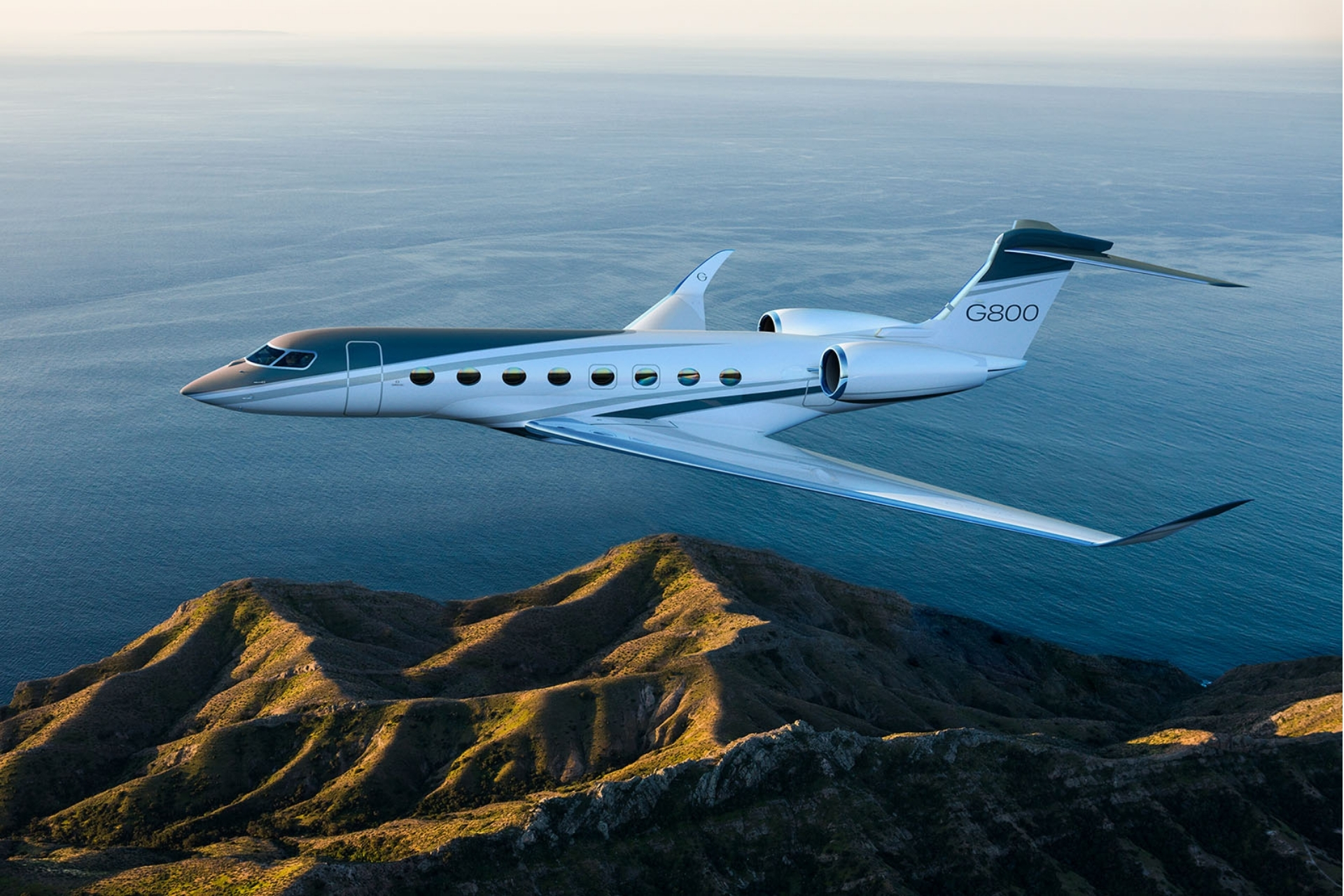
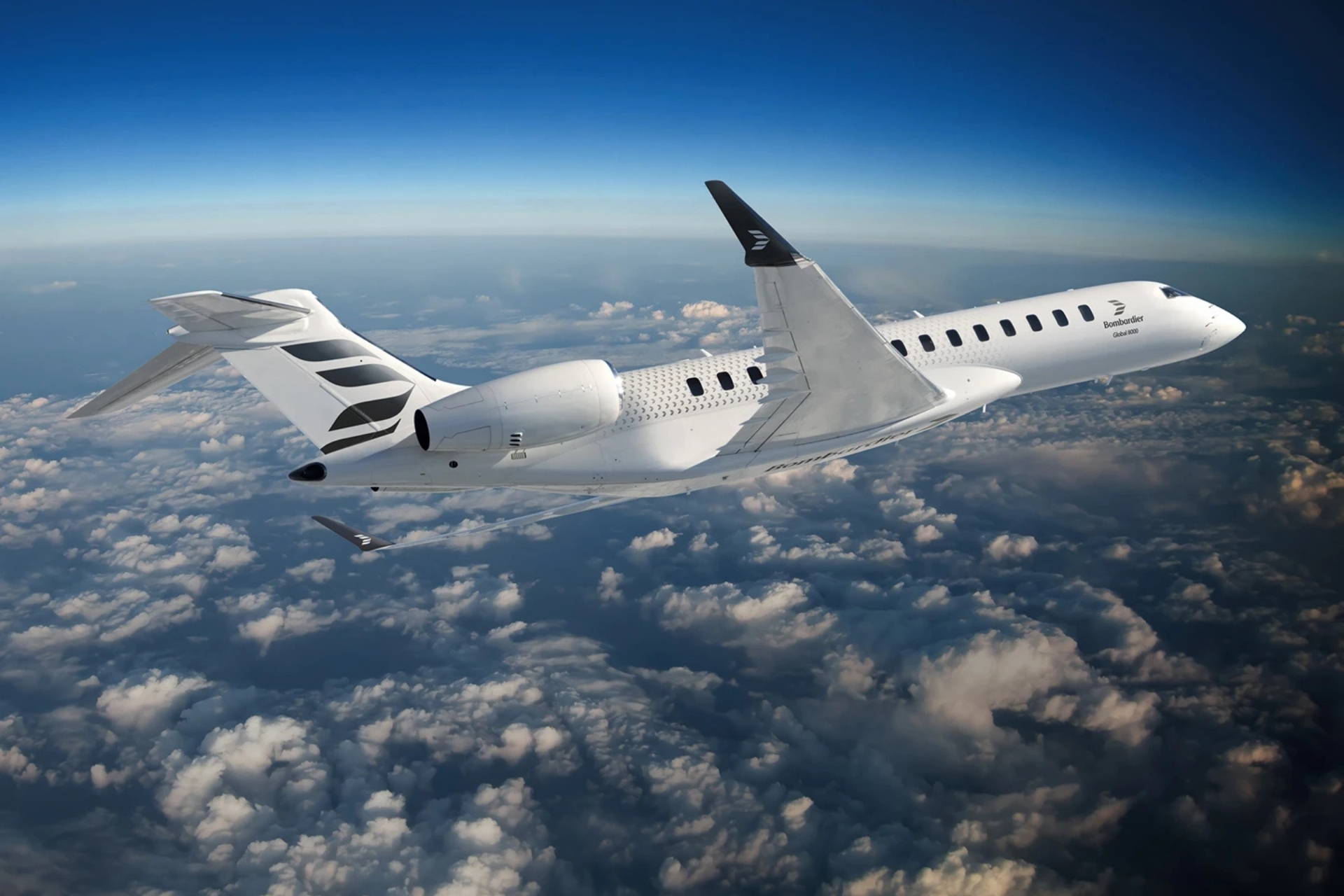
Why do so many people compare the Bombardier Global 8000 vs the Gulfstream G800? Both of these jets represent the newest wave of ultra-long-range capability; Aircraft designed to make the hardest trips feel simpler. They also both sit at the top of their respective families and target nonstop intercontinental missions. And both have become more “real” to the market over the past year as certification and delivery news moved from speculation to milestones.
The current energy around the Global 8000 is especially intense because Bombardier has tied the aircraft to a clear, memorable story: it’s the company’s new flagship, it’s fast enough to grab headlines, and it has now entered service. Reuters reported that the Global 8000 received FAA certification on December 19, 2025, after Transport Canada certification on November 5, 2025, and that it entered service earlier in December 2025. That momentum naturally triggered comparisons to the Gulfstream’s G800, which earned FAA and EASA certifications in April 2025, opening the door to customer deliveries and service entry in major markets.
Comparing the Global 8000 vs. Gulfstream G800
At a distance, both jets solve the same problem: long flights compress time, magnify fatigue, and punish inefficiency. The market compares the Global 8000 to the Gulfstream G800 because both brands promise less compromise across the same kinds of missions. When you zoom in, though, you see two distinct strategies.
Bombardier leads with a bold performance headline and an easy-to-picture cabin concept. On Bombardier’s own Global 8000 page, the company positions the aircraft as the “world’s fastest civilian aircraft since Concorde,” publishes a top speed of Mach 0.95, and pairs that with 8,000 nautical miles of range and “four true living spaces.” In other words: go fast, go far, and live comfortably across a long flight without feeling like you’re stuck in one single-purpose cabin.
Gulfstream tells a slightly different story. The G800 conversation often centers on “range at speed” and certification-tested performance points. Gulfstream’s certification announcement highlights multiple range figures depending on cruise profile: 7,000 nm at Mach 0.90, 8,000 nm at Mach 0.87, and a certification-demonstrated 8,200 nm at Mach 0.85, with a maximum operating speed of Mach 0.935. That framing is less about one headline number and more about flexibility: the aircraft gives you meaningful distance even when you cruise fast.
Speed
Speed is the easiest part of this comparison to understand, and it’s also the main reason the Global 8000 has generated so much buzz. Bombardier publishes Mach 0.95 as the Global 8000’s top speed, and Reuters echoed that figure in its coverage of the FAA certification milestone. That “fastest since Concorde” phrasing travels well because it instantly tells a story: Less time in the air on already-long days, and more schedule control on trips where minutes matter.
The G800 doesn’t trail far behind on speed. Coverage tied to certification states the aircraft’s maximum operating speed increased to Mach 0.935. In real terms, both aircraft live in a rarified tier of business aviation performance. The difference is that Bombardier’s Mach 0.95 is designed to be the conversation starter, while Gulfstream’s speed story tends to appear alongside range and operational flexibility.
Range
Range is where the comparison becomes more nuanced. Bombardier keeps the Global 8000 story clean and direct: 8,000 nautical miles. It’s easy to understand and easy to repeat. That clarity is part of the brand’s positioning: faster and farther, with a flagship cabin, now moving into service.
Gulfstream’s messaging invites a different kind of conversation. The G800 gets discussed as a set of performance points at different cruise speeds: 7,000 nm at Mach 0.90 (high-speed cruise), 8,000 nm at Mach 0.87, and 8,200 nm at Mach 0.85 demonstrated during certification. That approach tends to resonate with travelers and flight departments who think in terms of tradeoffs: how far can we go if we prioritize speed today, and how far can we go if we prioritize maximum distance?
Cabin experience
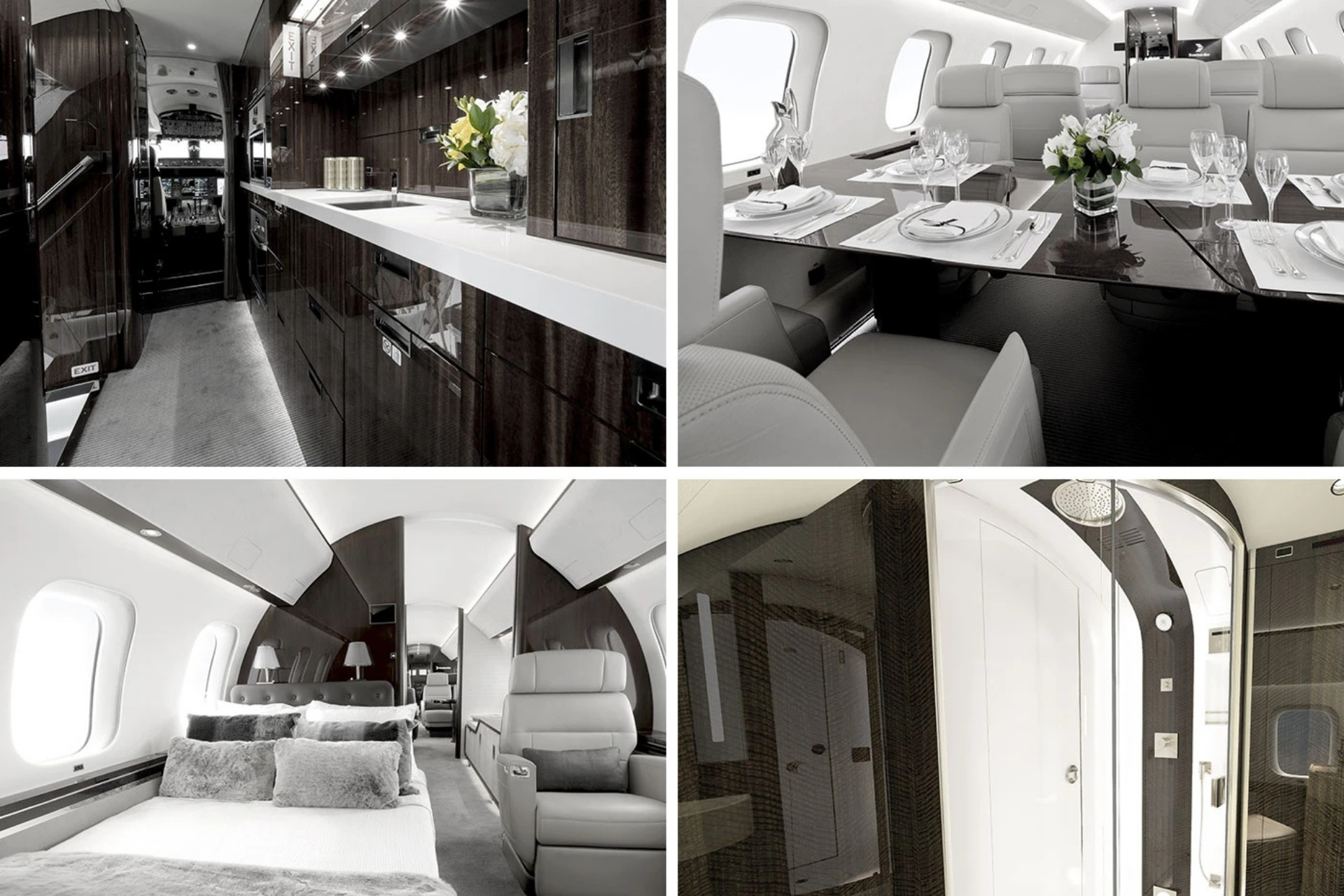
On the cabin side, Bombardier’s Global 8000 positioning is explicit. The company emphasizes “four true living spaces,” which suggests a flight that can move through phases of work, conversation, dining, and rest without forcing every moment into one compromise layout. That matters on long legs where comfort is imperative.
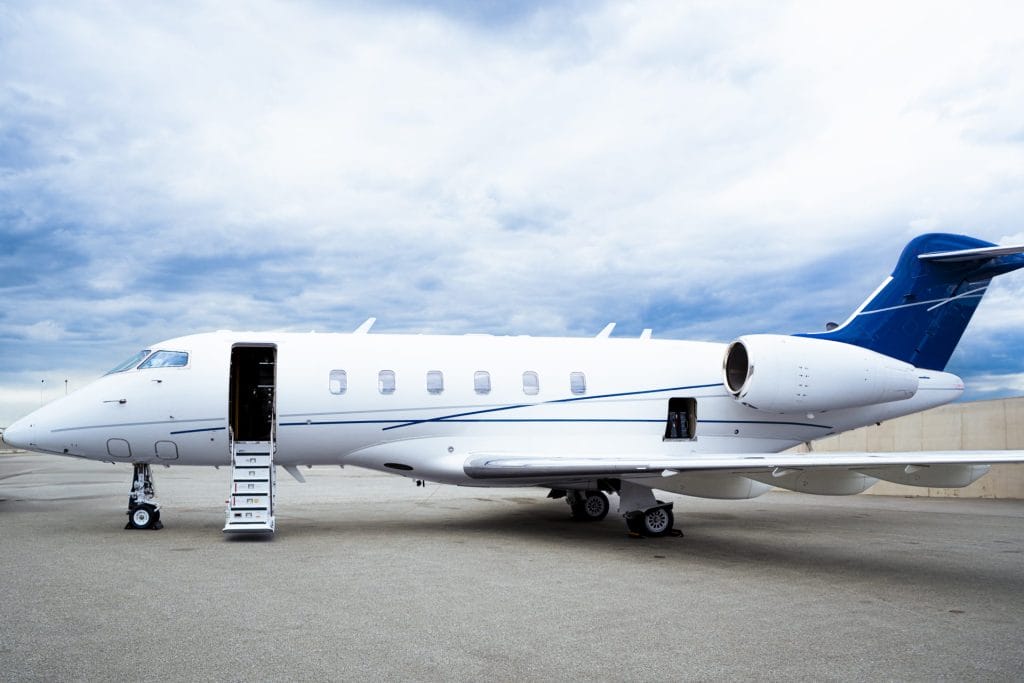
Bombardier Global 8000
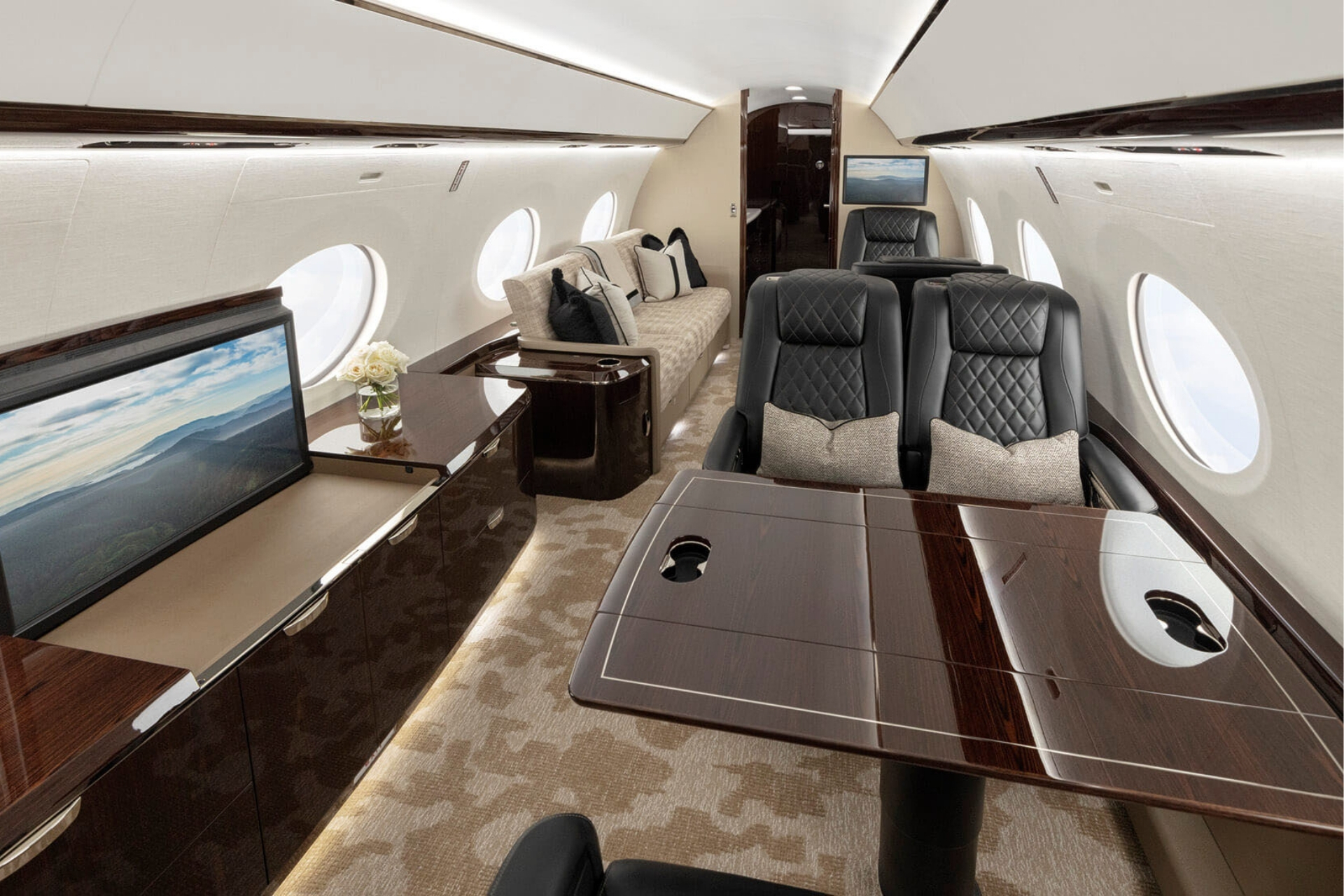
Gulfstream, meanwhile, emphasizes how the G800 supports long missions with a cabin that can be configured in multiple living areas. Gulfstream’s own G800 delivery news notes that the interior can be configured with “up to four living areas,” or with a dedicated crew compartment option, which aligns with the aircraft’s long-haul intent. While specific interiors vary widely by operator, Gulfstream’s narrative often keeps the spotlight on mission capability and performance, with the cabin experience presented as the environment that supports those missions.
Gulfstrem G800 Interior
Global 8000 and G800 in the News
It’s easy to see why this pairing has intensified lately. The Global 8000 has moved into a new chapter: Transport Canada certification on November 5, 2025, entry into service in December 2025, and FAA certification announced December 19, 2025. That creates a surge of fresh attention, new imagery, and new route talk.
At the same time, the G800’s certification story is also current in market memory. Reuters reported FAA and EASA certifications in April 2025, enabling service entry and deliveries. In other words, both aircraft sit in the “new flagship” window, but the Global 8000 is riding a more immediate wave of headlines because its service-entry news is newer.
Frequently Asked Questions about Bombardier Global 8000 vs. Gulfstream G800 (FAQ):
Is the Bombardier Global 8000 in service now?
Yes. Bombardier states the Global 8000 entered service in December 2025 after receiving Transport Canada type certification on November 5, 2025, and Reuters reported FAA certification was granted on December 19, 2025.
Is the Gulfstream G800 certified?
Yes. Reuters reported that Gulfstream’s G800 received FAA and EASA certifications in April 2025, which allowed deliveries and service entry in the U.S. and Europe.
What are the headline speed and range numbers for the Global 8000?
Bombardier publishes a top speed of Mach 0.95, a range of 8,000 nautical miles, and positions the aircraft as the fastest civilian aircraft since Concorde.
How far can the G800 fly, and at what speeds?
Independent coverage and Gulfstream’s certification announcement cite 7,000 nm at Mach 0.90, 8,000 nm at Mach 0.87, and 8,200 nm at Mach 0.85 demonstrated during certification testing.
Which aircraft is faster?
Bombardier publishes Mach 0.95 for the Global 8000. Coverage of the G800’s certification cites a maximum operating speed of Mach 0.935.
The Magellan Jets Way to Compare Aircraft
When people compare these two aircraft, or any aircraft, they often get pulled into spec-sheet sparring. A more useful way to think about it is what each aircraft optimizes for and how it may fit your particular journey.
The Global 8000 is engineered and marketed to make speed feel like a tangible advantage, paired with a long-range promise and a cabin concept that’s easy to imagine. The G800 is engineered and marketed to give you range flexibility at meaningful cruise speeds, with certification-backed performance points that show how far you can go depending on how you choose to fly.
No matter which jet you choose for your mission, long-distance travel should feel less exhausting and more controllable. A Magellan Jets Private Aviation Advisor can help you evaluate your options.
Valentine’s Day is the perfect excuse to escape routine and reconnect with the one you love. Whether you’re planning a spontaneous February getaway or dreaming ahead for a future romantic escape, choosing the right destination can make all the difference.
From tropical islands to historic seaside towns, these five romantic destinations offer unforgettable experiences, breathtaking scenery, and the privacy couples crave, any time of year.
1. Maui, Hawaii
Best for: Tropical romance, sunsets, and serenity
Maui is synonymous with romance. With its golden beaches, lush rainforests, and dramatic coastal views, the island offers a perfect balance of relaxation and adventure. Couples can enjoy sunrise at Haleakalā, scenic drives along the Road to Hana, or quiet moments watching the sun set over the Pacific.
Valentine’s Day travelers love Maui for its year-round warm weather, intimate dining experiences, and natural beauty that feels effortlessly luxurious.
Romantic highlights:
Oceanfront sunsets
Secluded beaches
Spa experiences and nature excursions
2. Venice, Italy
Best for: Old-world romance and cultural charm
Few destinations rival Venice when it comes to romance. This iconic Italian city is built for couples, with winding canals, historic piazzas, and candlelit dinners tucked away from the crowds.
A Valentine’s Day getaway to Venice offers timeless elegance: gondola rides at dusk, classical architecture, and unforgettable cuisine. Visiting during the quieter winter months adds an extra layer of intimacy to the experience.
Romantic highlights:
Gondola rides through quiet canals
Historic architecture and art
World-class Italian dining
3. St. Lucia
Best for: Dramatic scenery and private escapes
St. Lucia is one of the Caribbean’s most romantic islands, known for its lush mountains, volcanic landscapes, and sweeping ocean views. The iconic Pitons create a stunning backdrop for couples seeking privacy and natural beauty.
Whether relaxing by the water, exploring tropical rainforests, or enjoying a sunset cruise, St. Lucia is ideal for couples looking to disconnect and indulge in the moment.
Romantic highlights:
Panoramic ocean views
Volcanic landscapes and rainforests
Secluded beaches and intimate excursions
4. Ocho Rios, Jamaica
Best for: Laid-back luxury and island charm
Jamaica’s north coast blends vibrant culture with peaceful coastal escapes. Ocho Rios is particularly popular for couples who want relaxation without sacrificing adventure.
From waterfall hikes to private beach days, Jamaica offers a warm, welcoming atmosphere that feels both romantic and rejuvenating. February is an especially appealing time to visit, with comfortable temperatures and fewer crowds.
Romantic highlights:
Secluded beaches
Waterfalls and lush landscapes
Caribbean cuisine and culture
5. Newport, Rhode Island
Best for: Classic New England romance
For couples who prefer coastal charm over tropical heat, Newport delivers timeless romance. Known for its historic mansions, scenic cliffside walks, and charming harbor, this seaside town feels elegant and intimate year-round.
A Valentine’s Day escape to Newport offers cozy luxury, ocean views, and quiet strolls along Cliff Walk—perfect for couples who love history, architecture, and refined coastal living.
Romantic highlights:
Oceanfront scenery
Historic charm and architecture
Walkable town with coastal views
The Perfect Add-On To Any Flight
A romantic destination sets the tone, but the journey itself should be just as memorable. Magellan Jets’ inflight wine tasting experience, curated by Jesse Rodriguez, transforms private aviation into an elevated, sensory experience perfect for Valentine’s Day travel. Jesse Rodriguez, a respected wine expert and hospitality professional, partners with Magellan Jets to design bespoke inflight wine tastings tailored to each couple’s preferences. From celebrated vintages to thoughtfully selected boutique labels, every tasting is crafted to complement the intimacy and exclusivity of private jet travel.
Whether you’re toasting a Valentine’s Day escape, anniversary, or honeymoon, an inflight wine tasting adds a meaningful layer of indulgence, allowing couples to slow down, connect, and celebrate from the moment they take off. To reserve this experience, simply let your Private Aviation Advisor know upon booking your flight.
Elevate Your Valentine’s Day Getaway with Magellan Jets
No matter which romantic destination you choose, how you travel matters. Magellan Jets provides a seamless, private aviation experience designed for comfort, convenience, and peace of mind, allowing you to focus on what truly matters: time together. Contact a Private Aviation Advisor to start planning.
Frequently Asked Questions About Valentines Day Private Jet Travel (FAQ):
What are the best romantic destinations for Valentine’s Day?
Some of Magellan Jets’ recommended romantic Valentine’s Day destinations include Maui, Hawaii; Venice, Italy; St. Lucia; Jamaica; and Newport, Rhode Island. These locations are known for their scenic beauty, intimate experiences, and couple-friendly atmospheres, making them ideal for romantic escapes any time of year.
When is the best time to book a Valentine’s Day getaway?
The best time to book a Valentine’s Day trip is 6–10 weeks in advance, especially for popular destinations. Booking early allows for better availability, more flexibility, and a smoother overall experience, particularly during February’s peak travel season.
Is private aviation worth it for a romantic getaway?
Yes. Private aviation enhances the romantic travel experience by offering privacy, flexibility, and reduced travel stress. Couples can travel on their own schedule, avoid crowded terminals, and arrive closer to their final destination, maximizing time together. Private Aviation can also allow for romantic inflight experiences, including wine tastings, fine dining, and any other requests that would make your romantic experience unforgettable.
Can Magellan Jets help plan Valentine’s Day travel?
Magellan Jets provides safe, seamless private aviation solutions for couples planning Valentine’s Day getaways or romantic travel throughout the year. From flexible scheduling to personalized service, private jet travel allows you to focus on the experience, not the logistics.
The start of a new year is an opportunity to refine how you travel by making thoughtful choices that enhance consistency, comfort, and confidence. For private jet flyers, the most meaningful improvements often come from small, intentional shifts that protect time, elevate the experience, and remove friction from every journey.
Here are five New Year’s resolutions designed to help make private aviation even more seamless and rewarding in the year ahead.
1. Commit to Consistent Safety Standards
Safety is the foundation of every great flight experience. A powerful resolution for the new year is to prioritize consistency in operational standards across every trip, regardless of destination or aircraft type.
This means flying with a provider that applies the same rigorous standards and oversight on every flight. When safety expectations never change, travelers gain confidence and peace of mind, allowing them to focus fully on the journey ahead.
2. Plan Proactively to Preserve Flexibility
While private aviation is known for its flexibility, the best experiences often start with proactive planning. Securing aircraft earlier, understanding peak travel periods, and aligning flight schedules with personal or business priorities can significantly reduce last-minute pressure.
Advanced planning also allows for better aircraft selection and smoother logistics, ensuring flexibility is preserved when plans inevitably evolve. The result is a travel experience that feels effortless, even when schedules shift.
3. Build Long-Term Aviation Partnerships
Private jet travel is at its best when it’s built on trust and continuity. Rather than approaching each trip as a transaction, a valuable resolution is to work with a long-term aviation partner who understands your preferences and travel patterns.
Over time, these relationships lead to faster decision-making, more personalized service, and proactive solutions when challenges arise. A trusted partner doesn’t just arrange flights—they manage travel with consistency and care.
4. Elevate the Onboard Experience
Private jet travel isn’t only about where you’re going; it’s also about how you spend your time in the air. A meaningful New Year’s resolution is to be more intentional about the onboard environment and how it enhances each journey.
For some flights, that means creating a calm, comfortable space for rest or productivity. For others, it’s about enjoying the experience itself. Curated onboard wine tastings, for example, can transform flight time into a memorable moment, whether celebrating a milestone, hosting guests, or savoring exceptional vintages at altitude. When the cabin experience reflects the purpose of the trip, every flight feels more complete.
5. Treat Time as the Ultimate Priority
At its core, private aviation is about protecting time. A powerful resolution for the new year is to evaluate every travel decision through that lens.
Choosing airports that reduce ground travel, aligning departure times with natural rhythms, and minimizing unnecessary transitions can all make a meaningful difference.
Frequently Asked Questions About Private Jet Travel
Is it better to plan private jet trips in advance?
Yes. While private aviation allows for flexibility, planning ahead often improves aircraft availability, reduces stress, and creates a smoother experience, especially during peak travel periods.
Why does having a long-term aviation partner matter?
A dedicated partner understands your preferences and travel patterns, applies consistent standards, and can anticipate needs before they arise, leading to more seamless trips.
How can the onboard experience be customized on a private jet?
Onboard experiences can be tailored through cabin setup, catering, preferred beverages, and thoughtful touches like curated wine selections that align with the purpose of the trip.
How does private aviation help protect time?
Private aviation reduces delays, avoids crowded terminals, offers access to more convenient airports, and allows schedules to align precisely with personal or business priorities.
Prioritize Smooth Flying in 2026
Entering the new year with intentional travel habits sets the tone for everything that follows. With consistent standards, trusted partnerships, and thoughtful attention to the experience itself, private jet travel can continue to feel effortless, refined, and well-considered. Contact a Private Aviation Advisor to start planing your 2026 travel.
In private aviation, time is a strategic asset. Yet even with meticulous planning, travelers may occasionally encounter a term that sounds technical and disruptive: EDCT.
Air traffic control issues EDCTs, or Expected Departure Clearance Times, as a tool to manage congestion and maintain safety across the national airspace system. Although EDCTs more commonly affect commercial airline operations, they also impact private aviation.
What Is an EDCT?
An Expected Departure Clearance Time (EDCT) is a specific time assigned by air traffic control indicating when an aircraft is authorized to depart.
The FAA’s Air Traffic Control System Command Center (ATCSCC) issue EDCTs as part of broader traffic flow management programs. These programs balance airspace demand with available capacity in real time.
In simple terms, an EDCT helps ensure that aircraft depart at a pace the airspace system can safely and efficiently handle.
Why Are EDCTs Issued?
Air traffic control does not issue EDCTs arbitrarily; it triggers them in response to conditions that reduce airspace or airport capacity, including:
Severe or widespread weather (thunderstorms, snow, low visibility)
High traffic volume at destination or en route airports
Airspace constraints or staffing limitations
Runway closures or airport construction
National or regional flow control initiatives
When these conditions occur, air traffic control may limit departures to prevent airborne congestion, holding patterns, or unsafe conditions later in the flight.
How EDCTs Affect Private Aviation
Although private aircraft operate with greater flexibility than scheduled airlines, they still operate within the same controlled airspace system.
As a result, private flights may receive EDCTs when operating:
Into or out of congested metropolitan airports
During peak travel periods
When flying through weather-impacted regions
On days with national traffic management programs in effect
An EDCT does not indicate a problem with the aircraft or the flight plan. It reflects broader system conditions affecting all operators in that airspace at that time.
How EDCTs Are Managed in Practice
Once air traffic control issues an EDCT, the aircraft must depart within the assigned time window. Departing too early or too late can invalidate the clearance and require air traffic control to reassign it.
For private aviation operators, managing an EDCT involves:
Monitoring real-time FAA traffic flow updates
Coordinating closely with dispatch, crew, and air traffic control
Adjusting ground operations, passenger timing, or routing as needed
Seeking revisions if conditions improve or alternatives become available
In some cases, air traffic control amends, delays, or lifts EDCTs entirely as weather or traffic conditions change.
EDCTs, Safety, and System Integrity
At their core, EDCTs exist to protect:
Flight safety
Airspace efficiency
Predictability across the system
By controlling departure flow on the ground, air traffic control reduces the need for airborne delays, holding patterns, and last-minute diversions; outcomes that are far more disruptive once an aircraft is already in the air.
Fly With Confidence
An EDCT is not a delay for delay’s sake. It is a proactive, system-wide safety measure used to manage complex, dynamic conditions in the national airspace.
For private aviation travelers, understanding EDCTs provides clarity, reduces uncertainty, and reinforces confidence in the systems designed to support safe and efficient flight operations. Magellan Jets’ Private Aviation Advisors will help you navigate any potential disruptions in real time. Contact a Private Aviation Advisor here.
Frequently Asked Questions About EDCTs (FAQ)
What does EDCT stand for in aviation?
EDCT stands for Expected Departure Clearance Time. It is the specific time assigned by air traffic control when an aircraft is authorized to depart.
Are EDCTs common in private aviation?
They are less common than in commercial airline operations, but private flights can receive EDCTs when flying into congested airports, during severe weather, or under national traffic management programs.
Does an EDCT mean my flight is delayed?
An EDCT can push a departure later than originally planned, but air traffic control uses it as a controlled departure time rather than a discretionary delay.
Can an EDCT change?
Yes. EDCTs can be revised, delayed, improved, or canceled as weather and traffic conditions evolve.
Do EDCTs affect safety?
Air Traffic Controllers issue EDCTs specifically to enhance safety and efficiency by managing airspace demand before aircraft depart.
Are EDCTs issued by the airport or the FAA?
The FAA’s Air Traffic Control System Command Center issues EDCTs, not individual airports or operators.
Can private aviation avoid EDCTs?
While some flexibility exists through routing or timing adjustments, private aviation operates within the same national airspace system, so EDCTs cannot always be avoided.
In today’s private aviation environment, in-flight connectivity is absolutely necessary for both business and personal travelers. Wi-Fi capability directly affects productivity, communication, and the overall value of time spent in the air.
Two of the most widely utilized connectivity options for private jets are Gogo and Starlink. Both provide internet access at altitude, but they are built on very different technologies and are designed to support different travel patterns. Gogo offers a multi-orbit, multi-band solution; Starlink offers a single constellation to support connectivity.
Why Wi-Fi Matters in Private Aviation
For private jet travelers, connectivity is not about casual browsing alone. It often supports time-sensitive and mission-critical activities such as confidential business communications, real-time collaboration, and continuous access to digital platforms.
The effectiveness of an in-flight Wi-Fi system depends less on advertised speeds and more on how well the system aligns with how an aircraft is actually used. Factors like route structure, aircraft category, number of passengers, and typical onboard activity all play a role.
At Magellan Jets, connectivity is viewed as one component of a broader aircraft and mission strategy, as opposed to a standalone technology decision.
Understanding Gogo Wi-Fi on Private Jets
Gogo has long been a connectivity provider in business aviation and offers multiple solutions depending on aircraft size and mission profile.
Gogo systems are purpose-designed for business aviation and offer the choice, or combination of, air-to-ground (ATG) technology through Gogo Biz, low-Earth orbit (LEO) connectivity via its Gogo Galileo terminals, or geostationary satellite (GEO) connectivity through its Plane Simple technology. Air-to-ground systems connect the aircraft to a network of cellular towers on the ground in North America, while satellite systems connect to orbiting satellites in either low-Earth orbit or far above the planet in the GEO plane.
In addition to selling hardware and software services, Gogo has strong relations with the key satellite providers, including Viasat and SES for GEO options and Eutelsat’s OneWeb constellation for LEO services.
This structure enables Gogo to customize its solutions for each aircraft’s mission, no matter where they fly globally, even at the poles.
Gogo systems are installed across a wide range of aircraft, from light and midsize jets to large-cabin platforms, and executive airliners, making them a flexible option within private aviation fleets.
Understanding Starlink Wi-Fi on Private Jets
Starlink uses a fundamentally different approach to connectivity. Instead of relying on ground towers or high-altitude satellites, Starlink operates a large constellation of low Earth orbit (LEO) satellites that fly much closer to the planet.
This lower orbital altitude can reduce signal delay and support higher data throughput, which is particularly noticeable during bandwidth-intensive activities such as video conferencing or streaming.
Starlink installations are currently more common on super-midsize, large-cabin, and ultra-long-range aircraft. The system is designed to support global travel, including remote regions and transoceanic routes, subject to aircraft certification and regulatory approvals.
Key Differences Between Gogo and Starlink Wi-Fi
Although both systems serve the same purpose, their underlying design leads to practical differences in how they perform and where they are best utilized.
Technology and Network Design
Gogo’s mix of air-to-ground and traditional satellite solutions reflects decades of developing enterprise grade solutions for business aviation. Starlink’s LEO constellation represents a newer model, emphasizing proximity and density of satellites rather than altitude. Starlink is also a consumer grade product, meaning that users are sharing the same satellite with commercial airliners, private residences, and other consumers. This could affect performance in congested areas.
Latency and User Experience
Because LEO satellites orbit closer to Earth, Starlink and Eulestat OneWeb systems generally experience lower latency. This can be beneficial for applications that require near real-time responsiveness, such as video calls. GEO-based systems may experience slightly higher latency, depending on configuration and location but deliver more consistent connectivity and can ensure capacity in certain regions is always scaled to meet demand.
Geographic Coverage
Air-to-ground connectivity is strongest over land, while satellite systems from both providers support international and oceanic travel. Actual coverage depends on the installed system, service plan, and regional regulatory permissions.
Other Considerations
There is no single Wi-Fi solution that is ideal for every private jet or every traveler. The most effective system is the one that aligns with how the aircraft is flown and how passengers use connectivity onboard.
Important considerations include:
Typical routes and geographic regions
Aircraft size and certification
Number of connected devices onboard
Business versus leisure usage
Ownership, charter, or fractional utilization
At Magellan Jets, these variables are evaluated together to ensure that onboard technology supports the overall private aviation experience rather than creating unnecessary complexity.
Frequently Asked Questions: Gogo vs. Starlink on Private Jets (FAQ)
What is the main difference between Gogo and Starlink Wi-Fi on private jets?
The primary difference lies in network design. Gogo uses air-to-ground and geostationary satellite systems, while Starlink relies on low Earth orbit satellites, which can affect latency, coverage, and installation requirements
Is Starlink faster than Gogo on private jets?
Both Starlink and Gogo offer high-throughput connectivity solutions, but the better option depends largely on the aircraft’s mission profile. For example, a light jet flying primarily in the U.S. Southwest may be best served by a Gogo air-to-ground (ATG) system, which is optimized for that type of operation. In contrast, a long-range aircraft like a Global 6500 flying internationally may benefit from a combination of GEO and LEO satellite systems, where solutions like Starlink can play a role.
Can private jet passengers stream video using in-flight Wi-Fi?
Streaming capability depends on the installed system and service plan. Some configurations support streaming and video conferencing, while others focus on business communications such as email and messaging.
Does in-flight Wi-Fi work over oceans?
Satellite-based systems from both providers can support oceanic connectivity. Air-to-ground systems are limited to land-based coverage.
Are all private jets compatible with both systems?
No. Aircraft size, certification status, and structural considerations determine which connectivity options are available for a given jet.
How should aircraft owners choose between Gogo and Starlink?
The best choice depends on travel patterns, aircraft type, and passenger expectations. Consulting with an expert helps ensure the system fits real-world use rather than marketing claims.
Stay Connected On Your Next Flight
Connectivity is now an essential part of the private aviation experience, but not all Wi-Fi systems are designed for the same type of flying. Understanding the differences between Gogo and Starlink allows travelers and aircraft owners to make informed decisions based on mission needs. Magellan Jets offers complimentary wifi on Midsize aircraft and larger for its Jet Card Owners.
New Year’s Eve is the one night when the world syncs its celebrations. For travelers who refuse to settle for a single countdown, the globe offers a curated collection of midnight moments, each more unforgettable than the last.
From London’s Thames illuminated by Big Ben’s chimes to Dubai’s sky-scraping pyrotechnics, these are destinations where New Year’s Eve becomes an unforgettable beginning to your year.
Accessing these highly popular destinations during the holidays requires strategy. Peak-season demand, airport slot constraints, and winter weather are all considerations that could trip up an unexperienced private aviation provider. Magellan Jets unlocks prime arrival windows, transforming tight itineraries into smooth transitions, and elevating every moment leading up to midnight.
Whether you’re chasing the world’s most iconic fireworks or crafting your own multi-city celebration, consider this your blueprint for an extraordinary start to 2026.
Top Places For An Unforgettable New Year’s Eve
London For Tradition And Midnight Fireworks
Big Ben’s midnight chimes trigger one of Europe’s most spectacular fireworks displays. The Thames becomes a ribbon of light, with pyrotechnics reflecting off the water from Westminster to Tower Bridge.
Prime viewing requires advance planning. The Savoy and Shangri-La hotels offer suites with unobstructed river views, while Mayfair’s private clubs host invitation-only celebrations until dawn. Farnborough (EGLF) and Biggin Hill (EGKB) airports place you minutes from central London.
Dubai For Sky-High Celebrations
The Burj Khalifa transforms into the world’s tallest fireworks launcher at midnight. Multiple levels shoot synchronized pyrotechnics in a display visible across the entire city.
Desert heat gives way to perfect December evenings. Beach clubs morph into outdoor dance floors, while Atlantis and Address Downtown compete for the most elaborate rooftop parties. Dubai International’s (OMDB) private terminal handles peak traffic smoothly, though early slot reservations are recommended.
New York City For Timeless Energy
Times Square’s ball drop is the most iconic American New Year’s tradition, but seasoned travelers know better than joining street-level crowds. Midtown’s exclusive rooftop venues provide heated comfort, premium cocktails, and unmatched countdown views.
Teterboro (KTEB) gets incredibly busy during the days leading up to New Years Eve. White Plains (KHPN) offers a strong alternative. Both airports position you for quick transfers via helicopter or car service, which can be arranged by Magellan Jets.
St Barts For Tropical Glamour
Gustavia Harbor becomes a floating celebration as mega-yachts gather for the Caribbean’s premier New Year’s party. The island’s eight-square-mile footprint means easy movement between venues, from yacht deck to Nikki Beach to hillside villas.
St. Barts maintains exclusivity through geography. Beach clubs pulse until sunrise, dress codes stay relaxed, and guests mingle freely. The compact airport (TFFJ) handles private jets exclusively, though runway length limits aircraft size.
Sydney For The World’s First Big Fireworks
Sydney Harbor Bridge serves as the launchpad for the world’s first major New Year’s display. Chartered boats claim water positions early, while harbor-side restaurants reserve terrace tables months ahead.
Australian summer means beach weather in December. Bondi hosts massive outdoor parties, the Opera House stages elegant galas, and harbor views command premium positions. International flights require careful planning and larger jets; your Private Aviation Advisor will help you determine which aircraft is best for your journey.
Seasonal Logistics That Impact Your Itinerary
Timing determines everything for New Year’s Eve private flights. Aircraft availability becomes scarece leading up to the winter holidays.
Destination airports implement strict arrival quotas December 30-31. Teterboro, Nice, and St. Barts all cap daily movements. Your flight team manages slot negotiations, but earlier bookings secure better arrival windows.
Customs staffing drops significantly during international holidays. Pre-clearance programs help, though some delays remain unavoidable. Plan buffer time between landing and celebration start.
The Magellan Advantage for New Year’s Celebrations
Magellan Jets approaches holiday travel differently, applying our asset-light business model to provide unmatched flexibility during the year’s busiest private aviation period. While On-Demand Charter becomes increasingly difficult to secure during peak seasons, and typically comes with significant price escalation as December 31st approaches, Magellan’s dedicated sourcing team works tirelessly to locate the best available aircraft. Though charter can be hard to secure during peal periods, our network and expertise maximize the likelihood of securing a flight when demand is at its highest.
For those with more frequent travel needs, Magellan Jets Premium and Category Jet Cards guarantee availability without peak-day surcharges, an advantage unmatched in the industry. This commitment ensures your New Year’s plans remain intact despite capacity constraints, slot restrictions, or holiday pricing spikes, giving you the confidence to celebrate exactly where you choose.
Frequently Asked Questions About Private Jet Travel For New Year’s Eve
When should I book my private jet for a New Year’s Eve flight?
Early November offers the best combination of aircraft availability and reasonable positioning fees. December bookings face limited options and peak-season surcharges. Some operators close books entirely by December 15th for holiday periods.
Can I visit multiple New Year’s Eve parties in different cities?
Time-zone mathematics and the flexibility of private travel make multi-city celebrations feasible. Sydney to Dubai works perfectly, with approximately 14 hours flying time crosses enough zones for two midnights. Fuel stops add 90 minutes minimum. Crew duty regulations may require aircraft swaps.
Is it more expensive to fly private on December 31?
Peak pricing applies December 28-January 2. Strategic scheduling can help, for example departing December 29th or returning January 3rd reduces costs. Jet Card programs with fixed rates eliminate surge pricing concerns.
Start 2026 With an Adventure You Won’t Forget
Private aviation turns New Year’s Eve from a logistical challenge into a curated experience where you set the schedule, move effortlessly between celebrations, and arrive refreshed and ready for the moments that matter. With Magellan Jets, every detail is anticipated, every contingency planned for, and every flight shaped around your vision for the perfect start to 2026.
Our safety-first culture and highly personalized service ensure that your holiday journey is as memorable as the destination itself. Whether you’re chasing the world’s most iconic fireworks or crafting a celebration all your own, Magellan Jets serves as your trusted partner from takeoff to countdown.
In private aviation, there are two main billing methods: actual flight time (AFT) and estimated flight time (EFT). While both aim to fairly represent the duration of your trip, the distinction can determine whether you experience billing surprises or enjoy total cost transparency.
Let’s explore how each model works, what affects flight time, and why Magellan Jets’ approach prioritizes predictability, safety, and client peace of mind.
What Is Estimated Flight Time (EFT)?
Estimated flight time represents the projected duration of your mission, calculated before takeoff using advanced modeling tools. At Magellan Jets, we use a data-driven approach that incorporates historical and current wind data, aircraft performance, and routing information.
“We plan from point to point,” explains John Amato, Senior Vice President of Aviation Solutions at Magellan Jets. “Our estimates factor in everything from winds and fuel load to passenger count. We also include a fixed taxi time—six minutes before takeoff and six minutes after landing—to account for average ground movement at each airport.”
This predictive method gives clients a clear, upfront cost; an agreed-upon rate for the flight that won’t fluctuate based on variables outside their control.
What Is Actual Flight Time (AFT)?
Actual flight time can be estimated in two ways. The first measures the total physical movement of the aircraft from when it pushes back at departure to when it parks at the destination FBO. The more common practice is the total flight time measured from when the aircraft leaves the runway until it touches down at the destination. Taxi time of six minutes before and six minutes after departure is then added, although if taxi times run much longer, the amount billed may be adjusted to reflect that.
While this model may seem fair since you pay only for the exact minutes flown, it introduces uncertainty. Air-traffic delays, rerouting around storms, and other unforeseen restrictions can add minutes—or in extreme circumstances, hours—to a trip, and therefore to your final bill.
Factors That Affect Flight Duration
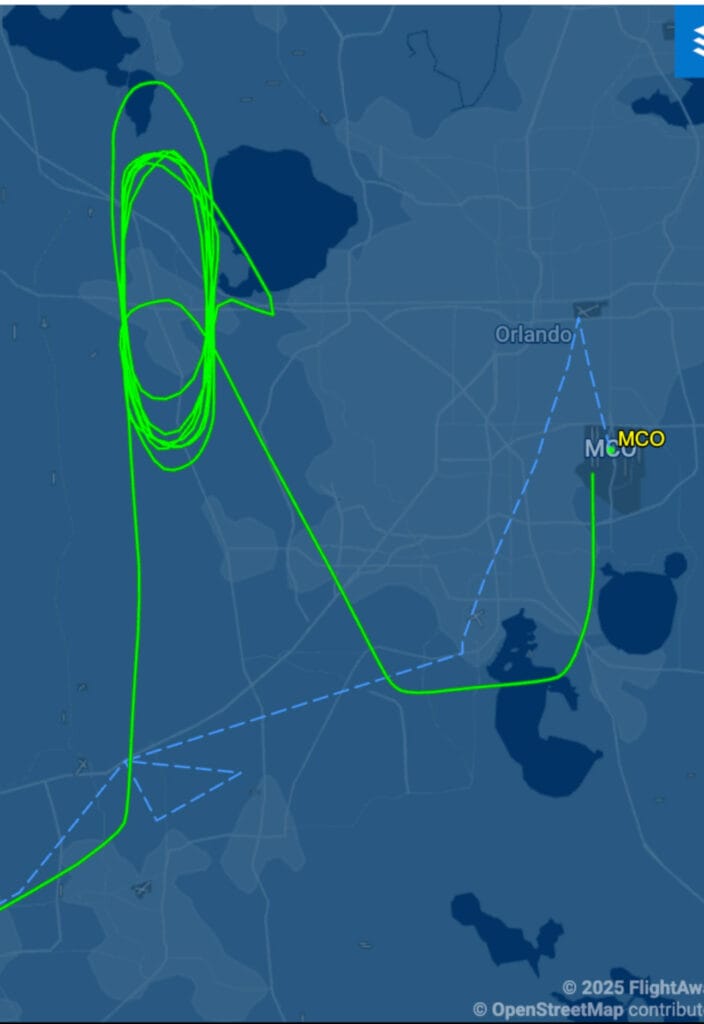
Holding patterns (pictured here) can drastically increase flight time and cause unexpected charges under the AFT model
Even the most meticulously planned flight can be impacted by conditions beyond anyone’s control. Among the biggest variables:
Air-traffic congestion and staffing shortages: Fewer controllers and increasing flight volume often leads to ground holds or “flow control” programs, spacing aircraft farther apart for safety.
Weather and routing adjustments: Pilots may alter flight plans to avoid turbulence, storms, or even smoke from wildfires.
Runway and taxi delays: Busy airports, especially major hubs like Newark, LAX, or Boston, see longer taxi times due to traffic volume or temporary closures.
Government shutdowns or systemic delays: “When there’s an FAA staffing shortage,” Amato notes, “controllers have no choice but to slow things down. Safety always comes first, but it can create extended airborne or ground time.”
When a provider bills on actual flight time, those delays directly affect what you pay. With Magellan Jets’ estimated flight-time model, they do not.
Why Estimated Flight Time Benefits Charter and Jet Card Clients
1. Predictable, Transparent Pricing
For private flyers, especially Jet Card members who prioritize consistency, knowing your cost before departure is invaluable. You’re charged based on a fixed, data-driven estimate, not the luck of the day’s air-traffic or weather patterns.
“With estimated billing, clients aren’t penalized for conditions they can’t control,” says Amato. “If a flight runs long due to rerouting or delays, your billable flight time stays exactly as quoted.”
2. Simplified Budgeting and Expense Management
Personal travelers and corporate flight departments both value predictability. Estimated billing ensures every itinerary can be budgeted with accuracy, aligning perfectly with annual travel planning and corporate accounting standards.
3. Enhanced Trust and Service Focus
Because Magellan Jets absorbs the operational risk of unexpected delays, our team’s focus stays where it belongs: on mission execution and client experience, not minute-tracking or stopwatch billing.
The Magellan Jets Approach: Confidence in Every Minute
Magellan Jets’ estimated flight-time model reflects our broader philosophy: transparency, trust, and service without compromise.
Predictable costs: Know your billable flight time before takeoff.
All-in pricing: Fuel, taxi time, and all other standard flight related fees are included—no hidden surcharges.
Client-first algorithms: Our proprietary system uses historical and real-time aviation data to estimate block times accurately.
Guaranteed availability: Through our Jet Card programs, clients enjoy 24-hour access, fixed hourly rates, no blackout dates or peak travel surcharges 365 days a year.
“The best private flight experience,” says Amato, “is one with no surprises. You know the number, you know the service, and you can just enjoy the journey.”
Key Takeaways
Actual flight time measures the true duration from takeoff to landing but introduces uncertainty and variable costs.
Estimated flight time, when calculated with precision and transparency, provides stability, protects your budget, and aligns with the client-first philosophy that defines luxury private travel.
For Charter and Jet Card clients, estimated billing eliminates ambiguity and reinforces the value of a trusted aviation partner.
Frequently Asked Questions About Flight Time Billing (FAQ)
What is the difference between ETA and ETE in aviation?
ETA (Estimated Time of Arrival) predicts touchdown time at your destination airport. ETE (Estimated Time En Route) calculates total flight duration between departure and arrival points.
How do you calculate flight time if there is a weather delay?
Estimated billing maintains original quotes despite delays. Your invoice matches your quote. Actual billing recalculates everything: extended routing, holding patterns, fuel usage, and in some cases additional ground time, all increase costs.
Can weather or air traffic delays affect private flights?
Yes. All aircraft share the same airspace, so delays affect both commercial and private flights. Estimated billing protects you from unexpected cost increases due to these issues.
Estimated Flight Time: The Magellan Jets Advantage
John Amato is the Senior Vice President of Aviation Solutions at Magellan Jets, where he leads a team dedicated to creating customized, client-first private aviation strategies for individuals, corporations, and flight departments. With more than two decades of experience in private jet operations, management, and client service, John brings a deep understanding of both the technical and personal sides of private travel.
Every December, Art Basel transforms Miami Beach into the epicenter of contemporary art. Collectors, curators, and connoisseurs converge for a whirlwind week, and travel to the area can get complicated.
That’s where private aviation comes in. Direct flights, flexible scheduling, and seamless ground transfers help collectors make the most of every moment. When negotiations run long or a must-have piece appears unexpectedly, private jets adapt to your schedule.
Art Basel Miami
Each December, 283 galleries from 43 countries transform the Miami Beach Convention Center into a marketplace where careers launch and collections take shape. VIP preview days offer first access to blue-chip works before crowds arrive.
But here’s what makes Miami special: the entire city becomes an art destination. Satellite fairs pop up across Wynwood and the Design District. Museums unveil new acquisitions. Private collections open their doors. You might find yourself racing from PAMM to a collector’s villa in Coral Gables all in one afternoon.
Private jets make these packed schedules work. Need to stay an extra day when a gallery presents something unexpected? Done. Want to bring your art advisor at the last minute? No problem. Have to transport that sculpture you just acquired? Private aviation handles it all.
Top Reasons to Fly Private for Art Basel
Let’s look at why our clients prefer to fly private for the Art Basel experience:
• Time Efficiency: When flying private, you’re able to board within minutes of arrival and land at executive airports closer to venues. You’ll reclaim hours typically lost to commercial travel.
• Flexibility: Your schedule drives everything. Extend your stay when opportunities arise. Depart right after closing deals. Switch to a larger aircraft when your group grows.
• VIP Ground Transportation: Private terminals mean direct tarmac access. International arrivals? Pre-cleared customs speeds everything up. Your car is waiting planeside when you arrive.
• Opportunity to Transport Artwork: Climate control protects delicate pieces. Professional handlers manage crating and loading. Your purchases travel with you, without shipping uncertainties or damage concerns.
Miami Airport Insights for Private Jets
Where you land matters:
• Miami International (KMIA): Just seven miles from the Convention Center. Signature Aviation and other FBOs offer full services, though expect heavier traffic during fair week.
• Opa-Locka (KOPF): Built specifically for private aviation. Sits 13 miles from Miami Beach with faster processing and specialized art handling facilities.
• Fort Lauderdale (KFLL): Atlantic Aviation provides an alternative 26 miles north. The longer drive pays off with less congestion, especially during peak arrivals.
Cost Factors to Consider
Several elements affect your private aviation investment:
Flight Distance: Rates multiply by flight hours—shorter routes cost less
Aircraft Type: Light jets offer economy; heavy jets provide intercontinental capability
Additional Requests: Special catering, multiple ground transfers, or route adjustments add up
FAQs About Flying Private to Art Basel
Which airport do private jets use in Miami?
KMIA, KOPF, and KFLL all welcome private aircraft. Your Miami destination and ground plans determine the best choice. Hangar space fills quickly, so coordinate early.
How early should I book a private jet for Art Basel?
Three weeks advance booking is generally recommended to secure your preferred pricing. Earlier reservations secure preferred times and specific jets.
The roar of Formula 1 engines will echo through the Las Vegas Strip from November 20-22, 2025. For racing enthusiasts and entertainment seekers alike, the Grand Prix weekend promises an unforgettable convergence of speed and spectacle.
Private aviation transforms what could be a stressful journey into a seamless experience. No lines, no delays, no hassles.
When 300,000+ fans flood Las Vegas for the most anticipated motorsport event of the year, you’ll appreciate arriving refreshed and ready. Let’s explore how private jet travel elevates your Grand Prix weekend from the moment you take off.
Why Fly Private to the Las Vegas Grand Prix
Picture the scene at commercial airports during F1 weekend. Packed terminals. Endless security lines. Flight delays rippling through the system. Now imagine bypassing all of that.
Private aviation operates on your timeline. Your jet departs when you’re ready, not when an airline schedule dictates.
The math is simple. Commercial travelers often spend 3-4 hours navigating airports, security, and baggage claim. Private jet passengers? They’re already checking into their Strip hotels while others wait at the gate.
Flexibility becomes invaluable during race weekend. For example, if business meetings run long, social plans shift, or weather changes, your private aircraft adapts.
Las Vegas Grand Prix Highlights
Saturday night racing creates magic in Vegas. The main event kicks off at 10 PM on November 22, but the excitement builds throughout the weekend. Thursday evening practice sessions set the stage. Friday’s qualifying determines the grid.
The 3.8-mile street circuit weaves past iconic landmarks like Caesars Palace, the Bellagio fountains, and the MSG Sphere illuminating the night sky. Cars hit 212 mph on the main straight.
Formula 1 royalty, Hollywood celebrities, and business leaders transform the paddock into an exclusive gathering. The energy rivals Monaco. The setting? Pure Vegas.
Airport & Ground Access
Harry Reid International
KLAS is just 10-15 minutes from Strip hotels. Atlantic Aviation and Signature Flight Support provide full FBO services with VIP lounges and concierge support.
F1 weekend creates a parking crunch. Mandatory slot restrictions run November 19-26. Without an advance reservation, you might face major delays or airport diversions.
Henderson Executive
Travelers to the Las Vegas area also utilize Henderson Executive (KHND), 12 miles south of the Strip. For an event as big as F1, it’s likely that both airports will face congestion, so make sure you reserve a slot as early as possible.
Cost & Pricing Factors
Route-Based Pricing
Geography and route length primarily drives costs. California departures cost significantly less than East Coast originations. Jet size multiplies hourly rates accordingly.
F1 weekend demand inflates pricing across the board. Book early for better rates and aircraft selection.
Booking Timeline & Logistics
Smart planning prevents race weekend headaches:
• Book early. Magellan Jets leverages relationships with home-based operators, securing competitive rates before demand spikes.
• Lock in airport slots immediately. Henderson and Las Vegas enforce strict scheduling. Your preferred times disappear fast if you don’t book early.
• Understand fee structures. Event surcharges apply regardless of aircraft type. Jet Card Owners benefit from flat-rate pricing. Charter clients see fees increase closer to departure.
The Magellan Jets Advantage for Grand Prix Weekend
What makes Magellan Jets different during high-demand events like the Las Vegas Grand Prix? When availability tightens across the industry, our relationships with top-tier operators provide access to aircraft others simply can’t secure.
Unlike competitors who might limit your options during high-demand periods, our Jet Card solution maintains guaranteed availability with zero blackout dates, even during F1 weekend. Whether you need a Light Jet from Los Angeles or a Heavy Jet from New York, your aircraft will be ready when you are.
Frequently Asked Questions About Flying Private to the Las Vegas Grand Prix (FAQ)
How much does a 2 hour private jet flight cost?
Investment varies by aircraft category, passenger count, and booking window. Earlier reservations access better rates and availability for On-Demand Charter while Jet Card Private Clients benefit from fixed pricing year round.
Is flying private worth it for the Las Vegas Grand Prix?
Time savings justify the investment. Commercial travelers regularly lose 4-6 hours to airport logistics alone. Private jets return those hours for entertainment or rest.
Corporate groups value onboard privacy for sensitive discussions. Brand partnerships flourish in exclusive FBO environments. Networking opportunities often exceed travel costs.
Do F1 teams fly private?
F1 Teams charter constantly throughout the season. Cargo configurations transport equipment. Passenger charters move personnel between circuits efficiently.
Drivers prioritize recovery between races. Custom schedules support peak performance; something commercial flights can’t match. Private aviation is standard operating procedure in F1.
Elevate Your Experience
Race weekend rewards careful planning. Slot coordination, ground logistics, weather contingencies all matter more when thousands converge on Vegas.
Magellan Jets orchestrates seamless journeys tailored to your preferences. Our Private Aviation Advisors navigate F1 weekend complexities.
Courses are pristine, crowds thin and the weather hits that just-right balance of crisp mornings and golden afternoons. It’s the perfect time to sneak in a luxury golf getaway before holiday chaos takes over.
Here are seven can’t-miss resort destinations: when to go, what to expect, and the shots you’ll remember long after Thanksgiving dinner.
CordeValle (San Martin, California)
Photo from Golf.com
The Robert Trent Jones Jr. design winds through 1,700 acres of oak-dotted wine country, blending vineyard serenity with tournament pedigree. This course hosted both the PGA Tour’s Frys.com Open and the U.S. Women’s Open.
The Par-4 9th tempts players to challenge a ravine that guards the green, in turn rewarding nerve and precision. The back nine climbs into the Santa Cruz Mountains, offering panoramic valley views and tricky elevation changes.
Fast, firm greens demand touch while wide fairways give you options: bomb it or shape it. Post-round, unwind at the resort’s Michelin-star dining or retreat to a private villa with a glass of Santa Clara Pinot Noir.
Four Seasons Resort Lanai (Manele Golf Course, Hawaii)
Perched on lava cliffs 150 feet above the Pacific, Jack Nicklaus’ Manele Course offers some of the most dramatic seaside golf on earth.
The Par-3 12th steals the show. A full carry over crashing surf to a green carved into volcanic rock. Trade winds can add or subtract two clubs, forcing pure commitment. The closing holes tumble toward the ocean, their emerald fairways bordered by cobalt waves and red cliffs.
Bill Gates was famously married here, and pros flock to Manele to reset between busy schedules. The Four Seasons pairs five-star seclusion with breezy, barefoot luxury, perfect for decompressing before holiday madness.
Omni PGA Frisco Resort (Frisco, Texas)
Photo from Texas Monthly
America’s newest golf capital and home to the PGA of America sits just north of Dallas, featuring two championship layouts: Fields Ranch East by Gil Hanse and Fields Ranch West by Beau Welling. It’s where modern design meets cutting-edge technology.
On the East course, the Par-5 14th rewards those who hug a risk-reward creek to set up a short wedge into a massive infinity green. The West course plays more forgiving but surprises with undulating, linksy fairways that firm up in fall.
Practice under lights on The Swing, a 10-hole short course, or hit the putting paradise called The Dance Floor. After sunset, Topgolf Lounge and craft dining turn Frisco into a full golf-and-lifestyle hub.
Pelican Hill Resort (Newport Coast, California)
Tom Fazio’s Ocean North and South courses deliver West Coast drama at its finest. Each hole tumbles along bluffs above the Pacific with terraced greens and canyon carries adding to the theater.
Ocean South’s Par-3 12th requires a mid-iron over a canyon framed by bougainvillea and distant surf. The 18th on Ocean North sweeps downhill toward the resort’s iconic rotunda, a finish made for sunsets.
Golfers rave about immaculate conditioning and ocean breezes that keep things interesting. Off the course, private Italian-inspired villas and Forbes Five-Star spa treatments make Pelican Hill a luxury escape that still feels laid-back.
Sea Island Resort (St. Simons Island, Georgia)
Photo from Sea Island Resort
For decades, Sea Island hosted the game’s elite, from Bobby Jones to modern PGA Tour stars. Its Seaside Course, home to the RSM Classic, channels Scottish links with salt marshes and shifting Atlantic winds.
Seaside’s Par-4 13th hugs tidal wetlands and plays longer than the card suggests when the sea breeze picks up. The Plantation course offers a more parkland-style test with towering live oaks and wide landing zones, while the Retreat course mixes forgiving fairways with strategic bunkering.
Luxury here extends beyond golf: a world-class spa, iconic Cloister hotel and Southern hospitality make Sea Island the definition of refined fall golf.
Sea Pines Resort (Hilton Head, South Carolina)
Pete Dye’s Harbour Town Golf Links remains a shot-maker’s paradise and host of the RBC Heritage. Forget bomb-and-gouge; here it’s about threading narrow fairways under moss-draped oaks and hitting precise approaches to tiny, elevated greens.
The Par-4 18th is pure drama: a long, wind-whipped closer framed by Calibogue Sound and the iconic red-and-white lighthouse. One swing can make or break your scorecard –and your Instagram feed.
Complement Harbour Town with Heron Point (also a Dye design) and Atlantic Dunes by Davis Love III for a complete Lowcountry experience. Bike trails and waterfront dining round out a family-friendly but golf-first getaway.
Streamsong Resort (Bowling Green, Florida)
Photo from Streamsong Resort
If you crave minimalist, modern golf in perfect November weather, Streamsong delivers three bucket-list courses: Red (Coore and Crenshaw), Blue (Tom Doak) and Black (Gil Hanse).
On Red, the Par-4 7th dares the bold to carry a scrub-covered ridge for a short iron in while the safer route adds distance but peace of mind. Blue’s Par-5 5th twists around dunes to a punchbowl green you can feed from slopes. Black serves up wild contours, mammoth greens and the photogenic Par-3 3rd framed by towering dunes.
Created on reclaimed phosphate mines, the landscape feels like Scotland dropped into Central Florida: firm fairways, wild winds and endless creativity.
The Sweet Spot: Two Weeks Before and After Thanksgiving
Mid-to-late November is golf’s golden hour. Courses are in peak condition, weather is ideal coast-to-coast and travel crowds haven’t yet swelled. Whether you’re seeking warm Hawaiian breezes, Georgia’s golden marshlands or crisp California wine country, this is the moment to go.
Fly Private, Play More, Stress Less
Magellan Jets gets you closer to these fairways with tailored private travel solutions – no airport delays, no holiday rush. Speak with a Private Aviation Advisor to design your fall golf escape and optimize your time where it matters most: on the tee.