The best places to celebrate the 4th of July span coastlines, alpine lakes, and historic towns where Independence Day traditions run deep. Boston offers a legendary orchestral finale on the Charles River. Bristol, Rhode Island, has marked the Fourth without interruption since 1785. Washington, D.C., brings fireworks over the monuments. Lake Tahoe reflects pyrotechnics against a Sierra backdrop. Mount Rushmore hosts a rare ceremonial display. San Francisco lights up the waterfront. And the U.S. Virgin Islands pair the holiday with Caribbean waters and Emancipation Day.
For Private Clients who value time, privacy, and precise itineraries, reaching these destinations on your own schedule transforms a weekend trip into something worth remembering. Magellan Jets connects discerning travelers to the country’s most compelling 4th of July destinations, arriving on their terms rather than the airlines’.
Boston and the Massachusetts Coast
Few places capture the American summer like the Massachusetts coast on Independence Day. The anchor is Boston, where the Boston Pops Fireworks Spectacular draws hundreds of thousands to the Charles River Esplanade at the DCR Hatch Shell. Conducted by Keith Lockhart, the free concert climaxes with Tchaikovsky’s 1812 Overture and a cascade of fireworks reflected in the Charles.
The surrounding region extends the holiday into a longer retreat. Cape Cod’s beaches, Nantucket’s cobblestone streets, and Martha’s Vineyard’s weathered harbors have drawn New England families for generations. A flight into Hanscom Field or Nantucket Memorial places you within striking distance of both the city’s spectacle and the quieter rhythms of the islands.
Boston remains one of the country’s most accessible private aviation hubs, with multiple FBO (fixed-base operator) options and positioning that favors northeasterners and those continuing to the coast after the fireworks.
Bristol, Rhode Island
Bristol is an insider’s destination, a small New England town that holds the distinction of hosting America’s oldest continuous Independence Day celebration. The tradition began in 1785 and has never stopped. Each year culminates in the Military, Civic and Firemen’s Parade on July 4, a procession steeped in local pride and colonial heritage.
What Bristol lacks in scale, it offers in authenticity. The crowds are smaller, the atmosphere more intimate, and the patriotic displays feel less produced. Private Clients who know Bristol tend to return year after year.
The town sits within easy reach of Rhode Island’s general aviation airports, including T.F. Green and Quonset State. From there, Bristol’s waterfront is a short drive, and the surrounding Narragansett Bay coastline invites exploration before or after the festivities.
Washington, D.C.
No Fourth of July destination carries more symbolic weight than the nation’s capital. The National Mall becomes the gathering point for the country’s birthday, with the National Independence Day Parade moving along Constitution Avenue and fireworks erupting over the Washington Monument, Lincoln Memorial, and Capitol dome.
The setting is unmatched: monuments illuminated against a summer sky, crowds stretching from the Reflecting Pool to Capitol Hill, and the unmistakable sense that this is where the day’s meaning is most fully expressed.
Reagan National (DCA), Dulles (IAD), and College Park (CGS) serve private aviation arrivals. For Private Clients, early positioning matters. Hotels near the Mall and Georgetown fill well in advance, and ground transportation requires coordination on a day when the city’s streets are largely closed to vehicles.
Lake Tahoe
For a Western alternative to the East Coast’s urban celebrations, Lake Tahoe offers alpine scenery and the “Lights on the Lake” fireworks display. Pyrotechnics burst over the water and mirror themselves across Tahoe’s famously clear surface, a visual spectacle set against granite peaks and pine forests.
The lake straddles the California-Nevada border, and towns like Incline Village, South Lake Tahoe, and Tahoe City each host their own festivities. The July weather invites boating, hiking, and long dinners on patios overlooking the water.
Truckee Tahoe Airport and Lake Tahoe Airport accommodate private arrivals, placing you on the water within an hour. Tahoe is best discovered by those who value nature alongside celebration, a place where the Fourth feels both festive and restorative.
The Black Hills and Mount Rushmore
Mount Rushmore carries a different kind of Fourth of July gravity. The evening Lighting Ceremony, held most summer nights at the memorial, remains a moving tribute to the four presidents carved into the granite. Rangers narrate the monument’s history before illuminating the faces against the Black Hills darkness.
Fireworks at Rushmore are not an annual event. The display returned on July 3, 2026, to mark the nation’s 250th anniversary, a rare ticketed occasion. In most years, the surrounding Black Hills towns host their own Independence Day fireworks and parades, from Rapid City to Keystone and Custer.
Rapid City Regional Airport handles private aviation traffic well, offering a gateway to the memorial, the Badlands, and the region’s lesser-known mountain scenery. For Private Clients who appreciate Americana off the beaten path, the Black Hills reward the journey.
San Francisco
San Francisco offers a cool-summer Fourth distinct from the humid celebrations farther east. Fireworks launch along the waterfront near Pier 39 and the Embarcadero, visible from Fisherman’s Wharf, Crissy Field, and boats on the Bay. The Golden Gate Bridge stands as a backdrop, fog permitting.
The city’s Independence Day energy is relaxed and coastal. Wine country lies an hour north. Muir Woods and Point Reyes extend the long weekend into nature. San Francisco’s culinary scene gives Private Clients reason to stay before or after the Fourth.
San Francisco International (SFO), Oakland (OAK), and San Jose (SJC) all accommodate private arrivals. For those continuing to Napa or Sonoma, Charles M. Schulz–Sonoma County Airport provides a closer alternative.
The U.S. Virgin Islands
For the most exclusive red-white-and-blue celebration, consider the U.S. Virgin Islands. St. Thomas, St. John, and St. Croix have been American territory since 1917, and the islands mark the holiday with a uniquely Caribbean rhythm. The Fourth arrives a day after Emancipation Day on July 3, creating a two-day celebration of freedom and national identity.
The setting is unlike anywhere else on this list: turquoise water, white sand, and the relaxed pace of the tropics. Fireworks over Charlotte Amalie Harbor compete with the stars. St. John’s beaches invite mornings of snorkeling before evening festivities.
Cyril E. King Airport in St. Thomas and Henry E. Rohlsen Airport in St. Croix welcome private aircraft. The islands favor travelers who want to extend the holiday into a genuine retreat rather than a single night of celebration.
Planning Your Fourth of July by Private Jet
Independence Day weekend is among the busiest travel periods of the year. Commercial airports fill with security lines and delays. Hotels in destination cities sell out months ahead. For Private Clients, early planning secures both the aircraft and the timing that makes the trip worthwhile.
A dedicated Private Aviation Advisor coordinates every detail: departure windows aligned to your schedule, FBO preferences, ground transportation, and return timing around holiday traffic. Whether you fly via On-Demand Charter for a single trip or draw from a Jet Card for the long weekend, the experience adapts to your itinerary rather than the reverse.
Private aviation turns the Fourth into a series of choices rather than constraints. Arrive in Boston for the Pops, then continue to Nantucket the next morning. Spend July 3 at Mount Rushmore and the Fourth on a Lake Tahoe boat. The calendar becomes yours to design. For those already thinking beyond the summer, Magellan Jets’ international charter destinations for end-of-summer travel offer inspiration for what comes next.
Frequently Asked Questions About Celebrating the 4th of July (FAQs):
What are the best places to celebrate the 4th of July?
The best places to celebrate the 4th of July include Boston for the Boston Pops Fireworks Spectacular, Washington, D.C., for fireworks over the National Mall, Lake Tahoe for alpine scenery, San Francisco for a cool waterfront display, the U.S. Virgin Islands for a Caribbean celebration, and Bristol, Rhode Island, for America’s oldest continuous Independence Day tradition.
Where is the biggest 4th of July fireworks celebration?
Washington, D.C., hosts one of the largest and most iconic 4th of July fireworks displays in the country. Fireworks launch over the National Mall with the Washington Monument, Lincoln Memorial, and Capitol building as backdrops. The event draws massive crowds and carries the symbolic weight of celebrating in the nation’s capital.
What is the oldest Fourth of July celebration in the United States?
Where can I find a less crowded 4th of July getaway?
Bristol, Rhode Island, Lake Tahoe, and the U.S. Virgin Islands offer alternatives to the larger urban celebrations. Bristol’s parade draws a devoted but smaller crowd. Tahoe’s lakeside festivities spread across multiple towns. The Virgin Islands combine Independence Day with Emancipation Day in a relaxed Caribbean setting away from mainland crowds.
When should I book a private flight for the Fourth of July?
Book as early as possible, ideally several months ahead. Independence Day weekend is one of the busiest travel periods of the year, and aircraft availability tightens as the date approaches. Working with a Private Aviation Advisor early ensures you secure your preferred aircraft, timing, and routing before the holiday rush.
The Fourth of July calls for destinations that match its significance. Whether your idea of Independence Day involves a historic parade, a symphony on the Charles, fireworks over monuments, or Caribbean waters under American skies, the right planning makes the difference between a trip and an experience.
The best spring break destinations for families in 2026 balance warm-weather escapes with snow-and-slopes adventures. Sun seekers gravitate toward Atlantis in the Bahamas, Sandy Lane in Barbados, and Poipu Beach in Kauai. Families drawn to the mountains find their rhythm at Steamboat, Colorado, and Jay Peak, Vermont. Each destination offers a distinct tempo, distinct terrain, and a shared principle: time together should feel unhurried.
A family spring break vacation gains clarity when the journey itself becomes part of the experience. Flying privately means departing on your schedule, arriving closer to your destination, and avoiding the friction that turns travel into endurance. On-Demand Charter lets families move directly to smaller regional airports, often landing within minutes of the resort entrance rather than hours. The transition from home to pool or ski lift begins the moment you board.
Warm-Weather Spring Break Destinations for Families
For many families, spring break means salt air and sunscreen. The Caribbean and Hawaii offer the warmth, but the right resort determines whether a week feels restorative or exhausting. These three properties deliver both the setting and the infrastructure for families seeking genuine relaxation.
Atlantis, Paradise Island, Bahamas
Atlantis exists on a scale that gives children and parents separate days within the same resort. The 141-acre waterscape, Aquaventure, holds river rapids, water slides, and pools that never feel crowded even at capacity. Below the surface, the marine habitat houses more than 50,000 aquatic animals, including sharks, rays, and sea lions visible through tunnels and viewing galleries.
Children find independence at Atlantis Kids Adventures, a supervised club offering marine science programs, arts workshops, and outdoor adventures tailored by age group. Parents reclaim afternoons for the spa, the golf course, or a quiet lunch overlooking the harbor. Evenings bring everyone back together for dinner at one of the resort’s 40 restaurants.
Nassau’s Lynden Pindling International Airport accommodates private arrivals, and the transfer to Paradise Island takes under 20 minutes. The proximity allows families to maximize days on property rather than in transit.
Sandy Lane, Barbados
Sandy Lane occupies a quieter register. The West Coast of Barbados, known locally as the Platinum Coast, favors calm Caribbean waters and a pace that invites long afternoons by the pool. The resort’s coral-stone architecture and mahogany interiors set an elegant tone without stiffness.
The Treehouse Club welcomes children ages three through 12 with a program that balances structured activities and free play. Staff lead treasure hunts, craft sessions, and nature walks through the property’s gardens. Older children and teenagers have access to tennis instruction, golf clinics on one of the three championship courses, and water sports along the beach.
Parents gravitate toward the spa, a 47,000-square-foot facility built around a Romanesque courtyard. The golf courses draw serious players, and the beach itself remains uncrowded even during high season. Just offshore, sea turtles frequent the waters, and snorkeling excursions offer families a chance to swim alongside them.
Grantley Adams International Airport is a 30-minute drive from the resort. Private arrivals clear customs efficiently, and Sandy Lane arranges transfers directly to the lobby.
Poipu Beach, Kauai, Hawaii
Kauai, the Garden Isle, delivers a different sensibility. The landscape dominates: emerald cliffs, red-dirt canyons, and beaches that feel earned rather than manicured. Poipu Beach, on the island’s southern shore, offers protected waters ideal for young swimmers and consistent conditions for beginner surf lessons.
Families staying in Poipu find a rhythm built around the water. Morning snorkeling reveals tropical fish and the occasional Hawaiian monk seal. Surf instructors guide children through their first waves in waist-deep breaks. Afternoons belong to the beach or to excursions into Waimea Canyon, often called the Grand Canyon of the Pacific.
The pace here is slower, the crowds thinner, and the focus shifts from resort amenities to the island itself. Families who prefer discovery over programming find Kauai especially rewarding.
Lihue Airport sits 20 minutes from Poipu. Private arrivals bypass the main terminal congestion, and the short drive south passes through sugarcane fields and coastal views that set the tone for the week ahead.
Snow-and-Slopes Spring Break Destinations for Families
Spring skiing offers a particular appeal: longer days, softer snow, and temperatures that allow children to stay outside comfortably without layers of insulation. These two mountain towns have built reputations around family skiing, with programs, terrain, and off-slope activities calibrated for travelers of all ages.
Steamboat, Colorado
Steamboat has welcomed families for generations. The town sits in the Yampa Valley, surrounded by working ranches and hot springs, and the mountain carries a reputation as one of North America’s most accessible family ski destinations. The terrain tilts toward intermediate runs, with long groomers that build confidence and tree skiing that holds powder days after a storm.
The children’s ski school operates out of a dedicated facility at the base, with programs starting at age two and a half. Young skiers progress through structured lessons while parents explore the mountain’s 165 trails. Off the slopes, families gather at the Strawberry Park Hot Springs, a natural mineral pool tucked into the forest outside town. Snow tubing at Saddleback Ranch offers an alternative for afternoons when legs need rest.
Steamboat Springs Airport, Yampa Valley Regional, sits 25 miles from the base. Private arrivals land efficiently and reach the slopes within 30 minutes, often before commercial passengers have collected their luggage.
Jay Peak, Vermont
Jay Peak occupies Vermont’s northern edge, close enough to the Canadian border that Quebec City feels nearer than Boston. The mountain receives more natural snow than any resort in the eastern United States, and spring skiing here often extends into April with consistent coverage.
The resort has built its family appeal around two anchors: a respected ski school with programs for ages three through 17, and the Pump House, an indoor waterpark attached to the main lodge. After a morning on the mountain, children transition to the wave pool, lazy river, and water slides without leaving the property. Parents appreciate the contained geography: ski runs, lodging, dining, and the waterpark all sit within walking distance.
Jay Peak is best reached through Burlington International Airport, a 90-minute drive south. The route passes through small Vermont towns and farmland, a scenic transition from the city left behind.
Planning a Family Spring Break Worth Remembering
A family spring break begins long before departure. School calendars, resort availability, and weather patterns all converge in a narrow window, and the families who secure their preferred destinations plan months in advance. For Private Clients who fly privately, the logistics simplify: no connecting flights, no competing for overhead bins, no arriving exhausted before the trip begins.
Magellan Jets assigns every Client a dedicated Private Aviation Advisor who matches the right aircraft to the mission. Whether the destination calls for a short flight to the Bahamas or a longer journey to Hawaii, the Advisor sources options from the Magellan Jets Preferred Network, an exclusive group of fewer than 100 vetted operators. The Client Experience team coordinates the details that surround the flight: ground transportation, catering preferences, car seats, and anything else the journey requires.
For families who travel frequently, a Jet Card offers guaranteed availability with no blackout dates, including peak travel periods like spring break, Thanksgiving, and the December holidays. Hours never expire, and the 24/7/365 operations team remains reachable at any hour.
The best spring break destinations become even better when the journey feels as considered as the destination itself.
Frequently Asked Questions About Spring Break Destinations for Families (FAQs):
Where is the best place to go for spring break with kids?
The best place depends on what your family wants from the week. Families seeking beach time and resort amenities gravitate toward Atlantis in the Bahamas or Sandy Lane in Barbados. Those who prefer active mountain days choose Steamboat, Colorado, or Jay Peak, Vermont. The right destination matches your children’s ages, interests, and energy levels.
What are the best warm-weather spring break destinations for families?
Atlantis in the Bahamas offers the largest waterpark and marine habitat in the Caribbean, with dedicated children’s programming. Sandy Lane in Barbados delivers a quieter, more refined setting with excellent children’s clubs and offshore snorkeling with sea turtles. Poipu Beach in Kauai provides a nature-focused alternative with beginner surf lessons and uncrowded beaches.
What are good spring break destinations for families who want snow?
Steamboat, Colorado, is widely regarded as one of North America’s leading family ski towns, with gentle terrain, natural hot springs, and a children’s ski school starting at age two and a half. Jay Peak, Vermont, combines consistent spring snow coverage with an indoor waterpark, allowing children to ski in the morning and swim in the afternoon.
When should I start planning a family spring break?
For popular destinations during peak school-break weeks, begin planning three to six months in advance. This window allows time to secure preferred accommodations, coordinate private aviation, and build in flexibility for weather or schedule changes. Private Clients who hold Jet Cards benefit from guaranteed availability even during high-demand periods.
How much does it cost to charter a private jet for a family spring break?
Charter pricing varies based on aircraft category, distance, and trip-specific contingencies such as positioning, fuel, and overnight fees. A flight from New England to the Bahamas carries different economics than a transcontinental journey to Hawaii. Your Private Aviation Advisor provides exact pricing at the time of your quote, tailored to your specific itinerary and aircraft preferences.
Spring break arrives quickly, and the destinations that resonate most are the ones that feel personal. Whether your family belongs on a beach or a mountain, the week ahead should be shaped around how you want to spend your time together.
Peak-season Europe exhausts even the most patient traveler: crowded terminals, fully booked hotels, and commercial connections that turn a Mediterranean arrival into a half-day ordeal. International charter destinations for the end of summer solve that problem. Late August through September delivers warm Mediterranean weather, peak sea temperatures, and a window where the crowds thin while the season stays fully open.
September and October bring eased crowds and softened hotel pricing across the continent. For Private Clients flying internationally, this timing pairs favorable weather with smaller regional airports and faster customs clearance at private terminals. What follows is a practical map built around the places that reward September arrivals and the aircraft that reach them.
Best International Charter Destinations for End of Summer 2026: Amalfi, Greece, Croatia & Wine Country
Late August through September is one of the strongest periods for international private travel. The Mediterranean stays warm through September, with sea temperatures ideal for swimming into October. Harvest season opens across Europe’s wine regions, and in Tuscany the vendemmia runs through September and October with tastings and festivals across the wine country.
The departure of the August crowds translates directly into logistical ease. You will see easier reservations, shorter waits at restaurants, and coastal towns at their quietest since spring. The industry calls this the shoulder season, the stretch on either side of the peak. Private aviation amplifies every one of these advantages, because a heavy jet crosses the Atlantic and lands at a regional field close to the destination, bypassing the commercial hub entirely.
Customs and immigration clear at a private terminal. A fixed-base operator (FBO) is the private aviation term for these dedicated facilities, which replace overcrowded international arrivals halls with a process measured in minutes rather than hours.
Amalfi Coast Private Jet Charter: Best Time to Visit in September
It’s a Italian holiday must do spending time on the beach at a private beach club being served drinks all day and swimming in the Beautiful Italian waters
Few coastlines reward a slower pace like the Amalfi in September. Positano’s pastel cliffside softens without the August scrum, Ravello’s hilltop concerts carry across the gardens, and the ferry to Capri no longer runs shoulder to shoulder. Travelers widely consider September the best time to visit the Amalfi Coast, when warm weather persists, the summer crowds ease, and the Tyrrhenian Sea stays ideal for swimming.
Access from the United States runs through Naples (LIRN), the closest major private-jet gateway to the Amalfi Coast. The Gulfstream G650ER, with a range of 7,437 nautical miles, covers that transatlantic distance nonstop from the northeastern United States. The ground transfer from a private terminal in Naples to the coast takes under an hour, and a dedicated advisor arranges it before you land.
Mykonos & Greek Islands Private Jet Travel: September Charter Guide
The Cyclades keep summer’s warmth long after the summer crowd goes home. Mykonos calms noticeably once September arrives: beach clubs stay open, tables come without a wait, and the evening waterfront trades its August crush for something closer to the island’s own rhythm. The Greek islands hold their warmest sea temperatures from May through early October, when the water reaches 68 to 77°F and summer highs sit near 86°F.
Mykonos (LGMK) accepts private jets directly, and the wider Cyclades connect easily through Athens (LGAV). The Gulfstream G550, with a range of 6,954 nautical miles, covers the transatlantic leg and positions well for the short hop out to the islands. For a Private Client chasing a Greek September, this window delivers warm water and open doors in equal measure.
Croatia Private Jet Charter: Dubrovnik and Split in September
Croatia’s Adriatic coast holds its appeal deep into autumn, and late September is when it feels most like itself. Water temperatures linger near 72°F into October. The cruise caps Dubrovnik introduced to manage overtourism leave a meaningfully quieter Old Town by then, with fewer day-trippers on the walls and open tables at the harbor restaurants that summer keeps full.
Dubrovnik (LDDU) and Split (LDSP) both handle private arrivals directly. The Gulfstream G600, with a range of 6,630 nautical miles and a multi-zone flat-floor cabin, suits long flights with family or a small group who want room to rest and gather. Passengers arrive within a short drive of the Old Town walls or the island ferries.
Tuscany and Bordeaux Harvest Season: Wine Country Charter Flights
September is harvest season across Europe’s most storied wine regions. There is no better time to be a guest among the vines than late summer. In Tuscany, Chianti Classico estates begin picking in early September. Brunello di Montalcino follows later in the month, and many estates open their cellars for harvest visits and dinners appearing across wine-country agriturismi. Bordeaux follows a similar rhythm, its châteaux at their most alive as the new vintage comes in.
Private Clients who time their travel well gain access that the earlier and later months simply do not offer. For Tuscany, Florence (LIRQ) is the closest private jet access, with Siena and the Val d’Orcia within an hour’s drive. For Bordeaux, Mérignac (LFBD) handles private arrivals directly, and heavy jets reach both from the northeastern United States nonstop.
Best Private Jets for Nonstop Flights to Europe: G650ER, G600, G550
Transatlantic private travel is a heavy-jet mission. The Gulfstream G650ER, with a range of 7,437 nautical miles, connects the northeastern United States to major European destinations nonstop. The Gulfstream G600 and Gulfstream G550, both with ranges above 6,600 nautical miles, cover the large majority of U.S. to Europe routes without a fuel stop.
Multi-zone cabins on these aircraft let a family or group sleep, dine, and work across a single flight of roughly eight to ten hours. A Heavy Jet starts from an estimated $14,877 per hour, and a Super-Midsize from an estimated $12,671 per hour for the shorter European positioning legs. Each estimate is inclusive of fuel.
Each estimate excludes trip-specific costs such as de-icing, positioning, overnight fees, catering, ground transportation, and international fees, and a Private Aviation Advisor confirms final pricing at the time of quote. Our guide to international charter flights details customs clearance, Part 135 regulations (the FAA rules that govern most private charter operations), and aircraft selection in full.
A common misconception holds that the end of summer marks the end of the European travel season. For the private traveler, September brings better weather, lighter crowds, and easier access than the peak weeks that precede it. The season is not closing. It is entering its most rewarding phase.
How Magellan Jets Arranges International Private Jet Charter
Magellan Jets is a Boston-founded, asset-light private aviation solutions provider. Solutions offered are On-Demand Charter, Jet Cards, Fractional Ownership, and Aircraft Sales & Management. Because the company is asset-light, it sources each aircraft from the Magellan Jets Preferred Network. Every recommendation is made in the Private Client’s best interest, with no aircraft to keep busy.
The Preferred Network includes fewer than 100 rigorously vetted operators out of roughly 3,000 licensed in the United States. Magellan Jets is also the only private aviation company represented on the Air Charter Safety Foundation Board. For a transatlantic mission, On-Demand Charter sources the right heavy jet. Your Private Aviation Advisor coordinates international handling, customs at private terminals, and ground logistics end to end.
Private Clients who want the destination fully arranged can explore Magellan Jets Journeys, available only through Magellan Jets. One itinerary is a private journey through Paris, pairing private aviation with fashion, art, and Michelin dining. For those drawn north, the fjords of Norway connect Bergen, the western coast, and Oslo. When a single trip is the goal, your Advisor plans a Charter on your schedule; when the year’s travel grows, a Jet Card brings guaranteed availability and fixed pricing to the same relationship.
The end of summer belongs to the traveler who wants to explore the warm coast, the quiet island, or the harvest table while everyone else has already gone home. That freedom is what private aviation was built to deliver, and it is sharpest in the weeks most people overlook. To plan an end-of-summer international journey, or to keep the momentum as summer gives way to fall, Contact a Private Aviation Advisor.
Frequently Asked Questions About End-of-Summer International Charter Destinations (FAQs):
What are the best international charter destinations for the end of summer?
The Mediterranean stays warm through September, which makes the Amalfi Coast, the Greek islands including Mykonos, and Croatia’s Adriatic coast around Dubrovnik and Split among the strongest options. Wine regions such as Tuscany and Bordeaux move into harvest season, opening tastings and festivals that are not available at other times of year. The common thread is warm weather with far lighter crowds than the August peak.
Can a private jet fly nonstop from the United States to Europe?
Yes. Heavy jets such as the Gulfstream G650ER, Gulfstream G600, and Gulfstream G550, with ranges above 6,600 nautical miles, cover transatlantic routes from the northeastern United States. The specific aircraft depends on your departure point, passenger count, and destination, which your Private Aviation Advisor confirms for each mission.
How much does an international private jet charter cost per hour?
A Heavy Jet starts from an estimated $14,877 per hour, and a Super-Midsize from an estimated $12,671 per hour. Each estimate is inclusive of fuel but excludes trip-specific costs such as de-icing, positioning, overnight fees, catering, ground transportation, and international fees. A Private Aviation Advisor confirms final pricing at the time of quote.
Is September a good time to visit the Mediterranean?
September is one of the best months for the Mediterranean. Sea temperatures stay warm enough for swimming into October, daytime weather remains reliably summery. The crowds and prices ease from their August highs. Private aviation adds shorter transit through regional airports and private terminals, placing you closer to the coast on arrival.
What size jet do I need to fly to Europe?
Most nonstop flights from the United States to Europe call for a heavy jet. Heavy Jets carry the range for a transatlantic crossing and the cabin space for a long flight. Shorter positioning legs within Europe can use a super-midsize aircraft. Your Private Aviation Advisor matches the category to your route, group size, and schedule.
Private jet catering is the custom in-flight dining prepared for a private flight and delivered to the aircraft before departure. Specialist aviation catering kitchens and select restaurants build the menu, package it for the cabin, and hand it off at the private terminal. Your Private Aviation Advisor and Client Experience team coordinate every detail, from a light breakfast to a multi-course dinner shaped around your tastes.
The meal aboard a private jet becomes a meaningful part of the journey, as opposed to a commercial flight food, which leaves much to be desired. Here is how it comes together, and tips for ordering well.
What Is Private Jet Catering?
Flying privately means the experience is shaped around you. There is no beverage cart and no fixed menu. Instead, a kitchen prepares your food to order and delivers it to the aircraft, ready to serve when you are.
Commercial catering feeds a full cabin from a single plan. Private jet catering does the opposite. It starts with one traveler, or one small group, and works outward from what you actually want that day. A working lunch for four executives and a celebratory dinner for two draw on the same network of aviation catering kitchens, plated in completely different ways.
Because Magellan Jets sources each aircraft from the Magellan Jets Preferred Network rather than a fleet of its own, your Private Aviation Advisor can arrange catering that matches the specific jet, route, and reason you are flying.
Why Private Jet Catering Is Delivered Cold
The first thing many first-time flyers notice is that food arrives chilled rather than piping hot. This is a mark of craft, and it is deliberate. Most private jets do not carry a commercial kitchen, so the finest kitchens prepare each dish at its peak, then chill it to hold that quality in transit.
The Benefits of Cold Delivery
Cold delivery protects both flavor and safety. Chilling food keeps it out of the temperature range where bacteria multiply quickest, which the U.S. government defines as 40°F to 140°F in its food safety guidance. Chilled dishes also travel more gracefully. A crisp salad, a seafood tower, and a cheese selection all present beautifully after a short chilled transfer.
When a warm course suits the flight, the galley heats it onboard or the crew finishes it before departure. The choice follows the menu and the aircraft, and your advisor plans around both.
What Does Private Jet Catering Cost?
Catering is one of the more personal lines in any trip, so the honest answer is that it depends on what you order and where you fly from. A few clear drivers shape the figure, and understanding them helps you plan with confidence.
The menu itself matters most. A Doordash order from In-N-Out sits at one end, and a chef-prepared tasting menu with fine wine pairings sits at the other. Beyond the food, three factors move the number:
Airport and FBO handling fees, which vary by location and by the private terminal you depart from.
Vendor delivery, since some kitchens sit minutes from the ramp and others require a longer drive.
Regional demand, which runs higher at busy hubs and at remote fields with fewer suppliers.
High-demand hubs such as Los Angeles (KVNY), Miami, Teterboro (KTEB), and Boston (KBED) offer deep rosters of premier kitchens, and pricing reflects that activity. Remote mountain fields like Aspen (KASE) and Telluride (KTEX) carry fewer local vendors, so sourcing and delivery take more coordination. Your Private Aviation Advisor confirms exact pricing for your route before you fly, with no surprises at the ramp.
What Do People Eat on Private Jets?
Ask what people eat on private jets and the truthful answer is almost anything they love, chosen for how well it travels. The best onboard menus favor dishes that hold their texture and look after a chilled transfer, then arrive at the table looking every bit as good as they did in the kitchen.
Cold Dishes That Travel Beautifully
Seafood towers, chilled shellfish, and sushi from trusted kitchens.
Composed salads, grain bowls, and crudités with vibrant color.
Charcuterie, artisanal cheese, and fresh seasonal fruit.
Sliced tenderloin or poached chicken served at room temperature.
Breakfast and Light Bites
Early departures call for something gentle. Think Greek yogurt with berries, smoked salmon and bagels, fresh pastries, and cut fruit. For a quick hop, a private jet meal can be as simple as a curated cheese board and sparkling water, or as considered as a warm quiche finished onboard.
Foods To Avoid Ordering to a Private Jet
A few favorites shine at the restaurant and lose their magic in the cabin. Insider guidance is to save these for before or after the flight:
Prime steaks and lamb chops, which depend on a hot sear and rest.
Soft-serve and gelato, which will not hold in a small galley.
Fried foods, which turn soft once they leave the fryer.
Delicate hot seafood, which is best plated to order at the table.
Custom Menus and Dietary Preferences
Personal service is the point of flying this way, and the menu is one of the clearest places to feel it. Whether you keep vegetarian, vegan, gluten-free, kosher, or halal, your Client Experience team briefs the kitchen so every dish fits the way you eat.
The same care extends to occasions. A birthday in the air, an anniversary, a closing dinner at altitude, or a child’s favorite meal on the way to a holiday all become part of the plan. Share the detail once, and the celebration is waiting when you board.
How Aircraft Size Shapes Your Onboard Dining
The jet you choose sets what the galley can do, which is one more reason to match the aircraft to the mission. A light jet built for short regional hops serves a different meal than a heavy jet crossing an ocean, and both can dine exceptionally well.
Galley Capabilities by Cabin Class
Heavy and ultra-long-range jets carry full galleys with ovens and microwaves, and many fly with a dedicated cabin attendant who plates and serves each course. Super-midsize jets usually offer heating elements, though the exact setup varies by aircraft. Midsize and light jets typically have their food heated at the private terminal before departure, then kept ready for the cabin.
Choosing between two similar aircraft can come down to details like this. You can explore the fleet here to see the full range of options your advisor can source.
When Your Catering Arrives at the FBO
There is a quiet choreography behind every catered flight, and it plays out at the private terminal, known in aviation as an FBO, or fixed-base operator. Learn more about what an FBO is and does, since it is the stage for your departure.
The timing is precise. Catering is typically delivered to the FBO about 90 minutes before departure. Around 60 minutes out, the pilots begin their pre-flight preparations, and you receive an “In Position” note confirming the aircraft is ready. At departure, the crew transfers your catering onto the jet, chilled dishes and warm courses alike, so your meal is set before you settle into your seat.
Frequently Asked Questions About Private Jet Catering (FAQs):
What Is Private Jet Catering and How Does It Work?
Private jet catering is custom in-flight dining prepared off-aircraft and delivered to your private terminal before departure. A specialist kitchen or restaurant builds your menu, packages it for the cabin, and the crew transfers it onto the jet. Your Private Aviation Advisor and Client Experience team handle the ordering, timing, and any special requests.
What Do People Eat on Private Jets?
People eat whatever they enjoy, chosen for how well it travels. Popular options include chilled seafood, composed salads, charcuterie, fresh fruit, sushi, and sliced tenderloin. Breakfast flights often feature yogurt, smoked salmon, pastries, and cut fruit, while longer flights can carry a multi-course dinner.
Can I Bring My Own Food on a Private Jet?
Yes. You are welcome to bring your own food and drink aboard your private flight. Tell your Client Experience team in advance so the crew can chill, store, and serve it properly. For international trips, ask them to confirm any rules on what you can carry across borders.
How Far in Advance Should I Order Private Jet Catering?
Order at least 24 to 48 hours before departure for most menus. For complex or chef-prepared meals, 72 hours is preferred so the kitchen can source ingredients and plan preparation. Simple selections can often be arranged on shorter notice through your advisor.
Can I Personalize Catering for a Special Occasion?
Yes, and it is one of the most requested touches. Birthdays, anniversaries, holidays, and business celebrations can all be built into the menu, down to a specific cake, wine, or dish. Share the detail with your Client Experience team, and it will be ready when you board.
Can I Take Leftover Food Off the Jet in Another Country?
Often no, and the rules depend on where you land. Many countries restrict incoming fresh food, especially meat and dairy, so leftovers may need to stay onboard or be disposed of on arrival. When you return to the United States, the U.S. Department of Agriculture’s Animal and Plant Health Inspection Service restricts many agricultural products and requires you to declare them, which you can review through USDA APHIS. Coordinate with your FBO and crew so leftovers are handled correctly.
Do All Private Jets Offer Full Catering?
Every private jet can offer catering, though the onboard capability depends on the aircraft. Heavy and ultra-long-range jets have full galleys and often a cabin attendant. Midsize and light jets typically have food heated at the FBO before departure, then kept ready for the cabin.
Dining That Fits the Journey
The right meal at altitude does something simple and rare. It makes the hours in the air feel like part of the destination rather than the distance to it. That is the standard your Private Aviation Advisor and Client Experience team hold on every journey, from the aircraft they source to the plate in front of you.
A “G6” jet is the Gulfstream G650, an ultra-long-range business jet. The nickname comes from the 2010 Far East Movement song “Like a G6.” No aircraft is officially named “G6.” The term became shorthand for the top of business aviation. It still points to the Gulfstream G650 today.
Where the “G6” Name Came From
The 2010 song “Like a G6” pushed the phrase into everyday language. The songwriters coined “G6” as an escalation from “G4,” not a specific aircraft. The lyric never referenced the Gulfstream G650. Fans and the private aviation world later connected the two. Over time, “G6” became shorthand for the Gulfstream G650, the flagship of Gulfstream’s lineup.
The label stuck for a reason. The Gulfstream G650 arrived as one of the fastest, longest-range business jets in the world. The nickname still carries that weight, even years after the song faded from the charts.
Culture and aviation rarely overlap so cleanly. A pop lyric gave a technical aircraft a household name. Today, someone searching “what is a G6 jet” is usually asking about the Gulfstream G650. This guide answers that question in full.
Gulfstream G650 Specifications
The Gulfstream G650 pairs long-haul reach with high cruise speed. It entered service in December 2012. The verified specifications are below.
These numbers explain the aircraft’s reputation. A 7,000 nautical mile range links distant business capitals nonstop. A 51,000 foot ceiling lets it climb above much of the traffic and weather. Two Rolls-Royce BR725 engines supply the thrust behind that performance.
Speed adds to the picture. A max operating speed of Mach 0.925 places the Gulfstream G650 among the quickest business jets. Long range and high speed together shorten the calendar. A same-day return across a continent becomes realistic.
G650 vs G650ER
The two aircraft share a cabin and cruise profile. The difference is reach. The Gulfstream G650 flies 7,000 nautical miles. The Gulfstream G650ER extends that to 7,500 nautical miles at Mach 0.85.
Those extra 500 nautical miles open more nonstop city pairs. Routes that once needed a fuel stop can become a single leg. The added range also raises the price.
In 2023, the Gulfstream G650ER carried a new equipped price of $70.5 million. The Gulfstream G650 was $68.5 million. The right choice depends on the routes you fly most. Your Private Aviation Advisor can map that against your travel pattern.
Consider a specific example. A regular nonstop between the U.S. East Coast and the Middle East favors the ER. Its added range removes a fuel stop on that mission. For mostly transatlantic travel, the standard G650 may serve just as well.
How Much Does a Gulfstream G650 Cost
Cost depends on age, hours, and configuration. In 2023, a new equipped Gulfstream G650 was priced at $68.5 million. The Gulfstream G650ER was $70.5 million.
Pre-owned examples trade below those figures. Values shift with the market and each aircraft’s history. Newer jets with lower hours hold their value more firmly.
The purchase price is only the start. Ownership also carries crew salaries, maintenance, insurance, and hangar costs. Those figures add up across a year of flying. For many Private Clients, chartering the aircraft answers the need without that long-term commitment.
Inside the G650 Cabin
The cabin is built around one outcome: you arrive ready. You can rest across long segments, then land prepared for the meeting. You can work in quiet, then step off refreshed.
Space supports that outcome. The cabin measures 8 feet 2 inches wide and 6 feet 3 inches high. It holds 2,138 cubic feet and seats 11 to 18. Room to move matters most on the longest journeys.
The width lets you stand, stretch, and reset between time zones. The volume gives a group space to spread out. On a nonstop transoceanic flight, that space shapes how you feel on landing. The cabin is designed so distance costs you less.
Large windows bring in daylight across the length of the cabin. A lower cabin altitude reduces the fatigue of long flights. These details serve one goal. You should feel better on arrival than you would on any shorter aircraft.
The cabin also adapts to how you travel. A group of colleagues can hold a working session in flight. A family can rest and dine in comfort. The Gulfstream G650 interior is configured to suit the mission, not a single template.
Is the Gulfstream G650 Still in Production
Production of the Gulfstream G650 concluded in February 2025. Gulfstream succeeded it with the Gulfstream G800, alongside the Gulfstream G700. Both build on the G650’s long-range foundation.
The end of production did not retire the aircraft. The Gulfstream G650 remains widely flown around the world. It stays available on the charter and pre-owned markets. Clients can still fly the aircraft today without buying a new airframe.
A mature fleet also brings practical advantages. Operators know the aircraft well, and support networks are established. For a Client who wants the G650 experience, access has rarely been simpler. The aircraft’s standing has not dimmed with its successors.
How to Fly on a Gulfstream G650
You do not have to buy a Gulfstream G650 to fly one. Magellan Jets is a private aviation solutions provider, not an aircraft owner. We source the right aircraft for each mission.
We access the Gulfstream G650 through the Magellan Jets Preferred Network. That network is fewer than 100 rigorously vetted operators. Every recommendation is made in the Client’s best interest, because we own no fleet to fill.
Each path is matched to how you travel. Your Private Aviation Advisor helps you choose the right one. You can also review the full aircraft lineup to compare your options.
Frequently Asked Questions About G650 Jets (FAQs):
Does a G6 plane exist?
Yes, in the sense most people mean. “G6” is a nickname for the Gulfstream G650. No aircraft is officially named “G6.”
What does a Gulfstream G650 cost?
In 2023, a new equipped Gulfstream G650 was priced at $68.5 million. The Gulfstream G650ER was $70.5 million. Pre-owned examples trade lower.
How many passengers can a G650 carry?
The Gulfstream G650 seats 11 to 18 passengers. The final number depends on the cabin configuration.
What is the range of a Gulfstream G650?
The Gulfstream G650 flies 7,000 nautical miles. The Gulfstream G650ER extends that to 7,500 nautical miles.
How fast is the Gulfstream G650?
Its max operating speed is Mach 0.925 (Mmo). Typical cruise sits between Mach 0.85 and Mach 0.90.
Is the Gulfstream G650 still made?
Production ended in February 2025. The Gulfstream G800 succeeded it. The G650 is still flown widely and remains a favorite among high-profile owners.
Taormina perches dramatically on Sicily’s eastern coastline, blending ancient Greek architecture with stunning Mediterranean vistas. This clifftop paradise has attracted discerning travelers for centuries—from European aristocracy to today’s elite seeking exclusivity and privacy.
Private aviation transforms access to this Sicilian gem, eliminating commercial route connections and lengthy ground transfers. Your journey becomes seamless, swift, and personalized from wheels-up to arrival.
With Mount Etna looming in the background and the azure Ionian Sea below, arriving in Taormina deserves an entrance as remarkable as the destination itself. Let’s explore how to arrange private air travel to Sicily’s most coveted coastal town.
Why Fly Private to Taormina
Taormina’s winding medieval streets connect boutique shops, family restaurants, and historic sites—places best enjoyed away from crowds. Private aviation perfectly complements this intimate atmosphere.
Time efficiency transforms your experience completely, emphasizing why you might travel Europe by private jet. Say goodbye to navigating busy hubs like Rome before catching connecting flights. Private jets deliver you directly to Sicily, often saving entire days of travel time.
Privacy matters for high-profile visitors to this celebrity hotspot. Your aircraft creates a secure environment from departure to arrival—no public terminals, no shared facilities.
At Magellan Jets, we focus on personalizing every element of your journey. We select optimal arrival airports based on your Taormina accommodations and schedule departure times that maximize your Mediterranean experience.
Private Airports and Access Options in Sicily
Sicily offers strategic airport options for private flyers heading to Taormina.
Catania-Fontanarossa
Just 45 minutes south of Taormina, Catania-Fontanarossa (LICC) serves as the primary gateway. Its 2,435-meter runway accommodates everything from Light Jets to Long-Range Aircraft. The dedicated FBO provides expedited customs clearance, private lounges, and concierge services exclusively for private aviation clients.
Palermo International
Located approximately 3 hours and 15 minutes by car, Palermo International (LICJ) offers an alternative with less congestion during peak summer months. The airport features full FBO capabilities and a 3,420-meter runway suitable for all private aircraft categories. Your drive from Palermo to Taormina showcases Sicily’s diverse coastal landscapes.
Itinerary Recommendations from Our Founder
Our Founder and President, Anthony Tivnan, recently experienced Taormina firsthand with his family and offers his personal recommendations for an unforgettable Sicilian escape.
Evening at the Teatro Antico di Taormina Perched high above the Ionian Sea with Mount Etna in the distance, this open-air venue hosts world-class performances in a setting that defies imagination. VIP seating and private access can be arranged for Magellan Private Clients.
Stay at the San Domenico Palace A Four Seasons property set within a 14th-century convent, San Domenico Palace offers panoramic clifftop views and impeccable service. Anthony recommends booking the Princess Suite for its expansive terrace and direct sightlines to the coastline—ideal for private breakfast or evening aperitivo. Our team secures priority reservations at this in-demand property.
Dine at Otto Geleng Located within Grand Hotel Timeo, this Michelin-starred restaurant offers haute Sicilian cuisine in an intimate garden setting.
Explore Mount Etna by Private Jeep + Vineyard Lunch For adventurous travelers, Anthony recommends a privately guided off-road excursion up Mount Etna’s rugged terrain, culminating in a tasting and lunch at a boutique winery on its volcanic slopes.
Sunset Yacht Charter to Isola Bella
For those dreaming about exploring Taormina’s iconic coast, we can arrange half- and full-day charters aboard luxury yachts with custom catering, water toys, and a multilingual crew.
Estimated Costs for Flying Private to Taormina
Several factors influence your investment for private flights to Sicily.
Hourly Rates by Jet Category
Light Jets offer economical options for European departures. Midsize and Super-Midsize Aircraft provide enhanced comfort for Mediterranean crossings. Transcontinental flights from North America require Heavy or Ultra-Long-Range Jets with sufficient range and amenities.
Potential Extras and Surcharges
Consider additional elements like catering options, overnight fees, and airport-specific landing charges. Magellan Jets offers comprehensive Jet Card programs with no surprise feeds for straightforward budgeting.
Aircraft Choices for Your Taormina Journey
The right aircraft ensures comfort matched perfectly to your requirements:
Light Jets — Perfect for couples or small groups from mainland Italy or nearby European cities (4-7 passengers)
Midsize Jets — Ideal for Mediterranean crossings with added cabin space and amenities (6-8 passengers)
Super-Midsize Jets — Offering transcontinental capabilities with enhanced comfort features (7-9 passengers)
Heavy Jets — Delivering intercontinental range with spacious cabins for larger groups (10-12 passengers)
Ultra-Long-Range Jets — Providing nonstop capabilities from virtually any global departure point (13+ passengers)
Concierge and Luxury Services
Your Sicilian experience extends beyond the flight. Magellan Jets coordinates seamless ground transportation—chauffeured sedans, SUVs, or helicopter transfers directly to your Taormina accommodation.
Bespoke in-flight catering showcases Sicily’s renowned culinary traditions. Options range from light refreshments to multi-course meals paired with local wines. We meticulously record your preferences for future journeys.
Our distinction comes through personalized experiences—private vineyard tours on Mount Etna’s slopes, after-hours access to the ancient Greek Theater, or yacht charters exploring Sicily’s crystalline waters. Every detail reflects your preferences and style.
The Magellan Jets Advantage for Sicilian Journeys
Magellan Jets brings distinctive capabilities to Taormina travel through our asset-light model. Unlike providers with fixed fleets, we select the ideal aircraft specifically suited for your Sicilian journey—whether that means securing a Midsize Jet with enhanced range for Mediterranean crossings or an Ultra-Long-Range aircraft for direct flights from North America.
Our established relationships with Italian airport authorities and ground services expedite arrivals and departures at both Catania and Palermo. Private Clients enjoy streamlined customs processes and priority handling unmatched by operators less familiar with Sicilian protocols.
The Mediterranean presents unique seasonal considerations—summer crowds at popular destinations and variable spring weather patterns. Our Flight Support team monitors these factors continuously, recommending optimal travel times to enhance your Taormina experience.
Our dedicated Client Experience Team maintains close connections with Taormina’s premier accommodations, restaurants, and experience providers.
Frequently Asked Questions about Flying Private to Taormina
Can I Fly Directly into Taormina by Private Jet?
Taormina doesn’t have its own airport. Catania-Fontanarossa sits just 45 minutes away with dedicated private aviation facilities. Your ground transportation coordinates seamlessly as part of your journey.
How Far in Advance Should I Book a Private Jet?
For optimal aircraft selection, book 3-4 weeks ahead, particularly during Sicily’s high season (May through September). Magellan Jets specializes in accommodating last-minute requests—as little as 24 hours’ notice for Jet Card Owners.
Are Helicopter Transfers Available from Catania or Palermo?
Yes. From Catania, the 15-minute flight showcases Mount Etna and the coastline. Palermo transfers (approximately 35 minutes) present stunning views of Sicily’s northern shores and mountains.
Final Thoughts for an Unforgettable Journey
Taormina demands an arrival experience that honors its storied history and breathtaking setting. Private aviation transforms your journey from transportation to an extension of Sicily’s renowned hospitality.
Magellan Jets’ asset-light approach means your experience isn’t constrained by fleet limitations. The perfect aircraft for your specific journey remains always available, backed by rigorous safety standards and personalized service.
For a completely tailored Taormina experience, Talk to a Private Aviation Advisor who will craft every aspect of your journey to reflect your preferences perfectly.
The best weekend escapes share one important trait: the airfield that serves them sits minutes from the destination, not an hour from a distant hub. Private aviation opens thousands of regional airfields that commercial carriers never touch. On a short weekend, these time savings are crucial for maximizing your trip.
A weekend trip is a distinct problem of access and timing. You leave Friday afternoon and return Sunday evening. Every hour lost to connections, security lines, and hub congestion comes straight out of the trip itself. With the proper private aviation provider, you can enjoy your last minute getaway with ease.
The seven destinations below are favorites of Magellan Jets Clients.
1. Nantucket, Massachusetts (KACK): Cobblestone Weekends Without the Ferry
Nantucket earns its reputation slowly, the way the island reveals itself. Cobblestone Main Street runs past gray-shingled storefronts and the sea captains’ houses that built the town. The Whaling Museum keeps the island’s history close. Out in Sconset, a bluff walk traces the shoreline above rose-covered cottages, while Surfside and Madaket trade calm mornings for the sunsets that draw a crowd to the west end.
Summer is the season, when the town center fills with open-air dining and the beaches stay warm into the evening. A private flight into KACK lands you on the island itself, a short drive from that first cobblestone street, and skips the mainland ferry queue that can eat a half day round trip. You arrive by early evening with the weekend still ahead of you. Read our full Nantucket guide here.
2. Martha’s Vineyard, Massachusetts (KMVY): Island Access
The Vineyard embraces a slower pace across its distinct towns. Edgartown lines its lanes with white-fenced captains’ homes, while the gingerbread cottages of Oak Bluffs sit a few miles away in bright, storybook color. Drive up-island and the scene shifts to farm stands, quiet beaches, and the red-clay Aquinnah Cliffs, where the lighthouse marks the island’s western edge above the water.
Summer weekends fill fast, and the car ferry can turn a Friday arrival into a long wait. KMVY places Private Clients minutes from Edgartown and Oak Bluffs, well ahead of that line, and the short hop from the New York or Boston area keeps flight hours, and the bill, low. The airfield handles light and midsize jets with ease.
3. East Hampton, New York (KHTO): The Hamptons in Under an Hour of Flight Time
The Hamptons is an iconic UHNW summer destination for good reason. They pair Atlantic Ocean beaches with an idyllic village worth lingering in. Main Street galleries and boutiques open onto a walkable center, roadside farm stands sell the produce that defines a Hamptons summer. Montauk’s lighthouse anchors the point a short drive east. The season carries its own social calendar of dinners, openings, and long afternoons by the water.
Getting there is the friction most weekenders know too well, because the drive from Manhattan can stretch past three hours on a summer Friday. A private flight into KHTO trims that to minutes in the air plus a short transfer, since the field sits within a few miles of East Hampton village. The time you save is the weekend you get back.
4. Aspen, Colorado (KASE): A Moment in the Mountains
Aspen is one town with four distinct mountains. Access the steep terrain of Aspen Mountain, the wide runs of Snowmass, the expert lines of Highlands, and the gentler slopes of Buttermilk. Winter days end in lively après-ski along the streets downtown, and the season never really slows. Come summer, the Aspen Music Festival fills the valley, and the hike to the Maroon Bells reaches a view that has come to define the Colorado Rockies.
The mountain weekend starts the moment you land at KASE, roughly three miles from downtown and the base of the slopes. The airport sits at about 7,800 feet in demanding mountain terrain, so aircraft selection and crew experience matter here. Either way, the field puts you near the lift line, or the trailhead, within minutes.
5. Jackson Hole, Wyoming (KJAC): Grand Teton Weekends Within Reach
Few skylines rival the Teton Range rising straight off the valley floor. Grand Teton and Yellowstone National Parks put wildlife, hiking, and open country within a short drive, and the town of Jackson keeps its Western character, marked by the antler arches that frame each corner of the town square. Winter brings serious skiing, while summer opens the rivers to rafting under the same peaks.
KJAC sits inside Grand Teton National Park, roughly eight miles from the town of Jackson and close to the resort. The setting is spectacular and the terrain is serious, which rewards a well-matched aircraft and a seasoned crew. You trade the long haul through a distant hub for a landing already inside the scenery.
6. Telluride, Colorado (KTEX): High-Country Seclusion in the San Juan Mountains
Telluride sits at the end of a dramatic box canyon in the San Juan Mountains, ringed by peaks on three sides. A free gondola connects the Victorian-era main street to the mountain village overhead, Bridal Veil Falls drops off the canyon wall above town, and the film and bluegrass festivals draw a devoted following each year. The slopes stay uncrowded even in peak weeks, which is much of the appeal.
KTEX ranks among the highest commercial-service airports in North America at about 9,000 feet, a specialized operation best handled by the right aircraft and operator. The field sits a short drive from town and the ski village, so the seclusion begins almost the moment you step off the aircraft. Fewer travelers reach it easily, making it a serene, private getaway.
7. Napa Valley and Sonoma, California (KSTS): Wine Country by Saturday Lunch
Wine country makes a full weekend out of a short list of pleasures. Tasting rooms and vineyards line the valley floor, Yountville anchors some of the country’s most acclaimed dining, and hot-air balloons drift over the vines on clear mornings. Fall harvest is the season’s high point, though the historic Sonoma Plaza and the surrounding hills reward a visit most of the year.
Charles M. Schulz Sonoma County Airport (KSTS) sits in the heart of the region, a manageable drive to Napa and Sonoma tasting rooms, and it beats the long haul north from the Bay Area’s congested commercial airports. Private Clients who want the experience arranged end to end can also explore Magellan Jets Journeys, which offers a wine-country program built around this region and even an in-flight tasting with Magellan Jets sommelier Jesse Rodriguez.
Choosing the Right Aircraft for a Weekend Private Jet Charter
The cheapest hourly rate rarely produces the best weekend. A short coastal hop with two passengers and light bags calls for a different aircraft than a mountain trip with six travelers and ski gear. High-altitude fields such as KASE, KJAC, and KTEX add another layer, because their terrain and elevation reward aircraft and crews suited to the conditions. Matching the aircraft to the route, the payload, and the airfield is where the value shows up.
Magellan Jets is a Boston-founded, privately owned private aviation solutions provider offering Jet Cards, On-Demand Charter, Fractional Ownership, and Aircraft Sales & Management.
Because the model is asset light, every aircraft recommendation fits your mission rather than a fleet’s schedule. When you are ready to book an On-Demand Charter, your Private Aviation Advisor matches the aircraft to the destination, confirms the airfields, and coordinates the mission end to end.
Here is the detail most destination guides omit. On the busiest weekends of the year, one-off On-Demand Charter can sell out. Aircraft and crews are finite, and when everyone wants to leave the same Friday and return the same Sunday, trip-by-trip lift competes for a shrinking pool. 2025 was the largest year on record for private jet flight activity, and that demand concentrates on holiday weekends.
For Private Clients who weekend often, the Jet Card is the logical next step: its 25-hour entry threshold unlocks guaranteed availability 365 days a year with zero blackout dates. If your weekends are becoming a habit rather than an exception, Contact a Private Aviation Advisor.
Turning a Weekend Into Real Time Gained
The through line across all seven destinations is the same. The airfield close to the sand, the slope, or the vineyard converts a short flight into a short day, and the right aircraft makes that field reachable in comfort and safety. When the destination is set and the dates are on the calendar, secure the aircraft that fits the trip. Contact a Private Aviation Advisor.
Frequently Asked Questions About Private Jet Weekend Getaway Charters (FAQs):
How Much Does a Private Jet Weekend Getaway Charter Cost?
On-Demand Charter is billed by the flight hour, so the cost depends on your route, aircraft, and trip structure rather than a flat weekend rate. Get a quote here.
What Are the Best Weekend Destinations to Reach by Private Jet?
Coastal, mountain, and wine-country escapes dominate weekend demand. Popular choices include Nantucket (KACK), Martha’s Vineyard (KMVY), East Hampton (KHTO), Aspen (KASE), Jackson Hole (KJAC), Telluride (KTEX), and Napa or Sonoma (KSTS). Each pairs a strong weekend market with a regional airfield that sits minutes from the destination.
How Far in Advance Should I Book a Weekend Charter?
For an ordinary weekend, a few days of notice is often enough to match the right aircraft. On peak holiday weekends, book as early as possible, because finite aircraft and crews mean one-off charter can sell out. Private Clients who weekend frequently often move to a Jet Card for guaranteed 365-day availability.
How Many Passengers Can a Weekend Charter Carry?
Light jets typically seat four to six passengers, which suits most weekend trips. Midsize and larger aircraft accommodate bigger groups and more baggage, such as ski or golf gear. Your Private Aviation Advisor matches the cabin to your party size and luggage before confirming the aircraft.
Are One-Way or Empty-Leg Flights an Option for a Weekend Trip?
One-way charter is available, and pricing reflects whether the aircraft repositions or waits for your return. Empty-leg flights, which reuse an aircraft already scheduled to fly a route, can lower cost when the timing aligns with your plans. Because empty legs depend on existing schedules, they suit flexible travelers more than fixed weekend dates.
If you scroll through social media long enough, you might eventually see a glamorous private jet post promising an “empty leg deal” that looks too good to be true. A last-minute flight for the price of a commercial ticket. A spontaneous hop to Aspen or Miami for a fraction of the price.
Empty legs can offer value in very specific circumstances, but they are not flash sales, guaranteed bargains, or a shortcut to private jet travel. Understanding what empty legs actually are, and what they are not, helps travelers set realistic expectations and make smarter decisions.
Below, we break down the most common empty leg myths and explain how these flights really work.
An empty leg flight is a discounted repositioning charter. It occurs when a private jet must fly without passengers to reach its next trip. Empty leg flights cost less than a full private jet charter, yet they remain a premium option, not cheap airfare.
What Is an Empty Leg Flight?
An empty leg occurs when a private jet needs to reposition without passengers. For example, an aircraft may drop off clients in New York and need to fly to Florida for its next charter. That repositioning segment is known as an empty leg.
Because the aircraft must move regardless, operators may offer that flight at a reduced rate compared to a standard charter. The key word here is reduced, not inexpensive.
Myth #1: Empty Legs Are “Cheap” Private Jet Flights
Reality: Empty legs are discounted, but they are still a premium flight offering.
Even at a reduced rate, empty leg flights often cost tens of thousands of dollars. The aircraft, crew, fuel, insurance, maintenance, and operational oversight remain exactly the same. The discount reflects unused capacity, not a lower operating cost.
An empty leg may cost less than a full charter, but it is not comparable to commercial airfare or the prices often implied online.
Myth #2: You Can Easily Find an Empty Leg to Any Destination
Reality: Empty legs only exist where aircraft already need to go.
Empty legs are driven by existing charter demand, not traveler preference. You cannot request an empty leg to a specific city on a specific date and expect one to appear. Availability depends entirely on aircraft schedules, which change frequently.
This is why empty legs are unpredictable, highly specific, and often last-minute. The truth is, private aviation demand is at an all time high, meaning that repositioning legs are far more rare than they were ten years ago.
Myth #3: Empty Legs Are Flexible and Easy to Plan Around
Reality: Empty legs are logistically rigid.
Empty leg flights operate on fixed schedules tied to the aircraft’s next commitment. Departure times, airports, and even aircraft type are typically non-negotiable. If the primary charter changes or cancels, the empty leg may disappear with little notice.
For travelers who value certainty and control, this limitation is important to understand.
Myth #4: Empty Legs Offer the Same Experience at a Fraction of the Cost
Reality: The onboard experience may be the same, but the risk profile is different.
The aircraft, crew, and safety standards remain unchanged. However, empty legs often come with stricter terms. They are commonly non-refundable, require immediate payment, and allow little to no customization. If plans change, there may be limited options.
For some travelers, the trade-off makes sense. For others, the lack of flexibility outweighs the savings.
Myth #5: Empty Legs Are the Best Way to Fly Private
Reality: Empty legs are situational, not strategic.
Empty legs work best for travelers with very flexible schedules who happen to match the right route at the right time. They are not a reliable or repeatable way to plan private aviation.
Most frequent private flyers prioritize predictability, safety, and service consistency over chasing opportunistic discounts.
When Empty Legs Do Make Sense
Empty legs may be a good option if:
Your schedule is extremely flexible
Your destination happens to align with an available route
You are comfortable with last-minute changes or cancellations
You understand that pricing remains premium
In these circumstances, empty legs can offer value, but only with clear expectations.
Empty Legs vs. a Jet Card
Empty legs and a Jet Card solve different needs. One rewards flexibility, and the other guarantees availability. The table below compares them side by side.
A More Realistic Way to Think About Empty Legs
Empty legs are not a secret hack or loophole in private aviation. They are a byproduct of complex aircraft logistics. When viewed correctly, they can complement a broader travel strategy. When misunderstood, they often lead to frustration.
Working with an experienced aviation advisor helps ensure you understand the true costs, limitations, and alternatives before making a decision.
Browse Current Empty Legs
Empty legs can appear and disappear quickly, which is why access to accurate, real-time information matters. If you are interested in monitoring available routes, or simply want visibility into when an empty leg might align with your plans, Magellan Jets offers a transparent way to stay informed.
You can browse current empty leg flights and subscribe to receive empty leg alerts by email. New opportunities are added as aircraft schedules change.
This allows you to evaluate opportunities as they arise, with clear pricing and expert guidance. You avoid misleading social media claims and unrealistic expectations.
Frequently Asked Questions About Empty Legs
Are empty leg flights guaranteed once booked?
No. Empty leg flights depend on the aircraft’s primary charter. If that charter changes or cancels, the empty leg may also cancel.
How much cheaper is an empty leg compared to a full charter?
Savings vary, but empty legs are typically discounted. Pricing still reflects the aircraft type and operational costs.
Can I choose my departure time or destination?
Usually no. Empty legs operate on fixed routes and schedules determined by aircraft repositioning needs.
Are empty legs refundable?
Most empty leg flights are non-refundable or carry strict cancellation terms. Always confirm details before booking.
Do empty legs include the same safety and service standards?
Yes. The aircraft, crew, and safety protocols remain the same as any private charter if you book through Magellan Jets.
How far in advance are empty legs available?
Many empty legs appear within days, or even hours, of departure. Long-term planning around them is not possible.
Take Flight with a Smarter Aviation Solution
Empty legs are often misunderstood because they are oversimplified online. They are not budget private flights, guaranteed deals, or a substitute for thoughtfully planned private aviation. They are one option among many, and only the right choice under the right circumstances.
Understanding the realities of empty legs allows travelers to make informed decisions that align with their expectations, priorities, and travel needs. Contact a Private Aviation Advisor to learn what the best option is for you.
A 52-year federal ban on supersonic flight over U.S. soil ended with a single signature in June 2025. The road to supersonic private jet travel got shorter, though the honest picture is more nuanced than the headlines suggest. No supersonic private jet carries passengers today, yet the barriers that stalled the category are falling in sequence.
For sophisticated Private Clients, the practical question is what to do now, before the first aircraft arrive.
What Changed: The US Reopened Its Skies to Supersonic Flight
On June 6, 2025, Executive Order 14304, “Leading the World in Supersonic Flight,” reset the rules. It directs the Federal Aviation Administration (FAA) to repeal the overland supersonic prohibition codified at 14 CFR 91.817. That is the specific federal regulation barring civil aircraft from exceeding the speed of sound over land.
The order gives the FAA 180 days to repeal that prohibition. It also sets 18 months to issue a proposed rule for a noise-based certification standard.
The restriction being lifted is old. The noise rules date to 1968, and the outright Mach 1 limit over land followed in 1970. Together they produced a prohibition that stood for roughly 52 years.
The order also instructs the agency to repeal other regulations that industry cites as obstacles.
Why the Sonic Boom No Longer Has to Reach the Ground
The old ban treated every supersonic flight as equally disruptive. Early designs produced a loud boom that carried all the way to the surface. Newer engineering separates speed from noise.
Under a technique called Mach cutoff, an aircraft breaks the sound barrier at altitude. Its shockwaves then refract in the atmosphere and dissipate before reaching the ground. As a result, no audible boom is heard below.
This is not theoretical. Boom Supersonic’s XB-1 demonstrator broke the sound barrier several times in early 2025 with no audible boom on the ground.
A parallel government effort points the same direction. NASA’s X-59 experimental aircraft is engineered to produce a soft “thump” rather than a sharp boom. It completed its first supersonic flight in June 2026 and is now flight testing, generating the data regulators need.
Can You Book a Supersonic Private Flight Today? An Honest Answer
No, you cannot book a supersonic private flight today. As of 2026, no supersonic aircraft is in commercial or private passenger service anywhere in the world. The leading designs now in development, including Boom Supersonic’s Overture, are commercial airliners rather than private jets.
The fastest travel available to a Private Client right now comes from current-generation aircraft, not supersonic lift.
The development pipeline is real, and it is worth watching. Boom holds 130 orders and pre-orders from American Airlines, United Airlines, and Japan Airlines. Its Overture Superfactory in Greensboro, North Carolina is scaling toward a target of 66 aircraft per year.
What Supersonic Private Travel Would Save You Coast to Coast
The reason The Road to Supersonic Private Travel Just Got Shorter matters is the time it stands to return. Overture targets Mach 1.3, its top design speed above the speed of sound. Its Boomless Cruise mode permits supersonic speed over land at up to roughly 50% faster than today’s jets.
That could remove as much as 90 minutes from a U.S. transcontinental flight. Two published examples make the difference concrete. A flight from KLAX to KDCA could shrink to 3 hours 15 minutes from 4 hours 35 minutes. A run from KMIA to KSEA could drop to 3 hours 40 minutes from 5 hours 15 minutes.
The Fastest Private Travel Available Right Now
Until supersonic lift is certified and delivered, the fastest private option means matching each mission to the quickest suitable aircraft in service. That is precisely where an asset-light model earns its keep.
Because Magellan Jets owns no aircraft, its Private Aviation Advisors recommend the fastest current aircraft for a given route. They are never steering you toward a jet a fleet needs to keep flying, as providers with fleets often do.
Private Clients who value guaranteed access can pair that speed with a customizable Jet Card. It starts at a 25-hour minimum and guarantees 24/7/365 availability with zero blackout dates. It also allows fee-free aircraft interchange, and its hours never expire.
Why an Asset-Light Partner Is Built for What Comes Next
When a technology leaps forward, owning the previous generation’s fastest aircraft becomes a liability.
An operator with capital locked into a specific fleet has a strong incentive to keep those jets flying. A stranded fleet is a financial problem, and can also lead to a sub-par flying experience.
Magellan Jets is an asset-light private aviation solutions provider. Its portfolio spans On-Demand Charter, Jet Cards, Fractional Ownership, and Aircraft Sales & Management. Every mission is sourced from the Magellan Jets Preferred Network, fewer than 100 rigorously vetted operators out of roughly 3,000 licensed in the U.S.
Owning no aircraft, the company carries no stranded-fleet risk. It can adopt new lift as soon as new aircraft are ready and safe to fly.
Frequently Asked Questions About Supersonic Private Travel (FAQs):
Is Supersonic Flight Legal Over the United States Now?
The June 2025 executive order directs the FAA to repeal the overland supersonic ban and replace it with a noise-based standard. That rulemaking is underway but not yet complete. Overland supersonic flight becomes broadly permissible once the FAA finalizes the new rules.
What Is a Sonic Boom, and Why Did It Lead to the Ban?
A sonic boom is the loud sound created when an aircraft’s shockwaves reach the ground at supersonic speed. In 1970, the U.S. barred civil aircraft from flying faster than sound over land. That decision was driven largely by the booms disturbing communities below.
How Much Time Would a Supersonic Jet Save Coast to Coast?
Boom Supersonic estimates its Overture could remove up to 90 minutes from a transcontinental U.S. flight. A KLAX to KDCA run could fall to about 3 hours 15 minutes from 4 hours 35 minutes. Actual savings will depend on the aircraft, route, and winds.
Are the Supersonic Aircraft in Development Private Jets or Airliners?
The leading aircraft now in development, such as Boom Supersonic’s Overture, are commercial airliners. A dedicated supersonic private jet is not yet in production. Private Clients will most likely access supersonic speed through charter arrangements first.
What Is the Fastest Way to Fly Privately Today?
The fastest option today is matching each trip to the quickest suitable in-service aircraft. On-Demand Charter and long-range heavy jets make that possible. An asset-light provider can select that aircraft without favoring an owned fleet.
The Monaco Yacht Show gathers roughly 120 of the world’s largest superyachts stern-to in a single harbor, in a principality that has no airport of its own. The 35th edition runs 23–26 September 2026 at Port Hercule, drawing owners, buyers, brokers, and shipyard principals found nowhere else on the calendar.
For a US-based Private Client, the show presents unique travel considerations. Every serious attendee wants the same September days, Riviera airspace, and list of aircraft capable of crossing the Atlantic. The people who land on time and on schedule secured their aircraft, airport slots, and transfers months ago.
What is the Monaco Yacht Show and Who Attends?
Port Hercule in Monaco hosts the Monaco Yacht Show, a superyacht exhibition, every September. Founded in 1991, the show presents around 120 large yachts in the water each year. The 2025 edition drew 29,956 visitors and 564 exhibitors over four days. The on-water fleet numbered 116 yachts, averaging roughly 155 feet in length.
The 2025 show presented around 120 superyachts — close to half of them world premieres — alongside 60 tenders. The audience is narrow and serious. Current owners weighing their next build, buyers touring the market in an afternoon, and the brokers, designers, and shipyards who close business here. Attendance is a working trip for most of them. That is exactly why the arrival cannot be left to chance.
Why Getting to Monaco Is a Planning Problem, Not a Travel Problem
Monaco has no airport. The nearest terminal for private jets is Nice Côte d’Azur (LFMN), under 20 miles up the coast. This means that every attendee funnels through the same regional airspace during the same week. A helicopter covers that distance into Monaco in about seven minutes. The distance is trivial. The competition for slots, handling, and the right aircraft is not.
Show week compresses demand across the entire French Riviera. Aircraft that could be repositioned casually in July become scarce in late September. The transatlantic-capable jets most US Clients need are the first to book out. Treating the trip as a same-week errand is the mistake.
Where You Land: Nice, Cannes, and the Transfer Into Monaco
Nice Côte d’Azur (LFMN) is the practical gateway. The FBO capacity and customs infrastructure is equipped to clear an international arrival efficiently. An FBO, or fixed-base operator, is the private terminal that handles your aircraft, crew, and ground logistics away from the commercial concourse. From LFMN, a helicopter transfer covers the coast into Monaco in about seven minutes, the fastest way to reach Port Hercule without touching Riviera traffic.
Cannes-Mandelieu (LFMD) is the secondary option, closer to the western Riviera and useful when Nice slots tighten during peak week. It handles smaller cabins well but has runway and aircraft-size limits that matter for heavy jets arriving from the US. The choice between them is an operational one, made against the specific aircraft, slot availability, and your onward transfer. For a deeper look at the routing and ground options, our guide to flying private to Monaco covers the airports and transfers in detail.
Choosing the Right Aircraft for a Transatlantic Mission
A Monaco arrival from the US is a long-range mission first and a Riviera trip second. From the Northeast, a nonstop from Teterboro (KTEB) or Boston Logan (KBOS) to Nice (LFMN) calls for a heavy or ultra-long-range jet with the legs to cross the Atlantic in a single hop. Cabin size, range, and crew planning are decided by the ocean, not by the short helicopter leg at the end.
Magellan Jets is an asset-light private aviation solutions provider. Because Magellan does not own aircraft, it sources each mission from the Magellan Jets Preferred Network. This means that you always have the proper aircraft for the trip, vetted from the safest and strictest network in the industry. Magellan Jets is the only private aviation solutions provider seated on the Air Charter Safety Foundation (ACSF) Board, and it holds WYVERN Wingman certification. These are safety standards that exceed federal requirements for Part 135 charter operations. Part 135 is the FAA rule set governing on-demand charter flights.
The Mistake First-Time Attendees Make: Booking Too Late
First-time attendees treat the trip to Monaco like a domestic hop they can arrange a few weeks out. Show week does not work that way. Slot controls and handling constraints at Nice (LFMN) and Cannes (LFMD) tighten as September approaches. Aircraft availability compresses across the region, and the transatlantic jets in demand are committed early. The later you decide, the shorter your list of real options becomes.
The reframing worth making is that scarcity is the point. A week this concentrated rewards the Private Client who commits early with the exact aircraft and timing they want, and quietly closes the door on everyone else. For Private Clients who return to Europe each year, a Jet Card answers the timing problem directly. It guarantees availability 365 days a year, with zero blackout dates, no peak-day surcharges, and coverage within Europe. Corporate groups traveling to Monaco for deal-making can coordinate multi-aircraft, same-day arrivals through Magellan Jets for Business.
Whether you fly once for the show or several times a year across the continent, the aircraft you secure is set by the calendar. Contact a Private Aviation Advisor to hold the right option before the September window closes.
What to Know Before You Fly to Europe
US travelers to the Schengen Area should confirm their entry requirements well ahead of departure. ETIAS, the European Travel Information and Authorization System, is a pre-travel authorization being introduced for visa-exempt visitors. Its rollout timing and specifics continue to be finalized. Treat it as a live item on your pre-trip checklist rather than a settled formality, and consult official EU guidance for current requirements before you travel.
Practical entry details matter as much as the flight. Your passport validity, the customs and immigration clearance handled at your FBO on arrival at Nice (LFMN), and your onward helicopter or ground transfer into Monaco all belong in the same plan. Coordinated end to end, these become quiet logistics rather than show-week surprises.
The Trip Is Won in the Calendar, Not the Cabin
The show concentrates a year of superyacht business into four September days, and the arrival that feels effortless was engineered long before wheels-up. The variable that decides your trip is not the aircraft type or the seven-minute helicopter leg. It is how early you commit, and whether the provider behind you can reach the right jet when every other attendee wants the same one.
That is the case for planning it with someone who does this for a living. Contact a Private Aviation Advisor to plan your Monaco Yacht Show arrival.
Frequently Asked Questions About the Monaco Yacht Show (FAQs):
When and where is the Monaco Yacht Show 2026?
The 35th edition of the Monaco Yacht Show runs 23–26 September 2026 at Port Hercule in Monaco. The event has been held every September since it was founded in 1991. Its 2025 edition drew 29,956 visitors and 564 exhibitors (SuperYacht Times, 2025).
Is there an airport in Monaco?
No. Monaco has no airport of its own. The nearest terminal for private jets is Nice Côte d’Azur (LFMN), under 20 miles away. Most attendees continue into Monaco by helicopter in roughly seven minutes.
How do you get from Nice to the Monaco Yacht Show?
A helicopter transfer from Nice Côte d’Azur (LFMN) reaches Monaco in about seven minutes. This is the fastest option during show week. Ground transfers by car are also available but take longer and depend on Riviera traffic. Your arrival terminal can coordinate the onward transfer.
How far in advance should you plan a private flight to the Monaco Yacht Show?
Plan months ahead rather than weeks. Show week compresses demand across the French Riviera, tightening airport slots and reducing the availability of transatlantic-capable aircraft. The earlier you commit, the more control you have over aircraft type and timing.
What aircraft do you need to fly from the US to Monaco?
A nonstop from the Northeast US to Nice (LFMN) requires a heavy or ultra-long-range jet with the range to cross the Atlantic in a single hop. The right choice depends on your departure point, passenger count, and schedule. A Private Aviation Advisor can match the aircraft to the mission.

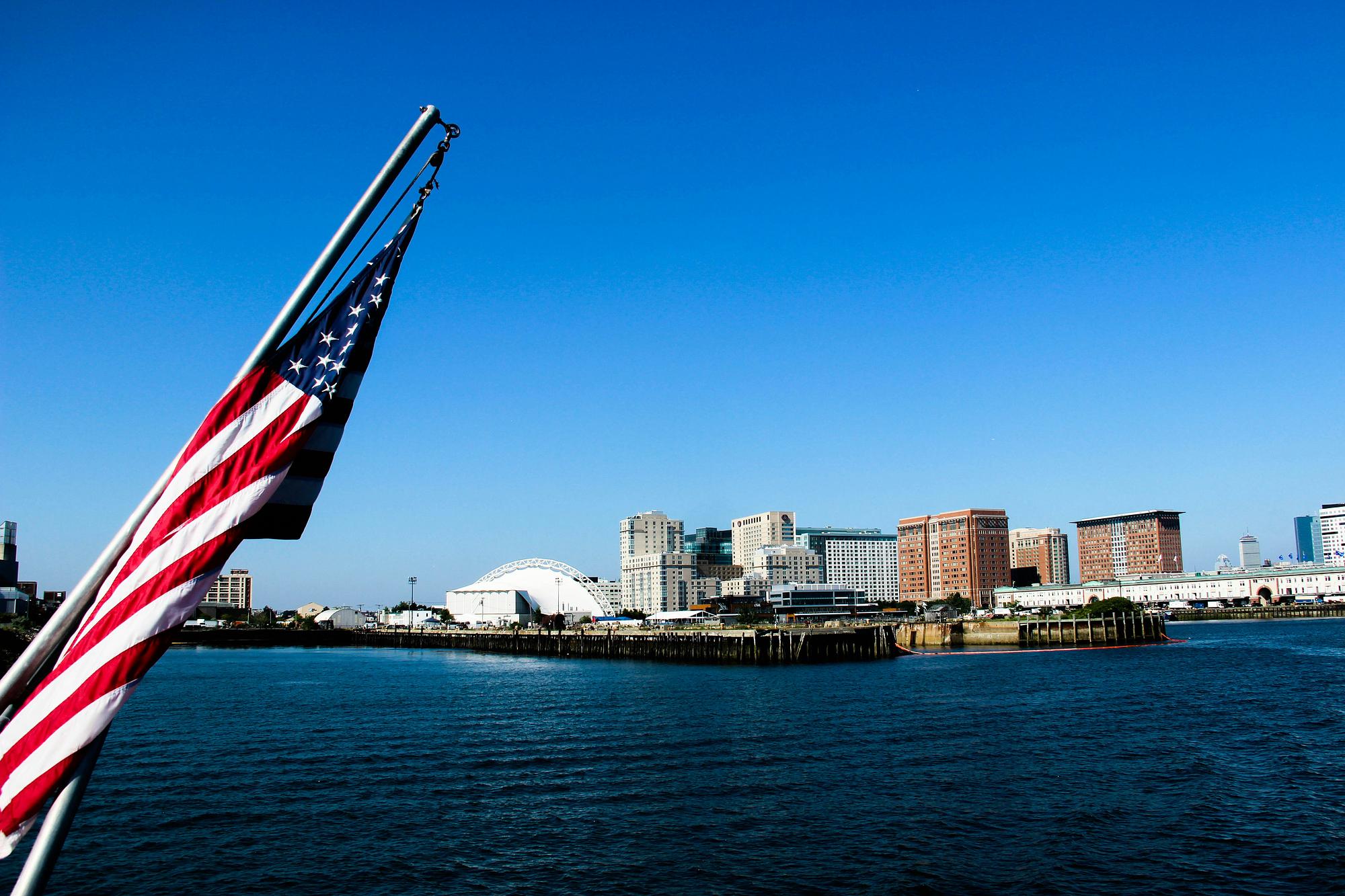
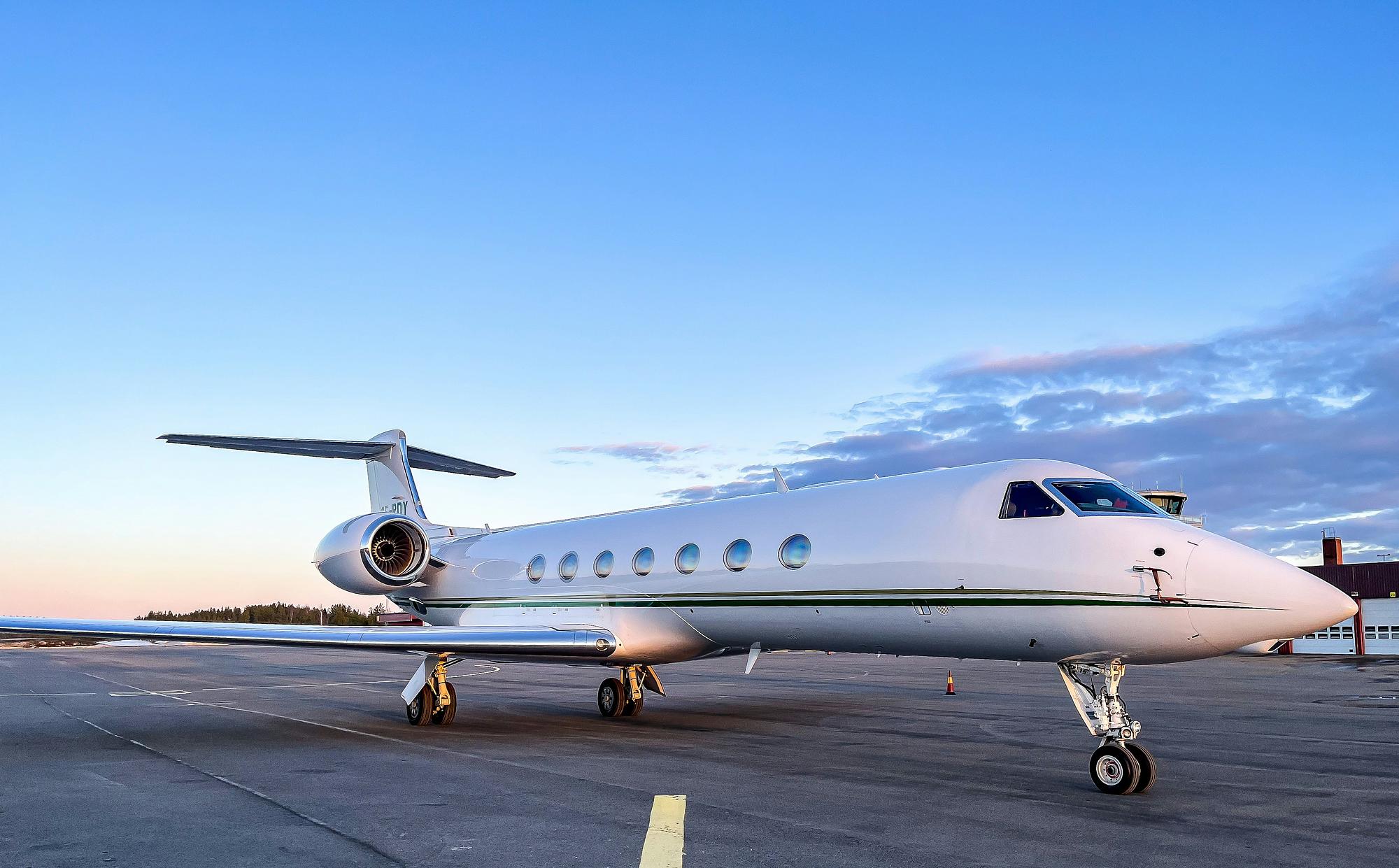





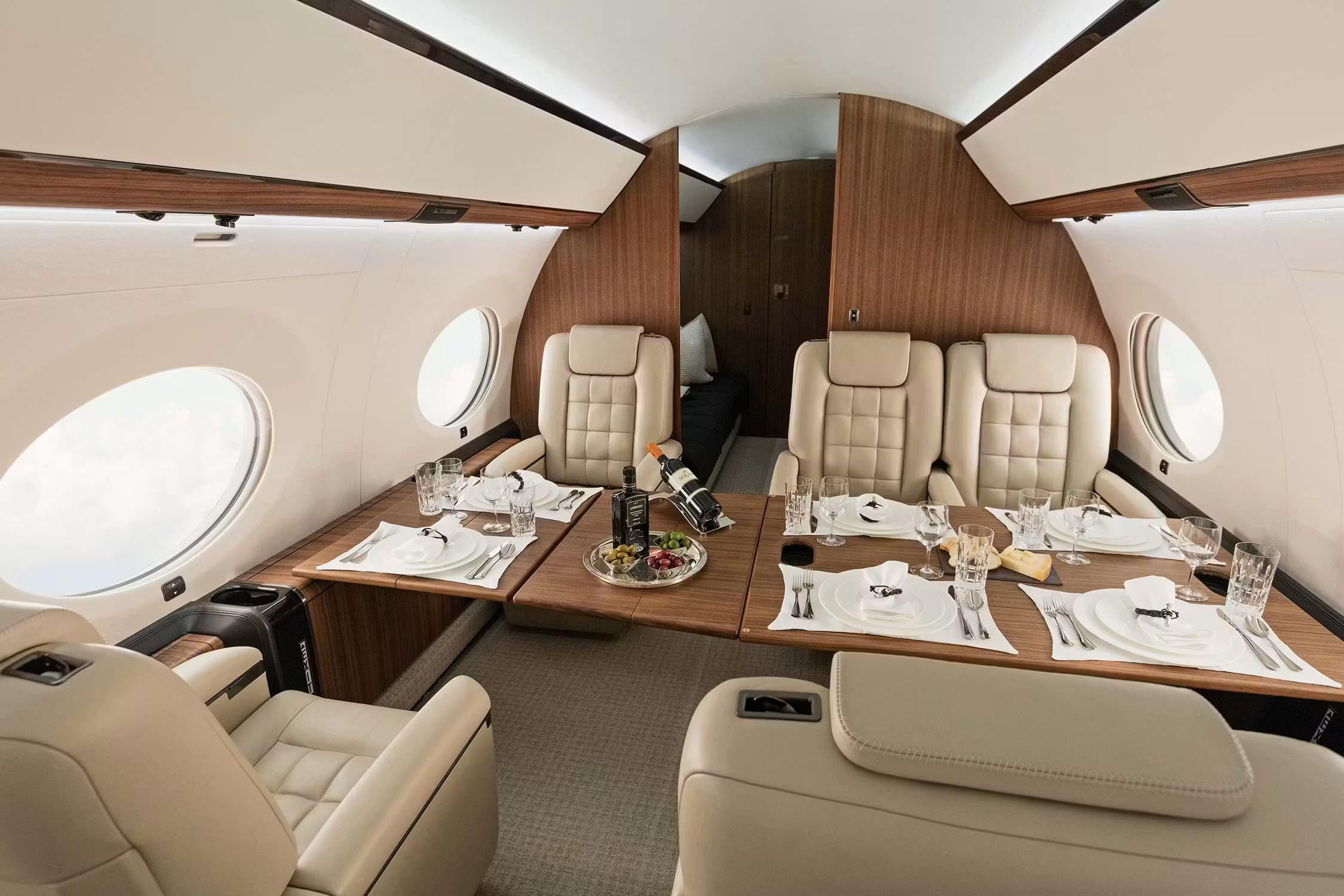



 Magellan Jets brings distinctive capabilities to Taormina travel through our asset-light model. Unlike providers with fixed fleets, we select the ideal aircraft specifically suited for your Sicilian journey—whether that means securing a Midsize Jet with enhanced range for Mediterranean crossings or an Ultra-Long-Range aircraft for direct flights from North America.