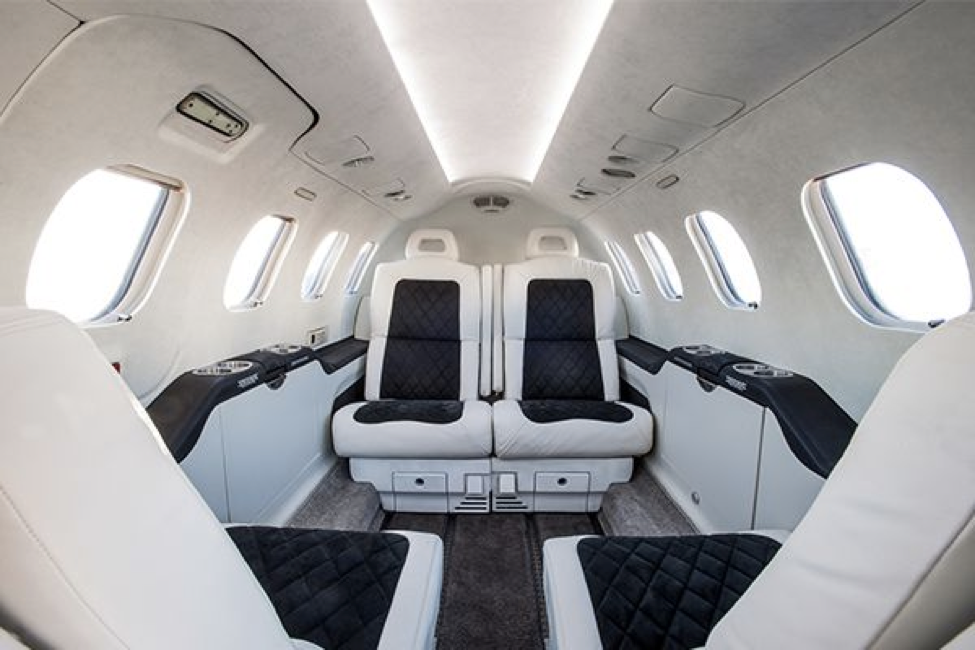
Luxury travel experiences are curated itineraries built around privacy, access, and time. They open doors that money alone cannot. Private aviation makes them possible with discretion and precision. Magellan Jets has designed these journeys for Private Clients since 2008. The best luxury travel experiences start where commercial travel ends. This guide shows what defines them and how to book them.
What Defines a Luxury Travel Experience?
A luxury travel experience is defined by four qualities. Privacy comes first, with space that belongs only to you. Personalization shapes every detail around your preferences. Access unlocks places and moments that most travelers never reach. Time is the final measure, since it is the rarest asset of all. A true luxury travel experience protects all four at once.
Ordinary trips optimize for cost or convenience. These journeys optimize for outcome. Every choice reflects your priorities, not a fixed itinerary. That distinction is the foundation of everything that follows.
How Private Jet Travel Elevates a Luxury Trip
Private jet travel changes the entire arc of a journey. You reach smaller airports closer to your destination. That can save hours of ground transfer time. There are no commercial security lines to endure. You depart on your schedule, not an airline’s.
Multi-stop days become simple to arrange. Visit three cities before dinner if the plan calls for it. A dedicated Private Aviation Advisor designs each mission around your goals. A Client Experience team then coordinates every ground detail. Flying private differs from first class in kind, not degree.
Magellan Jets Journeys are curated points of inspiration, not fixed packages. Each one is fully customizable to your interests and schedule. The following journeys show what private aviation makes possible.
Wine Country (Napa Valley)
This Journey centers on an exclusive stay at the Howard Backen Estate. You gain private vineyard access rarely offered to visitors. Sommelier-led tastings guide you through the region’s finest labels. Private aviation places you near Napa without long connections. You arrive rested and ready for the first pour.
Above the Vines is a wine tasting conducted at altitude. Magellan Jets Sommelier Jesse Rodriguez leads the experience personally. He served as Head Sommelier at The French Laundry. He is also a two-time James Beard Semifinalist. The tasting begins on the tarmac and continues as you climb. Rodriguez shows how elevation shifts aroma, texture, and flavor. Only a private cabin makes this possible.
This Journey spans the Tetons, Yellowstone, and Big Sky. Private excursions take you deep into open wilderness. Refined lodges await you at the end of each day. Private aviation reaches regional airfields near these remote parks. You spend your time in the landscape, not in transit.
Chile stretches from Easter Island to Santiago to the Atacama Desert. Few destinations combine such distinct worlds in one country. The Atacama Desert is prized for its exceptionally clear night skies. Private aviation links these far-flung points without commercial layovers. Your itinerary flows as one continuous journey.
Paris opens through private fashion access and early-entry museum visits. Michelin-starred dining anchors each evening. Iconic accommodations place you at the center of the city. Private aviation lets you arrive on your own terms. You skip the crowds and step straight into the moment.
This fjord journey moves through Bergen, Flåm, and Oslo. Private cruises carry you along dramatic coastal waters. Scenic railways reveal Norway from a different vantage. Private aviation connects each stage on your schedule. The fjords unfold at your pace, not a timetable’s.
The Masters is golf’s most iconic tournament. This journey pairs private aviation with guaranteed access. Curated hospitality surrounds every round you attend. Demand around Augusta strains commercial options each spring. Private aviation removes that friction entirely.
Bandon Dunes offers every championship course on the Oregon coast. A luxury villa stay grounds the trip. Chef-curated dining completes each day. The resort sits far from major commercial hubs. Private aviation reaches its nearby airfield with ease.
This journey is a private-jet tour of legendary U.S. Ryder Cup courses. You play where history was made. Private aviation moves you between venues efficiently. Each course becomes a destination in its own right. The itinerary bends to your ambitions.
Luxury travel experiences fall into several distinct types. Experiential and bespoke trips build everything around your interests. Culinary and wine journeys center on rare tastings and chefs. Golf journeys grant access to iconic courses and tournaments. Adventure and wilderness trips reach remote, protected landscapes. Cultural journeys open museums, fashion, and heritage sites. Each type rewards travelers who value depth over checklists.
Why Private Clients Choose Magellan Jets
Magellan Jets is an asset-light private aviation solutions provider. The company owns no aircraft. Instead it sources each mission from the Magellan Jets Preferred Network. That network holds fewer than 100 rigorously vetted operators. This model keeps every recommendation aligned with the Client’s interest.
Safety leads the culture. Magellan Jets is the sole private aviation solutions provider on the ACSF Board. The company also holds WYVERN Wingman certification. Private Clients report a 4.9-out-of-5 satisfaction rating. Magellan Jets has flown Private Clients to over 100 countries.
Every Private Client works with a dedicated Private Aviation Advisor. A Client Experience team coordinates each journey with care. Availability is guaranteed 365 days a year. There are zero blackout dates and no peak-day surcharges. Explore the Jet Card for frequent travelers. Consider On-Demand Charter for occasional missions.
Frequently Asked Questions About Luxury Travel Experiences (FAQs):
What defines a luxury travel experience?
A luxury travel experience is defined by privacy, personalization, and access. It reaches places and moments most travelers cannot. It also protects your time at every stage. The measure is outcome, not cost or convenience.
What are the best luxury travel experiences to book with a private jet?
The best options pair rare access with efficient travel. Wine journeys in Napa Valley are a strong example. Golf journeys to The Masters or Bandon Dunes rank highly. Remote trips through Chile or the American West also stand out. Private aviation makes each one smoother to arrange.
What are the 5 C’s of luxury travel?
The 5 C’s are culture, cuisine, community, content, and customization. Culture and cuisine ground the destination in place. Community connects travelers to people and shared moments. Content and curation shape a considered itinerary. Customization tailors the entire journey to the individual.
Where do wealthy travelers vacation?
Wealthy travelers favor destinations with privacy and access. Napa Valley, Paris, and Norway are frequent choices. Remote regions like Chile and the American West draw many. Signature events such as The Masters attract others. The common thread is exclusivity and time well spent.
How does private jet travel enhance a luxury vacation?
Private jet travel reaches smaller airports near your destination. It removes commercial security lines and rigid schedules. Multi-stop days become simple to plan. A dedicated Private Aviation Advisor and Client Experience team handle the details. You spend more time on the experience itself.
What are the different types of luxury travel experiences?
The main types include experiential and bespoke journeys. Culinary and wine trips form another category. Golf journeys and adventure or wilderness travel are popular. Cultural journeys round out the list. Each type suits a different traveler’s priorities.
The right journey depends on your goals, your calendar, and your curiosity. Matching them takes a conversation, not a catalog. That is where a dedicated advisor earns their place. Talk to a Private Aviation Advisor to design your next journey.
Travel to Cabo Verde is having a moment, and the appeal goes far beyond the headlines. This mid-Atlantic archipelago pairs year-round warmth with whale, dolphin, and sea turtle encounters, all set against a Portuguese colonial culture found nowhere else in the ocean.
Interest surged in October 2025, when Cabo Verde qualified for the FIFA World Cup for the first time, winning its group as one of the smallest nations ever to reach the finals. That milestone put a spotlight on islands that most American travelers still cannot place on a map.
Here is the part worth savoring: Cabo Verde remains gloriously uncrowded precisely because it takes effort to reach. Limited connectivity to North America is the barrier that keeps these islands under the radar, and the traveler who solves access is rewarded with the Atlantic on quieter terms.
How to Get to Cabo Verde From the United States
Getting there is the hardest part of the trip, and it is worth understanding before you fall in love with an island. Nonstop commercial service from the United States is limited and unreliable, so most travelers route through a European hub, adding a full day and at least one connection.
The islands sit roughly 3,500 to 3,900 miles off the US East Coast, and commercial itineraries typically reach Sal (GVAC) or Praia (GVNP) by way of Lisbon. It is a beautiful destination hiding behind an inconvenient map.
There is a more elegant answer. On-Demand Charter, private aviation booked on a per-trip basis, transforms a two-connection slog into a single coordinated mission to the island you actually want. Instead of waiting on a Lisbon layover, a Private Client departs from a US airport and arrives at GVAC, GVNP, GVBA, or GVSV entirely on their own schedule.
Cabo Verde Entry Requirements for US Travelers in 2026
The entry rules changed recently, and 2026 travelers should plan accordingly. Cabo Verde has moved away from visa-on-arrival for many nationalities, shifting the paperwork to before departure rather than at the arrivals desk.
US citizens staying 30 days or fewer do not need a tourist visa, but they must complete the EASE Electronic Travel Authorization and pay the airport security fee online before arrival. It is a small step with an outsized consequence if skipped.
On a private itinerary, entry is where the FBO earns its keep. An FBO, or fixed-base operator, is the private terminal that manages aircraft handling, customs coordination, and ground logistics on arrival. Working through an FBO with proper customs handling keeps EASE documentation, security fees, and clearance moving in the right order, which is standard practice on well-run international charters.
One misconception deserves correcting. Travelers agonize over which island to choose and treat entry as an afterthought, when in 2026 the advance authorization is the step most likely to trip them up.
The Transatlantic Range Reality: Aircraft and Routing
Travel to Cabo Verde is a genuine transatlantic mission, not a regional hop dressed up in exotic scenery. From KBOS in Boston or KTEB in Teterboro, the islands lie 3,500 to 3,900 miles east across open ocean, placing the trip firmly in heavy and ultra-long-range aircraft territory.
Depending on winds, passenger load, and runway conditions, an aircraft may fly nonstop or plan a technical fuel stop, a brief refueling landing with no change of crew or itinerary. This is routine on long ocean crossings, and matching the right aircraft to the specific payload is what makes the trip predictable rather than uncertain.
Aircraft in this category are sourced under Part 135, the FAA regulation governing on-demand charter operations. Magellan Jets is proud to hold the highest safety standards in the industry. Flights are always sourced from the Magellan Jets Preferred Network, fewer than 100 rigorously vetted operators out of roughly 3,000 licensed in the US.
Choosing Your Island: Sal and Boa Vista vs. Everywhere Else
Cabo Verde’s 10 islands divide neatly into two kinds of trips, and knowing which one you want shapes everything downstream. Sal and Boa Vista are the resort islands, capturing nearly 90% of the country’s tourism revenue through all-inclusive beach properties along impossibly wide sands.
If the vision is sun, sea, and effortless logistics, GVAC on Sal or GVBA on Boa Vista is your gateway.
The other islands reward a different appetite entirely. Santiago holds Praia, the capital, and the country’s cultural heartbeat, while Santo Antão delivers some of the Atlantic’s most dramatic ridge hiking. São Vicente, reached through GVSV, is the soulful home of morna music, and Fogo builds an entire island around a live volcano. These are journeys of culture and landscape, not lounge chairs, and they are all the richer for it.
When to Visit Cabo Verde
The islands stay warm all year, so timing your travel to Cabo Verde is about wind and rain rather than temperature. The dry season, roughly November to April, offers the most reliable weather across the archipelago.
Each window carries its own character. June to October favors beach travelers with warmer water and gentler breezes, while January to March brings stronger wind better suited to kitesurfing than to still afternoons on the sand. Whale and sea turtle activity shifts with the seasons too, so let the reason for the trip set the calendar.
Planning a Cabo Verde Trip Without the Friction
Once the island and season are chosen, the trip becomes a logistics exercise: transatlantic routing, EASE authorization, FBO customs handling, and ground coordination on arrival. Managed piecemeal, each step introduces delay. Managed together, they become a single seamless itinerary.
This is exactly where a coordinated private mission earns its place. Magellan Jets is a Boston-founded, asset-light private aviation solutions provider offering On-Demand Charter, Jet Cards, Fractional Ownership, and Aircraft Sales & Management. Founded in 2008, the company holds a seat on the Air Charter Safety Foundation (ACSF) Board, carries WYVERN Wingman certification, and maintains a 4.9/5 Client satisfaction rating (Magellan Jets, 2026).
For a one-off transatlantic run like Cabo Verde, On-Demand Charter is the natural fit, matching a specific aircraft to a specialized international mission without a program commitment. A Client flying 25 or more hours a year may find a Jet Card the better long-term structure, but the crossing itself is charter territory. The right answer depends on how you fly the rest of the year, and that is a conversation worth having. Contact a Private Aviation Advisor to map the routing and entry logistics before you commit to dates.
Reaching an Archipelago That Stays Worth the Effort
Cabo Verde stays uncrowded because it stays hard to reach, and that is the quiet luxury at the heart of the destination. The real work is not choosing between Sal’s beaches and Santo Antão’s ridges. It is the transatlantic routing, the 2026 EASE authorization, and the customs handling that a coordinated private mission absorbs entirely.
Handle the access, and the archipelago opens on your schedule. Contact a Private Aviation Advisor to plan the crossing, the entry requirements, and the island itinerary as one mission.
Frequently Asked Questions About Cabo Verde Travel (FAQs):
Do US Citizens Need a Visa or EASE Authorization for Cabo Verde?
US citizens do not need a tourist visa for stays of 30 days or less, but the paperwork now happens before departure. Travelers must complete the EASE Electronic Travel Authorization and pay the airport security fee online before arrival, as Cabo Verde has moved away from visa-on-arrival (U.S. Department of State, 2025; Sherpa, 2026).
Is There a Nonstop Flight to Cabo Verde From the United States?
Reliable nonstop US commercial service to Cabo Verde is limited and cannot be counted on, so most travelers connect through a European hub. A private transatlantic flight can reach the islands directly, depending on aircraft range and routing.
Which Cabo Verde Island Is Best for a First Visit?
For a first visit built around beaches and easy logistics, Sal (GVAC) or Boa Vista (GVBA) is the natural choice, home to the main international gateways and all-inclusive resorts. Travelers drawn to culture, hiking, and dramatic scenery should look to Santiago, Santo Antão, São Vicente, or Fogo instead.
When Is the Best Time to Visit Cabo Verde?
The dry season, roughly November to April, delivers the most consistent weather across the islands. June to October favors beach travelers with warmer water, while January to March brings stronger wind suited to water sports, and temperatures stay warm year round.
Is a Private Flight to Cabo Verde Feasible From the US?
Yes. The islands sit roughly 3,500 to 3,900 miles from the US East Coast, a distance heavy and ultra-long-range aircraft handle comfortably, sometimes with a technical fuel stop. Success comes down to matching the right aircraft category to passenger load and runway conditions.
Is Cabo Verde Safe for Travelers?
The U.S. Department of State places Cabo Verde at Level 1, “Exercise normal precautions,” nationally, with Praia carrying a Level 2 advisory due to crime. Standard travel precautions apply, as they would in most destinations.
For five days each autumn, a stretch of the Fort Lauderdale waterfront becomes the busiest address in yachting. Flying private to the Fort Lauderdale International Boat Show 2026 means arriving inside that window, when tens of thousands of visitors and hundreds of aircraft crowd a narrow band of South Florida coast. The boats claim every slip, and the airports fill every ramp. What follows is the planning framework that decides whether you arrive on your own schedule or hunt for the last open ramp.
When and Where the 2026 Fort Lauderdale International Boat Show Takes Place
The 2026 Fort Lauderdale International Boat Show, the 67th edition, runs October 28 through November 1, 2026. It is the world’s largest in-water boat show, staged across waterfront venues including the Broward County Convention Center, Bahia Mar Yachting Center, Hall of Fame Marina, Las Olas Marina, the 17th Street Yacht Basin, and the Superyacht Village at Pier Sixty-Six South. The core address is 801 Seabreeze Blvd, Fort Lauderdale, FL 33316.
Scale is what turns this into an aviation event. The 2025 show drew more than 100,000 visitors, 1,300 vessels, and 1,000 exhibitors from 50 countries across roughly 90 acres. That edition generated $1.78 billion in economic output across Florida.
A crowd of that size concentrates private travel onto a handful of general-aviation fields in the same five days.
Where Yachts and Jets Meet
The people who walk the docks at Bahia Mar tend to want the same thing from a jet that they want from a yacht: control of their own schedule. A private aircraft lets you depart when you decide, not when an airline decides, and land close to the water instead of fighting commercial traffic into a crowded market. For a Private Client attending the world’s largest in-water boat show, that control is the whole point.
The practical benefits are easy to name. You fly in on the day and hour that suit your calendar. You land at a general-aviation field minutes from the marina, clear a private terminal instead of a packed commercial concourse, and reach the docks on a short ground transfer. Privacy holds the entire way, with no crowds and no public terminal.
Service is the other shared standard. The care that defines a well-run vessel is the same care a Private Client expects from the operator flying the mission: attentive, precise, and prepared before you have to ask. That standard is why arriving by private aircraft fits the show so naturally. The jet gets you there on your terms, and the day at the docks proceeds the way you planned it.
Where to Land: Fort Lauderdale
South Florida gives you four practical arrival points, and the right one turns on how close you want to land to the water. Fort Lauderdale Executive (KFXE) sits about 15 minutes from downtown Fort Lauderdale. A fixed-base operator, or FBO, is the private terminal where your aircraft parks and where you clear ground handling, catering, and transportation.
Fort Lauderdale-Hollywood International (KFLL) sits closest to the beachfront show venues, though it shares its runways with heavy commercial traffic. Opa-locka Executive (KOPF) lies about 25 minutes from downtown Miami and is served by three FBOs: Atlantic Aviation, Fontainebleau Aviation, and Signature Flight Support. Palm Beach International (KPBI) is roughly 10 minutes from downtown West Palm Beach and works well as a less congested alternative to the north.
For proximity to the docks, KFXE and KFLL are the strongest options, with KOPF and KPBI serving as pressure valves when nearer ramps fill. Your Private Aviation Advisor should weigh landing distance against realistic ramp availability, not proximity alone.
How Event-Week Demand Changes Availability and Pricing
Booking the flight the same week you book the hotel is precisely where boat-show trips come apart. Event weeks drive higher South Florida private jet demand and tighter ramp and parking capacity across the region’s general-aviation fields. FLIBS sits at the front edge of the winter travel season, so the surge compounds on itself.
Aircraft, crews, and parking slots are finite during a concentrated five-day event. When demand spikes and supply is fixed, the aircraft that remain command higher rates, and parking near the show becomes the first thing to disappear. The same dynamic shapes any major event, which is why planning private travel around a major event starts with lead time, not last-minute booking.
The practical rule is to lock your aircraft and ground logistics as far ahead as your schedule allows, ideally weeks out. Early commitment is what protects both your arrival window and your position near the docks.
On-Demand Charter or a Jet Card: Matching the Program to How You Fly
The right program depends on how often you fly, not on the show itself. A traveler attending FLIBS as a single trip, or moving a larger group with irregular needs, is well matched to On-Demand Charter. It is trip-by-trip access with no upfront commitment, sourced from the Magellan Jets Preferred Network, and it suits Private Clients flying fewer than 25 hours a year.
A reader who returns to FLIBS annually, and who also flies to other South Florida events through the winter, is a different case. That pattern favors a customizable Jet Card, which provides guaranteed 24/7/365 availability, zero blackout dates, and no peak-day surcharges. Hours start at a 25-hour minimum and never expire, and Advantage Routes preferred pricing rewards the corridors Clients actually fly. The 50-hour Challenger Jet Card is the flagship product, with a 7% rate reduction at that tier.
Neither option is universally correct, and the same Private Client’s needs shift over time. A conversation is the fastest way to match the structure to your travel pattern. Contact a Private Aviation Advisor to work through the fit before boat-show week.
What Guaranteed Availability Actually Means During a Peak Event
Guaranteed availability is easy to promise and far harder to honor when every private aviation provider is chasing the same ramp on the same Wednesday. For the Jet Card, it carries a firm meaning: no blackout dates, no peak-day surcharges, and rate-locked pricing that holds through the surge. That is the line between a confirmed arrival and a waitlist during a five-day demand spike.
The safety substance behind that commitment matters just as much. Magellan Jets sources every mission from the Preferred Network, fewer than 100 vetted operators out of roughly 3,000 licensed in the U.S. Those operators carry $100 million to $300 million in liability insurance, and their captains average more than 9,700 flight hours. This is the foundation of safety standards that exceed federal minimums.
Magellan Jets is a private aviation solutions provider, founded in Boston in 2008, offering Jet Cards, On-Demand Charter, Fractional Ownership, and Aircraft Sales and Management. Its asset-light model means it does not own or operate aircraft, so every recommendation serves the Client rather than fleet utilization. It is the only asset-light private aviation solutions provider on the ACSF (Air Charter Safety Foundation) Board, holding the Chairman seat for more than six years, and it maintains a 4.9-out-of-5 satisfaction rating.
Planning Your Arrival and Ground Logistics for Boat-Show Week
A clean arrival at FLIBS is a logistics exercise that begins on the ramp and ends at the water. Once the aircraft and airport are confirmed, the next layer is the link between the FBO and the docks, which tightens along with everything else during event week. Arranging ground transportation to the docks in advance keeps that final leg short and predictable.
Group travel adds another dimension. Marine-industry principals often arrive with brokers, clients, and family. Catering, vehicle staging, and arrival timing all need to align before the show opens. A dedicated Private Aviation Advisor and Client Experience team handle those details so the arrival matches the schedule you set.
The trips that go smoothly share one trait: the decisions were made early. Airport choice, booking lead time, and program structure are the three levers, and each one loses value the closer you get to October 28. Lock them in sequence, and boat-show week becomes a matter of showing up. Contact a Private Aviation Advisor to build the plan.
Frequently Asked Questions About Flying Private to the Fort Lauderdale International Boat Show 2026 (FAQs):
When is the 2026 Fort Lauderdale International Boat Show?
The 2026 Fort Lauderdale International Boat Show, its 67th edition, runs October 28 through November 1, 2026 (FLIBS, 2026). It is held across multiple waterfront venues in Fort Lauderdale, with a core address of 801 Seabreeze Blvd. It remains the world’s largest in-water boat show.
Which airport is closest to the Fort Lauderdale boat show?
Fort Lauderdale-Hollywood International (KFLL) sits closest to the beachfront show venues, and Fort Lauderdale Executive (KFXE) is about 15 minutes from downtown Fort Lauderdale (Privé Jets, 2025). Opa-locka Executive (KOPF) and Palm Beach International (KPBI) serve as alternatives when the nearer ramps fill.
How far in advance should I book a private flight for boat-show week?
Book as early as your schedule allows, ideally several weeks out. Event weeks drive higher demand and tighter ramp capacity across South Florida airports (Global Charter, 2026). Early booking protects both your arrival window and your parking position near the show.
Is On-Demand Charter or a Jet Card better for attending FLIBS?
On-Demand Charter fits a one-time trip or an irregular group, with no upfront commitment. A Jet Card fits a repeat annual attendee who also flies to other South Florida events, offering guaranteed availability with no blackout dates or peak-day surcharges. The right choice depends on how often you fly.
What does an FBO do during a private jet arrival?
An FBO, or fixed-base operator, is the private terminal where your aircraft parks and where ground handling takes place. They often have amenities such as showers, snacks, conference space, and more. It helps coordinate fuel, parking, catering, and the transfer between the aircraft and your ground transportation. During event week, FBO parking near the show is the first capacity to fill.
Why Fly Private to the Hamptons
The drive from Manhattan to the Hamptons can stretch beyond five hours on peak weekends. Friday afternoon traffic on the Long Island Expressway turns a weekend escape into an ordeal. A private flight covers the same distance in 25 to 45 minutes.
No commercial terminals. No security lines. Arrive just 15 minutes before departure. Step directly onto the aircraft and take off on your own schedule. There is no boarding process to navigate and no gate assignment to find.
Memorial Day through Labor Day marks the highest demand window. Advance planning ensures aircraft availability during these sought-after weekends. Thursday and Friday departures fill earliest. Early coordination with a Private Aviation Advisor is key.
Private aviation also opens possibilities that ground travel cannot. Travel with pets in the cabin beside you. Customize catering to your preferences. Board with oversized luggage, golf clubs, or surfboards without restriction.
The shift in experience is tangible. You spend less time traveling and more time enjoying the East End. That is why discerning travelers choose private flights to the Hamptons each summer.
Summer 2026 brings strong demand for Hamptons travel. Many Private Clients book their summer flight schedules months in advance. A recurring Jet Card arrangement ensures your preferred departure times stay reserved throughout the season.
How Much Does It Cost to Fly Private to the Hamptons
Cost is one of the first questions travelers ask. The answer depends on several factors. Aircraft category, departure location, seasonality, and booking method each influence the final price. Charter Clients are subjected to pricing surges due to high demand
Jet Card Ownership changes the equation entirely. Magellan Jets Jet Card Owners lock in preferred hourly rates. They pay no seasonal surcharges. They pay no peak-day fees. That consistency simplifies budgeting across an entire summer of Hamptons travel.
On-Demand Charter serves travelers who fly to the Hamptons occasionally and are ok with variable pricing. Each trip is sourced individually from the Preferred Network. There is no long-term commitment required. It is the right option for one-off trips or first-time private flyers.
Here is a key distinction. Magellan Jets does not charge peak-day surcharges. Many operators add surcharges during holiday weekends and high-demand Fridays. Jet Card Owners pay the same rate on the Fourth of July as on any other day.
That pricing transparency sets Magellan Jets apart. Travelers can plan an entire summer of Hamptons trips without worrying about fluctuating costs. The rate you see when you book is the rate you pay.
Hamptons Airport Options for Private Jets
Three airports serve the Hamptons. Each offers distinct advantages. The right choice depends on your aircraft type, party size, and final destination on the East End.
East Hampton Airport (KJPX)
Formerly designated KHTO, East Hampton Airport sits minutes from the village and Sag Harbor. Its 4,255-foot runway accommodates helicopters, turboprops, and select light jets.
Noise restrictions and limited operating hours apply year-round. Airport access requirements have changed in recent years. Your Private Aviation Advisor confirms current restrictions and handles coordination in advance.
East Hampton Airport is the closest option to the village’s restaurants, galleries, and boutiques. Travelers heading to Sag Harbor or Amagansett also find it the most convenient arrival point. Ground transportation from the airport to most East Hampton destinations takes under 10 minutes.
Westhampton Beach / Francis S. Gabreski Airport (KFOK)
Gabreski Airport offers a 9,002-foot runway. That length accommodates any private jet. Light jets, midsize, super-midsize, and heavy cabin aircraft all operate here without restriction.
The airport sits roughly 20 to 30 minutes from Southampton by car. No curfew restrictions limit departure or arrival times. Travelers heading to Bridgehampton, Water Mill, or Southampton find Gabreski the most practical option.
Its operational flexibility makes Gabreski the preferred airport for larger groups. Families with children, corporate retreats, and multi-generational travel parties benefit from the wider aircraft selection it supports.
Montauk Airport (KMTP)
Montauk Airport features a 3,246-foot runway. It is suited primarily for helicopters. The airport sits minutes from Montauk’s beaches, restaurants, and waterfront hotels. Travelers focused on the easternmost tip of Long Island use Montauk as their entry point.
NYC Departure Airports
Most Hamptons flights depart from the New York metropolitan area. Teterboro (TEB) in New Jersey is the region’s busiest private aviation airport. White Plains (HPN) serves Westchester County travelers well.
Bedford (BED) in Massachusetts is home to the Magellan Jets private terminal. It offers a personalized departure experience. The terminal is staffed by the Magellan Jets team, ensuring a tailored start to every trip.
Your Private Aviation Advisor selects the departure airport based on your location. The goal is to minimize drive time and match the airport to the right aircraft.
Helicopter vs. Private Jet to the Hamptons
Both options cover the distance from Manhattan in roughly 30 to 40 minutes. The similarities end there. Each mode of transport serves different traveler profiles.
Helicopters typically seat five to six passengers. Luggage space is minimal. A family with beach gear, golf clubs, and weekend bags can find helicopter cabins constraining. Also, noise levels are notably higher.
Private jets accommodate more passengers with significantly more luggage capacity. Pressurized cabins provide a quieter, more comfortable ride. Wider cabin space allows passengers to move freely during the flight. Climate-controlled cabins keep everyone comfortable regardless of weather.
Jets access multiple Hamptons airports. That includes the full-length runway at Gabreski. Helicopters land at designated heliports with more limited geography. For families or groups traveling with extensive luggage, private jets offer the clear advantage.
Travelers who prioritize flexibility and cabin comfort choose jets. Those flying solo for a quick day trip may find helicopters sufficient. Your Private Aviation Advisor helps determine the best fit.
Cost is another consideration. Helicopter pricing per seat can approach private jet charter rates for a full cabin. When splitting the cost among a group of four or more, jets often deliver greater value per passenger.
Best Aircraft for Hamptons Flights
The right aircraft depends on group size, luggage volume, and destination airport. Magellan Jets matches each trip to the ideal aircraft from its Preferred Network. Here are the most common categories for Hamptons routes.
Light jets (Phenom 300): Short-field performance makes them ideal for East Hampton’s restricted runway. They seat four to six passengers comfortably. The Phenom 300 is a top choice for couples or small groups.
Midsize jets (Citation XLS+): Enhanced cabin space serves corporate groups of up to seven. A strong choice for business retreats or partner weekends on the East End. Generous legroom keeps passengers comfortable.
Super-midsize jets (Challenger 350): Built for families with children and luggage heading to Westhampton. Baggage compartments handle strollers, surfboards, and full-size suitcases with ease. The cabin seats up to nine.
Heavy jets: Designed for international arrivals heading to Long Island. Seat 9 to 15 passengers in stand-up cabins. Full galley service, enclosed lavatories, and ample storage suit extended stays.
Your Private Aviation Advisor recommends the right aircraft based on your party size, itinerary, and airport selection. The goal is to match the aircraft to the trip, not the other way around.
Because Magellan Jets does not own a fleet, there is no incentive to steer you toward a specific aircraft. Every recommendation is made solely in the client’s interest. That objectivity is a direct benefit of the asset-light model.
What to Do in the Hamptons
The Hamptons reward exploration. From Sag Harbor’s galleries to Montauk’s surf breaks, every part of the East End offers something distinct. Here are destinations worth building a trip around.
Hampton Classic Horse Show (Late August 2026): One of the country’s top equestrian events. A week of grand prix jumping draws riders and spectators from around the world.
Parrish Art Museum: Designed by Herzog & de Meuron, the museum showcases works by East End artists. Its architecture alone merits a visit.
Topping Rose House: Jean-Georges Vongerichten’s farm-to-table restaurant in a restored 19th-century Bridgehampton mansion. Reserve well ahead for summer weekends.
The Bridge: A members-only golf club on the former Bridgehampton Race Circuit. An exclusive destination for golf enthusiasts.
Sunset Beach Hotel: André Balazs’ Shelter Island retreat. A boutique hotel and restaurant steps from the waterfront.
Navy Beach: Waterfront dining in Montauk with sunset views over Fort Pond Bay. A laid-back contrast to the South Fork’s more formal restaurants.
Summer 2026 also brings seasonal pop-ups, vineyard tastings, and waterfront concerts across the East End. The Hamptons social calendar fills rapidly between June and September. Planning around key events ensures you experience the best of the season.
Your Client Experience team coordinates ground transportation between the airport and each destination. Dinner reservations, event tickets, and local recommendations are all part of the service. Every detail is handled before you land.
The Magellan Jets Advantage for Hamptons Travel
Safety defines how Magellan Jets operates. It is the foundation beneath every flight, every aircraft selection, and every operator relationship in the Preferred Network.
Magellan Jets holds a Chairman seat on the Air Charter Safety Foundation Board. The company has held that position for more than six years. It is the only private aviation company represented at that level.
Every operator in the Preferred Network carries $100 million to $300 million in liability insurance. Average flight hours per flight crew exceed 7,800. WYVERN Wingman Certification validates the company’s safety standards through independent audit.
The asset-light model is a deliberate advantage. Magellan Jets does not own aircraft. That means every recommendation serves the client’s needs alone. There are no fleet-utilization conflicts steering travelers toward a company-owned plane.
Jet Card Ownership provides guaranteed availability 365 days a year. No blackout dates. No peak-day surcharges. Fixed rates bring predictability to every Hamptons trip.
Client funds are never co-mingled. They never expire. They remain fully protected. That financial structure reflects the same standard of care Magellan Jets applies to safety and service.
Private Aviation Advisors build bespoke travel plans for each East End trip. They know which airports match your aircraft, which routes save time, and which operators deliver the highest standard of service.
The Client Experience team handles everything beyond the flight. Ground transportation, catering preferences, pet accommodations, and personalized cabin configurations are all coordinated before you arrive at the airport.
The Magellan Jets private terminal in Bedford, Massachusetts, offers a curated departure experience. It is a convenient starting point for Hamptons flights and East Coast travel.
Magellan Jets holds a 4.9 out of 5.0 client satisfaction rating. That score reflects thousands of trips planned with attention to every detail. It is why Private Clients return season after season.
Frequently Asked Questions About Flying Private to the Hamptons (FAQs):
What airport is closest to East Hampton?
East Hampton Airport (KJPX) is the closest option. It sits minutes from East Hampton village and Sag Harbor.
How much does it cost to fly private to the Hamptons?
Light jet charters from New York typically start around $5,000 to $8,000 one way based on market conditions. Jet Card Ownership provides preferred rates. It also eliminates seasonal surcharges entirely.
Is a helicopter faster than a private jet to the Hamptons?
Both take roughly 30 to 40 minutes from Manhattan. Jets carry more passengers and far more luggage than helicopters.
Can I fly with pets on a private jet to the Hamptons?
Yes. Pets travel in the cabin with you on every flight. Inform your Private Aviation Advisor in advance. Learn more about flying private with dogs.
Where do private jets land in the Hamptons?
Three airports serve the area. East Hampton (KJPX) is closest to the village. Westhampton Beach/Gabreski (KFOK) handles all aircraft sizes. Montauk (KMTP) serves primarily helicopters.
Can I book a private flight to the Hamptons last minute?
Yes. On-Demand Charter flights can be arranged with short notice. Jet Card Owners receive priority access and guaranteed availability.
When is the best time to book a private flight to the Hamptons?
Book early for Memorial Day through Labor Day weekends. Thursday-to-Sunday flights see the highest demand each week. Planning two to four weeks ahead is recommended for peak periods.
Start Your Hamptons Journey
The East End is closer than you think. A 30-minute flight replaces hours on the expressway. You arrive at the beach before lunch.
Whether you fly for a long weekend or the entire summer, Magellan Jets tailors every detail to your plans. From aircraft selection to ground transportation, every element of the journey is built around you. Your Private Aviation Advisor is ready to design your Hamptons travel program.
The best private jet charter company prioritizes safety, pricing transparency, and personalized service above all else. Look for third-party safety certifications, an asset-light operating model, and a dedicated aviation advisor. A provider that puts your interests first will never pressure you into a specific aircraft or route.
What to Look for in a Private Jet Charter Company
Not every private aviation provider earns your trust. The differences between companies are significant and directly affect your experience. Use this checklist to evaluate any provider before committing your time or your funds.
1. Third-Party Safety Certifications
Ask whether the company works exclusively with ARGUS-rated and Wyvern-certified operators. These voluntary certifications signal commitment beyond FAA minimums. Providers who invest in independent safety audits protect you at every stage of the flight. Certifications are not a marketing badge. They represent ongoing accountability to external safety standards.
2. Transparent Pricing
Hidden fees erode trust fast. Ask about repositioning charges, peak-day surcharges, fuel surcharges, and segment fees upfront. The best providers present all-inclusive quotes with no surprises after departure. If a company cannot give you a clear total before you confirm, that is a warning sign.
3. An Asset-Light Model
Companies that own aircraft face a built-in conflict of interest. They need to fill their fleet, even when another plane would serve you better. An asset-light provider sources the ideal aircraft for every mission from a vetted operator network. This model ensures every recommendation is made in your interest alone.
4. Dedicated Advisory Support
A real team of dedicated professionals — not a call center — should coordinate every detail of your travel. Ground transportation, catering, schedule changes, and last-minute requests deserve personal attention. Your team should know your preferences before you ask. The difference between a transactional booking and a curated experience starts here.
5. Operator Vetting Standards
How many operators does the company work with? A larger number is not always better. A selective network signals higher standards and greater quality control. Fewer vetted partners means greater consistency and accountability on every single flight. Ask how the company evaluates and monitors its operator partners over time.
6. Financial Stability
Ask about the company’s ownership structure and financial health. Privately owned, debt-free providers have no outside pressure to cut corners or prioritize investors. Your funds should be protected in a separate account and never co-mingled with operations. Financial stability is not just a business metric. It directly affects whether your travel funds are secure.
7. Client Satisfaction Track Record
Look for verified ratings, published satisfaction scores, and independent industry recognition. Awards from Robb Report or placement on the Inc. 5000 are earned through consistent performance. Marketing claims are easy to make. A sustained record over many years tells you far more than a polished website.
8. Technology and Trip Sourcing
Modern trip-sourcing technology ensures you receive the best aircraft and pricing for each flight. Ask whether the provider uses data-driven tools to compare operators, routes, and availability in real time. Technology should enhance — not replace — the human advisory relationship. The best companies combine both to deliver better outcomes on every trip.
Safety Certifications That Matter: ARGUS, WYVERN, and IS-BAO
Safety in private aviation is not regulated the same way as commercial airlines. The FAA sets baseline standards, but third-party audits fill critical gaps. Three organizations set the benchmark for voluntary safety oversight in business aviation.
ARGUS International
ARGUS rates operators based on safety history, regulatory compliance, and operational data. An ARGUS rating means the operator voluntarily submitted to an independent safety review. Gold+ and Platinum ratings reflect the deepest levels of scrutiny and the strongest track records. Not all private aviation companies require their operators to carry an ARGUS rating. The best ones do.
Wyvern Wingman
Wyvern evaluates operators on pilot qualifications, maintenance programs, and safety management systems. The Wingman standard is one of the most rigorous in the industry. It goes beyond compliance to assess how an operator manages risk on an ongoing basis. Magellan Jets holds WYVERN Wingman Broker Certification — a distinction earned by very few private aviation providers.
IS-BAO
The International Standard for Business Aircraft Operations (IS-BAO) is managed by the International Business Aviation Council (IBAC). It establishes global best practices for flight operations and safety management. IS-BAO registration signals an operator’s commitment to continuous safety improvement across every area of operations.
Why Magellan Jets Leads on Safety
Magellan Jets is the only asset-light private aviation company represented on the Air Charter Safety Foundation (ACSF) Board. Company leadership has held the Chairman seat for over six years. This is not a passive membership. It reflects active, ongoing involvement in shaping safety standards for the entire industry.
Captains in the Magellan Jets Preferred Network average 9,700+ flight hours. Every operator carries $100M–$300M in liability insurance. The company operates a proactive Safety Management System (SMS) across all operations, identifying and addressing risks before they become incidents.
Private aviation pricing varies widely between providers and programs. Understanding the common cost structure helps you avoid surprises and choose wisely. The right provider makes this straightforward from your very first conversation.
Common Hidden Fees to Watch For
Repositioning fees: Charges for moving an empty aircraft to your departure airport before the trip begins
Peak-day surcharges: Premium pricing during holidays, major events, and other high-demand travel periods.
Fuel surcharges: Variable fees added after your initial quote based on fluctuating fuel costs.
Segment fees: Per-leg charges that inflate the total cost of multi-stop or round-trip itineraries.
Overnight and crew fees: Extra charges when flights require overnight crew accommodations at the destination.
These fees are not always disclosed during the initial quoting process. Some providers bury them in the fine print. Always request a fully itemized quote before confirming any trip.
How Transparent Pricing Protects You
A trustworthy provider presents an all-inclusive quote before you confirm your flight. There should be no surprise charges after departure or upon landing. Magellan Jets does not charge peak-day surcharges, which is a practice that is common elsewhere in the industry. All costs are disclosed upfront so you can plan and budget with full confidence.
This distinction shapes every recommendation a provider makes. It determines whether the advice you receive is truly objective or influenced by internal business pressures.
The Problem with Fleet Ownership
Companies that own aircraft need to fill their planes to remain profitable. That financial priority can directly conflict with finding the best aircraft for your specific trip. Fleet owners may steer you toward available inventory rather than the ideal option for your route and schedule. Maintenance windows and fleet utilization targets create further scheduling constraints. The result is a system where the provider’s needs can quietly take priority over yours.
How Asset-Light Sourcing Benefits Private Clients
An asset-light private aviation provider does not own aircraft. Instead, it sources the right plane for every trip from a curated network of vetted operators. This eliminates fleet-utilization conflicts entirely. Every recommendation is made in your interest and your interest alone. There is no inventory to fill, no fleet to amortize, and no internal pressure to upsell.
Magellan Jets built its business on this model from day one. The asset-light approach keeps the company agile, client-focused, and free from the compromises that fleet ownership creates.
The Preferred Network
Magellan Jets works with fewer than 100 operators out of more than 3,000 licensed in the United States. Each operator undergoes rigorous safety, maintenance, and performance vetting before joining the network. Ongoing monitoring ensures standards are maintained — not just met at the time of entry. This selectivity ensures consistency, accountability, and the highest operating standards on every flight.
Choosing the Right Aircraft for Your Trip
The right aircraft depends on your passenger count, distance, luggage requirements, and onboard preferences. Here are the four main categories of private jets. Explore the full Magellan Jets aircraft guide for detailed specifications and cabin layouts.
Light Jets
Light jets seat 6–8 passengers and excel on short-to-mid-range flights. They offer efficient performance and access to smaller airports with shorter runways. Popular models include the Citation CJ3+ and Phenom 300E.
Midsize Jets
Midsize jets offer a larger cabin, more luggage space, and greater range than light jets. They seat 7–9 passengers comfortably and suit coast-to-coast domestic travel. The Hawker 800XP and Citation Latitude are common choices in this category.
Super-Midsize Jets
Super-midsize jets bridge the gap between midsize comfort and heavy-jet range and cabin space. They seat 8–10 passengers and handle longer nonstop routes with ease. The Challenger 350 and Citation Longitude are leading options.
Heavy Jets
Heavy jets provide the most cabin space, longest range, and most extensive amenities of any category. They seat 10–16 passengers and are built for transcontinental and international travel. The Challenger 650 and Global 7500 deliver a true long-range experience.
On-Demand Charter vs. Jet Card: Which Is Right for You?
Two popular access models serve different flying patterns. The right choice depends on how often you fly and how much predictability you need.
On-Demand Charter
On-demand charter lets you book individual flights as needed with no long-term commitment. There is no prepayment or membership required. This model suits occasional travelers or those with unpredictable schedules. Each flight is quoted individually based on aircraft type, route, and availability.
Jet Cards
A Jet Card lets you prepay for flight hours at a fixed hourly rate. You gain guaranteed availability and often shorter lead times than on-demand booking. Jet Cards suit frequent flyers who value consistency, priority access, and rate predictability. With Magellan Jets, Jet Card funds never expire and are fully protected until used for travel.
Which One Fits Your Travel Pattern?
If you fly fewer than 25 hours per year, on-demand charter offers flexibility without commitment. If you fly 25 hours or more, a Jet Card provides rate stability and guaranteed aircraft access. Many Private Clients use both — a Jet Card for regular routes and on-demand charter for one-off trips. Read the full Jet Card vs. Charter comparison for a detailed breakdown of each model.
Since 2008, Magellan Jets has flown Private Clients to more than 100 countries. The company was built on a simple belief: Every Journey is Personal. That belief shapes every decision, from operator vetting to how your advisor answers the phone.
An Asset-Light Model That Puts You First
Magellan Jets does not own aircraft. The company sources the ideal plane for each mission from its Preferred Network of rigorously vetted operators. This eliminates conflicts of interest and keeps every recommendation fully objective. The model also keeps the company privately owned, profitable, and carrying zero debt. No outside investors or lenders influence how the company serves its Private Clients.
A Dedicated Team Behind Every Flight
Every Private Client works with a dedicated Private Aviation Advisor, who serves as a strategic consultant, not a salesperson. Your Advisor learns your preferences, anticipates your needs, and handles the details you should never have to think about. A Client Experience team manages ground transportation, catering, special requests, and every logistical element of your trip. Our Flight Operations Team tracks every second of your flight. The team draws from over 100 combined years of experience in private aviation and luxury hospitality.
Your Funds Are Protected
Client funds are never co-mingled with operational accounts. Balances never expire. Your money is fully protected until used for travel. This level of financial stewardship is rare in private aviation, and it is a founding principle at Magellan Jets.
Recognition That Speaks for Itself
Magellan Jets holds a 4.9 out of 5 client satisfaction rating and a 90% trip perfection score. Robb Report named Magellan Jets “Best of the Best.” Modern Luxury awarded it “Best Private Charter.” The company also earned a place on the Inc. 5000 list. These accolades reflect years of consistent performance, not a single moment. They are backed by one of the highest Net Promoter Scores in the private aviation industry.
Technology That Enhances Every Trip
Magellan Jets is powered by Stellar Mobility, an online exchange for business aviation acquired in 2023. The platform provides advanced trip sourcing, fuel sourcing, and operational analytics. Technology strengthens the advisory relationship and improves outcomes for every flight. It never replaces the personal attention that defines the Magellan Jets experience.
What is the best private jet charter company right now?
The best private jet charter company combines third-party safety certifications, transparent pricing, and personalized service. Look for an asset-light model, a selective operator network, and a strong client satisfaction record. Magellan Jets checks every one of these criteria with WYVERN Wingman Certification and a 4.9/5 rating., and has a full portfolio of solutions beyond Charter, including Jet Card, and Fractional Ownership.
What is the difference between ARGUS and WYVERN safety ratings?
ARGUS rates operators based on historical safety data and regulatory compliance records. Wyvern evaluates pilot qualifications, maintenance programs, and safety management systems. Both are voluntary. The best providers require their operators to hold certifications from each organization.
Should I choose on-demand charter or a jet card?
On-demand charter suits occasional travelers who want flexibility without a long-term commitment. A Jet Card is better for frequent flyers who value guaranteed availability and fixed hourly rates. Read the full Jet Card vs. Charter guide for a detailed comparison.
Do I need a provider with a large fleet?
Not necessarily. Providers that own large fleets may prioritize filling their own aircraft over finding the best option for you. An asset-light provider sources from a curated network and has no fleet-utilization conflicts to navigate.
Are hidden fees common in private aviation?
Yes. Repositioning fees, peak-day surcharges, and fuel surcharges are common across the industry. Always request an all-inclusive, fully itemized quote before confirming any trip. Magellan Jets does not charge peak-day surcharges.
Can I bring pets on a private jet?
Yes. Most private jets accommodate pets in the cabin with you. There is no cargo hold, no carrier requirement, and no breed restriction. Let your Private Aviation Advisor know during booking so the crew can prepare the cabin.
How far in advance should I book a private jet?
For the widest aircraft selection, book at least 7–10 days in advance. Jet Card holders often receive shorter lead-time guarantees for priority access. Last-minute flights are possible but may limit the aircraft options available.
Which private jet company has the best safety record?
Look for companies with WYVERN Wingman Certification, ARGUS-rated operators, and active ACSF Board membership. Magellan Jets holds all three distinctions and has the highest safety standards in the industry.
What questions should I ask before booking a charter?
Ask about safety certifications, hidden fees, operator vetting standards, insurance coverage, and fund protection policies. A trustworthy provider answers these questions openly and thoroughly. Avoid companies that are vague about their safety standards or reluctant to share specifics.
What size private jet do I need?
It depends on your passenger count, luggage volume, and flight distance. Light jets suit 6–8 passengers on shorter routes. Heavy jets seat up to 16 and handle transcontinental and international travel. Your Private Aviation Advisor will recommend the right aircraft category for each trip.
Nantucket draws more private aircraft each summer than nearly any island airport on the East Coast. That concentration creates real friction. Commercial options are limited to a handful of routes from Boston, New York, and Washington, D.C., and they fill fast. Peak weekends like July 4th, Figawi, and Labor Day can leave even well-organized travelers stranded on standby lists. Flying a private jet to Nantucket eliminates those constraints entirely. Nantucket Memorial Airport (KACK) welcomes private aircraft year-round, with flight times as short as 30 minutes from Boston and under an hour from New York. Whether you are heading to the island for a long weekend or the entire season, private aviation turns a stressful logistical puzzle into a straightforward 30-to-60-minute flight.
Nantucket Memorial Airport (KACK): What Private Flyers Need to Know
KACK sits three miles southeast of downtown Nantucket and serves as the island’s sole airport. Two active runways handle all traffic.
The Town of Nantucket operates a full-service FBO (fixed-base operator — the private terminal facility where passengers board and deplane) on the Southwest Ramp, adjacent to the Main Terminal. Landing fees apply for non-commercial aircraft parking.
One weather factor every private flyer should understand: Nantucket generates its own fog. The island’s geography creates microclimates that can drop visibility below minimums even when the mainland is clear. When KACK goes below approach minimums, the standard alternate is Hyannis/Cape Cod Gateway Airport (KHYA) on the mainland — roughly a 30-minute ferry ride from there to the island. An experienced aviation advisor builds this contingency into every Nantucket mission from the start.
Popular Routes and Flight Times to Nantucket
Most Private Clients reach the island from the Northeast corridor, though Nantucket is within nonstop range of nearly every major metro east of the Mississippi, and the West Coast by heavy jet.
Magellan Jets’ private terminal in Bedford, MA makes the 30-minute hop to Nantucket especially convenient for Boston-area travelers no commercial terminal, no TSA lines, no checked-bag logistics.
Choosing the Right Aircraft for Nantucket
The right aircraft depends on where you are departing from, how many passengers are traveling, and how much cabin space matters for the mission.
For the Boston-to-Nantucket run, a turboprop like the King Air 350 is the most practical and cost-effective choice. From New York, a light jet such as the Phenom 300 covers the distance in under an hour with a comfortable cabin. Longer routes from Washington, D.C. or Chicago benefit from a midsize jet’s stand-up cabin and extended range. West Coast travelers flying nonstop need a heavy or ultra-long-range aircraft.
Magellan Jets does not own aircraft. Instead, it sources the right plane for each mission from its Preferred Network — fewer than 100 rigorously vetted operators out of more than 3,000 licensed in the United States. This asset-light model eliminates fleet-utilization conflicts that affect fleet operators: when a company needs to reposition its own planes, the aircraft recommendation can tilt toward what is available rather than what is optimal. At Magellan Jets, the recommendation is always in the Private Client’s interest. Use our Aircraft Recommender tool here.
The Magellan Jets Difference for Nantucket Travel
Safety as a Foundation
Nantucket’s island airport, variable weather, and high-traffic summer operations make safety oversight particularly relevant. Magellan Jets holds a safety record that is singular in private aviation:
The only private aviation company represented on the Air Charter Safety Foundation (ACSF) Board — Chairman seat held for more than six consecutive years.
WYVERN Wingman Broker Certification, the industry’s most rigorous third-party audit.
Captains in the Preferred Network average 9,700+ flight hours.
Operators carry $100 million to $300 million in liability insurance.
A Team Built Around You
Every Private Client works with a dedicated Private Aviation Advisor — a strategic consultant who understands your travel patterns, aircraft preferences, and scheduling constraints. Behind the scenes, a Client Experience Team handles ground transportation, catering, and island logistics so the trip works from door to door, not just tarmac to tarmac. Magellan Jets’ Client Experience team operates 24/7, staffed by aviation professionals, not an answering service.
Jet Card Benefits That Matter for Nantucket
The Jet Card is purpose-built for repeat island travel:
No blackout dates. No peak-day surcharges. Fly any day of the year at the same rate.
24-hour call-out window. Decide Friday morning, be on the island Friday afternoon.
Rate lock up to 24 months at the 100-hour tier — plan this summer and next at today’s rates.
Short-leg waivers for routes like Boston to Nantucket, where flight distance is short but demand is high.
Hours never expire. Refundable. No interchange fees.
Advantage Routes
Jet Card holders can designate Nantucket as one of their Advantage Routes, locking in preferred pricing on the routes they fly most. If Boston–Nantucket or New York–Nantucket is a regular trip, Advantage Routes turn repeat travel into a smarter financial decision.
Financial Stability
Magellan Jets is privately owned and debt-free. Client funds are fully segregated from operational accounts — they are never co-mingled and never at risk. For Private Clients committing significant prepaid balances, that structural protection is not a footnote; it is a requirement.
Bedford, MA: Your Nantucket Departure Point
Magellan Jets operates a private terminal in Bedford, MA — a natural departure point for the 30-minute flight to Nantucket. No commercial terminal, no security lines. Drive up, board, arrive.
Where to Stay on Nantucket
The Brant — The island’s newest notable property and a Michelin Key recipient for the second consecutive year in 2025. A Salt Hotels property in Brant Point. Reserve well ahead of summer — availability disappears early.
Greydon House — A boutique hotel in the downtown historic district. Walkable to restaurants, galleries, and the harbor. Understated and well-edited.
The White Elephant — Classic Nantucket luxury on the harbor. The terrace views across the water define the island aesthetic for many returning visitors.
The Wauwinet — Secluded on the island’s north shore. Elevated dining and a quieter pace for travelers who prefer distance from downtown.
The Nantucket Hotel — Family-friendly with genuine historic character. A good fit for multigenerational trips that need more space and flexibility.
Where to Eat on Nantucket
Galley Beach — Family-owned for six decades. Beachfront fine dining with a sunset terrace that is, without exaggeration, one of the best seats on the island. Book the outdoor terrace early — it fills weeks in advance during peak season.
Cru — Harborfront raw bar and seafood. For peak-weekend reservations, plan 30 days out. The oyster selection and waterfront setting justify the effort.
The Chanticleer — A century-old rose-garden restaurant in ‘Sconset. French-influenced menu, serious wine list, and the kind of setting that makes you forget you are on an island 30 miles offshore.
CEO Picks
Joshua Hebert, Founder and CEO of Magellan Jets, spends considerable time on the island. His personal recommendations:
Cisco Brewers — Outdoor brewery with live music and food trucks. Casual, fun, and distinctly Nantucket.
Galley Beach — Cocktails and cabanas by day, refined dinner by night. One venue, two entirely different experiences.
Rent a Jeep from Young’s and drive to Great Point Lighthouse — A secluded beach at the island’s northern tip. You are likely to spot seals. Bring a cooler.
Local Favorites
Lemon Press — Morning coffee.
Something Natural — Beach sandwiches on homemade bread.
The Juice Bar — Homemade ice cream. The line is part of the experience.
Bartlett Farm — Fresh produce, baked goods, and prepared foods. A working farm since 1843.
What to Do on Nantucket
Beaches. Jetties Beach is the family-friendly choice — calm water, close to town, food service on-site. Surfside delivers consistent waves and a younger atmosphere. Ladies Beach and Quidnet offer seclusion for travelers who want to disappear for the afternoon.
Shopping. Murray’s Toggery Shop is the original source for Nantucket Reds — the faded salmon-colored pants that have become an island uniform. Nantucket Looms carries handwoven textiles. Aunt Leah’s Fudge has been a Main Street fixture for decades.
Culture. The Whaling Museum anchors Nantucket’s historical identity. Three historic lighthouses — Brant Point, Sankaty Head, and Great Point — are worth visiting, particularly Sankaty Head for the views.
2026 Events:
Wine and Food Festival: May 27-31
Nantucket Film Festival: June
Wellness Festival: June 26-28
Sandcastle Contest: July 11
FAQs About Flying Private to Nantucket
How much does a private jet to Nantucket cost?
Pricing depends on route, aircraft category, season, and specific trip requirements. See the pricing table above for route-by-route estimates.
Can you fly private to Nantucket?
Yes. Nantucket Memorial Airport (KACK) welcomes all private aircraft year-round. The primary runway at 6,303 feet accommodates everything from turboprops to heavy jets, and the tower extends operating hours through the summer season.
What is the best aircraft for flying to Nantucket?
It depends on your origin. A turboprop is ideal for the 30-minute Boston hop. A light jet covers New York in under an hour with a comfortable cabin. Midsize jets make sense for Washington, D.C. and beyond, where a stand-up cabin and additional range improve the experience.
How long is a private flight from New York to Nantucket?
Between 45 and 60 minutes from Teterboro (TEB) or White Plains (HPN), depending on aircraft type and routing.
Can you fly from Teterboro to Nantucket?
Yes. Teterboro to Nantucket is one of the most popular private routes during summer. A light jet covers the distance in under an hour.
What happens if fog closes Nantucket airport?
Nantucket generates its own fog due to its island geography. When KACK drops below approach minimums, the standard alternate is Hyannis/Cape Cod Gateway Airport (KHYA) on the mainland. From Hyannis, the island is roughly a 30-minute ferry ride. An experienced Private Aviation Advisor plans for this contingency before wheels-up.
Is there commercial service to Nantucket?
Limited. Commercial flights operate seasonally from Boston, New York, and Washington, D.C., but they fill quickly for summer travel and offer minimal scheduling flexibility. Private aviation provides year-round access with departure times built around your schedule.
Ready to Fly Private to Nantucket?
Nantucket travel involves real complexity — fog-prone weather, a high-demand island airport, peak-season pricing across the industry, and logistics that extend well beyond the flight itself. A Private Aviation Advisor who understands Nantucket’s specific challenges can match you with the right aircraft, build weather contingencies into the plan, and coordinate the details that turn a trip into an arrival.
The fastest-growing segment of private aviation is not fully private. Semi-private programs now sell per-seat fares starting under $1000 on fixed routes between major metro areas. This gives travelers a taste of private terminal departures at commercial-adjacent prices. That accessibility has been genuinely useful for expanding the market. But the term “semi-private” is a little misleading. It implies travelers are getting most of what full charter delivers, minus a small slice of exclusivity. The reality involves larger tradeoffs in routing, privacy, safety transparency, and cabin control than the branding suggests. Understanding the semi-private vs. full charter decision, and the real differences in what each delivers, is how informed travelers avoid paying for one experience and receiving another.
What is Semi-Private Aviation?
Semi-private aviation refers to per-seat programs that operate shared aircraft on fixed routes between specific city pairs. The model works like a scheduled airline with a smaller cabin and a private terminal. Travelers book individual seats on aircraft that carry anywhere from 16 to 30 passengers per flight. Operators like JSX offer one-way fares starting around $200 depending on route and demand. Departures from dedicated private terminals bypass commercial security lines.
The experience at the terminal is genuinely different from commercial flying. Dedicated lounges, streamlined boarding, no TSA lines. For a traveler whose primary frustration with commercial aviation is the airport itself, semi-private solves that problem effectively.
What it does not change is the flight itself. The aircraft carries other passengers. Departure times are fixed by the operator’s schedule. Routes are limited to the corridors where the operator has established service. And the aircraft type is whatever the operator assigns to that route, not a plane selected for the traveler’s specific mission.
Semi-private flights offer per-seat pricing on shared aircraft operating fixed routes between select city pairs. Travelers depart from private terminals but share the cabin with other passengers. They fly only where the operator has established service, and cannot customize departure times, routing, or aircraft type. Full On-Demand Charter reserves the entire aircraft for one party, with custom routing to any airport, flexible departure times, and an aircraft matched to the specific mission.
Full Charter Means the Aircraft Flies Only Your Mission
On-Demand Charter operates on a fundamentally different principle: the aircraft exists to serve a single party’s specific trip. There is no published schedule, no route map, and no shared manifest. The traveler defines the origin, destination, departure time, and passenger count, and the charter provider sources an aircraft matched to that mission from its operator network.
This distinction matters beyond comfort. A Private Client flying from KTEB (Teterboro) to KAUS (Austin) on a Tuesday morning with three colleagues and a confidential presentation can have a midsize jet configured for a working cabin, catering set to their preferences, and a departure time built around their meeting schedule. A Private Client needing to reach a regional airport with a 5,000-foot runway for a family gathering can fly a light jet directly, rather than connecting through whatever hub the semi-private provider serves.
Every Magellan Jets On-Demand Charter flight is sourced from the Preferred Network, an exclusive group of fewer than 100 rigorously vetted operators selected from more than 3,000 licensed in the United States. Because Magellan Jets does not own aircraft, the recommendation is always the right plane for the mission rather than whatever is sitting in the company’s hangar. That asset-light model eliminates fleet-utilization conflicts and keeps every recommendation aligned with the Private Client’s best interest.
The Privacy and Routing Tradeoffs Most Comparisons Miss
The phrase “semi-private” emphasizes what you gain over commercial aviation. The more relevant question is what you give up compared to full charter.
Privacy is the most visible tradeoff. A shared cabin with 16 to 30 other passengers means no confidential phone calls before landing, sensitive documents spread across the table, or ability to configure the cabin for a sleeping arrangement on a late return. For solo leisure travelers on a short corridor hop, this may not matter. For business travelers, families with young children, or anyone with personal security considerations, it changes the nature of the flight entirely.
Routing constraints are the less obvious but often more consequential limitation. Semi-private operators maintain fixed route networks concentrated in high-demand corridors, primarily in California, the Southwest, Florida, Texas, and select Northeast routes. If your destination falls outside those corridors, semi-private is not an option at all. If your trip requires a connection through a hub city to reach a final destination, the time savings over commercial flying diminish significantly.
Full charter has no route constraints. Any airport with appropriate runway length and services is a potential destination. A Private Client flying from KBOS (Boston) to a coastal New England airport for a weekend, or from KLAX (Los Angeles) to a mountain resort strip that no scheduled operator serves, simply flies there directly.
How Safety Oversight Differs Between the Two Models
Semi-private operators and full charter operators function under different regulatory and vetting frameworks.
Traditional On-Demand charter operates under FAA Part 135 certification. This governs aircraft maintenance, crew qualifications, and operational oversight for on-demand flights. When a traveler charters through a provider that vets its operators rigorously, there is an additional layer of due diligence beyond the regulatory baseline: insurance verification, crew experience requirements, aircraft maintenance history review, and ongoing performance monitoring.
Semi-private programs have faced regulatory scrutiny over their operational classification. Some operate under Part 135 certificates while selling tickets publicly in a manner more consistent with scheduled airline service, creating a regulatory gray area that Congress and the FAA have examined. The passenger’s visibility into the specific operator, crew qualifications, and aircraft maintenance history is typically more limited in a per-seat model than in full charter.
The safety standards at Magellan Jets exceed regulatory requirements. The company is the only asset-light private aviation provider represented on the Air Charter Safety Foundation Board, with leadership holding the Chairman seat for over six years. The company holds WYVERN Wingman Broker Certification — an independent verification of safety management practices.
Semi-Private vs. Full Charter: the Real Cost Comparison
Semi-private fares are lower per seat. That comparison is accurate and straightforward. A one-way semi-private fare of $200 to $500 on a fixed corridor is a fraction of what a full charter costs for the same distance.
The more useful comparison is per-mission value. A full charter price covers the entire aircraft for the Private Client’s party: any route, any departure time, configured cabin, selected crew, no other passengers. The semi-private fare buys one seat on a shared aircraft flying a predetermined route at a predetermined time.
The cost gap narrows or reverses in several common scenarios. A group of four traveling together on a semi-private flight pays four individual fares. On a light jet charter, the same group pays one aircraft price and gains full cabin privacy, custom routing, and schedule flexibility. A traveler whose final destination requires a connection through a semi-private hub adds ground transportation, hotel stays, and hours of travel time that a direct charter flight eliminates. The sticker price per seat is only the beginning of the cost calculation.
For travelers flying fewer than 25 hours annually with variable routing needs, On-Demand Charter provides the flexibility of a custom mission without requiring an upfront commitment. For those approaching 25 hours or more per year, Magellan Jets’ Jet Card program introduces rate locks, short-leg waivers, and tiered benefits that reduce per-hour costs while maintaining full charter flexibility. A deeper look at the distinction is available in Magellan Jets’ guide to comparing Jet Cards and On-Demand Charter.
How to Decide Which Model Fits Your Travel Pattern
The choice between semi-private and full charter is not primarily about budget. It is about what kind of travel you do and what compromises you are willing to accept.
Semi-private programs serve a specific profile well: solo or duo travelers on high-demand corridors, with flexible schedules, minimal privacy requirements, and destinations that fall within the operator’s route map. If a traveler’s flying fits neatly within those parameters, per-seat pricing offers a cost-effective upgrade from commercial aviation with a significantly better terminal experience.
Full charter serves a different set of needs: custom routing to any airport, group travel, time-sensitive departures, cabin privacy, mission-specific aircraft selection, and transparent operator vetting. These are not luxury preferences. For many travelers, they are operational requirements.
The right answer depends on the trip, not the category. Some travelers use semi-private for casual corridor hops and full charter when the mission demands it. Others find that once they experience the control and customization of chartering the entire aircraft, the limitations of semi-private no longer fit their expectations.
For travelers navigating this decision, the most valuable step is a conversation with someone who understands the full spectrum of options. Magellan Jets’ Private Aviation Advisors help Private Clients match the right solution to their specific travel pattern, whether that means On-Demand Charter for a handful of annual trips, a Jet Card for increasing frequency, or a combination of both. Talk to a Private Aviation Advisor to find the right fit for how you fly
Frequently Asked Questions About Semi-Private vs. Private Aviation (FAQs):
What is the difference between semi-private and full charter flights?
Semi-private flights sell individual seats on shared aircraft operating fixed routes between select city pairs. Full On-Demand Charter reserves the entire aircraft for one party, with custom routing to any airport, flexible departure times, and an aircraft matched to the specific mission. The core differences are cabin privacy, routing flexibility, schedule control, and the depth of operator vetting and safety oversight available to the traveler.
Is semi-private flying cheaper than chartering a whole plane?
On a per-seat basis, yes. Semi-private fares typically range from $119 to $500+ one way depending on route and demand. Full charter pricing covers the entire aircraft. The per-person cost depends on the size of your party and the aircraft category. For groups of three or more, the cost gap narrows significantly. For trips requiring connections through semi-private hubs or destinations outside fixed route networks, direct charter can deliver better total value.
Can I fly to any airport on a semi-private flight?
No. Semi-private operators maintain fixed route networks. These are concentrated in high-demand corridors, primarily in California, the Southwest, Florida, Texas, and select Northeast markets. Full Private Charter has no route restrictions. Any airport with appropriate runway length and services is a potential destination. This includes regional and smaller municipal airports that no scheduled or semi-private service reaches.
How does safety oversight differ between the two models?
Full On-Demand Charter operates under FAA Part 135 certification. Premium charter providers like Magellan Jets add layers of due diligence beyond the regulatory baseline, including insurance verification ($100M to $300M liability coverage in the Preferred Network), crew experience requirements (captains averaging 9,700+ flight hours), and ongoing performance monitoring. Semi-private programs have faced regulatory scrutiny over their operational classification, and passengers typically have less visibility into specific operator and crew credentials.
At what point should I consider a Jet Card instead of booking individual charter flights?
Private Clients approaching 25 hours of annual flying often find that a Jet Card delivers better value than booking On-Demand Charter trip by trip. The Jet Card introduces rate locks for up to 24 months, short-leg waivers, tiered long-leg and round-trip savings, and guaranteed availability with no blackout dates or peak-day surcharges. A Private Aviation Advisor can review your travel pattern and recommend the right structure.
Private Jet Cards for families require a fundamentally different evaluation than the one most providers expect you to perform. The majority of Jet Card programs are built around a single business traveler flying midweek on predictable routes. Families fly on an entirely different rhythm. Family travel is often concentrated around school breaks and holidays and party sizes can fluctuate from a couple’s weekend away to a three-generation holiday gathering. The private jet charter services market reached $24.12 billion in 2025, with Jet Card growth cited as a primary driver of expansion through 2031. Yet very few of those programs are designed for the way families actually travel.
Magellan Jets built its program around exactly this kind of flexibility. Understanding how Jet Cards work is the first step. Knowing what to look for as a family is what separates a good investment from the wrong one.
Why Families Need a Different Kind of Jet Card
A solo executive books a light jet from Teterboro to Chicago on a Tuesday, confirms 48 hours out, and flies the same route monthly. A family of five heading to Aspen over Christmas break needs a larger cabin, flies on the single highest-demand week of the year, packs ski equipment that won’t fit in a light jet’s baggage compartment, and may bring grandparents on the return leg.
These are structurally different travel profiles, and they expose every weakness in a Jet Card designed for the first scenario. Families concentrate their flying around school calendars. Spring break, Thanksgiving, winter holiday, and summer bookend weekends account for the vast majority of family private aviation demand. Group sizes vary journey to journey. Cabin requirements shift from car seats and stroller storage to extra legroom for teenagers within a few years. A program that locks families into a single aircraft category or charges premiums during the only weeks they fly isn’t built for them.
The Peak-Day Problem: Guarantees That Actually Matter
Holiday and school-break travel windows continue to tighten availability across all private aviation segments. For families, peak-period access isn’t a convenience feature. It’s the entire point.
Fixed-block programs from large fleet operators often impose blackout dates, peak-day surcharges of 10% to 40%, or extended booking windows during holidays. Some require seven or more days’ notice during high-demand periods. For a family whose travel is almost exclusively during those periods, these restrictions effectively hollow out the program’s value.
The contract term that matters most: no blackout dates, no peak-day surcharges, and guaranteed availability with as little as 24 hours’ notice, 365 days a year. If a program cannot make that commitment in writing, families should keep looking.
Aircraft Flexibility: Matching the Cabin to the Mission
A parents-only anniversary short-hop calls for a light jet. Spring break with three kids and a golden retriever requires a super-midsize cabin at least. A Thanksgiving gathering with grandparents flying in from a different city needs a heavy jet with a flight attendant, a full galley, and space for eight travelers plus luggage.
Families don’t fly one mission profile. They fly many, and the right Jet Card lets them move between aircraft categories without surcharges or penalties. Programs that lock Private Clients into a single category, or charge interchange fees to move up or down, force families to either overspend on capacity they don’t always need or compromise on comfort when they do.
Look for surcharge-free interchange across Light, Midsize, Super-Mid, and Heavy categories. This single feature can save a family tens of thousands of dollars annually while ensuring every flight matches the actual group size, route length, and baggage requirements.
Hourly rates get the most attention, but they tell an incomplete story for families. The real cost calculation includes minimum hour commitments, rate lock duration, round-trip discounts, repositioning fees, and whether peak-day flying triggers surcharges.
Families should evaluate cost per journey rather than cost per flight hour. A program with a slightly higher hourly rate but no peak surcharges, rate locks that protect against annual increases, and round-trip discounts on family vacation routes will almost always cost less over a year of actual family travel than a program advertising the lowest base rate.
Key cost factors to compare: minimum commitment (programs starting at 25 hours offer a lower entry point for families new to Jet Cards), tiered benefits at higher hour levels (50 and 100 hours often unlock rate locks, long-leg discounts, and short-leg waivers), and whether the program offers preferred pricing on high-demand corridors your family flies regularly.
The Logistics That Make or Break Family Flights
Parents traveling with children evaluate a flight experience differently than a business traveler. Multigenerational travel adds another layer. Coordinating travel for aging loved ones involves accessibility considerations, medical equipment, and cabin configurations that not every program handles well. Families who travel with pets, an increasingly common scenario, need a program that accommodates animals without restrictions. Flying private with pets should be standard, not an exception.
The operational differentiator is a dedicated Private Aviation Advisor who knows your family’s preferences, dietary requirements, and pet travel history. A team that saves your catering profiles permanently and coordinates ground logistics at every destination eliminates the repetitive planning burden that falls on parents by default.
How to Evaluate a Jet Card Program: A Family-Specific Checklist
Before signing any Jet Card agreement, families should confirm the following:
Peak-period access: No blackout dates. No peak-day surcharges. Guaranteed availability 365 days a year with 24-hour or shorter booking windows.
Aircraft interchange: Surcharge-free movement across Light, Midsize, Super-Mid, and Heavy categories, so the cabin always matches the mission.
Hour flexibility: Customizable hour increments (not fixed 25-hour blocks only) so your commitment matches exactly what your family needs.
Rate protection: Rate locks at higher tiers to shield against annual price increases.
Fund safety: Client funds fully segregated from company operations, never co-mingled, never expiring, and refundable under clear terms.
Dedicated advisory team: A named Private Aviation Advisor and Client Experience team, not a call center, handling every detail from catering to ground transportation.
Family-specific logistics: Documented ability to accommodate car seats, children’s catering, pet travel, medical equipment, and multigenerational party configurations.
Safety standards: WYVERN Wingman or equivalent certification, proprietary operator vetting beyond industry minimums, and captains averaging 9,700+ flight hours.
Why Magellan Jets Private Clients Choose the Jet Card for Family Travel
Magellan Jets designed the first fully customizable Jet Card. Private Clients choose their own number of flight hours starting at a 25-hour minimum, in any increment above that threshold, rather than committing to fixed blocks that may leave hours unused or force a larger commitment than necessary.
The program’s structure addresses every family-specific requirement outlined above. Private Clients fly with no blackout dates, no peak-day surcharges, and guaranteed availability year-round. Surcharge-free interchange across all aircraft categories means the right cabin is always available, whether the flight is a two-passenger repositioning or an eight-passenger holiday gathering. Tiered benefits unlock progressively at 25, 50, and 100 hours, with deeper commitments delivering rate locks of up to 24 months, round-trip and long-leg discounts, and short-leg waivers starting at 50 hours, all of which directly reduce the cost of family travel patterns. Advantage Routes offer preferred pricing on select high-demand corridors that family travelers use most.
Every Private Client works with a dedicated Private Aviation Advisor who coordinates the details parents shouldn’t have to manage: children’s catering preferences saved permanently, car seat installation confirmed before arrival, ground transportation arranged at both ends, and pet accommodations handled without restrictions. Magellan Jets sources every aircraft from the Preferred Network, an exclusive group of fewer than 100 rigorously vetted operators, ensuring that safety is never a variable.
Frequently Asked Questions about Family Jet Cards (FAQs):
What should families look for in a private Jet Card?
Families should prioritize peak-period access with no blackout dates or surcharges, surcharge-free aircraft interchange across cabin categories, customizable hour commitments, dedicated advisory support for children’s catering and car seats, and fully segregated fund protection. These features ensure the program adapts to how families actually fly rather than forcing a business-travel cadence.
Can families use a Jet Card during holidays and school breaks without paying extra?
Not all programs allow this. Many charge peak-day surcharges of 10% to 40% during holidays, or restrict availability entirely. Families should confirm in writing that their Jet Card includes guaranteed availability 365 days a year with no peak-day surcharges before committing.
How does aircraft interchange work for families with changing group sizes?
Aircraft interchange allows Private Clients to move between Light, Midsize, Super-Mid, and Heavy jet categories based on each flight’s requirements. For families, this means booking a light jet for a parents-only trip and a heavy cabin for a multigenerational holiday without paying upgrade surcharges, provided the program offers surcharge-free interchange.
What is the minimum commitment for a family Jet Card?
Minimum commitments vary by provider. Some programs require 50 or more hours. Magellan Jets offers a 25-hour minimum with fully customizable increments above that threshold, allowing families to secure exactly the hours they need without overcommitting.
That thrust-to-weight ratio translates directly to numbers pilots care about. Maximum cruise reaches 486 knots at altitude. The manufacturer states a range of 2,500 nautical miles; under NBAA IFR reserves with four passengers, expect closer to 2,205 nautical miles. Exceptional for a light jet, though not sufficient for nonstop transatlantic crossings.
The 49,000-foot ceiling places the SJ30 above most weather and commercial traffic. Pilots flying at these altitudes experience smoother air and more direct routing. For single-pilot operators covering long distances, this altitude capability matters.
The Cockpit and Cabin: Designed for the Pilot Who Flies Alone
The SJ30 received FAA certification for single-pilot operation. Its cockpit was designed around one pilot managing the full flight envelope without compromise. For owner-operators and professional pilots seeking a light jet that performs at heavy-jet altitudes, the SJ30’s single-pilot capability is central to its appeal.
The practical benefit is tangible. As one SJ30 owner noted, even at 47,000 feet the cabin altitude registers only 800 feet. Passengers arrive less fatigued, and pilots operating long sectors notice the difference in their own alertness.
This cabin environment was not an afterthought. Ed Swearingen, the aeronautical engineer behind the design, built the entire airframe around pressurization. That choice shaped the fuselage structure, the wing integration, and the systems architecture.
That scarcity defines the SJ30’s place in private aviation. This is not an aircraft you charter casually. It is one that a small circle of pilots and collectors know intimately.
What Pilots Say About Flying the SJ30
The pilots who have flown the SJ30 describe an aircraft that responds to precise, deliberate flying. One owner characterized it as “very maneuverable, fast, and with long legs” after logging roughly 120 hours, including a 52-day trip around Africa. The handling qualities reflect Ed Swearingen’s aerodynamic priorities: clean lines, efficient lift, and predictable behavior across the flight envelope.
At high altitude, the SJ30 finds its element. The combination of the 49,000-foot ceiling and the sea-level cabin environment creates conditions that favor long-range single-pilot operations. Pilots report less fatigue on extended sectors, and the ability to climb above weather and traffic provides routing flexibility that lower-ceiling aircraft cannot match.
The record flights tell the story. When the SJ30 flew from San Antonio to the 2007 Dubai Air Show, it covered 7,810 nautical miles in 16 hours and 24 minutes of flight time, averaging 476 knots and setting a record distance for any aircraft under 20,000 pounds in a 24-hour period. That flight showed what the airframe could deliver in skilled hands.
How to Fly a Comparable Light Jet Today
For Private Clients seeking the light jet experience – speed, efficiency, and cabin comfort for up to six passengers – Magellan Jets’ On-Demand Charter program sources aircraft through the Magellan Jets Preferred Network. Because Magellan operates on an asset-light model, every recommendation matches the mission, not a fleet-utilization target.
The Phenom 300, for example, offers modern avionics, seating for up to six passengers, and nonstop capability across the Eastern Seaboard. It represents the current benchmark in the light jet category. For Private Clients intrigued by the SJ30’s specifications but seeking an aircraft readily available for charter, comparable modern light jets deliver similar range and cabin comfort with established support networks.
Jet Card holders can access these aircraft with guaranteed availability 365 days a year. On-Demand Charter serves those flying fewer than 25 hours annually or requiring supplemental lift beyond a card’s profile.
Frequently Asked Questions About the SyberJet SJ30 (FAQs):
The manufacturer states 2,500 nautical miles. Under NBAA IFR reserves with four passengers, expect approximately 2,205 nautical miles – excellent for a light jet, though not sufficient for nonstop transatlantic crossings.
Is the SyberJet SJ30 Certified for Single-Pilot Operation?
Yes. The SJ30 received FAA certification for single-pilot operation, making it suitable for owner-operators and professional pilots who prefer to fly without a second crew member.
How Many SJ30s Were Built, and Can You Charter One?
Approximately 10 airframes were built during the original production run, and only one SJ30 was reportedly flying as of 2023. The type is not available through standard charter networks.
How Much Does It Cost to Charter a Light Jet?
While the SJ30 itself is not a mainstream charter option, comparable modern light jets are available through Magellan Jets. Magellan Jets’ current estimated hourly rate for Light Jet charter is $7,544, inclusive of fuel. This estimate does not include contingencies such as de-icing, positioning, overnight fees, or other trip-specific costs. Final pricing is confirmed at time of quote.
Explore Light Jet Charter With Magellan Jets
The SJ30 represents a singular vision: a light jet built without compromise on altitude, speed, or cabin environment. For Private Clients drawn to that ethos but seeking an aircraft available today, Magellan Jets’ Private Aviation Advisors can match the right light jet to your mission – whether that means a Phenom 300 for regional travel or a larger category for transcontinental range.
Every peak travel season, private flyers are confronted with the same stressors: skyrocketing demand, disappearing availability, and surprise premiums. Whether it’s the crush of Thanksgiving week, the frenzy of the winter holidays, or the summer surge that descends on Nantucket, the Hamptons, and Aspen every July 4th weekend, even seasoned travelers find themselves scrambling for aircraft that fit, schedules that work, and pricing that doesn’t change overnight.
The smartest solution to enjoying your holiday — any holiday — without travel stress? A Private Jet Card.
Unlike one-off charter bookings or fractional programs, a Jet Card gives you the certainty, protection, and flexibility needed to navigate peak-season travel with confidence. And with Magellan Jets’ newly redesigned program — the industry’s first fully customizable Jet Card — that protection now scales with your commitment level, delivering benefits purpose-built for exactly the kind of high-demand travel holidays demand.
“The holiday season magnifies every challenge in private aviation. A Jet Card solves them by giving you guaranteed access, predictable pricing, and the ability to adapt as your plans change,” explains Steve Ciancio, Senior Vice President of Private Aviation Solutions at Magellan Jets.
Here’s why a Jet Card is your best travel tool every peak season of the year.
Guaranteed Availability; Even on Peak Days
Most Private Charter flyers find out the hard way: during holiday weeks, availability disappears. Fractional programs face similar restrictions when all owners want to travel on the same high-demand dates. When it comes to a Jet Card program, it’s important to check what restrictions apply to your travel. While Jet Cards are generally more flexible than other solutions, some private jet companies still impose multiple blackout dates on their Jet Card owners. Blackout dates are days you are unable to book a flight, and they typically fall on the most critical travel days. NetJets’ Card275, for example, lists 90 blackout dates per year, restricting a full quarter of the year for their clients.
This problem doesn’t disappear in summer. Memorial Day weekend, July 4th, and Labor Day are among the highest-demand days of the entire year. Popular leisure destinations like Nantucket, Martha’s Vineyard, the Hamptons, Montauk, Aspen, and coastal Maine often see aircraft inventory evaporate days in advance. Charter flyers trying to book last-minute to the Vineyard on a Friday before a long weekend often find nothing available at any price.
“We still guarantee aircraft availability 365 days a year — even on peak days like December 26th, July 4th, or Labor Day Sunday,” Ciancio says. “Competitors can’t say that.”
Magellan has zero blackout days. On Advanced Booking Days (ABDs), you simply provide the required advance notice and pay no premium. That guarantee holds whether you’re heading to Aspen for Christmas or Nantucket for the Fourth.
Predictable Pricing, No Surprise Premiums
Peak holidays are when surcharges and premiums hit hardest. Last-minute flyers often pay thousands more in hidden de-icing costs, slot fees, or surge pricing — and in summer, repositioning fees to popular but remote destinations can be eye-opening.
“We designed our Jet Card so that even on December 26th or July 3rd, there’s no surcharge if you follow the Advanced Booking Day guidelines,” says Ciancio. “That’s unheard of in this industry.”
Magellan Jets charges no peak-day surcharges and no holiday premiums — ever. That commitment extends across every season. Thanksgiving week, Christmas, New Year’s, Memorial Day, Fourth of July, Labor Day: your rate is your rate.
For clients who fly frequently to the same high-demand corridors — think New York to Nantucket every summer, or Boston to Palm Beach every winter — Magellan Jets’ new Advantage Routes add another layer of protection. These preferred pricing corridors deliver discounted rates on the routes you fly most, with two eastern region routes currently live and expansion to seven by Fall 2026. The combination of no peak-day surcharges and Advantage Routes pricing makes popular seasonal destinations significantly more predictable to budget.
Predictable pricing transforms holiday planning from a guessing game into a guarantee.
Rate Lock: Buy Now, Save Later
Private Clients who purchase a Jet Card before peak season will experience the price benefits well into the following year. Industry pricing typically rises heading into Q4 and again ahead of summer. With a Jet Card, you can lock current rates and fly through the next two peak seasons without a price increase.
Rate lock periods now scale with your commitment level: 12 months at the 25-hour threshold, 18 months at 50 hours, and 24 months at 100 hours.
“We offer up to a 24-month rate lock. That means you can buy now and shield yourself from inevitable price hikes, all while guaranteeing access for two full holiday seasons — winter and summer both,” Ciancio notes.
The practical implication: a client who purchases a 100-hour Jet Card today locks their rate through the 2026 winter holidays and the full summer of 2027.
Interchangeability: Scale Up When the Family Grows
Maybe your regular trips are four passengers to Florida. But come Christmas, you’re moving 12 people, two dogs, and several pairs of skis. Most programs can’t handle that without starting from scratch.
“During the holidays, needs change fast. Our Jet Card guarantees you can interchange up to larger cabins, even during peak travel,” Ciancio explains.
That flexibility ensures your aircraft always fits the mission, no matter how many family members join at the last minute.
Summer Holiday Travel: A Peak Season in Its Own Right
Winter holidays get most of the attention when it comes to private aviation demand, but summer is equally punishing for availability and pricing, and in some ways more complex.
Summer peak travel unfolds in waves rather than a single compressed window. Memorial Day opens the season; July 4th is the single highest-demand weekend of the summer; and Labor Day closes it out with a mass exodus from beach and mountain destinations. Between those anchors, popular summer corridors see sustained elevated demand throughout June, July, and August that bears little resemblance to the rest of the year.
The summer-specific challenges Jet Card holders avoid:
Nantucket and the Vineyard: These island destinations have limited ramp space and a short runway, making aircraft availability genuinely constrained during peak weeks. Charter clients who haven’t secured an aircraft well in advance often find nothing suitable available — or face steep repositioning premiums. Magellan Jets Jet Card holders with short-leg waivers (which unlock at the 50-hour commitment level) can also eliminate minimum flight charges on these regional hops, with savings of up to $10,000 per trip.
The Hamptons: East Hampton and Westhampton Beach airports see intense weekend pressure from Memorial Day through Labor Day. Last-minute charter pricing on summer Fridays to the Hamptons routinely surges by double-digit percentages. A Jet Card locks your rate regardless.
Mountain destinations: Aspen, Jackson Hole, and Telluride serve both winter ski season and summer travelers seeking cooler temperatures and altitude escapes. Aspen in particular operates at high elevation, limiting aircraft and payload — selecting the right aircraft in advance with a knowledgeable advisor makes a meaningful difference.
Extended stays and back-to-back trips: Summer travel often involves overlapping family trips — kids at camp, parents commuting to the beach house, multiple households coordinating around the same holiday weekend. Magellan Jets Jet Cards support access to up to 4 aircraft per day at the 25-hour level, 6 at 50 hours, and 8 at 100 hours simultaneously, giving families and business travelers alike the ability to coordinate complex multi-leg, multi-passenger summers without constraint.
“Summer is when we see clients really stress-test their aviation programs,” Ciancio says. “The families who have Jet Cards with us sail through it. The ones who relied on charter or informal arrangements are scrambling by the third week of July.”
Mechanical Recovery at No Additional Cost
The busiest days of the year are also when mechanical issues create the most havoc. Many operators will replace your aircraft, but at a massive premium that arrives as a surprise on your invoice.
“If a mechanical happens, we guarantee recovery at no additional cost. That’s huge during peak season, when sourcing a replacement jet can be an additional unexpected investment,” Ciancio says.
That protection applies in July as readily as it does in December. A mechanical on the Friday before July 4th — one of the hardest days of the year to source a replacement aircraft — is exactly when you want a provider who has committed, in writing, to making it right at no additional cost.
Short-Leg Waivers: Purpose-Built for Summer Destinations
One of the most meaningful new benefits in Magellan’s redesigned Jet Card program — and one that becomes especially valuable during summer — is the short-leg waiver.
Many regional summer destinations (Nantucket, Martha’s Vineyard, Block Island, the Hamptons, coastal Maine) involve flight times short enough to trigger minimum flight charge thresholds. These can add thousands of dollars to what should be a quick hop. Short-leg waivers eliminate those minimum charges entirely.
Four waivers unlock at the 50-hour commitment level; eight at 100 hours. For a family running four summer weekend trips to the Vineyard, that’s potentially $40,000 or more in savings over the season — on routes they were already planning to fly.
Flexible Cancellation Terms
Life happens, plans shift, weather changes, and relatives cancel. Traditional On-Demand Charter often penalizes you with 100% cancellation fees during holiday weeks.
Magellan Jet Card holders can cancel outside standard notice windows (48 hours, or five days on ABDs) without penalty.
Plan Ahead: When to Secure Your Jet Card
For winter holidays, the time to act is before Q4. Aircraft availability for Thanksgiving week and the Christmas-to-New Year’s corridor begins tightening in October. Clients who wait until November often face reduced availability even with a Jet Card at other providers.
For summer, the window is earlier than most people expect. Memorial Day weekend, July 4th, and popular summer weekends in the Northeast begin to see demand pressures as early as March and April. Clients who have their Jet Card in place by spring are positioned to take advantage of Advantage Routes pricing and to lock their rates before any mid-year adjustments.
“It’s not just about having an aircraft; it’s about having peace of mind,” Ciancio concludes. “That’s what our Jet Card delivers during the most stressful travel seasons of the year — all of them.”
Frequently Asked Questions About Jet Cards and the Holidays (FAQs):
How many blackout days does Magellan Jets have?
Zero. Unlike other programs that restrict as many as 90 days a year, Magellan guarantees aircraft availability 365 days.
What are Advanced Booking Days (ABDs)?
ABDs are simply peak dates that require more than 48 hours of notice. There’s no surcharge and no blackout; just a bit more lead time.
Can I lock my rates through the summer and the following winter?
Yes. Rate lock periods scale with your commitment level: 12 months at 25 hours, 18 months at 50 hours, and 24 months at 100 hours. A 100-hour Jet Card purchased today covers you through two full peak seasons.
What if I need a larger aircraft for holiday travel?
Magellan guarantees fee-free interchange across all aircraft categories — even during peak season. Whether you need to scale up for a large family holiday trip or scale down for a quick regional hop, you’re never penalized for choosing the right aircraft.
What happens if my aircraft has a mechanical on December 26th?
With a Magellan Jets Jet Card, recovery is guaranteed at no additional cost — regardless of when it happens. Most operators pass the premium to the client; Magellan doesn’t.
Ready to Make Holiday Travel Stress-Free?
With a Magellan Jet Card, you’re not just buying hours: you’re buying certainty, flexibility, and peace of mind across every peak season. Secure your rates, guarantee your aircraft, and make this year your smoothest yet, from Memorial Day through New Year’s.
Steve Ciancio is the Senior Vice President of Private Aviation Solutions at Magellan Jets. With over a decade of private aviation experience at Magellan, Steve is recognized for his ability to translate complex operational challenges into seamless, stress-free travel experiences for clients.