Anyone chartering a private flight wants two things at once. The first is real choice: access to the right aircraft for each trip, not whatever a single fleet happens to have parked nearby. The second is confidence that every flight is operated and maintained to a rigorous safety standard. A private jet charter broker sits at the center of both questions, because the operating model behind your provider decides how much of the sky you can reach and how thoroughly safety is checked. Understanding that model is the difference between a sound decision and an expensive guess.
What Is a Private Jet Charter Broker?
A private jet charter broker is an intermediary that arranges flights on aircraft owned and operated by independent, third-party charter companies rather than owning a fleet of its own. The broker sources the aircraft, negotiates terms, and coordinates the trip, while a certified operator flies and maintains the jet.
Magellan Jets works within this category as an asset-light private aviation solutions provider, and it is not a broker. It does not own, operate, or maintain aircraft. Instead, it sources each journey from the Magellan Jets Preferred Network and stands accountable for the standard of every operator it selects.
Charter Broker vs. Operator vs. Fleet Provider
Three roles shape every private jet flight, and the labels matter. Knowing which one your provider plays tells you where accountability sits.
An operator holds the certificate to fly for hire. In the U.S., commercial charter runs under Federal Aviation Administration (FAA) Part 135, the rulebook for on-demand, unscheduled commercial air service. Part 135 operators must maintain FAA-approved manuals, training programs, maintenance standards, and a defined management structure.
FAA Part 91 governs private, non-commercial flying, such as an owner flying their own aircraft. It carries no operator certificate and none of the commercial oversight that Part 135 requires. Legitimate charter never operates under Part 91.
FAA Part 91K is the subpart for fractional ownership programs, where several owners share an aircraft. It sits between private Part 91 and commercial Part 135 in the level of oversight it applies.
A charter broker arranges flights across many operators but owns no aircraft. A fleet provider, or private jet charter company, owns and operates its own jets, which ties its recommendations to the availability of that fleet. An asset-light solutions provider like Magellan Jets sources from a vetted network without owning aircraft, which removes any pressure to fill a particular tail.
Unparalleled Access: Why an Asset-Light Model Opens More of the Sky
A provider that owns a fleet can only offer what that fleet holds. When those jets are booked, repositioning far away, or down for maintenance, your options narrow. An asset-light model removes that ceiling.
Because Magellan Jets owns no aircraft, it selects the right jet for each mission from a large aircraft network rather than defending fleet utilization. The result is more aircraft to choose from, access to more airports, and less empty repositioning between trips.
Choice also means matching the aircraft to the journey. A light jet suits short regional hops. A super-midsize jet handles coast-to-coast travel. A heavy jet is built for transoceanic missions. The right question is which category fits the trip, not which jet happens to be free.
That choice is disciplined, not unlimited. The Magellan Jets Preferred Network is an exclusive group of fewer than 100 rigorously vetted operators, drawn from roughly 3,000 licensed in the U.S. Through On-Demand Charter, a Private Aviation Advisor sources from that network for each journey, so access never comes at the expense of the standard. Clients who begin to fly more often can move to a Jet Card through the same relationship, without leaving the network they already trust.
Uncompromised Standards: How a Reputable Provider Vets Safety
Access means little without proof of safety. The real risk with any intermediary is a simple one: who actually operates and maintains the aircraft? A serious provider answers that question with independent, third-party auditing, not its own assurances.
Independent Safety Audits: ARGUS, WYVERN, and IS-BAO
Three independent programs set the bar for operator safety, and each publishes what its ratings require.
ARGUS International (ARG/US) rates operators across tiers that include Gold, Platinum, and Platinum Elite. Platinum requires an intensive on-site audit of flight operations, maintenance, and training, including a functioning Safety Management System (SMS), the structured, ongoing process an operator uses to identify and manage risk. Platinum Elite, the highest tier, is reserved for operators that sustain Platinum performance across consecutive audits and continuous monitoring.
WYVERN, an aviation safety auditing firm, awards its Wingman standard after an on-site audit against best practices drawn from International Civil Aviation Organization (ICAO) guidance. Operators earn Wingman PRO only after a Safety Culture assessment confirms a mature, fully effective SMS.
IS-BAO, the International Standard for Business Aircraft Operations, is an ICAO-recognized, SMS-based standard with three progressive stages. Each stage is audited on site, moving an operator from an established safety infrastructure toward a fully integrated safety culture.
How Magellan Jets Vets Every Operator
Magellan Jets requires operators in its Preferred Network to hold auditing through ARGUS, WYVERN, and IS-BAO, and it treats vetting as ongoing rather than a one-time check. The company holds WYVERN Wingman Broker Certification and is the sole private jet solutions provider represented on the Air Charter Safety Foundation (ACSF) Board, where its leadership has held the Chairman seat for over six years.
Magellan Jets also runs its own proactive Safety Management System and works only with operators carrying $100M–$300M in liability insurance. It requires elevated pilot experience as well: 3,000 hours for Captains and 1,000 hours for co-pilots, well above the FAA minimums of 1,500 and 250 hours.
These standards matter because private aviation is not regulated uniformly. The FAA holds Part 135 on-demand operations to stricter commercial requirements than the Part 91 rules that govern private flying. According to the Aircraft Owners and Pilots Association (AOPA) Air Safety Institute, 2023 saw 59 commercial fixed-wing accidents, 12 of them fatal, a fatal accident rate of 0.33 per 100,000 flight hours. That category spans on-demand charter, air ambulance, cargo, and air tour flights, not jet charter alone.
Before you book any private jet charter, put these questions to your provider and expect direct answers.
Who actually operates and maintains the aircraft?
Is the operator certified under FAA Part 135 for commercial charter?
What third-party safety audits does the operator hold, and are they current?
What are the pilot experience minimums for Captains and co-pilots?
How much liability insurance does the operator carry?
Choose the Model That Answers Both Questions
The operating model behind your provider is not a technicality. It decides how much of the sky you can reach and how thoroughly every flight is checked before you board. Choose a provider that owns the standard, names its auditors, and sources each journey in your interest rather than a fleet’s. Talk to a Private Aviation Advisor to plan your next flight with a provider built to answer both access and safety.
Frequently Asked Questions About Private Jet Charter Brokers (FAQs):
What is a private jet charter broker?
A private jet charter broker is an intermediary that arranges flights on aircraft owned and operated by third-party charter companies rather than owning its own fleet. The broker sources the aircraft, coordinates the trip, and relies on a certified operator to fly and maintain it. Magellan Jets works within this category as an asset-light private aviation solutions provider that sources from its vetted Preferred Network.
Is it safe to book through a private jet charter broker?
It can be, provided the intermediary vets its operators through independent audits rather than its own word. Ask which third-party programs, such as ARGUS, WYVERN, or IS-BAO, the operators hold, and confirm the vetting is ongoing. Magellan Jets requires all three across its Preferred Network and works only with operators carrying $100M–$300M in liability insurance.
What is the difference between a charter broker and an operator?
An operator holds the certificate to fly for hire and is responsible for flying and maintaining the aircraft under FAA Part 135. A charter broker owns no aircraft and instead arranges flights across operators. The operator is accountable for safety in the air, and the intermediary is accountable for which operators it selects.
How do I know if a private jet operator is safe?
Confirm the operator is certified under FAA Part 135 for commercial charter, then check its independent safety audits, such as ARGUS Platinum, WYVERN Wingman, or IS-BAO registration. Ask about pilot experience minimums and liability insurance coverage. A reputable provider will share this information without hesitation.
What is the difference between FAA Part 135 and Part 91?
FAA Part 135 governs on-demand commercial charter and requires approved manuals, training, maintenance standards, and management oversight. FAA Part 91 covers private, non-commercial flying and carries none of those commercial requirements. Legitimate charter always operates under Part 135, never Part 91.
When people choose private aviation, they’re choosing far more than speed and comfort. They’re choosing control over their time, itinerary, and their personal information. Yet one of the most overlooked aspects of private travel is information security. Consider who knows where you’re going, when you’ll be gone, and what that knowledge could mean for your safety at home and abroad.
At Magellan Jets, privacy isn’t an afterthought or just a marketing soundbite. It’s woven into the travel experience from the moment a Private Client books a flight to the moment they land.
The Hidden Risks of High-Profile Travel
Traveling privately offers enormous advantages, but it also comes with a responsibility that commercial travelers rarely face. Executives, families, and business leaders carry a different kind of exposure. Their schedules, destinations, and financial profiles make them attractive targets — not just physically, but digitally.
The risks aren’t hypothetical. In early 2025, NetJets confirmed a data breach in which a hacker used a phishing attack to access client information. The company later disclosed to the Vermont Attorney General that the breach exposed sensitive personal data, including names and Social Security numbers. It was a stark reminder that client data security requires the same rigor as flight safety.
Private jet travel closes many of the gaps commercial travel cannot. There are no public manifests, no shared lounges, and no anonymous crowds. Choosing the right aviation partner, one that treats data protection as a core operating value, is just as important as choosing the right aircraft.
How Magellan Jets Protects Client Privacy
We believe that the trust clients place in a private aviation company should extend well beyond the flight itself. Privacy is a core element of the Private Client relationship, not a bonus feature.
Discretion is a standard, not a request. Magellan Jets does not ask clients to post on its social media channels or otherwise promote their travel. Some companies use recognizable clients without permission to build brand visibility. Magellan Jets takes the opposite position: client confidentiality comes first.
Travel details stay private. Client itineraries, passenger information, and travel preferences remain within Magellan Jets’ internal systems. The company’s asset-light model means it works exclusively with a vetted network of operators. All operators are held to strict confidentiality and operational standards. Because clients travel across a rotating pool of aircraft rather than a single dedicated tail, their movements are inherently harder to track. No consistent tail number means no consistent trail.
The Magellan Jets Private Client App.The app provides a secure, centralized way to manage bookings, access flight details, update passenger information, and request services. Clients interact with their travel data through a protected environment rather than through unverified channels.
Private terminals eliminate the exposure commercial airports create. At a major commercial airport, a traveler’s presence, companions, and destination are visible to hundreds of strangers, TSA agents, gate staff, and anyone else passing through. Magellan Jets Private Clients depart from private terminals. This includes our own terminal in Bedford, Massachusetts, where the environment is designed around discretion from arrival to wheels-up. Combined with the variability of the fleet itself, there is no pattern for an outside party to map.
Client funds are kept entirely separate from operational accounts. This financial separation isn’t just about security in the traditional sense. It reflects the broader principle that client information and assets are never co-mingled with anything outside their direct interest.
Practical Privacy Habits for Private Travelers
Even with the strongest protections a private aviation company can offer, individual habits matter. The following practices help close the loop on travel security.
Be intentional about social media timing. There’s a significant difference between posting a photo from a destination after you’ve returned versus posting in real time. Sharing travel content after the fact, and after returning home, removes the live-location risk entirely.
Disable location services selectively. Most smartphones automatically embed GPS coordinates into photos. Turning off location access for the camera app, or reviewing permissions regularly, prevents inadvertent disclosure of precise departure and arrival points.
Brief your team and your family. Household staff, personal assistants, and family members should understand what information stays private and how to handle travel-related inquiries from outside parties.
Treat your itinerary like sensitive business information. A travel schedule reveals patterns like regular routes, preferred destinations, and gaps in your calendar. Circulating this information casually, even among people you trust, increases the number of potential exposure points.
Choose partners who think about privacy the same way you do. Not every private aviation company treats client confidentiality as a priority. When evaluating providers, ask specifically how they handle client data and what their policies are around information sharing with third parties.
Why Safety and Privacy Are Inseparable at Magellan Jets
At Magellan Jets, safety is a core value. The company maintains WYVERN Wingman Broker Certification, earned through strict third-party safety audits that only a small fraction of private jet operators achieve. Magellan Jets leadership holds a seat on the Air Charter Safety Foundation Board and participates in National Transportation Safety Board safety symposiums.
Every operator in the Magellan Jets Preferred Network undergoes continuous performance monitoring and maintains liability insurance above industry standards.
But Magellan Jets also recognizes that safety extends beyond the aircraft. Protecting clients on the ground, in their homes, and in their digital lives is part of the same commitment. Proactively addressing security concerns happens at booking, in the air, and in how the company manages client information every step of the way.
Since its founding in Boston in 2008, Magellan Jets has flown clients to over 100 countries while maintaining a 4.9-out-of-5 client satisfaction rating. That consistency is built on trust.
Flying Private Should Mean Flying Protected
Private aviation exists to give travelers control over their schedule, environment, and experience. Privacy is the logical extension of that control, and it deserves the same deliberate attention as aircraft selection, routing, and in-flight service.
Frequently Asked Questions About Private Jet Privacy and Security (FAQs):
Does flying private keep my travel information confidential?
Yes. Private aviation removes many of the public-facing elements of commercial travel, including published manifests and shared terminals. Reputable private aviation companies like Magellan Jets apply strict internal data practices to ensure client itineraries, passenger details, and travel preferences remain confidential.
Can people find out where I’m flying on a private jet?
Flight tracking tools do exist and can sometimes identify private aircraft by tail number. However, Magellan Jets’ model is structured to make this significantly harder. Because Magellan Jets is asset-light and works across a vetted network of operators, clients are not always on the same aircraft — which means there is no single tail number to follow. The company does not share tail number information with outside parties, and since travel is booked through varied fleet resources rather than a dedicated aircraft, it is far more difficult to establish a pattern. Clients can also work with their advisor on routing and operational strategies that minimize unnecessary public visibility for their flights.
Is it safe to post about private jet travel on social media?
It depends on timing and content. Posting in real time, especially with location data enabled, creates a live map of your whereabouts. The safest approach is to wait until after you’ve returned home before sharing travel content, and to avoid captions or imagery that identify specific routes or schedules.
Do private jet companies share client information with third parties?
Policies vary by company, and data security practices vary just as much. Magellan Jets does not share client information with third parties for marketing or promotional purposes, and treats data security as a core operational priority. Client confidentiality is a standing principle.
How does private aviation compare to commercial travel from a privacy standpoint?
Commercial travel involves publicly available booking systems, shared terminals, visible boarding processes, and published flight manifests in many jurisdictions. Private aviation eliminates most of these exposure points. Clients depart from private terminals, travel with known, vetted companions, and interact with a much smaller circle of service professionals.
Is there a way to prevent flight tracking on private jets?
Some methods exist to reduce, though not always eliminate, aircraft tracking. Because Magellan Jets operates on an asset-light model, Private Clients are not tied to a single aircraft or tail number, which already limits the ability of tracking tools to identify and follow their travel. The company does not share tail number information with outside parties, and varying aircraft across trips prevents a recognizable pattern from forming. Your Magellan Jets Private Aviation Advisor can also discuss routing and operational strategies that minimize unnecessary public visibility for your flights.
Does Magellan Jets offer privacy protections for corporate travel?
Yes. Magellan Jets designed its Magellan Jets for Business program specifically for corporate clients. This includes executive teams, boards of directors, and flight departments requiring multi-aircraft coordination. The program includes dedicated advisors, secure reporting, and operational discretion suited to sensitive business travel, including M&A roadshows and board meetings.
What certifications does Magellan Jets hold for safety and operational standards?
Magellan Jets holds the WYVERN Wingman Broker Certification, one of the most respected third-party safety audits in private aviation.Magellan Jets stands as the only private jet solutions provider on the Air Charter Safety Foundation Board. These credentials reflect a commitment to safety and accountability that shapes every operational decision, including how the company handles client information.
Air travel can be tough on the body. Even short flights can disrupt sleep, strain hydration, and elevate stress hormones. Over time, these effects compound and impact energy, cognition, and recovery.
Private aviation gives you control over the variables that matter most to long-term health: timing, environment, nutrition, and stress. With Magellan Jets’ premium private aviation solutions, that control becomes precise and personalized, allowing you to travel in a way that supports performance and longevity.
Why Private Aviation Aligns with Modern Longevity Science
Longevity research continues to highlight a few core principles: protect sleep, reduce chronic stress, maintain metabolic stability, and support cellular recovery. Traditional air travel often works against each of these.
Private aviation allows you to reverse that dynamic.
Lower cabin altitude and higher oxygen saturation help reduce fatigue and oxidative stress, which researchers link to aging at the cellular level.
Flexible scheduling allows you to stay aligned with your circadian rhythm, a critical driver of hormone balance, immune function, and cognitive clarity.
Reduced environmental stressors, including noise, crowd density, and unpredictability, help regulate cortisol levels.
Customized cabin conditions give you control over lighting, temperature, and nutrition, all of which influence recovery and performance.
Magellan Jets enhances this experience through a highly controlled and personalized travel environment, allowing you to move seamlessly from arrival to takeoff without the typical congestion of commercial travel. This streamlined process reduces one of the most overlooked factors in health: cumulative stress exposure.
1. Hydration as a Cellular Priority
At altitude, low humidity accelerates fluid loss. Even mild dehydration can reduce focus, impair circulation, and increase fatigue.
Research shows that proper hydration supports mitochondrial function and helps regulate inflammation: two key pillars of longevity.
How to optimize hydration in-flight:
Drink electrolyte-balanced water before and during your flight
Choose mineral-rich beverages to support cellular hydration
Eat water-dense foods like citrus, cucumber, and berries
Limit alcohol and caffeine, which increase fluid loss
With private aviation, you can pre-select hydration protocols that match your physiology and preferences.
2. Nutrition That Supports Metabolic Health
Food choices during travel directly impact blood sugar, inflammation, and energy levels. Heavy or processed meals often lead to sluggishness and disrupted sleep.
Magellan Jets allows you to fully customize in-flight dining, making it easy to align meals with performance goals.
Best practices for in-flight nutrition:
Prioritize lean protein and healthy fats for sustained energy
Include polyphenol-rich foods like berries, leafy greens, and nuts to combat oxidative stress
Avoid highly processed or high-sodium meals
Consider anti-inflammatory or plant-forward menus to support digestion
These choices help stabilize glucose levels and maintain steady energy throughout your journey.
3. Protecting Your Circadian Rhythm
Circadian rhythm governs sleep, metabolism, hormone release, and cognitive function. Disruption, especially from travel, has been linked to accelerated aging and reduced resilience.
Private aviation allows you to stay aligned.
Strategies to maintain circadian balance:
Schedule departures that match your natural sleep-wake cycle
Adjust cabin lighting to mimic daylight progression
Use blue light strategically to stay alert or wind down
Build a consistent pre-sleep routine, even in-flight
By controlling timing and light exposure, you support deeper sleep and faster recovery.
4. Movement and Circulation
Long periods of inactivity can impair circulation and reduce oxygen delivery throughout the body. Even subtle movement can significantly improve how you feel during and after a flight.
Incorporate light resistance tools to activate muscles
Private cabins provide the space to move comfortably, which supports vascular health and reduces stiffness.
5. Optimizing Your Environment
Your surroundings influence everything from respiratory comfort to mental clarity. Small adjustments can have a measurable impact.
Enhance your cabin environment:
Maintain balanced humidity levels when possible
Use subtle aromatherapy like lavender for relaxation or peppermint for focus
Wear breathable natural fabrics to regulate temperature
Minimize artificial stimuli to reduce sensory fatigue
These details create a more restorative travel environment.
6. Managing Stress for Long-Term Health
Chronic stress contributes to inflammation, immune suppression, and accelerated aging. Travel often amplifies these effects through unpredictability and time pressure.
Private aviation removes many of these stressors.
Simple ways to stay centered while flying:
Practice breathing techniques during takeoff and landing
Listen to curated audio that supports relaxation or focus
Use the quiet environment to think, reflect, or disconnect
Limit digital overload to reduce cognitive fatigue
Magellan Jets’ frictionless experience helps maintain a calm, controlled mindset from start to finish.
7. Build a Personalized Travel Wellness Kit
Preparation enhances consistency. A well-designed kit ensures you maintain your routine wherever you go.
Essentials to include:
Hydration support (electrolytes, reusable bottle)
Targeted supplements such as magnesium or adaptogens
Blue light-blocking glasses
Skincare for hydration and barrier protection
Nutrient-dense snacks for steady energy
Consistency across environments is one of the most powerful drivers of long-term health.
8. Recovery After Landing
What you do after you land matters just as much as the flight itself. Recovery habits help reset your system and prepare you for what’s next.
Post-flight recovery strategies:
Rehydrate immediately with mineral-rich fluids
Get natural light exposure to reinforce circadian alignment
Engage in light movement, such as walking or stretching
Prioritize high-quality sleep within the first 24 hours
These steps help reduce jet lag and restore equilibrium quickly.
Travel With Intention. Arrive Performing at Your Best.
Private aviation is no longer just about efficiency. It’s about control, precision, and performance. When you remove unnecessary stress and align travel with how the body actually functions, you create a better experience: one that supports both immediate performance and long-term health.
Frequently Asked Questions About Private Travel and Longevity (FAQs):
Is flying private healthier than flying commercial?
Private aviation offers more control over factors that impact health. These include cabin conditions, scheduling, and environmental stress. Together, these reduce fatigue, support hydration, and help maintain circadian rhythm.
Does cabin altitude really affect how you feel?
Yes. Lower cabin altitude improves oxygen availability in the blood. This can reduce fatigue, headaches, and cognitive decline during and after a flight.
How does private aviation help with jet lag?
Flexible scheduling allows you to align flights with your natural sleep cycle. Combined with controlled lighting and reduced stress, this helps maintain circadian rhythm and minimizes jet lag.
What should I eat when flying to maintain energy?
Focus on lean proteins, healthy fats, and antioxidant-rich foods. Avoid heavy, processed meals that can disrupt digestion and energy levels.
How can I stay hydrated during a flight?
Drink electrolyte-enhanced water consistently throughout the journey. Pair fluids with water-rich foods and limit dehydrating beverages like alcohol.
Can private aviation support long-term health goals?
Yes. By aligning travel with key health principles (sleep, hydration, nutrition, and stress management) private aviation helps maintain consistency, which is essential for long-term well-being.
Which exercises can help me stay active during a private flight?
Performing gentle stretches and short walks in the aisle promotes healthy circulation for prolonged flights. Additionally, simple seated exercises like ankle rolls and shoulder rolls help reduce stiffness and maintain comfort.
The 2026 FIFA World Cup will be one of the most complex global travel events in modern aviation. Matches will span 16 cities across the United States, Mexico, and Canada over six consecutive weeks. More than six million visitors are expected to move between host cities during this time.
For private aviation, this creates both opportunity and pressure. Aircraft demand will surge. Airport access will tighten. Operational constraints will evolve in real time.
Travelers who plan early will secure the best experience. Those who wait will face limited availability, higher costs, and fewer options.
Why Fly Private for the World Cup
Commercial travel will operate at full capacity throughout the tournament. This means that commercial travelers, even ones not flying for the World Cup, will face delays, long security lines, and limited flexibility.
Private aviation offers a much better approach. You control your schedule, avoid crowded terminals, and access airports closer to match venues. Most importantly, you maintain flexibility as match schedules and travel plans evolve, especially during the knockout rounds when demand peaks.
For travelers attending multiple matches across cities, private aviation is often the only practical way to move efficiently.
A Three-Country Tournament with Distinct Challenges
The 2026 World Cup is not centralized. Each host country presents its own operational environment, and each requires a different planning strategy.
United States
The U.S. will host the majority of matches, including the final in New York/New Jersey. Expect heavy congestion at major airports such as JFK, EWR, LAX, ATL, and MIA.
Airports will be much busier than usual, especially on game days, which means there may be limits on when aircraft can arrive and depart. Security will also be tighter, and access to certain areas of the airport may be restricted. In addition, all private flights must follow U.S. customs and passenger reporting requirements, which need to be arranged in advance to avoid delays.
Mexico
Mexico presents the most restrictive operating environment. Landing permits require detailed applications, and approval timelines can vary. Charter flights are typically approved on a one-time basis.
Mexico City airspace is already congested. During the tournament, access will be even more constrained. Guadalajara and Monterrey offer more flexibility, with improved infrastructure and handling capabilities.
Canada
Toronto and Vancouver offer valuable flexibility. These cities can serve as entry points for international travelers or as alternates when U.S. airports reach capacity.
Canada’s infrastructure and routing options make it a practical choice for repositioning aircraft and avoiding congestion.
Where Demand Will Be Highest
Travel demand will follow the tournament schedule. Group-stage matches will drive steady traffic, while knockout rounds will create intense surges in key cities.
Key U.S. Destinations
New York/New Jersey (Final – July 19): Expect extreme congestion. Secondary airports such as Morristown (KMMU) and White Plains (KHPN) will be critical.
Los Angeles, Miami, Dallas, Houston: High demand across all stages of the tournament.
Seattle, San Francisco, Atlanta, Kansas City: Strong demand driven by international and domestic matchups.
Cabotage Rules for Private Jet Travel in the U.S.
Foreign travelers planning to fly privately within the United States should be aware of cabotage rules. In simple terms, cabotage laws restrict foreign-registered charter aircraft from transporting passengers solely between two U.S. cities. For example, a non-U.S. aircraft can fly passengers into the U.S. and then depart internationally, but it typically cannot operate a domestic leg such as New York to Miami with the same passengers. These regulations are strictly enforced and require careful planning. Travelers often address this by using a U.S.-registered aircraft for domestic segments or structuring itineraries to remain compliant. Working with an experienced Private Aviation Advisor at Magellan Jets helps ensure your travel plans align with these rules without disrupting your schedule.
Mexico Host Cities
Mexico City: Iconic venue with highly restricted access.
Guadalajara: Expanded infrastructure and private processing options make it increasingly attractive.
Monterrey: A reliable alternative with strong general aviation support.
Canada
Toronto and Vancouver: Ideal for staging, diversions, and efficient international routing.
Boston: A Clear Advantage for Private Aviation
Boston is one of the most strategic gateways for World Cup travel, especially for those flying with Magellan Jets.
Exclusive Access at Hanscom Field (KBED)
Magellan Jets clients benefit from access to a dedicated private terminal at KBED. During a global event of this scale, that level of control matters.
It allows for faster arrivals, smoother departures, and a more predictable experience on the ground.
A Meaningful Cost Advantage
Many airports will introduce special event fees during the World Cup. These fees can reach thousands of dollars per flight during peak periods.
At KBED, Magellan Jets clients flying through our private terminal will receive an exception from these event fees.
This creates a clear competitive advantage. It reduces cost exposure while improving operational efficiency: something that will be increasingly difficult to find elsewhere during the tournament.
KBED is not expected to implement slot restrictions. However, a Prior Permission Required (PPR) system will be in place.
Ramp congestion is expected, particularly between early June and mid-July. Early coordination is essential to secure preferred arrival and departure times.
Boston Logan (KBOS) may face congestion or temporary restrictions. Operational details remain unclear. For this reason, KBED is the preferred airport for private aviation during the World Cup.
Close to the Action
Gillette Stadium in Foxborough will host multiple group-stage matches and knockout rounds. KBED offers efficient access, minimizing ground transfer time and simplifying match-day logistics.
Why Boston Stands Out
Boston offers a rare combination of access, efficiency, and control. For Magellan Jets clients, the added benefit of event fee exemptions and private terminal operations makes it one of the strongest positions in North America during the tournament.
Key Operational Risks to Plan For
The World Cup will place sustained pressure on aviation infrastructure. Planning ahead helps mitigate these risks:
Slot restrictions at major U.S. airports
Limited overnight parking near stadiums
Permit delays in Mexico
Late-issued procedures and event-related fees
Hotel and crew accommodation shortages
Each of these factors will become more restrictive as the tournament progresses.
Planning Timeline: What to Do Now
With the World Cup approaching in June 2026, the planning window is already tightening. Travelers should act immediately to secure access and avoid limited availability.
April 2026
Finalize aircraft availability, especially for peak match dates and knockout rounds. Secure preferred airports such as KBED in Boston and confirm parking where possible. Complete any outstanding permit applications, particularly for Mexico. Lock in hotels, crew accommodations, and ground transportation.
Late April – May 2026
Confirm all operational details, including handling, catering, and security. Monitor any last-minute slot procedures or airport restrictions, especially at high-traffic locations. Build contingency plans with alternate airports in key cities like New York, Los Angeles, and Mexico City.
June – July 2026 (During the Tournament)
Expect real-time adjustments. Stay flexible with scheduling and routing as congestion increases. Work closely with your aviation provider to manage changes, secure access, and maintain efficiency throughout the tournament.
Late planners at this stage will face significant constraints across aircraft availability, airport access, and accommodations. Early coordination is no longer optional—it is essential.
How to Plan a Seamless World Cup Experience
A successful trip requires more than securing an aircraft.
Start early to ensure availability. Choose airports strategically to avoid congestion. Build flexibility into your schedule in case conditions change. Coordinate ground transportation, security, and accommodations in advance.
Working with an experienced private aviation provider ensures each detail aligns, from departure to arrival.
Plan Early, Fly Smarter: Securing Your World Cup Travel Advantage
The 2026 FIFA World Cup will test global travel infrastructure at scale. Demand will remain elevated for six weeks across three countries.
Private aviation offers a clear advantage, but only with thoughtful planning.
Boston, and specifically KBED, provides a unique edge. For Magellan Jets clients, the combination of private terminal access and potential event fee exemptions creates a more efficient and cost-effective way to travel during one of the busiest events in aviation history. Connect with a Private Aviation Advisor.
Frequently Asked Questions About Private Travel to the World Cup (FAQs):
When is the 2026 World Cup?
The 2026 FIFA World Cup runs from June 11, 2026, through July 19, 2026. Travel demand will increase steadily and peak during the knockout rounds.
Where is the 2026 World Cup being held?
The tournament will take place across the United States, Mexico, and Canada, with 16 host cities including New York/New Jersey, Los Angeles, Miami, Mexico City, Toronto, and Vancouver.
What is the World Cup 2026 schedule?
The World Cup 2026 schedule begins with group-stage matches in mid-June, followed by knockout rounds starting June 29. The final will take place on July 19.
How do I get World Cup tickets?
Interest in World Cup tickets and World Cup 2026 tickets is high. FIFA releases tickets in phases through its official platform. Premium matches and knockout rounds sell out quickly. Ask your Magellan Jets Private Aviation Advisor about access.
Is flying private a good option for World Cup travel?
Yes. With demand surrounding World Cup matches and multi-city travel, private aviation offers flexibility, efficiency, and access to less congested airports.
Why is Boston a strong option for World Cup travel?
Boston offers access to KBED, a preferred airport for private aviation. Magellan Jets clients benefit from private terminal access, streamlined operations, and potential event fee exemptions, which can represent significant savings.
Are there extra fees for private flights during the World Cup?
Yes. Many airports will impose special event fees that can reach thousands of dollars. Magellan Jets clients flying through the private terminal at KBED may receive an exception from these fees, providing a meaningful advantage.
What airports should I use for the World Cup?
Secondary airports often provide better access. For example, KBED in Boston, KMMU near New York, and MMGL in Guadalajara are strong options.
How busy will travel be during the World Cup?
Travel demand for the FIFA World Cup 2026 will remain at peak levels for six weeks, especially during knockout rounds and the final.
Can I attend multiple matches in different cities?
Yes. Many travelers plan around the World Cup schedule 2026 to attend matches in multiple locations. Private aviation makes this significantly easier by reducing travel time and increasing flexibility.
If you are planning travel for the 2026 World Cup, early coordination will define your experience.
Whether you’re seeking inspiration for Memorial Day destinations or essential insights on private aviation for the upcoming holiday, this guide helps you craft an exceptional getaway that honors your time and elevates your experience.
Memorial Day weekend offers the perfect opportunity to escape with family and friends. Celebrations await across the country, promising memorable experiences and an exciting start to summer.
Commercial airports transform into overwhelming gauntlets during this holiday—endless TSA lines, inevitable flight delays, and overcrowded terminals. These challenges can turn what should be an enjoyable journey into a stress-filled ordeal that diminishes precious time with those who matter most. Last year alone, over 40 million Americans traveled during Memorial Day weekend.
Private aviation transforms this entire experience. You arrive minutes before departure, bypass security entirely, and fly directly to your destination on your schedule. As Memorial Day approaches, securing your aircraft ensures you’ll begin the holiday exactly as you intend: relaxed, refreshed, and ready.
Official holiday travel volumes and airline congestion
Memorial Day weekend consistently ranks among the busiest times for commercial air travel. This surge in travelers often results in longer wait times, crowded terminals, and increased likelihood of schedule disruptions. Private aviation bypasses these bottlenecks by utilizing dedicated terminals (FBOs) and more flexible routes, ensuring Private Clients stay on schedule. According to TSA daily checkpoint travel numbers, commercial airports around Memorial Day regularly screen millions of passengers in just a few days. By selecting private jets, travelers can spend far less time navigating security and more time enjoying the holiday. Convenient departure points further reduce delays by avoiding the congestion that plagues major hubs.
Top Memorial Day Private Flight Destinations
Coastal Getaways
Ponquogue Beach in the Hamptons
The Hamptons have become the quintessential Memorial Day hotspot, with pristine beaches and weekend celebrations in full swing. Skip the notorious Long Island Expressway traffic by landing directly at East Hampton Airport (KJPX).
Florida’s Gulf Coast beckons with warm waters and white-sand beaches. Naples and Marco Island combine sophisticated dining with natural beauty, accessible via convenient regional airports just minutes from waterfront properties.
Mountain Retreats
Lake Tahoe, Nevada
Lake Tahoe delivers breathtaking scenery and typically enjoys comfortable temperatures in the 70s during late May. Hike mountain trails, bike scenic routes, or simply relax lakeside. Truckee Tahoe Airport (KTRK) puts you minutes from premier accommodations.
Colorado mountain towns shine in late May. Aspen and Telluride offer smaller crowds, moderate temperatures, and kick-off festivals for their summer seasons. Regional airports provide direct access to these alpine retreats.
Festive City Escapes
Looking for something fast-paced this Memorial Day? Washington, D.C. honors Memorial Day with traditions like the National Memorial Day Parade and ceremonies at Arlington National Cemetery. Private jets can access Reagan National Airport, positioning you minutes from these historic observances.
Chicago celebrates with lakefront fireworks and parades while offering world-class dining and museums. Midway Airport accommodates private aircraft just a short drive from downtown attractions.
Cost-saving strategies for private flights over Memorial Day
If you are planning to book a Private On-Demand Charter for your Memorial Day travel, you will face potential price hikes or limited availability as demand rises. Departing on less common days, such as Saturday outbound or Tuesday inbound, can lower demand-based costs and alleviate scheduling pressure. Choosing smaller airports near your favorite destinations as opposed to major hubs can often cut down on fees and congestion. Flexibility in flight dates and cabin size can also help minimize extra fees without sacrificing comfort. For those open to last-minute adjustments, select providers occasionally offer reduced rates on empty-leg repositioning flights.
Private flight costs for Memorial Day
Several factors affect your Memorial Day private aviation investment:
Light jets work perfectly for shorter routes, while midsize and large-cabin aircraft offer additional space and range for longer journeys
Peak holiday demand impacts availability and pricing: early planning makes a significant difference
Aircraft positioning may add costs if your chosen jet needs relocation to your departure point
Group travel can prove more economical per person than first-class commercial tickets
Magellan Jets’ Jet Cards deliver fixed rates with guaranteed availability and no holiday surcharges
Benefits of flying private this holiday
Time efficiency can make a substantial difference for your Memorial Day weekend. When every hour counts during your break, eliminating airport waits and flying direct adds valuable vacation time to your schedule.
Your aircraft is your personal space. The journey starts the moment you board, with your preferred refreshments, entertainment, and cabin setup already arranged.
Magellan Jets’ Preferred Network ensures every aircraft meets rigorous safety standards exceeding FAA requirements. Our thorough vetting process guarantees both aircraft and crew satisfy the industry’s highest benchmarks.
Magellan’s Memorial Day travel approach
Memorial Day weekend requires a partner who understands the unique challenges of holiday travel. Magellan Jets approaches this busy weekend differently from other providers.
Our asset-light business model proves particularly valuable during high-demand periods like Memorial Day. Unlike operators who must fill their own fleet, we select from thousands of aircraft based solely on what fits your specific needs, never compromising quality for availability.
Holiday weekends often bring unexpected changes to plans. Our dedicated Flight Operations Team remains accessible 24/7 throughout your Memorial Day journey, ready to accommodate shifted departure times, weather-related adjustments, or last-minute additions to your party.
Frequently Asked Questions About Memorial Day Private Travel (FAQs):
Is Memorial Day ideal for flying private?
Absolutely. Private aviation eliminates holiday travel pain points while maximizing your limited time off. The convenience proves particularly valuable during short holiday weekends.
What’s the busiest Memorial Day travel day?
For 2026, peak departure days are expected on Thursday and Friday (May 21–22), with return traffic concentrated on Monday (May 25).
Can I bring pets on my Memorial Day flight?
Yes. Unlike commercial flights, private jets welcome your four-legged family members in the main cabin. Your pets travel comfortably beside you: no cargo holds or carrier restrictions.
Do private jets experience fewer delays on Memorial Day?
While no flight is completely immune to weather or operational factors, private jets frequently avoid many congestion-related delays by accessing less crowded terminals and airports. According to U.S. DOT Air Travel Consumer Reports, holiday weekends commonly see heightened commercial disruptions, which private aviation can largely circumvent by sheer flexibility.
How far in advance should I book a private flight for Memorial Day?
Because air travel volume peaks during this holiday, it is wise to connect with a Private Aviation Advisor as early as possible. Major travel surges are anticipated around late May and booking at least several weeks in advance helps secure your ideal aircraft and schedule.
Your Memorial Day Journey Begins Here
This Memorial Day weekend presents an opportunity to honor what matters most: quality time with family and friends, free from the stress and delays that define commercial holiday travel.
Whether your plans include coastal celebrations in the Hamptons, mountain serenity at Lake Tahoe, or patriotic observances in Washington, D.C., Magellan Jets handles every detail with the care and precision your journey deserves. Our team stands ready to match you with the perfect aircraft, accommodate your preferences, and provide support throughout your entire experience. With peak Memorial Day demand approaching, now is the time to secure your preferred schedule and aircraft. Talk to a Private Aviation Advisor to begin planning your personalized Memorial Day journey.
For those new to private aviation, one of the most significant differences from commercial travel is the type of terminals used. Instead of crowded airline terminals, private jet travelers use Fixed-Base Operators (FBOs): specialized facilities that provide a more private, efficient, and luxurious experience.
But what exactly is an FBO, and why are they an essential part of private aviation? This guide will answer all your questions about what an FBO is, how private terminals differ from commercial airports, and why FBOs enhance the private jet experience.
What is an FBO?
FBO stands for Fixed-Base Operator, a term used in aviation to describe private jet terminals that offer a range of services to private aircraft, their passengers, and flight crews. These facilities are separate from the main commercial airport terminals and cater specifically to private jet travelers, charter clients, aircraft owners, and business aviation operations.
FBOs are typically owned and operated by independent companies or airport authorities, and they provide a seamless, VIP experience for those flying privately. Unlike the one-size-fits-all approach of commercial airports, FBOs are designed for comfort, convenience, and efficient, time-saving travel.
How Do Private Terminals Differ from Commercial Airport Terminals?
1. Privacy and Exclusivity
Unlike crowded commercial terminals, FBOs are designed for privacy and discretion. Whether you’re a high-profile executive, a celebrity, or a business traveler, you can arrive and depart with minimal public exposure.
Most FBOs have private lounges, meeting rooms, and direct-to-aircraft boarding, eliminating the stress and inconvenience of navigating a busy airport. In many cases, passengers can even drive directly to their jet, allowing for an effortless transition from car to aircraft.
2. Speed and Efficiency
One of the biggest advantages of flying private is time savings—and FBOs play a major role in that. While commercial airport travel can involve long security lines, baggage claims, and boarding delays, FBOs offer a streamlined experience.
With no TSA security lines or waiting for hundreds of other passengers to board, private jet travelers can typically arrive just 15-30 minutes before departure. Flight crews, FBO staff, and Magellan Jets’ Flight Support team work in tandem to ensure your aircraft is ready precisely when you are.
Concierge services for transportation, accommodations, and special requests
Conference rooms for business meetings
Luxury car transfers to and from the aircraft
Exclusive catering services tailored to client preferences
At Magellan Jets, our Private Aviation Advisors work closely with FBO staff to ensure your experience is tailored to your exact needs—whether that means arranging a private meeting space, securing a specific catering request, or coordinating a seamless arrival and departure experience.
4. Personalized Service & Security
Security at FBOs is discreet but highly effective. Private jet travelers benefit from personalized security screenings that are far more efficient than commercial airport security procedures. Additionally, many FBOs have dedicated customs and immigration services, allowing for quick and private international clearances without long lines or delays.
For those traveling with sensitive business materials, VIP clients, or valuable cargo, FBOs provide an extra layer of confidentiality and security that commercial terminals simply cannot match.
Are There More FBOs Than Commercial Terminals?
Yes, there are more FBOs in the United States than commercial terminals. Private aviation provides access to over 5,000 FBOs across the U.S., compared to roughly 500 commercial airports served by airlines. This means private jets can fly to many remote, exclusive, or hard-to-reach destinations that airlines cannot service.
Whether you need to reach a mountain resort, private island, or a business hub without a major airport, private aviation opens up a world of travel possibilities. Many locations that once required layovers or long drives from commercial airports can now be accessed directly via private jet.
How Do FBOs Enhance the Private Jet Experience?
1. Direct Access to More Airports
Because private jets can land at smaller regional airports and private airstrips, travelers can arrive closer to their final destination—eliminating the need for additional ground transportation. This is a game-changer for business travelers who need to reach secondary markets or remote locations efficiently.
2. Customization & Special Requests
At Magellan Jets, we work closely with FBOs to ensure every aspect of your trip is customized to your preferences. Need a specific brand of champagne waiting on board? Done. Prefer a private chauffeur ready upon landing? Consider it arranged. Your comfort and convenience are our priority.
3. Seamless Connections & Ground Transfers
Unlike commercial travel, where ground transportation is often a separate hassle, FBOs allow for seamless transitions between air and ground travel. Whether you need:
• A private car service to pick you up airside
• Helicopter transfers to your final destination
• Rental vehicles pre-arranged and ready to go
FBOs make sure your journey continues smoothly and efficiently the moment you land.
4. On-Demand Flexibility
Private aviation thrives on flexibility, and FBOs play a key role in ensuring your trip is as smooth as possible. Unlike commercial airports that operate on strict airline schedules, FBOs accommodate your travel timeline—meaning if you need to depart earlier or later, your private jet is ready when you are.
Why Choose Magellan Jets for Your Private Jet Travel?
At Magellan Jets, we have our very own private terminal outside of Boston and we leverage our network of elite FBOs to provide an unmatched private aviation experience. Whether you’re flying for business or leisure, our Private Aviation Advisors and Flight Support team coordinate every detail to ensure your journey is seamless, comfortable, and stress-free.
An FBO (Fixed-Base Operator) is a private terminal where you begin and end your private jet journey. Instead of going through a commercial airport, you’ll arrive at a quiet, exclusive facility designed for speed, privacy, and comfort.
How early do I need to arrive at an FBO before my flight?
Typically, just 15–30 minutes before departure. There are no long security lines or boarding queues—your aircraft is ready when you are.
Do I still go through security at an FBO?
Yes, but it’s quick, discreet, and personalized. Security procedures are streamlined and handled efficiently at the FBO, without the crowds or delays of commercial airports. You will never face a long TSA line again.
Do I need my passport for a private flight?
It depends on where you’re traveling.
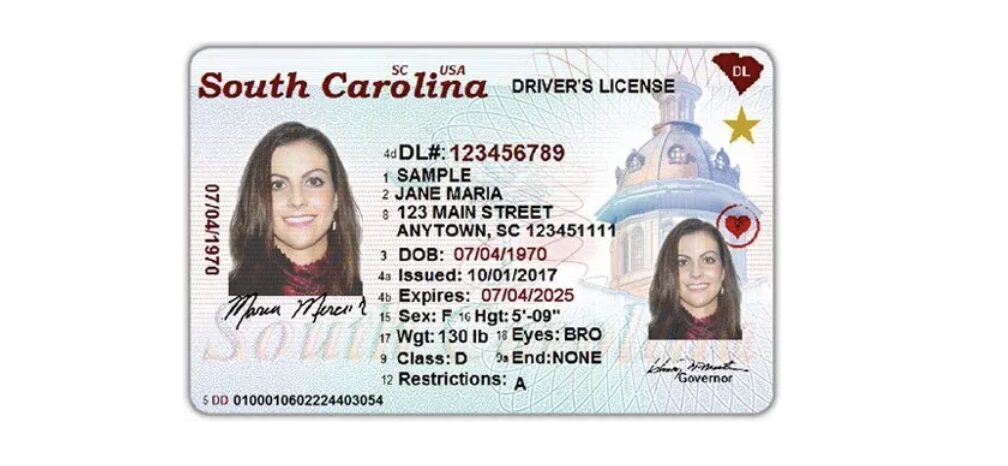
Domestic flights (within the same country): You typically do not need a passport. A valid government-issued REAL ID or other document is sufficient.
International flights: Yes, you must have a valid passport. Customs and immigration requirements still apply, even when flying privately.
How is an FBO different from a regular airport terminal?
The experience is completely different:
No crowds or long lines
Faster arrival and departure
Greater privacy and discretion
Personalized service throughout
It’s designed to feel more like a private club than an airport.
Can food, drinks, or special requests be arranged?
Absolutely. Everything can be customized, from gourmet catering and specific beverages to last-minute requests. Your Private Aviation Advisor coordinates directly with the FBO to ensure everything is ready.
Experience the Magellan Jets Difference
Flying private means traveling on your terms. Let our team help you navigate the world of private aviation with ease.
From the Grand Prix to high-stakes business meetings, Monaco attracts travelers who value their time and comfort.
Experienced travelers know that Monaco doesn’t have its own airport. So how do you get there? Private jets land at nearby Nice or Cannes, then a quick helicopter transfer completes your journey. The entire process is seamless when you know what to expect.
Let’s explore the logistics, costs, and insider tips that make private aviation to Monaco such an attractive destination.
Why Monaco Is a Desirable Spot for Private Flyers
Monaco packs incredible experiences into just two square kilometers. The Formula One Grand Prix roars through Monte Carlo’s streets each May, transforming the city into racing’s most glamorous circuit. Come September, the Yacht Show fills Port Hercule with the world’s most impressive vessels.
But Monaco’s appeal extends beyond marquee events. Business leaders close deals at the Hermitage’s terrace restaurant. Entrepreneurs network at exclusive clubs. The principality’s compact size means you’re never far from your next meeting—or your next memorable meal.
Speaking of meals, Monaco’s dining scene punches well above its weight. Alain Ducasse’s Le Louis XV set the standard decades ago. Today, a new generation of chefs continues pushing boundaries. And with hotels like the newly renovated Hôtel de Paris, you’ll find accommodations that match the caliber of your aircraft.
Top Reasons to Fly Private to Monaco
Here’s why private aviation makes sense for Monaco-bound travelers:
• Skip the airport chaos entirely. No wrestling with luggage through crowded terminals. No rushing to make connections. Your schedule, your pace.
• Privacy comes standard. Discrete FBO terminals keep you away from public areas. Continue sensitive conversations from takeoff to touchdown without interruption.
• Departure times flex with your needs. Running late from a meeting? No problem. Need to leave early? Your jet is ready when you are.
• Helicopter transfers integrate perfectly. Land in Nice, walk across the tarmac, and you’re airborne again in minutes.
• Expert guidance smooths every detail. Your team at Magellan Jets know which aircraft suit each route. They can arrange ground transportation, restaurant reservations, and anything else you need.
Airports for Private Flights Near Monaco
Since Monaco lacks runway space, nearby airports have perfected the art of private jet service. Each offers unique advantages depending on your aircraft and schedule.
Your choice of airport affects everything from landing fees to transfer times. Let’s examine your options.
Nice Côte d’Azur Airport
Nice wins on proximity, just 20 kilometers from Monaco’s border. The airport features three VIP terminals exclusively for private aviation. You’ll clear customs in minutes, not hours.
What sets Nice apart? Direct helicopter access. Your jet parks adjacent to the helipad. No terminal shuttles, no waiting. Walk from plane to helicopter and you’re Monaco-bound within minutes of landing.
Monaco Heliport
The Fontvieille heliport is an engineering marvel. Eight landing pads handle constant traffic, including two built over the Mediterranean.
Touch down in Monaco’s heart, ready for whatever comes next.
Cost Overview for Flying Private to Monaco
Several factors influence private jet pricing to Monaco, with Aircraft size mattering most. Light jets work beautifully for short European hops, while heavy jets handle transatlantic routes without refueling stops.
Distance from your departure point drives flight time calculations. Seasonal demand creates pricing variations, especially during the Grand Prix when every available aircraft books months ahead.
Helicopter Transfers to Monaco
Why do most private flyers choose helicopters over cars? The coastal drive from Nice takes 30-90 minutes depending on traffic. The helicopter? Seven minutes.
Modern turbine helicopters cruise smoothly along the Riviera coastline. Large windows ensure everyone enjoys Mediterranean views. Experienced pilots know every wind pattern and weather quirk. Evening arrivals showcase Monaco’s lights against the darkening sea.
What to See While You’re in Monaco
Whether you’re visiting for business, leisure, or one of the principality’s signature events, Monaco offers world-class experiences at every turn. For ultra-high-net-worth travelers, the city-state delivers a rare blend of exclusivity, luxury, and access all within walking distance.
Explore Monaco Like a Local :
Stroll through the gardens of the Jardin Exotique, take in panoramic Mediterranean views from the Prince’s Palace, or tour the legendary Oceanographic Museum, once directed by Jacques Cousteau. Shoppers will find haute couture at Métropole Shopping Monte-Carlo, while art aficionados can explore rotating exhibits at the Nouveau Musée National de Monaco.
Dining & Nightlife:
Michelin-starred restaurants like Le Louis XV – Alain Ducasse and Blue Bay offer unforgettable culinary experiences, but don’t overlook chic beachside venues like La Note Bleue or the intimate ambiance of Rampoldi. After dinner, continue conversations or celebrations at Jimmy’z Monte-Carlo or the Monte-Carlo Casino’s private salons.
Key Events in Monaco & What to Expect
Monaco’s calendar is anchored by a series of globally recognized events that attract ultra-high-net-worth individuals, industry leaders, and discerning travelers from around the world. If you’re planning to fly private, aligning your travel with these moments can elevate both your experience—and your planning requirements.
Monaco Grand Prix (June 4–7, 2026)
Arguably the most iconic Formula One race, the Grand Prix transforms Monaco into the epicenter of luxury, entertainment, and high-profile networking. Yachts line the harbor, terraces become private viewing decks, and demand for private aviation peaks.
Monaco Yacht Show (September 23–26, 2026)
Port Hercule hosts the world’s most impressive superyachts, attracting owners, buyers, and industry insiders. It’s a cornerstone event for UHNW networking and deal-making in an ultra-exclusive setting.
Monaco Private Label & Luxury Events (Year-Round)
From private investment forums to invitation-only galas and charity events, Monaco consistently hosts smaller, high-impact gatherings that bring together influential global figures across finance, luxury, and philanthropy.
Special Event Considerations & Fees
Traveling during these peak periods requires additional planning:
Increased Aircraft Demand: Availability tightens significantly, especially for heavy jets and transatlantic routes. Booking several months in advance is strongly recommended.
Event Surcharges: During high-demand windows like the Grand Prix and Yacht Show, operators may apply special event fees. These can affect hourly rates, repositioning costs, and minimum flight time requirements.
Airport Slot Constraints & Fees: Nice and Cannes operate under strict slot controls during major events, often accompanied by increased landing, parking, and handling fees.
Helicopter Transfer Premiums: With limited capacity and high demand, helicopter transfers between Nice and Monaco often carry premium pricing and should be reserved early.
Working with an experienced private aviation partner ensures these variables are handled seamlessly. From securing preferred aircraft to coordinating slots and transfers, advance planning is essential during Monaco’s most in-demand periods.
The Magellan Jets Advantage for Monaco Travel
Flying to Monaco presents unique challenges, limited airport options, seasonal congestion, and complex transfers. Our asset-light model offers a distinct advantage for Monaco-bound Private Clients. During peak events like the Grand Prix when aircraft availability tightens, we’re not limited to a specific fleet. Instead, we select from the Magellan Jets Preferred Network—the top percentage of highly vetted operators—ensuring you always have access to the perfect aircraft for your journey.
For Monaco travelers, our Jet Card provides remarkable benefits. While other programs impose blackout dates during major events, Magellan Jets guarantees availability 365 days a year. This means secured access even during the Grand Prix or Yacht Show when demand reaches its peak.
Frequently Asked Questions About Flying Private to Monaco (FAQ):
Is a helicopter transfer mandatory to Monaco?
Not at all. Many travelers prefer ground transportation, especially those uncomfortable with helicopters. Professional drivers navigate the coastal roads expertly, turning the journey into a scenic introduction to the Riviera.
How far in advance should bookings to Monaco be made?
Timing depends on Monaco’s event calendar. Grand Prix week? Book six months ahead for best aircraft selection. Yacht Show? Three months usually suffices. Regular periods need a minimum of 48-72 hours notice, though earlier booking expands your options.
Can I bring my pet on my private flight to Monaco?
Yes, you can bring a pet on your bespoke journey, provided you have the necessary veterinary documentation. This typically includes an EU pet health certificate and valid rabies vaccination records.
Will I need a visa to enter Monaco if I land at Nice?
Most Private Clients clear immigration through France as their first point of Schengen entry, so your visa or exemption depends on French border policies. Monaco effectively aligns with France’s requirements, so ensure you comply with Schengen regulations for the duration of your stay.
Your Journey to Monaco Starts Here
Monaco represents everything private aviation should be: refined, efficient, and perfectly tailored to your schedule. From selecting the right aircraft for your route to coordinating seamless helicopter transfers, every detail matters when you’re bound for the principality. Whether you’re attending the Grand Prix, closing a business deal, or simply seeking the Mediterranean’s most exclusive destination, your arrival should match Monaco’s reputation for excellence.
At Magellan Jets, we’ve perfected the Monaco journey for Private Clients who expect nothing less than flawless execution. Our Preferred Network ensures aircraft availability even during peak seasons, while our team handles everything from customs documentation to ground transportation. Your focus stays where it belongs, on the experiences waiting for you in Monaco. Talk to a Private Aviation Advisor and discover how we make your journey to Monaco exceptional.
Louisville, Kentucky, transforms into the epicenter of elegance and equestrian excellence when it hosts one of the world’s most prestigious horse racing events. This time-honored spectacle of speed and style attracts private clients, luxury enthusiasts, and racing aficionados who understand that arriving by private jet is the only way to match the sophistication of the occasion.
Whether you’re a devoted racing fan or experiencing the thrill for the first time, flying private to Louisville ensures a seamless, elevated journey from departure to arrival. Here’s everything you need to know to make the most of your Kentucky Derby weekend.
Essential Tips for Scheduling Your Private Charter
Planning your private charter early is essential, especially during high-demand events like the Kentucky Derby. By working closely with your Private Aviation Advisor, you can secure your preferred aircraft while maintaining flexibility in your schedule.
During peak periods, ramp space and ground services become increasingly limited, which can impact arrival times and aircraft parking. For added convenience, alternative airports such as Lexington or Cincinnati can help minimize congestion and streamline your experience.
Understanding Special Event Fees
With demand at its highest during Derby weekend, special event fees are commonly applied across private aviation. These may include increased landing fees, ramp and parking charges, aircraft repositioning costs, and premium ground handling services due to limited availability.
Additionally, airports may enforce strict slot times, requiring precise arrival and departure coordination. Planning ahead with your advisor ensures full transparency around these costs and allows you to optimize your itinerary, whether that means adjusting timing, selecting a nearby airport, or securing parking in advance.
Pairing these strategies with a Magellan Jets Jet Card can further enhance your experience, offering guaranteed availability and consistent pricing during peak travel periods.
Why Fly Private to Louisville?
During Kentucky Derby weekend, Louisville becomes a hub for celebrities, executives, and discerning travelers. Commercial airports are crowded, flights are overbooked, and ground transportation is at capacity.
Flying private mitigates these challenges and delivers a seamless, efficient experience from takeoff to touchdown.
Skip the Crowds and Fly on Your Schedule
Private aviation offers unmatched convenience. No long security lines, no baggage claim delays, and no rigid airline schedules. With Magellan Jets, you set your departure time and travel entirely on your terms.
Access to Exclusive Airports
Private jet travelers benefit from access to less congested, executive-friendly airports. Louisville is served by two primary options:
Louisville Muhammad Ali International Airport (KSDF): Full-service airport with multiple FBOs and comprehensive private aviation support
Bowman Field (KLOU): A smaller, more discreet airport ideal for quick, efficient arrivals
With flight times of approximately 2 hours from New York, 1.5 hours from Chicago, and 2.5 hours from Dallas, Louisville is easily accessible from major cities, without the hassle of commercial travel.
Personalized Service & In-Flight Excellence
From the moment you step onboard, your journey is tailored to your preferences. Enjoy gourmet catering, premium champagne, and race-day touches like a perfectly prepared mint julep, all curated to elevate your experience.
Choosing the Right Jet for Your Journey
Selecting the ideal aircraft ensures both comfort and efficiency for your trip.
Light Jets (4–7 Passengers)
Ideal for shorter trips and smaller groups, light jets such as the Citation CJ3 or Phenom 300 offer efficiency and comfort with a range of 1,500–2,000 miles.
Midsize Jets (6–9 Passengers)
For additional cabin space and amenities, midsize jets like the Hawker 800XP or Citation XLS provide enhanced comfort, greater luggage capacity, and onboard entertainment.
Super-Midsize & Large Cabin Jets (8–16 Passengers)
Perfect for group travel or those seeking a premium experience, aircraft like the Challenger 350 or Gulfstream G450 offer spacious interiors, lie-flat seating, and a refined in-flight environment.
No matter your choice, every detail is thoughtfully curated to deliver a seamless and luxurious journey.
Safety and Regulatory Considerations
Safety remains paramount in private aviation. Partnering with operators that adhere to strict FAA guidelines ensures the highest levels of compliance, from pilot training to operational standards.
Third-party certifications such as ARGUS and WYVERN further validate safety performance, providing an added layer of confidence. Choosing a provider that meets these rigorous standards ensures your journey is both secure and exceptional.
Louisville, KY – October 3, 2024: Barbaro Statue at Churchill Downs, a horse racing complex located in Louisville, Kentucky, famed for hosting the annual Kentucky Derby.
Make the most out of your trip to Louisville.
Stay in Premium Accommodations
Louisville offers a range of upscale accommodations blending Southern charm with modern luxury:
The Brown Hotel: Historic elegance and world-class service
21c Museum Hotel: Boutique experience with contemporary art
Omni Louisville: Modern luxury with rooftop views
Booking early is essential, as availability fills quickly during Derby weekend.
Dine at Louisville’s Finest Restaurants
Experience the city’s renowned culinary scene:
Jeff Ruby’s Steakhouse: A favorite among celebrities and racing elites
610 Magnolia: Intimate, chef-driven dining with seasonal cuisine
Jack Fry’s: A historic staple offering classic Southern fare
Explore Beyond the Racetrack
Extend your experience with Louisville’s vibrant culture:
Whiskey Row & NuLu District: Craft cocktails, boutique shopping, and art galleries
Magellan Jets can also arrange exclusive experiences, including private bourbon tastings, behind-the-scenes tours, and luxury ground transportation.
Seamless Travel with Magellan Jets
As demand surges during Kentucky Derby weekend, securing your private jet charter early is key. Magellan Jets delivers a fully tailored experience with:
24/7 flight support
Personalized concierge services
Seamless airport experiences
Transparent pricing and guaranteed availability
Industry-leading safety standards
Every detail is managed with precision, so you can focus entirely on the experience.
Book Your Private Jet to Louisville
This is your opportunity to experience the Kentucky Derby in unmatched style. Fly private to Louisville, bypass the crowds, and arrive effortlessly at one of the world’s most celebrated sporting events.
Whether planning well in advance or organizing a last-minute getaway, Magellan Jets is ready to elevate your journey.
Contact us today to reserve your private jet and secure your Derby weekend experience.
Frequently Asked Questions About the Kentucky Derby (FAQ):
Which airport is best for a private flight to Louisville?
Bowman Field (KLOU) offers a more discreet arrival, while Louisville Muhammad Ali International Airport (KSDF) provides broader service capabilities. Both deliver seamless private aviation experiences.
How far in advance should I book?
Booking as early as possible is recommended. High demand during Derby weekend means aircraft availability, parking, and preferred time slots fill quickly.
How do I choose the right jet?
Your Private Aviation Advisor will guide you based on group size, travel distance, and preferences, ensuring the ideal balance of comfort and efficiency.
When is the Kentucky Derby?
The Kentucky Derby in 2026 will take place on Saturday, May 2, 2026.
Who are the Kentucky Derby contenders?
The final field for the 2026 Kentucky Derby hasn’t been set, because horses are still earning points through prep races on the “Road to the Kentucky Derby.” The official lineup of 20 starters won’t be finalized until late April 2026, about a week before the race.
Your Journey to Louisville Begins Here
Flying private to Louisville is an extension of the Derby experience itself. From personalized service to seamless logistics, every detail is designed to reflect the elegance of the occasion.
Whether it’s your first Derby or a returning tradition, Magellan Jets ensures your journey is as exceptional as the event.
Commercial air travel is experiencing significant strain, and for those traveling right now during peak spring break season, the impact is immediate and unavoidable. Long security lines, widespread delays, flight cancellations, and rising costs are creating a challenging environment for commercial travelers nationwide.
The Perfect Storm for Airline Travel
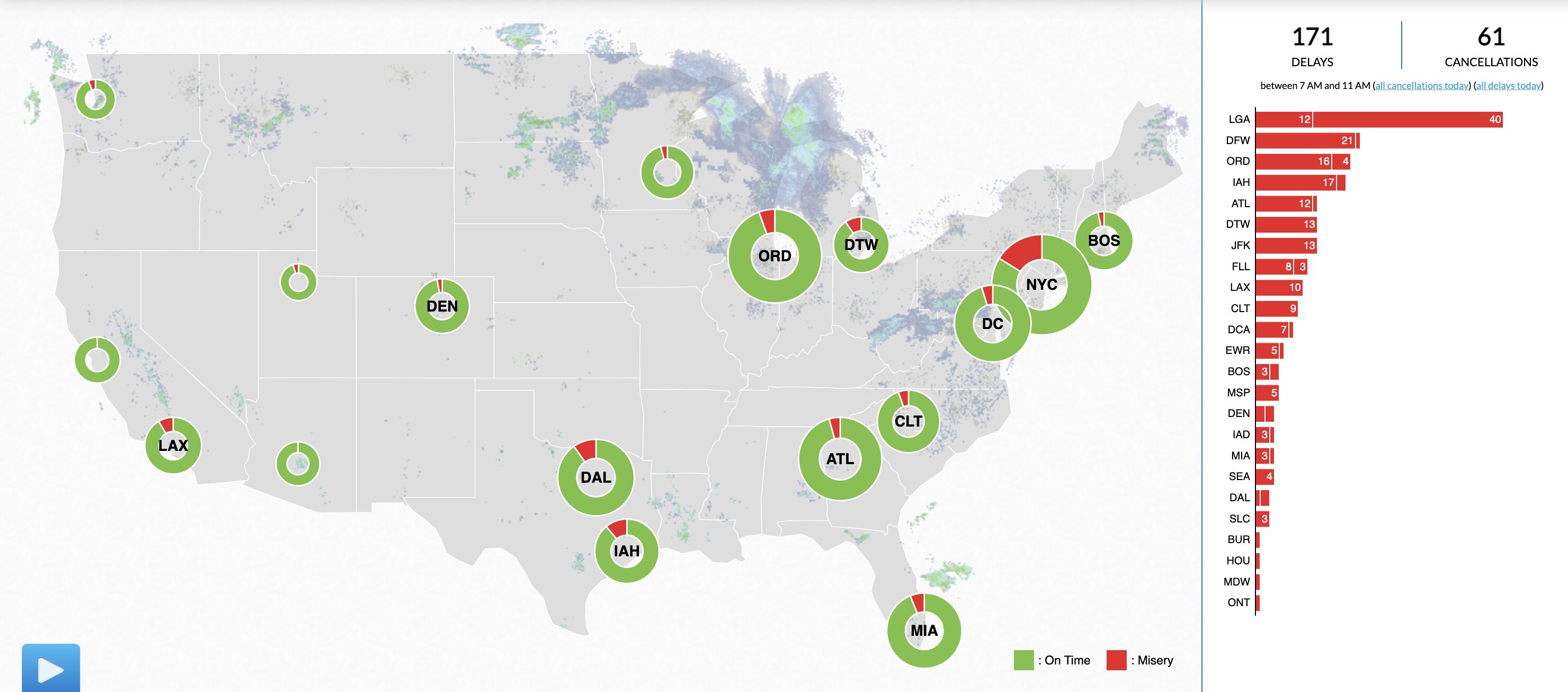
FlightAware Misery Map, March 25
One of the primary drivers of current disruptions is the spring break travel surge, which is shaping up to be one of the busiest on record. Millions of travelers are moving within a compressed timeframe, placing extraordinary pressure on airports, airlines, and air traffic control systems.
Popular destinations such as South Florida, Mexico, and the Caribbean are experiencing sharp increases in traffic, leading to congestion both in the air and on the ground. With so many travelers concentrated into a narrow travel window, even minor operational issues can quickly escalate into widespread delays and cancellations.
Critical Factors Affecting Airlines
Several critical factors are converging to disrupt commercial aviation operations.
Demand has reached unprecedented levels, with airlines preparing for approximately 171 million passengers between March and April, surpassing previous spring travel records. At the same time, external pressures, particularly rising fuel costs, are forcing commercial carriers to make difficult operational decisions.
Following the February 28 closure of the Strait of Hormuz, a key global aviation fuel corridor, jet fuel prices surged rapidly, placing immediate pressure on airline economics. In response, several major commercial carriers, including large U.S. airlines such as United, have begun reducing capacity, quietly canceling or consolidating flights on less profitable routes and adjusting schedules to manage rising costs.
For travelers, this translates into fewer available flights, increased prices, and a higher likelihood of last-minute cancellations or itinerary changes.
Compounding these challenges, TSA officers have been working without pay since the partial government shutdown began on February 14, leading to widespread staffing shortages.
More than 366 officers have resigned, and absentee rates have surged. At Houston Hobby Airport, 55% of staff called out on a single day, while Atlanta Hartsfield-Jackson International Airport reported absentee rates as high as 38%.
These shortages have led to extended security wait times and reduced operational capacity. Travelers are experiencing multi-hour delays at checkpoints, with some airports consolidating or closing screening lanes entirely.
Key Factors Driving Delays and Price Increases
TSA Workforce Shortages
TSA personnel are classified as essential employees and are required to report to work without pay during the government shutdown. While back pay is expected, the immediate financial strain has contributed to increased absenteeism and resignations.
As a result, security wait times have increased dramatically. Atlanta recorded wait times exceeding two hours, while LaGuardia reached delays of up to three hours. Some airports have reduced checkpoint operations due to limited staffing.
Fuel Cost Volatility
The Strait of Hormuz typically facilitates a significant share of the world’s aviation fuel supply, and its closure has created immediate constraints across global markets.
In response to rapidly rising fuel costs, commercial airlines are taking protective measures: raising fares, adding fuel surcharges, and, increasingly, scaling back service on select routes. In some cases, carriers are consolidating flights or reducing frequency to manage operating costs more effectively.
For travelers, this environment results in higher ticket prices, reduced availability, and a greater likelihood of schedule changes as airlines continue to adjust capacity in real time.
The Alternative: Why Private Aviation Works When Commercial Doesn’t
While commercial aviation is experiencing significant operational strain, private aviation offers a fundamentally different and more controlled travel experience.
Private Clients are not subject to TSA checkpoints, long security lines, or crowded airport terminals. Instead, they depart from private terminals (FBOs), where boarding is efficient, discreet, and typically completed within minutes of arrival.
This distinction becomes particularly valuable during peak travel periods such as spring break, when commercial terminals are operating at or beyond capacity.
Private aviation also provides greater flexibility. Operators are not constrained by rigid airline schedules or single-source fuel contracts. This allows for more adaptive routing, access to alternative airports, and strategic fuel sourcing.
While private aircraft operate within the same airspace as commercial flights, the overall travel experience remains significantly more efficient and predictable.
It is important to note that ground transportation near major airports may still experience congestion, particularly during peak travel periods. However, the ability to utilize alternative airports and avoid commercial terminals helps mitigate many of these challenges.
How to Stay Ahead of the Disruptions
Careful planning remains essential in the current travel environment:
Maintain access to essential items, including medications and travel documents, in the event of delays
Consider alternative airports to avoid congestion at major hubs
Stay informed through real-time updates and expert guidance
Allow additional time for ground transportation, particularly in high-traffic markets
Magellan Jets Is Built for Moments Like This
Magellan Jets is uniquely positioned to navigate periods of disruption through its asset-light model.
Our Jet Card programs provide an additional layer of stability, with guaranteed availability that ensures access to aircraft 365 days a year, with no blackout dates, even during peak travel periods. Additionally, Jet Card Owners are protected from volatile fuel costs. Magellan Jets absorbs all fuel price increases up to 25%, offering peace of mind and shielding our Clients from the full impact of market fluctuations.
Because we do not own aircraft, we are not limited to a fixed fleet. Instead, we source aircraft from the Magellan Jets Preferred Network, a carefully vetted group of top-tier operators, allowing us to select the most appropriate aircraft based on current conditions.
This flexibility enables us to proactively adjust travel plans, including routing through alternative airports and optimizing fuel sourcing when conditions change.
Our Flight Operations team continuously monitors operational conditions, making certain that potential disruptions are addressed before they impact our Private Clients.
“I was in a bind with all the travel hassles this weekend and Magellan stepped up and helped me get a flight quickly to help my family get home on time. Thank you.” – Magellan Jets Private Client
Frequently Asked Questions About Recent Travel Disruptions (FAQ):
Is TSA still paid during a government shutdown?
No. TSA officers continue to work without pay until funding is restored. While back pay is typically issued, the immediate financial impact contributes to staffing shortages.
Is LAX affected by the government shutdown?
Yes. Like many major U.S. airports, LAX is experiencing operational strain due to the government shutdown. As a result, travelers are seeing longer security lines, delays, and a less predictable airport experience overall.
How is the TSA shortage impacting airport operations right now?
TSA staffing shortages are reducing the number of open security lanes, increasing wait times, and creating bottlenecks at checkpoints. In high-traffic airports such as LAX, this can mean multi-hour delays, especially during peak travel periods like spring break.
Are TSA wait times increasing nationwide?
Yes. Major airports across the country, including LAX, Atlanta, and LaGuardia, are reporting increased wait times due to the same combination of high demand and reduced staffing.
Is there a way to bypass TSA wait times entirely?
Yes. Private aviation allows travelers to bypass TSA checkpoints entirely by departing from private terminals (FBOs), where security procedures are handled differently and far more efficiently.
What flights are being canceled right now?
Cancellations are occurring across a range of routes, particularly those with lower demand or tighter margins. Airlines are prioritizing efficiency by consolidating flights and reallocating resources, which can result in sudden schedule changes.
How long are TSA wait times right now?
TSA wait times currently range from 30 minutes to over 3 hours, depending on the airport and time of day. Due to staffing shortages and peak travel demand, major hubs like LAX and Atlanta are experiencing the longest delays. Travelers should arrive early, as wait times remain unpredictable.
What are TSA wait times at Logan Airport right now?
TSA wait times at Boston Logan International Airport are generally more manageable compared to heavily impacted hubs like LAX or Atlanta. While delays can still occur during peak travel periods, Logan has not experienced the same level of disruption from staffing shortages and congestion.
For travelers seeking greater certainty and efficiency, Magellan Jets offers access to the Magellan Jets Private Terminal in Bedford, allowing clients to bypass TSA lines entirely and eliminate the risk of unexpected delays.
A More Reliable Way to Fly
Commercial aviation is currently facing systemic challenges with no immediate resolution. High demand, fuel volatility, and staffing shortages continue to impact reliability and traveler experience.
Private aviation provides a more controlled, efficient, and predictable alternative, particularly during periods of peak demand.
By eliminating TSA checkpoints, avoiding crowded terminals, and offering flexible, responsive operations, private aviation allows travelers to maintain control over their schedules.
For those seeking a more reliable travel solution, Magellan Jets offers the expertise, flexibility, and service required to navigate today’s complex travel environment with confidence. Contact a Private Aviation Advisor here.
Since May 7, 2025, the REAL ID Act has reshaped identification requirements for all domestic air travel, and private jet charters are included. Even though you’re bypassing commercial terminals and TSA lines, federal identification standards still apply to private travelers.
Here’s what you need to know for seamless private travel.
What Is REAL ID for Private Air Travel
The REAL ID Act was Congress’s response to the 9/11 Commission’s security recommendations back in 2005. The law established minimum security standards for state-issued driver’s licenses and identification cards.
How can you spot a compliant ID? Look for a star marking in the upper corner: gold or black depending on your state. Michigan, Minnesota, New York, Vermont, and Washington use a different approach. Their Enhanced Driver’s Licenses display a flag symbol instead.
Every domestic air traveler aged 18 or older must now present REAL ID-compliant identification or an acceptable alternative. And here’s the key point: the mandate extends across commercial airlines, private charters, and increasingly, private owner-operated flights.
Does REAL ID Apply to Charter and Jet Card Flights?
Part 135 charter operations, which cover all compensated private jet flights, fall squarely under REAL ID enforcement. So when you book a Charter Flight or use a Jet Card, you’re engaging in commercial aviation. That means compliant identification is mandatory.
Part 91 operations are different. They cover private, non-commercial flights where owners fly their own aircraft without compensation. Federal law doesn’t technically mandate REAL ID for Part 91 flights.
However, it’s important to note that Fixed Base Operators (FBOs) are increasingly aligning their policies with commercial standards. Many FBOs now require the same documentation for all private flights, creating consistency across private aviation terminals.
Acceptable Alternatives If You Lack a REAL ID
The Transportation Security Administration recognizes numerous alternative credentials beyond REAL ID-compliant driver’s licenses.
Using a Valid Passport
Your U.S. passport serves as the gold standard for domestic private travel. Passport cards work equally well, and they offer wallet-sized convenience for frequent flyers.
Here’s a pro tip: carry your passport even if you have a compliant state ID. You’ll eliminate any questions at boarding and have instant backup if you’ve misplaced your primary identification.
Military and Government IDs
Department of Defense identification cards satisfy all domestic travel requirements. Active duty, reserve, retired, or dependent are all accepted. Government employees with HSPD-12 Personal Identity Verification cards enjoy the same seamless boarding.
FBO staff instantly recognize the validity of federal credentials. You’ll often find the boarding process moves even faster with military or government IDs.
Trusted Traveler Credentials
Global Entry, NEXUS, SENTRI, and FAST cards all meet REAL ID requirements. The Department of Homeland Security issued these trusted traveler cards after pre-screening that exceeds standard identification verification.
How to Get Your REAL ID
Ready to upgrade? Here’s your roadmap.
Checking Your Current License
First, examine your driver’s license right now. Look for the star marking in the upper corner. See “Not for Federal Identification” or “Federal Limits Apply” printed anywhere? Your ID isn’t compliant.
Most state DMV websites offer verification tools. Enter your license number to confirm compliance status before making the trek to the DMV.
Gathering Necessary Documents
REAL ID applications demand extensive documentation. You’ll need an original birth certificate or valid passport. Add proof of Social Security number. Then gather two documents showing your current address.
What counts as address proof? Utility bills, bank statements, mortgage documents, or rental agreements all work. Changed your name? Bring marriage certificates or court orders.
Visiting the DMV
Book appointments in advance: walk-in availability is limited in most states. Show up with complete documentation to avoid multiple visits.
And remember: state requirements vary significantly. California accepts different address proofs than Texas. Florida processes applications differently than New York. Check your specific state’s checklist before your appointment.
How Magellan Jets Ensures Your Travel Stays Seamless
Identification requirements change, but your Private Aviation Advisor stays ahead of them. Your Client Experience Team reviews identification requirements during flight planning. Traveling with multiple passengers? The team verifies compliance for everyone on the manifest. International positioning flights followed by domestic legs? You’ll receive clear guidance on when you need your passport versus REAL ID.
Frequently Asked Questions About Real ID for Private Travel (FAQs):
Can I Still Fly Without REAL ID After the Deadline?
No, you cannot fly privately without a REAL ID or acceptable alternative after the deadline. TSA introduced ConfirmID on February 1, 2026, a $45 online identity verification alternative. The process takes 10-30 minutes and requires digital payment at airport checkpoints. It’s important to note that this identification alternative does not apply to private travelers. Since private travelers do not go through TSA, they are unable to take advantage of ConfirmID and must have a REAL ID to travel.
Do Children Need REAL ID?
Good news for families: minors under 18 traveling domestically don’t need identification when accompanied by compliant adults. The rule applies to both commercial and private aviation.
International travel is different. Passports are mandatory for all ages and even infants need their own passport books for flights to Canada, Mexico, or the Caribbean.
Can I use REAL ID for International Flights?
Passports remain mandatory for all international private travel. REAL ID never substitutes for passport requirements when crossing borders.
Smart international travelers maintain both. Domestic positioning flights to departure cities require REAL ID. The international leg demands your passport.
Final Thoughts on Real ID for Private Travel
REAL ID compliance eliminates boarding uncertainties. Charter operators have aligned their procedures with federal requirements, making compliant identification non-negotiable.
Don’t let outdated identification disrupt your travel plans. Verify your current ID status today. Upgrade if necessary.