Music festivals are more than just events—they’re immersive experiences that bring together top artists, electrifying performances, and unforgettable moments. No matter what festival you’re flying to this spring or summer, Magellan Jets ensures that your private jet festival travel is a smooth, seamless journey so you can focus on the music and memories. Avoid the hassle of commercial airports, crowded flights, and long security lines. Instead, arrive refreshed, on time, and ready to enjoy the show.
Why Fly Private to Music Festivals?
Skip the Crowds and Long Waits
Major music festivals attract hundreds of thousands of attendees, creating congested airports, heavy traffic, and logistical headaches. Private jet travel lets you bypass the crowds, enjoy hassle-free security, and land closer to festival venues with access to smaller regional airports.
Personalized Travel Experience
Flying private with Magellan Jets means having a tailored travel experience from start to finish. Whether you need a jet that fits your group size, a specific in-flight menu, or coordinated ground transportation directly to your festival accommodations, every detail is arranged with precision.
Flexible Scheduling
Festival lineups and set times vary, and commercial flights don’t always accommodate last-minute plans. With a private jet, you control your schedule, making it easy to arrive and depart at your convenience—whether you’re catching a sunrise set or an afterparty.
Group Travel Made Easy
Music festivals are best experienced with friends. Flying private allows groups to travel together seamlessly, eliminating the need to coordinate multiple commercial flights. Split the cost among friends and enjoy a smooth journey from takeoff to touchdown.
Pro Tips for an Elevated Festival Experience
Land as Close as Possible – Magellan Jets helps you access smaller, exclusive airports that put you closer to the action, reducing ground travel time.
Pack Smart – Some festivals have unique climate conditions (hot days, cool nights, or dusty terrain). Magellan Jets ensures baggage flexibility so you can pack exactly what you need.
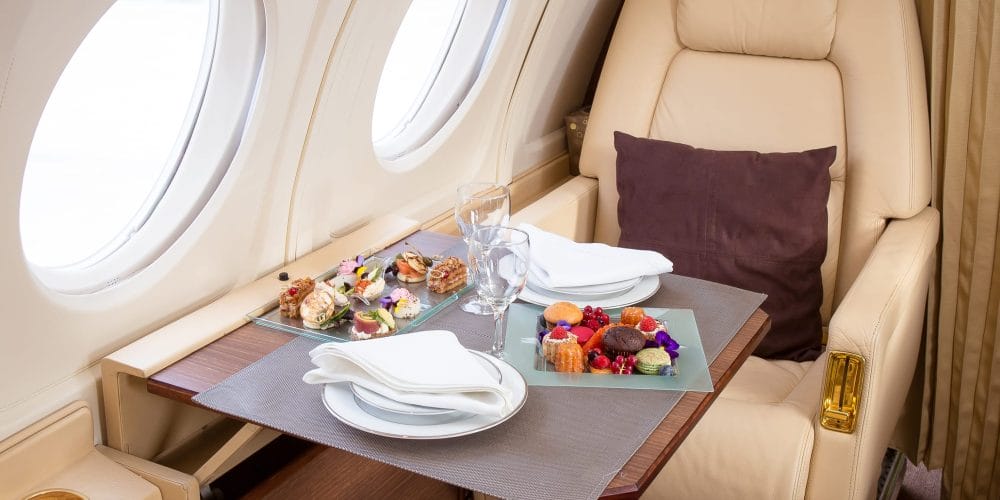
Onboard Pre-Festival Vibes – Get into festival mode before you even land with a curated playlist, themed catering, or celebratory refreshments arranged before takeoff.
Priority Ground Transfers – Avoid long shuttle lines with pre-arranged ground transportation, from luxury SUVs to direct helicopter transfers when available.
Best Music Festivals for Private Jet Travel
Here are some of the top music festival destinations where flying private enhances the experience:
California, USA– Land at Jacqueline Cochran Regional Airport (KTRM), just minutes from the festival grounds.
Chicago, USA – Arrive at Chicago Midway International Airport (KMDW) for quick access to Grant Park.
Tennessee, USA – Land at Tullahoma Regional Airport (KTHA) for an easy drive to Manchester, TN.
Boom, Belgium – Use Antwerp International Airport (EBAW) for VIP access.
Black Rock Desert, USA – Private flights can land at Black Rock City Airport (88NV) for a seamless arrival to the Playa.
How to Book a Private Jet for a Festival
Plan Early – Festival weekends see a spike in private jet bookings. Secure your aircraft early to get the best options.
Choose the Right Jet – Depending on your group size and travel distance, select a light jet for short trips or a heavy jet for transcontinental travel.
Customize Your Experience – Work with your provider to arrange catering, onboard entertainment, and ground transportation to the venue.
Stay Flexible – Weather, artist schedules, and festival logistics can change. Private aviation offers the flexibility to adjust your itinerary as needed.
Experience Music Festivals the Magellan Jets Way
At Magellan Jets, we offer seamless, stress-free private jet travel to the world’s top music festivals. Let us handle the logistics while you focus on the music, the moments, and the memories. Flying private is the best way to make your next festival an experience to remember
Worried about being disconnected from your business, your loved ones, and the world at large when you’re on a private flight? There’s good news: you don’t have to give up internet connectivity when you work with Magellan Jets and fly on the right aircraft. Odds are you can take advantage of private jet wifi on your next flight—but just how does it work, and when can you expect to use it? Read on to discover the answers to these questions and more.
Staying productive in the air with private jet wifi
In-flight connectivity to WiFi is absolutely necessary for business leaders and frequent private fliers. It’s all part of one of the major benefits of flying private for the business elite: the ability to stay productive in the sky.
As the National Business Aviation Association points out, two thirds of fliers say they are more productive on a private jet than in their office. That’s in part because business aviation allows employees to meet, plan, and work en route to their destination in a private office in the sky—but especially during rapidly-changing situations, the measure of their productivity and success often hinges on being able to communicate quickly with colleagues on the ground.
If you need to send an email, teleconference with a coworker, work on a presentation, or download a file, you’ll need a WiFi connection. Fortunately, many modern private aircraft come equipped with WiFi technology, and providers like Magellan Jets can work with you to ensure you’ll have the right WiFi solution for your needs.
How does wifi work on private jets?
To understand how WiFi works on private jets, you need to know how WiFi works in general.
Most domestic flights in the US use air-to-ground systems for their WiFi connections. As the name suggests, this kind of connection is only appropriate if your aircraft is flying over land. These ground-based systems work very similarly to normal cell phones. In a nutshell, a private jet has an antenna installed at the base of the fuselage.
That antenna can then receive signals from WiFi towers located on the ground. As the aircraft is in flight, it picks up the network from the cell towers that it flies over, retransmitting those signals to customers using WiFi points that are installed throughout the cabin walls.
The other kind of private jet WiFi system is satellite-based Internet. This is oftentimes preferred for many private jets since you can get access to higher speeds. This system involves your aircraft antenna receiving signals from satellites in orbit around the earth so you can receive Internet anywhere you go, even over the ocean.
With satellite Internet, there are two types of WiFi connection you can receive.
The first is Ku-band WiFi, which operates in 12 to 18 GHz frequency ranges. With this kind of WiFi, you can get download speeds of between 3 MB per second and 12 MB per second. It’s a good WiFi speed for basic emailing, instant messaging, and other light remote work tasks.
The second is Ka-band WiFi, which operates in 26.5 to 40 GHz frequency ranges. This allows faster Internet download and upload speeds, so it’s ideal if you ever want to view media or want several team members to work on a project simultaneously.
Both of these connections are the only kinds you can use when you travel internationally or when you travel across the ocean—because when you fly over the ocean, there are no land-based towers with which aircraft can connect.
You have to connect to satellite-based Internet when you travel internationally because different countries’ cell phones and connectivity towers differ in terms of their construction, connection requirements, and so on. Your aircraft’s WiFi antenna can’t simply hop from a cell phone tower in the United States to one from Mexico, for example.
How fast is wifi on private jets?
Satellite WiFi speeds on private jets can be anywhere between 3 MB per second and 20 MB per second or even higher. It all depends on the kind of satellite connection you use.
Ground-based WiFi connections, meanwhile, usually offer around 10 MB per second overall. For context, this is similar to the WiFi speeds you can expect when you connect outside an aircraft. If your connection is stable, you shouldn’t see many, if any, differences in terms of download speed, lost data packets, and so on.
Given these speed differences, it’s important to know what you need to do while you are mid-flight before connecting to a WiFi network.
Do all private jets have wifi?
No, WiFi connectivity isn’t always included on smaller or older jets. For instance, if you book a small turboprop for a very short-distance private trip, you may not be able to get access to WiFi networks even though you are relatively close to the ground. Fortunately, many modern and larger private jets do offer WiFi access in one way or another. This even includes light jets.
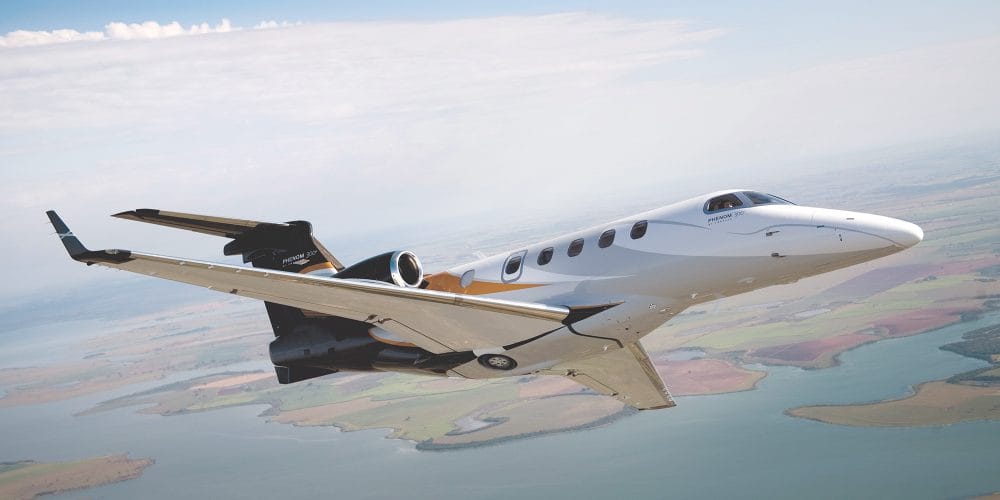
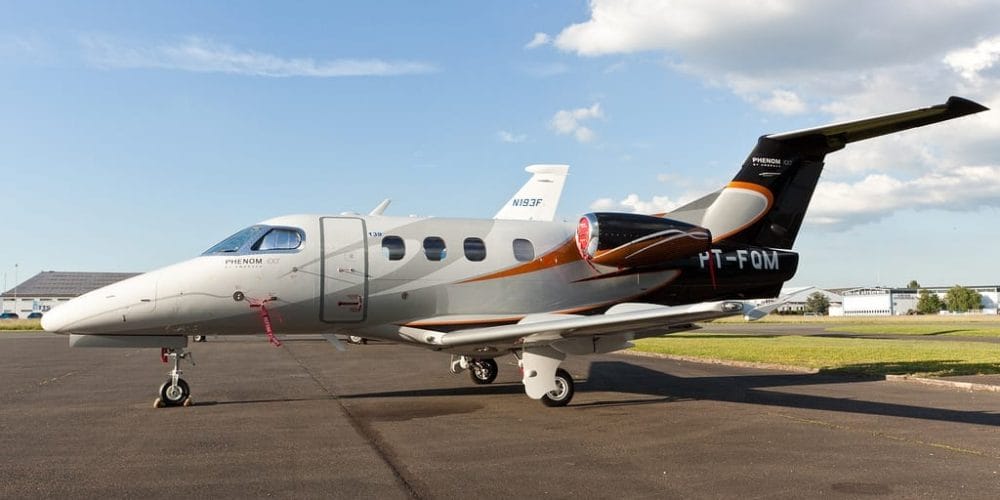
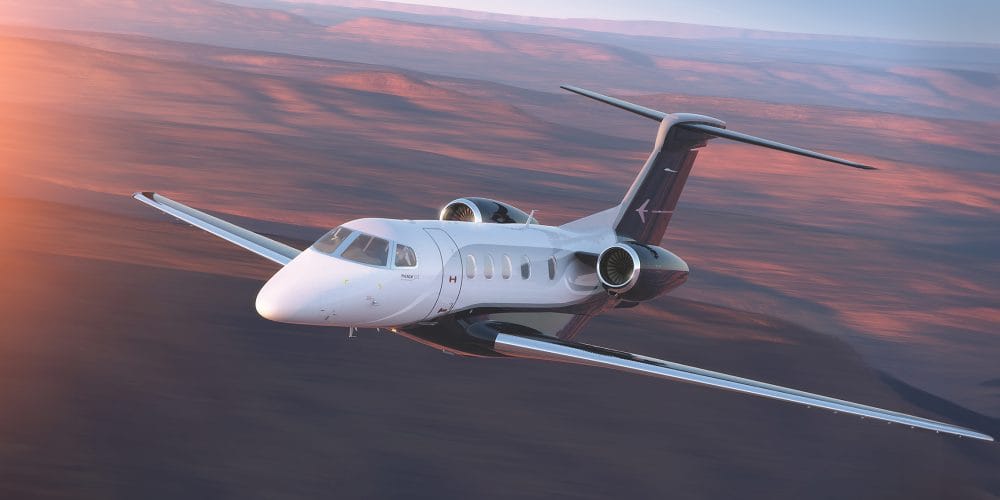
As an example, Magellan’s Phenom 300 Jet Card comes with guaranteed WiFi connectivity, all with the cost-effectiveness and flexibility of a light jet private charter. With Magellan, you can always find the right aircraft and WiFi setup for your unique needs, whether you need to check your email a few times or tackle work over several hours in the midst of a big trip.
How much does private jet wifi cost?
Depending on your provider, the program you’re utilizing to fly, or the nature of your flight, your WiFi could be included in the cost of your trip—or it could cost you up to thousands of dollars. Make sure to ask your provider about the costs associated with WiFi on your trip so you aren’t caught off-guard.
Domestic flights
Land-based WiFi connections are much more affordable, and may even be included in your trip cost or hourly rate depending on the provider you’ve chosen. Magellan Jets, for example, includes complimentary WiFi on all midsize-and-larger Jet Cards when customers purchase 50 hours or more.
But keep in mind that offering complimentary WiFi is far from universal in the private aviation industry. Some private jet providers and chartering companies will bill you each time you connect to WiFi, whether that’s land-based WiFi or satellite-based Internet. This can be an important factor when choosing your chartering company!
International flights
Even companies that offer complimentary WiFi normally charge when you connect to the Internet on an international flight, because satellite internet connections are quite expensive.
On average, you should expect to pay anywhere between $7 and $10 per megabyte you download from an internet-based satellite connection while traveling internationally. This is doubly true if you fly over the ocean. Depending on how much data you need to download and how long you need your connection to stay stable, you could pay thousands of dollars by the end of your trip.
Naturally, basic things like checking your email or sending an instant message or two won’t run up a very exorbitant bill—but if you choose to download a movie in high definition, be prepared for a high cost.
Private jet wifi with magellan jets
When you schedule your private flights with Magellan, our experienced aviation consultants will work hard to ensure you have access to high-speed, consistent in-flight WiFi. When you tell us private jet WiFi is a priority, we’ll source you the right aircraft that will let you stay connected and productive in the air.
At Magellan Jets, we provide specialized services like this to our clients all the time. Looking for the perfect aviation solution to fit your needs, or the needs of your business? Get in touch with us today to learn more.
Long-range jets are the peak of luxury and technological advancement in the skies. These aircraft redefine the concept of air travel, offering an experience of unparalleled comfort and efficiency.
Long-range private jets have transformed global travel, enabling direct flights across continents without the need for refueling stops. They can fly from London to Beijing or Los Angeles to Dubai without interruption, turning hours of layovers into uninterrupted luxury.
The interiors of these jets are nothing short of spectacular, rivaling the design and comfort of five-star hotels. They are often described as apartments in the sky, equipped with luxurious amenities. For journeys that can last upwards of 12 hours, these features are not just a luxury but a necessity!
Let’s look at the world of long-range private jets, focusing on their capabilities, luxury features, and the models that define modern long-range aviation.
What Are Long-Range Jets?
Ultra-long-range jets are a specific category of private aircraft designed to fly thousands of miles—sometimes more than halfway around the globe—without refueling. This capability allows for direct flights over vast distances, a feature highly sought after in private aviation. These jets are not just about crossing oceans but connecting far-flung cities directly, bringing the entire globe within reach.
The design and amenities of these jets are centered around comfort and luxury, given the extended duration of flights for which they are designed. Their interiors are crafted to provide an unparalleled in-flight experience.
From plush seating that converts into beds to high-end entertainment systems and gourmet kitchens, every aspect is designed to offer the ultimate in comfort and style. The level of detail in these interiors often mirrors that of a five-star hotel, providing a seamless transition from ground to air luxury.
In the category of the largest long-range jets, executive business liners stand out. These commercial airliners have been modified for private use, offering even more space and customization options.
These aircraft are also often configured with meeting rooms, private suites, and dining areas, catering to the needs of business executives and high-net-worth individuals who value both luxury and efficiency in their travel.
The Longest-Range Jets: a Comparative Analysis
As we explore the world of the longest-range private jets, note the remarkable features that set each apart. This section compares four of the most impressive models for range, cabin volume, and distinctive characteristics.
Dassault Falcon 8x
Range and Cabin Volume: The Falcon 8X boasts a range of 6,450 nautical miles and a cabin volume of 1,695 cubic feet, making it a formidable player in the long-range jet market.
Advancements over Predecessor: This model improves upon the Falcon 7X, offering an additional 500 nautical miles in range while maintaining fuel efficiency.
Fuel Efficiency: Dassault claims the 8X is up to 15% more fuel efficient compared to other ultra-long-range aircraft, showcasing its commitment to sustainability.
Versatility and Design: Despite being the smallest on our list, the Falcon 8X’s size lends it greater versatility, enabling it to operate on shorter runways. Its distinctive three-engine design not only contributes to performance and safety but also adds to its unique aesthetic.
Gulfstream G650ER
Range and Cabin Volume: The Gulfstream G650ER extends its reach up to 7,500 nautical miles and offers a cabin volume of 2,421 cubic feet.
Extended Range and Cabin Features: As indicated by “ER” (which stands for extended range), this jet excels in long-distance travel. It features the lowest cabin altitude in business aviation and the largest windows, enhancing passenger comfort and experience.
Speed and Record-Breaking Performance: The G650ER is not just about luxury — it’s a record holder with over 125 world speed records, including the farthest fastest flight in business aviation history.
Cabin Layout and Comfort: The jet’s interior can be configured into up to four living areas, accommodating up to 19 passengers and providing sleeping arrangements for 10. The versatile seating can be converted into beds, and there’s even a dedicated compartment for cabin attendants.
Bombardier Global 8000
Range and Cabin Volume: The Bombardier Global 8000 leads with a range of 8,000 nautical miles and a cabin volume of 2,236 cubic feet.
Range and Cabin Segmentation: This jet tops Bombardier’s Global series in range. It features three distinct cabin sections that can be used for business, relaxation, and sleep.
Innovations and Amenities: The Global 8000 is renowned for its innovative wing design, contributing to a smoother ride and a dynamic daylight simulation system designed to combat jet lag. Luxurious amenities include an optional 55-inch 4K TV, the largest available on any jet.
Customizable Living Spaces: Offering up to four living spaces, the Global 8000 can be customized to include a stand-up shower, a private lavatory with a vanity, a full-size bed, and a six-seat table for dining or business meetings. It also boasts the industry’s largest kitchen on a jet.
Boeing Business Jet 787
Range and Cabin Volume: The Boeing Business Jet 787, a transformed 787 Dreamliner, offers an extraordinary range of 10,000 nautical miles and a cabin volume of 2,415 cubic feet.
Flight Duration and Customization: Capable of up to 17 hours of flying time, the BBJ 787 is a pinnacle of private aviation in terms of passenger capacity, comfort, and customization options.
Luxurious Features: The interior can feature domed ceilings, lounges, executive washrooms, and private offices. The commercial version’s spaciousness is adapted to offer similar or even more luxurious amenities in its private jet variant.
Unparalleled Comfort and Customization Options: Buyers of the BBJ 787 can enjoy an array of customization options, turning the jet into a literal house in the sky with multiple rooms. The jet also features advanced cabin pressurization to reduce jet lag, further enhancing passenger comfort.
When to Choose a Long-Range Jet
Choosing a long-range jetdepends on several factors, including travel distance, passenger comfort needs, and the level of luxury desired. Long-range jets are ideal for intercontinental journeys where minimizing travel time and maximizing comfort are priorities.
They offer a blend of speed, luxury, and efficiency, making them a popular option for business executives, celebrities, or anyone requiring long-distance travel without the constraints of commercial flight schedules or routes.
These jets are not only about the destination but also about the journey. A long-range jet offers an unmatched travel experience for those who value time, privacy, and unparalleled luxury. These aircraft provide a serene and productive environment, ensuring you arrive at your destination refreshed and ready.
Ultra Long-Range Jets vs. Executive Business Liners: Which is Best?
Choosing between an ultra-long-range jet and an executive business liner often comes down to specific travel needs and preferences. Here’s how they compare:
Travel Range and Efficiency
Ultra-long-range jets are designed for extremely long distances without refueling stops, making them ideal for global business travelers. Executive business liners, while also capable of long distances, often focus more on the onboard experience and spaciousness.
Cabin Space and Customization
Executive business liners, originating from commercial airliners, offer more cabin space and can be extensively customized. This makes them suitable for those prioritizing space and luxury over sheer travel distance. Ultra-long-range jets, while luxurious, prioritize efficient space utilization to enhance range, speed, and performance.
Cost and Operational Considerations
The cost of acquiring and operating an executive business liner is much higher due to its size and the complexity of customization options. Ultra-long-range jets, while still expensive, may offer a more cost-effective solution for those who need long-range capability without the need for extensive cabin space and passenger capacity.
Flexibility and Airport Access
Ultra-long-range jets often have the advantage of accessing more airports due to their smaller size (in relation to bizliners) and ability to land on shorter runways, providing greater flexibility in travel planning.
Ultimately, the choice depends on whether your priority is maximum range and efficiency (ultra-long-range jets) or spacious luxury and customization (executive business liners).
The Bottom Line
Long-range private jets represent the pinnacle of luxury, efficiency, and technological advancement in aviation. They make the world more accessible by significantly reducing travel time and eliminating the need for multiple stops. The choice between an ultra-long-range jet and an executive business liner depends on individual needs, whether you’re flying non-stop across the globe or enjoying a spacious, customizable flying environment.
These jets are not merely a mode of transportation. They are a statement of prestige and a testament to theadvancements in aviation technology. As the demand for private air travel continues to grow, so too will the innovations in these magnificent aircraft. Whether for business or leisure, long-range private jets are transforming how we think about air travel, offering an unparalleled blend of speed, luxury, and efficiency.
Interested in booking a large, long-range jet for your next international trip? Our Private Aviation Advisors are eager to help find the perfect aircraft to meet your needs. Contact us today to begin your journey.
In the fast-paced, highly competitive corporate world, being able to get where you need to go ASAP is invaluable. That’s where business jet charter comes in.
Unlike flying on commercial airlines, business jet chartering provides unprecedented flexibility, convenience, and comfort to high-level executives, business owners, doctors, lawyers, and more. Read on to learn how business jet charter services from Magellan Jets could be exactly what you need to give your enterprise a competitive edge.
Business jet chartering involves contacting a private jet charter company like Magellan to arrange a flight, complete with a private aircraft, high-touch service, and VIP amenities.
When it comes to business, time is of the essence. It doesn’t matter how many resources you have or how much money you can throw at a problem if you can’t get where you need to go fast.
That’s why business jet chartering is a vital element of executive operations across many industries. Businesspeople, ranging from managers to contracted problem solvers to top executives to specialized team members, must be able to pivot quickly and get to worksites or branches as quickly as possible. Commercial aviation, for all its affordability, is far from convenient or flexible enough to meet these needs.
Private air charter flights are the ultimate solution. Not only does private aviation provide additional flexibility, but it also gives businesspeople the time advantage they need to get ahead of problems and solve looming issues.
And, as every successful entrepreneur or business executive knows, time is money—the more time you can save by using transportation efficiently, the more profitable your operations will be.
BENEFITS OF Business Jet Charter
When you charter a jet for business through Magellan, here’s what you’ll enjoy:
SCHEDULE FLEXIBILITY
The first of these is overall schedule flexibility. With private jet chartering, you won’t ever be locked into the limited, rudimentary schedules of commercial airlines. Instead, your private jet will take off and land exactly when you need it to.
If you have an emergency meeting you need to attend, or if there’s a big problem that only you can solve ASAP, you can rely on our chartering services to get you where you need to go. That convenience and flexibility is worth far more than the typical price of a business jet charter.
Don’t forget, too, that commercial airlines are oftentimes subject to delays and cancellations due to bad industry practices like overbooking. With private jet chartering, the chances of delays or cancellations are far smaller. If something does happen to disrupt your flight, your provider will keep you informed far ahead of time, providing you alternate options to keep your business on track.
Plus, with a business jet charter, you’re able to visit multiple destinations in a day, something that is nearly impossible with commercial aviation. Utilizing a private jet charter service, you can visit multiple branches or corporate offices and still be home for dinner rather than spending a few days in hotels. Boost team morale by spending less time in transit between locations and fewer nights away.
fast response times
With the freedom and flexibility that air charter brokers offer, you can guarantee the fast, agile response times that your business or clients need.
Say that there’s an emergency in one of your corporate locations across the country. Due to the nature of the emergency, you need to get there very quickly to put out the proverbial fire. You’ll have a tough time doing that with a commercial airliner and regular air travel options.
But it’s more than possible with a business jet charter. In less than 24 hours, you can have a flight scheduled and ready to go. Plus, your flight will likely take less time compared to a commercial airline flight, as you won’t have to wait for other passengers,
All told, the speedy response time you’ll be able to provide to the people that matter is invaluable all by itself. It’s just another reason why business jet chartering is becoming more and more popular among high-net-worth individuals.
increased productivity
Business jet charters will also allow you to be more productive while in the air. It’s practically impossible to get any real work done on a commercial airliner, both because it’s a chaotic environment and because you don’t have enough space.
Private jets are specifically built so that you and your team members can remain productive while you are en route to your destinations. In addition, many private charter jets have what you need to stay connected while on the go, including high-speed Wi-Fi, phone setups, and other telecommunications software and equipment.
Don’t forget, of course, that private jets also make it much more comfortable to work while in the air. Your seating will be more comfortable no matter what, but you’ll also be able to use worktables or even full-on private offices depending on the size of the private plane you charter. Pick a jet with a quiet, spacious cabin, and you’ll be able to focus just as well as if you are back at your home office or corporate HQ.
Ultimately, your travel experience is down to your preferences. When you schedule a charter from the right aircraft operator, you’ll enjoy the highest standards of quality and customization.
greater security, privacy, and safety
In addition to corporate mobility, you (and any team members or fellow passengers you choose to bring with you) will experience:
Top-notch safety. With business jet chartering, you don’t have to go through a busy airport or endure the lengthy security checkpoint experience. Your security check-in will be much quicker, and you’ll know exactly who boards the flight with you—extremely important in an era when unruly passenger incidents are on the rise. Health-conscious fliers will also appreciate the fact that private aviation features fewer touchpoints, which can help keep you from getting sick.
Greater privacy. You control who is on the flight. With an entire airplane cabin to yourself, you’ll enjoy the privacy to conduct business or hold important conversations. You’ll also never have to deal with other passengers disrupting your flight experience, allowing you to concentrate on business or rest between important meetings.
Superior security. Want to protect your sensitive information, private business dealings, or your intellectual property? Flying private means you’ll be away from prying eyes. Handle proprietary work and sensitive corporate documents without the concern that essential materials or documents will be lost or stolen.
greater access to airports
Commercial flights are often restricted to certain sizes of airports (there are about 500 nationally that can accommodate commercial flights), which can make getting to a destination outside of a major city quite difficult. You may not be able to get close enough to your destination, which means you’d still have to rent a car or an Uber for the last leg of your trip, which can ultimately cost your business more money.
However, private jets can access a wider network of airports, allowing you to choose from around 5,000 different sites. This can get you much closer to your destination and ultimately save your business time and additional costs.
what if your business already owns a jet?
If your business already owns a jet, there are still plenty of reasons why you might consider chartering a private jet. For instance, if your owned jet can’t accommodate the number of passengers you’re taking on a trip, or if you have a small jet that doesn’t have the range capability you require, then you can still enjoy the benefits of private air travel with private jet charter services.
The ability to move seamlessly between aircraft classes depending on your mission is a staple of Magellan’s Jet Card programs.
Additionally, the more often you fly, the more maintenance your private plane will need—and maintenance programs for private jets can be very thorough, costing you precious flying time. When your aircraft is down for maintenance, you’ll still want to have travel options that afford your team the same luxury and efficiency they’re accustomed to. In these cases, having a private Jet Card with prepaid hours can come in handy.
maximize your flight with magellan
Ultimately, Magellan Jets provides best-in-class jet charter services to individuals just like you every day. We have over 15 years of experience providing business leaders with safe, seamless, and purely private aviation solutions.
With our help, you’ll get where you need to go on time, every time—with major benefits for your business operations. Contact our Private Aviation Consultants to discuss options by calling 877-550-5387, or use our convenient instant charter quote tool below to request a trip!
In the world of private aviation, two of the most common options are fractional jet ownership and private jet charter. Both provide access to the luxury, convenience, and efficiency of private air travel, yet they offer distinctly different experiences.
The best choice for you depends on various factors like your travel frequency, budget, and your preferred level of commitment. Ultimately, your choice will significantly impact your overall flying experience, cost, and satisfaction with private aviation.
To understand the choice between fractional jet ownership and private jet chartering, it’s crucial to comprehend what these terms mean.
fractional jet ownership
Fractional jet ownershiprefers to the concept of shared ownership or leasing of a private aircraft. This model is similar to a timeshare in real estate, wherein multiple owners share the costs of owning and operating the aircraft.
Fractional owners purchase a “share” of an airplane, which equates to a certain number of flying hours per year. These shares are usually in increments like 1/16 or 1/8, which correspond to 50 or 100 flight hours annually.
Fractional ownership grants the benefits of private flight without the full burden of ownership costs and responsibilities. It’s worth noting, however, that having fractional ownership of a jet does not guarantee that you will fly on that specific tail number—it’s just a way to keep track of how many flight hours you get and which model of plane you’ll be using.
Private Jet Charter
On the other hand, a private jet charter is a service where you hire a private jet on an as-needed basis. Unlike fractional ownership, chartering doesn’t involve any ownership stake in an aircraft.
Instead, you pay a predetermined rate, typically calculated by flight hours, for each trip you take. The aircraft, crew, maintenance, and other logistics are handled by the charter company, relieving you of these responsibilities.
A charter is often more cost-effective for those who fly less frequently or whose flight needs vary widely.
how to choose the best option for you
When choosing the best way to fly, there are quite a few factors to consider. Ultimately, the best choice comes down to how often you fly, your budget, your level of commitment, and what kind of experience you’re looking for.
How Often Do You Fly?
If you’re someone who flies extensively—somewhere in the range of 100 to 200 hours per year—fractional jet ownership can be a more cost-effective and convenient choice. With this model, you have guaranteed availability of an aircraft and a fixed number of hours you can fly per year based on your share.
Furthermore, as a part-owner, you have more control over your flight experience, which can be a significant advantage for frequent flyers.
On the contrary, if you fly less frequently—less than 100 hours per year—chartering a private jet can be the more prudent choice. The charter model offers a pay-as-you-go system that can be more economical for occasional flyers.
You only pay for the flights you take without needing to worry about ongoing ownership costs or the commitment to a specific aircraft. This model also provides great flexibility, allowing you to choose different types of aircraft for different trips.
What’s Your Budget?
Fractional jet ownership comes with considerable upfront investment, often running into six figures. This payment buys you a “share” of a specific aircraft type, granting you access to a set number of flight hours per year.
Additionally, fractional owners are responsible for a monthly management fee, covering costs like maintenance, insurance, and crew salaries. On top of this, owners also pay an hourly operating fee when they fly, covering direct costs such as fuel, catering, and landing fees. The larger your share, the more flight hours you have access to — but the costs will also rise higher.
By the end of your ownership, you’ll likely have spent over a million dollars on all of the costs combined.
Contrarily, private jet charters operate on a variable, market-based pricing model. The cost of a charter flight depends on various factors, including aircraft type, flight distance, and current market rates.
You pay a variable hourly rate for each trip, and unlike fractional ownership, you only pay for the flight hours you use. There are no upfront costs, ownership fees, or long-term financial commitments. This payment structure can make private jet charter more accessible for those with a tighter budget or less predictable flight needs.
If you’d like to pay a fixed rate for your hours, you may want to look into Jet Cards, which allow you to pay for your hours up front.
are you ready to commit?
Fractional ownership involves a substantial contractual commitment, often spanning three to five years. As a fractional owner, you invest in a share of a specific aircraft and are subsequently obligated to make regular payments, regardless of how often you fly. This option is similar to the financial commitment of owning a private jet, although to a lesser degree.
On the contrary, a private jet charter represents a decidedly short-term commitment. When chartering, you only pay for flights you book, with no ongoing financial obligations or locked-in contracts. This pay-as-you-go model affords you the flexibility to adjust your private flight usage according to your changing needs.
You could charter a jet for a one-off occasion or book regular flights—the choice is entirely in your hands without the pressure of a long-term contract.
Will You Be Flying a Variety of Different Trips?
Fractional jet ownership might restrict your flexibility in this sense. Since you own a share in a particular aircraft, your flight options are primarily tied to the capabilities and limitations of that jet type. For instance, if you own a share in a mid-size jet but need to make a transcontinental trip, you might find your aircraft’s range inadequate.
Although some fractional programs offer the option to exchange flight hours across different aircraft types within their fleet, such changes often come with a premium, potentially offsetting some of the cost benefits. Because of this, if your travel needs vary widely, fractional ownership may not be the most convenient or cost-effective choice.
If your travel patterns are diverse—ranging from quick domestic flights one week to long-haul international flights the next—private jet chartering offers unparalleled versatility. It allows you to select the most suitable aircraft for each trip, offering an expansive range of choices from very light jets to heavy or ultra-long-range aircraft.
It’s worth noting that Magellan’s Jet Card programs also allow you to seamlessly interchange between aircraft types, affording you the ultimate flexibility.
What Kind of Experience Are You Looking For?
For those who value the consistency as well as the prestige associated with jet ownership, fractional jet ownership can be an attractive choice. It emulates the full ownership experience by providing consistent access to the same type of jet, giving you a familiar environment each time you fly. This can also come with added benefits like premium concierge services and personalized in-flight amenities.
On the other hand, private jet chartering is about securing private air travel in the most flexible and cost-effective way. While you may not have control over the specific aircraft for each trip, chartering allows you to fly privately and adjust your experience as needed so that you can still enjoy the benefits of private air travel.
the bottom line
Fractional jet ownership is an excellent option for those who fly often (100 to 200 hours per year), seek the consistency of a specific aircraft type, and are ready for a long-term commitment. It delivers an experience similar to owning a private jet at a fraction of the cost.
On the other hand, private jet charter is ideal for less frequent fliers or those whose travel requirements vary widely. It offers flexibility, cost-effectiveness, and requires no long-term commitment. If your priority is the freedom to choose the right jet for each journey without being tied to an ongoing contract, chartering is the way to go.
As you consider your options, remember that Magellan Jets offers flexible, on-demand private jet charter services designed to cater to a diverse range of travel needs. With a commitment to safety, service, and excellence, we can be your reliable partner in the sky, ready to take your private aviation experience to the next level.
If you’re ready to explore safe, seamless, and elevated private aviation solutions with Magellan, call us today at 877-550-5387—or, click the button below to explore ways to fly.
In this article, we’ll provide a comprehensive guide on how to book a private jet in five easy steps: Establishing trip details, booking early, arranging a private consultation, crafting your in-air experience, and enjoying the superior service of the FBO.
By following these steps, you will not only ensure an excellent private aviation experience, but also maximize the value of your investment. It’s more than just booking a flight—it’s curating a journey tailored to your needs.
Planning a journey on a private jet is an exercise in detail, beginning with picking your destination.
Whether you’re chartering a flight to bustling New York City, the sunny shores of Miami, or a private retreat in Aspen, the route you choose plays a critical role in determining the type of private aircraft suitable for your trip. A short hop to Florida may not necessitate the same aircraft as a transcontinental flight to Los Angeles, San Francisco, Las Vegas, or the Caribbean.
Next, you need to account for the total number of passengers on your trip. This factor, along with your desired comfort level, will influence the aircraft you select, be it an intimate light jet for a smaller party or a spacious Gulfstream G650 for a larger group.
When choosing the right aircraft, your options range from short-range turboprops to ultra-long-range heavy jets. Understanding your needs is paramount—different jets cater to different travel requirements, and knowing what you need can help streamline the process. For example, turboprops might be better for shorter distances, while heavy jets are better for worldwide travel.
You’ll also need to know your desired departure date and time. Fortunately, these essential details are more flexible with private aviation compared to commercial flights, as takeoff time is ultimately your decision.
2. book early
In the fast-paced environment of private jet charters, booking early is not just a recommendation—it’s a necessity. This is especially true during peak times, such as holidays or special events, when demand for private aircraft spikes. By securing your reservation well in advance, you gain peace of mind knowing that your travel plans are set.
On-demand charter flights offer flexibility, enabling you to book a jet as you need it. However, the availability of specific aircraft cannot always be guaranteed, particularly during the aforementioned peak times. This is where Jet Card Programs prove advantageous. With perks like guaranteed availability, fixed rates, and consistency in service, it’s an ideal solution for frequent flyers.
Fractional ownership is another consideration for those who travel often. By owning a part of an aircraft, you can access it at your convenience, but it comes with ongoing management fees and a commitment to a certain number of flight hours per year.
Lastly, empty legs, which occur when a private jet needs to return to its base or fly to another location for its next client, can offer substantial savings. However, these flights lack the customization that typically comes with private jet charter, as they follow a set schedule and route.
A few disclaimers to note: While private aviation allows you to bypass long security lines and schedule flights according to your timetable, it’s not immune to weather disruptions and air traffic delays. An experienced provider will monitor your trip and keep you up on any potential disruptions or delays with clear and timely communication. They may also recommend alternate airports for departure/arrival or suggest moving your flight time or date accordingly.
It’s also important to note that peak flying times, such as holidays, are likely to be booked far in advance. This is where booking early doesn’t just guarantee your spot in the air—it also guarantees your peace of mind.
Despite these potential hitches, the advantages of chartering a private jet—like the convenience of wheels up when you want, arriving at your destination in a fraction of the time it would take with commercial air travel, and the sheer luxury of the experience—far outweigh the potential downsides.
3. get a private consultation
After submitting your trip details, a private consultation is the next crucial step. This personalized discussion allows an expert to understand your priorities, such as a particular departure time, catering preferences, or any other unique requests. The bespoke nature of private jet travel ensures that every flight is tailored to the individual client’s needs.
Choosing the right private jet company involves careful consideration of several factors. Safety records should be impeccable, and financial stability is a must—after all, you don’t want to discover that your air carrier has gone bankrupt.
Transparency is also key; hidden fees can sour an otherwise pleasant experience. Personalized customer service should be the norm, not the exception.
Working with a reputable charter broker is essential to ensure a smooth booking process. These professionals understand the intricacies of charter services and can assist with every aspect of the booking process. They liaise with charter companies, vet aircraft for safety and compliance, and are your advocate in negotiations, ensuring you receive the best possible service and price.
4. curate your experience
One of the biggest perks of chartering a private plane is the luxury of customizability. From the catering, where you can choose from a variety of menus to satisfy your culinary cravings mid-flight, to Wi-Fi connectivity, which enables you to stay connected and productive on a business jet, the in-air experience is designed to cater to your needs.
Traveling with kids or pets on commercial flights can also be stressful. However, private jet charter flights are a different story. Many charter services provide facilities for younger passengers and have pet-friendly policies, making it possible to bring the entire family along.
Before your flight, you will receive communications detailing the flight time, current weather conditions at your destination, and any potential changes. This ensures you are well-prepared for the journey ahead.
When it comes to security checks, private aviation shines with its hassle-free experience. Unlike the often lengthy and crowded security lines at commercial airports, private terminals offer a quick and personalized process. This doesn’t mean security is lax—quite the opposite. However, it is carried out in a way that respects your time and privacy.
Last but not least, the first-class amenities available at private terminals should not be overlooked. Concierge services ensure smooth ground transportation, while luxurious lounges offer comfort before your flight. During the pandemic, these spaces became even more valuable, providing a safe and clean environment for travelers. Your provider can make sure there’s a car ready for you, and even stock the private terminal with your favorite snacks or spirits.
5. enjoy the Private terminal experience
In private aviation, the Fixed Base Operator (FBO) experience is an integral part of the journey. With an FBO, travel is hassle-free, eliminating the inconveniences typically associated with commercial air travel.
The value of time in private aviation is paramount. A significant benefit of chartering a private jet is the minimal waiting time. The process is streamlined: arrive at the private terminal, go through security, and you’re ready to board your flight. This efficiency isn’t just about luxury—it’s about the practicality of saving precious time.
Private terminals, which offer direct access to the aircraft, make for a smooth transition from ground to air. There’s no need to navigate through bustling airports, queue in lengthy security lines, or wait at crowded gates.
Ground transportation is another facet of the FBO experience that sets private aviation apart. At locations like the private terminal Magellan Jets operates in Bedford, ground transportation can be seamlessly connected to your air travel.
In some cases, vehicles are allowed right up to the aircraft, allowing passengers to step directly from their car into the plane. This coordination is typically handled by the air charter company or the FBO, providing a level of convenience rarely found in commercial travel.
Upon arrival at your destination, the process is equally streamlined. Disembarkation is quick and efficient, with your ground transportation typically waiting steps away from the aircraft. The convenience continues post-flight, as well.
Whether you’ve booked a one-way or a round-trip charter, FBOs often offer a range of post-flight services, including arranging for ground transportation, making restaurant reservations, or assisting with any last-minute travel changes.
the bottom line
Booking a private jet might seem like a daunting task, but with Magellan Jets, it doesn’t have to be. Ready to book and fly? Call us today at 877-550-5387 to speak to a Private Aviation Consultant—or, use our convenient instant charter quote tool below to request a trip, and we’ll contact you to discuss details!
Understanding the costs of private aviation is essential for making an informed decision about the best option for your lifestyle. Each method—chartering, fractional ownership, and buying a jet—has unique costs and benefits. When deciding between the three, it’s important to consider your travel frequency, preferred type of aircraft, budget, and desire for control and convenience. Let’s explore the cost breakdown of:
Chartering a private jet is a luxurious, convenient, and private mode of transportation that has grown increasingly popular in recent years. But how much does it cost to charter a private plane?
Well, the answer depends on several variables, including the type of aircraft, which include:
– Very light jets
– Light jets
– Mid-size jets
– Super midsize jets
– Heavy jets
– Ultra-long range jets
It’s also important to consider the number of passengers you’ll be taking, the departure and arrival cities, and the time of the booking. Here is a deeper dive into some of the factors that influence private jet charter prices.
Private jet charter companies typically adopt market-based pricing. This is a flexible pricing strategy that adjusts according to market demand, the type of aircraft, and the operational costs of the charter company.
For instance, a high-demand route such as New York to Los Angeles or Miami to Las Vegas may command higher prices. Similarly, you might notice a higher price if you’re booking during peak vacation season or around holidays. Also, larger aircraft, such as the Gulfstream G450, will have a higher hourly rate compared to smaller aircraft like the Phenom 300.
how do pricing methods differ between hourly and per-trip rates?
Private jet charter cost is typically calculated in two ways: hourly rate or per trip.
An hourly rate is based on the actual flight time, from takeoff to landing. This can cause the price to fluctuate depending on how long your flight ends up being and whether there are any delays. Per-trip pricing, on the other hand, provides a fixed quote for the entire journey, regardless of the amount of time you’re flying.
For instance, for round-trip travel, an hourly rate would consider the flight hours of both the outbound and return journeys, while per-trip pricing would provide a total upfront cost that generally isn’t subject to change.
what additional costs should be considered when chartering a jet?
When chartering a private jet, it’s important to consider additional costs beyond the hourly rate or per-trip rate. These costs can include catering, de-icing in winter months, hangar fees if the aircraft needs to be stored overnight, and taxes such as the federal excise tax.
The repositioning of an aircraft, or the travel needed to move the aircraft to your starting location, can also add to the cost. It’s important to ask your charter company or jet card membership provider about these costs upfront to avoid being surprised during your trip.
How Do Changes in Flight Time and Route Affect the Overall Cost?
Changes in flight time and route can significantly impact the cost of your private jet charter. If your route involves additional flight hours or requires a change in aircraft type, this will likely increase your overall cost. Similarly, if your trip extends to a period where the crew needs to wait or stay overnight, this may incur additional fees.
What Are Empty Leg Flights, and Are They Cost-Effective?
Empty leg flights can be a cost-effective option for private jet travelers. These are flights that operate without passengers on board to reposition the aircraft for its next customer or return it to its home base. As these flights would otherwise fly empty, charter companies often offer them at a significant discount.
It’s worth nothing that empty legs come at the cost of flexibility. These flights usually have a tight flight schedule and are unable to change destinations. While empty legs may not always be suitable for business trips, they can be an exciting way to take spontaneous trips.
How Can Cost Calculators Be Used To Estimate Charter Flight Costs?
Cost calculators are handy tools provided by many private jet charter services. They provide an estimate of the total cost of a charter flight by considering variables such as the type of aircraft, the distance of the flight, and the departure and arrival locations.
While these calculators provide a good estimate, it’s important to confirm the final cost with your jet company or air charter service provider. Remember to consider additional costs, like those for Wi-Fi or catering, to get a complete picture of the cost of your private jet flight.
WHAT DOES FRACTIONAL OWNERSHIP OF A JET COST?
Fractional ownership is another option for those seeking the benefits of private aviation. Instead of renting a private plane for individual trips, fractional ownership involves purchasing a portion of a private jet. This arrangement offers the convenience and luxury of private jet travel without the full commitment of owning a private aircraft outright.
The costs of fractional ownership vary based on several factors.
what does the initial capital purchase involve?
The initial capital purchase for fractional ownership involves buying a share, or “fraction,” of a specific type of aircraft. This could be an aircraft of any size or type, from light jets to larger, offered by the company.
The cost of the fraction depends on the type and age of the jet and the size of the share purchased. For example, a 1/16th fraction of a new large-cabin jet would likely cost more than the same fraction of an older and smaller jet.
This upfront cost is substantial, often in the six to seven figures, but it guarantees a certain number of flight hours per year.
can the cost be recouped—and if so, how?
The good news for fractional owners is that part of the initial investment can often be recouped. At the end of the contract, typically after three to five years, you can sell your fraction back to the provider or on the open market.
Some providers may also offer an early exit option, allowing owners to sell their share back after a minimum period, usually three years. However, this may come with additional fees, so you might not be saving much in the long run.
How Does the Contract Affect Costs?
The cost of fractional ownership is directly influenced by the size of the fraction and the length of the contract. Larger fractions, such as 1/8th or 1/4th shares, command a higher purchase price but also grant more flight hours per year. Similarly, longer contracts may come with a higher total cost but may offer lower annual prices, reflecting a commitment to the program.
What Additional Costs Are Associated With Fractional Ownership?
Besides the initial capital purchase, there are additional costs associated with fractional ownership. These typically include monthly maintenance fees, which cover the costs of things like aircraft maintenance, hangar storage, insurance, and crew salaries. There may also be an hourly flight fee to cover the cost of refueling, landing fees, and other direct operating costs.
What Costs are Typically Included in the Monthly Maintenance Fee?
The monthly maintenance fee usually covers the fixed costs associated with aircraft upkeep and operation. These costs can include routine maintenance and inspections, hangar fees, insurance premiums, and crew salaries.
The fee is usually standardized for all owners of a specific type of aircraft and is divided based on the size of each owner’s share.
Are There Other Fees To Consider With Fractional Ownership?
Fractional owners should also be aware of potential additional fees. These could include fees for flights outside of your home service area, short-leg fees for unusually short flights, and ferry fees if the aircraft needs to be repositioned before or after your flight. Lesser fractions may also have more peak days than higher fractions, so it’s important to keep that in mind as you plan your trip.
If you’re not sure which fees you can expect from your fractional ownership, reach out to your provider.
What Are the Benefits of Private Jet Card Programs?
Private Jet Card Programs offer an alternative to fractional ownership and ad-hoc charter flights. They provide members with guaranteed access to aircraft at fixed hourly rates, usually with a minimum annual commitment.
These programs are a great way to emulate the experience of an aircraft owner without the large up-front capital purchase or associated costs. Jet Cards can offer cost savings, increased availability during peak travel times, and simpler budgeting without the responsibilities and long-term commitment of ownership.
Having your own private jet is the epitome of luxury and convenience, particularly for frequent flyers who desire on-demand access to the skies. However, the cost of buying and operating a private jet can be substantial, with many factors influencing the final price tag.
It’s important to thoroughly understand these costs and consider them in relation to your specific needs and travel patterns.
Purchasing a private jet typically involves working with an aircraft broker, who can assist you in finding the perfect plane to meet your requirements.
Depending on your needs, you might opt for a very light jet or turboprop for shorter trips, a midsize jet for longer, transcontinental travel, or even a large business jet such as a Gulfstream G450 for ultimate comfort and international flights.
Once you’ve selected your jet, the broker will facilitate the purchase, including arranging for a pre-buy inspection and handling all the necessary paperwork with the FAA.
How Do Factors Such as Jet Category, Model, and Age Influence Cost?
The cost of purchasing a private jet varies significantly depending on the jet’s category, model, and age. Very light jets are the least expensive, typically starting around $2 to 3 million for a new model. Heavy business jets, on the other hand, can cost anywhere from $25 million to over $70 million new.
The specific model and brand also affect the cost, with high-end brands like Gulfstream and Bombardier commanding premium prices. A jet’s age is another critical factor. Like cars, jets depreciate over time, so an older jet will cost less upfront than a newer model. Older jets may also incur higher maintenance and operational costs.
What Ongoing Costs Are Associated With Owning a Private Jet?
Buying a private jet is only the first step—the ongoing operational costs can also be considerable. These include costs for pilots and crew, regular maintenance, insurance, landing and hangar fees, and fuel.
Depending on the size of the jet and how often it’s used, these costs can run into millions of dollars per year. As an owner, you’re also responsible for managing these operations, either directly or by hiring a management company, which adds an additional cost.
What Are the Typical Operational Costs of Owning Your Own Jet?
Operational costs include crew salaries, which can range from $100,000 to over $200,000 per year for experienced pilots, plus additional costs for any other crew members. Landing and hangar fees vary based on the size of the aircraft and the airports you use.
Fuel is another significant cost and can be particularly volatile, as jet fuel prices fluctuate with the global oil market. Maintenance and insurance costs depend on the jet’s age, size, and how often it’s flown.
Are There Other Taxes and Surcharges To Consider?
Owners should also be aware of various taxes and surcharges. The previously mentioned federal excise tax applies to fuel, and there may be state or local taxes on the purchase or use of the aircraft.
International flights may incur additional fees and taxes. Also, if you’re planning to charter your jet when you’re not using it, you’ll need to pay the FAA’s 7.5 percent charter excise tax.
What Should You Consider When Deciding To Own a Private Jet?
Deciding to buy a private jet is a significant decision that should be based on careful consideration of your travel needs, budget, and willingness to manage a complex asset.
While owning a jet provides the ultimate in convenience and prestige, it also carries high costs and responsibilities. For many people, chartering a jet or opting for fractional ownership can provide many of the benefits of private jet travel in a more cost-effective and hassle-free manner.
When deciding between charter, fractional, and full ownership, consider the upfront and ongoing costs, the flexibility and convenience each option provides, as well as your specific needs. While owning a private jet offers unrivaled access and prestige, charter and fractional ownership can provide a more cost-effective way to enjoy the benefits of private aviation.
Remember, whether you’re embarking on a round trip to New York, jetting off to a meeting in San Francisco, or planning a vacation in Miami or Las Vegas, your best bet is to carefully consider your options and choose the one that best suits your lifestyle and budget.
No matter which option you choose, the luxury, convenience, and time savings of private jet travel are incomparable. Explore the many ways to fly with Magellan today.
Welcome to the world of private aviation—a realm where freedom, luxury, and ultimate convenience merge seamlessly with your travel needs. Whether you are a seasoned business traveler or a first-time private flier, understanding private Jet Cards can open the door to a transformative experience.
Private Jet Cards represent a commitment to world-class service and unparalleled access to private aircraft. This on-demand model brings the luxury of private travel within reach without the ongoing expenses and responsibilities of aircraft ownership.
What Are the Benefits for Experienced Private Fliers?
Private Jet Cards simplify the world of private aviation. You don’t have to be an industry expert to enjoy a personalized service tailored to your travel needs.
Private fliers will find that an initial investment opens the gateway to pay-as-you-fly convenience. Your initiation into this exclusive club ensures you benefit from predictable pricing, flexible flight times, and premium amenities.
Private Aviation Consultants
Your journey with Magellan Jets starts with our exceptional concierge service. Your personal aviation consultant becomes your travel partner, understanding your needs, preferences, and even occasional whims. They ensure that every flight, whether you’re jetting off to Aspen or the Islands, matches your specifications to the minutest detail.
From planning the itinerary and selecting the perfect private aircraft to arranging for a special in-flight meal or ground transportation at your destination, your private aviation consultant will manage it all.
Investment Model
A private Jet Card revolves around a simple, transparent investment model. By pre-paying for your flight hours, you can enjoy the same amount of flight time at a guaranteed, fixed rate. This way, you can avoid the up-and-down market that often comes with purchasing last-minute flights.
How Can A JET CARD’s Predictable Pricing Benefit You?
Predictability is synonymous with peace of mind. With private Jet Cards, you can say goodbye to the turbulence of variable market pricing.
Locked-In Hourly Rates
Locked-in hourly rates guarantee cost transparency. When you sign up for a Jet Card program, your hourly rates are established upfront for a set period, typically a year.
These fixed hourly rates do not fluctuate with the market and ensure you’re never blindsided by surcharges or extra costs.
In contrast to variable market pricing, fixed rates offer an element of predictability. With market pricing, the cost of charter flights can vary dramatically based on demand, aircraft availability, and other factors.
Fixed rates, however, remain constant, offering predictability and consistency.
Why Is Knowing Costs Upfront Important?
Upfront knowledge of costs empowers you to plan your private travel more efficiently. With a clear understanding of your investment, you can optimize your travels to match your budget and needs.
It’s not just about cost—it’s about the value you derive from every private flight.
What Does Guaranteed Access Mean for You?
Guaranteed access under a private Jet Card gives you unwavering freedom in your flying. This assurance means you always have a jet ready for you, ensuring seamless private travel. No more last-minute scrambles or flight cancellations; your private jet charter is as sure as the sun’s rise.
365-Day Access With No Blackout Dates
Having 365-day access to private aircraft is like having a personal flight department at your beck and call. With Magellan, there are no blackout dates, whether you’re booking at the peak of the holiday season or just in time for a special event.
While commercial carriers and fractional ownership platforms may limit availability, a Jet Card program keeps you flying high every day of the year.
Flying On Short Notice
When you need to fly, time is of the essence. That’s why most private Jet Cards offer flexibility for short-notice flights. With as little as 24 hours’ notice, your jet will be ready to take you to your destination.
Whether you need to get to an unexpected business meeting or a spontaneous weekend getaway, your Jet Card puts you in control.
Aircraft Availability
As a Jet Card Owner, you gain access to a vast fleet provided by top-tier air carriers. Your Jet Card provider, like a charter company or charter operator, leverages relationships with multiple providers to ensure an aircraft is always available for your travel needs.
From light jets for short hops to large cabin aircraft for longer journeys, the sky’s the limit.
How Can You Get the Best Aircraft for Your Needs?
Every journey is unique, and so are your needs for each trip. That’s where your Private Aviation Consultant steps in. Based on your travel requirements, they will guide you through the selection process, ensuring you get the most suitable aircraft for each journey. Their expert account management makes your flight experience truly bespoke.
From manufacturers like Bombardier and Gulfstream to the cutting-edge designs of newer players, you can expect top-of-the-line interiors, advanced in-flight technologies, and impeccable maintenance records.
Finding the Right Jet
Your personal consultant is more than just a service representative; they’re your ally in the skies. They understand your preferences, your frequent routes, and your unique needs. They help you navigate the various jet categories, from light jets to heavy aircraft, and assist in making the best choice for each trip.
It’s like having a personal shopper for the entire private aviation market.
Switching Between Different Jet Categories
One of the key advantages of private Jet Cards is the flexibility they offer. Depending on your travel needs, you can seamlessly switch between different jet categories—and while some providers restrict your ability to do so, Magellan Jets guarantees your ability to interchange to larger or smaller aircraft.
Today, you might need a light jet for a quick trip, and tomorrow, a heavy jet for a transcontinental flight. The versatility of your Jet Card ensures you always have the right aircraft for the right mission.
Varied Flight Needs
Each journey is as distinct as the traveler. Therefore, a Jet Card that caters to varied flight needs can be a game-changer. Whether you’re flying solo to a business meeting or bringing the entire family on vacation, the versatility of your Jet Card caters to it all.
What Is Guaranteed Backup & Recovery?
Nobody likes surprises when it comes to travel, especially negative ones. In the event your jet becomes unavailable because of pre-flight mechanical issues or any other type of disruption, a Jet Card from Magellan Jets guarantees a no-requote backup flight, ensuring your travel plans remain intact.
What Are Recovery Flight Options?
Recovery flight options refer to the provision of an alternate aircraft should your scheduled jet become unavailable. Whether it’s a mechanical issue or unforeseen circumstances, you won’t be grounded—and with Magellan, you won’t be charged extra, either.
How Does a Jet Card Protect Against Pre-Flight Mechanical Issues?
Pre-flight mechanical issues can derail your plans and lead to significant inconvenience. However, as a Jet Card Owner, you are protected against such contingencies. Your provider’s dedicated team works round the clock to ensure your aircraft is in perfect flying condition.
But should there be an unforeseen issue, a backup is always at the ready. That’s the peace of mind your private Jet Card guarantees.
How Does 24/7 Support Enhance Your Experience?
Imagine having a dedicated team at your service around the clock. That’s what 24/7 support in private jet service means.
Whether you have a midnight flight plan alteration or a dawn departure, your dedicated team is ready to assist at all times. This constant support is more than convenience—it’s a commitment to your seamless travel experience.
In-House Support From FAA-Certificated Aviation Professionals
When it comes to your safety and comfort in the skies, nothing but the best will do. This is where in-house support from FAA-Certificated Aviation professionals steps in. These are experts with vast knowledge of air charter regulations, flight operations, and aircraft mechanics. They ensure every detail of your flight—from safety checks to flight plans—meets the highest standards.
Flight Tracking, Planning, and Safety Checks
Your dedicated Flight Support Team plays an instrumental role in every facet of your journey. Flight tracking ensures your journey progresses smoothly, while flight planning ensures your travel is as efficient and enjoyable as possible.
Safety checks conducted by certificated professionals guarantee that every part of your private jet is in optimal condition and your pilots and crew are among the most experienced in the industry. This combination of tracking, planning, and checking works like a well-oiled machine, giving you a world-class private jet experience.
What Additional Services Enhance Your Travel Experience?
In the realm of private aviation, it’s the additional services that transform a journey from mere transportation into an incredible experience. These can range from personalized in-flight meals to tailored ground transportation arrangements.
Have a preferred brand of spirits or a favorite snack? With your private jet service, it’ll be waiting for you on board. Need a luxury car to pick you up from your home? Consider it done. These add-ons epitomize personalized service.
the bottom line
A private Jet Card does more than provide a mode of transport—it offers an unparalleled travel experience. It combines the practicality of guaranteed availability with the luxury of personalized service, all under the umbrella of utmost safety and professionalism.
Beyond convenience and luxury, a Jet Card provides peace of mind. The value of a private Jet Card is knowing you can count on reliable service and that every detail of your journey is in capable hands.
No matter your mission, Magellan has a Jet Card solution tailored to your needs. We now offer both a general, aircraft category-inclusive card and a premium jet-specific card in each of four cabin sizes:
In the world of luxury travel, private jet rentals have increasingly become a favored option for individuals and corporations alike.
With so many choices available, selecting the right private jet type for your journey is key. Just like choosing a perfect pair of shoes, your private jet should fit comfortably and adapt to your travel needs, whether those needs include short business trips or long intercontinental voyages.
Let’s delve into the details of the various private jet types, highlighting their advantages and disadvantages and exploring how they cater to different requirements. Our goal is to help you make an informed decision so that your next flight is as smooth, enjoyable, and productive as you expect it to be.
why should you rent a private jet?
Opting for a private jet rental is often a smarter decision than owning a jet. By not owning a jet, you are not bound by location or limited by specific aircraft performance and services.
This means that for short business trips, you can utilize a smaller aircraft to get you where you need to go, while larger luxury trips can have you sitting in style.
The financial stability they offer is second to none. And with Magellan Jets, client funds are kept entirely separate from operational funds, a practice that ensures you pay for flight time, not prep time.
By renting a private jet, you are choosing freedom and flexibility. You can choose different jet types based on your evolving needs without worrying about maintenance, hangar fees, or crew salaries that are typical of ownership. You have the luxury of choice without any of the hassles.
Which Style of Jet Is Right for You?
When choosing a jet, there are many factors that need to be taken into account. For instance, a larger jet will provide more space and often provide longer travel times without stops. However, it will also require increased fuel costs and may limit your trip to specific runways and airports.
Let’s take a dive into the six major styles of jets and which may be best for your trip.
Very Light Jets (VLJ)
At the compact end of the private jet scale, we find very light jets, or VLJs. Their smaller size often means they’re great options for short distances and ideal for smaller groups of two to four passengers.
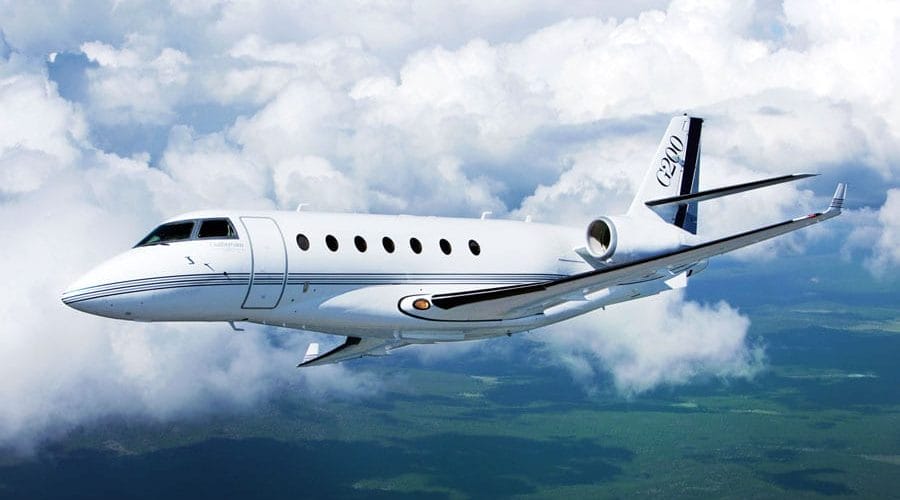
These pocket rockets of private aviation, like the HondaJet HA-420 or the Embraer Phenom 100, may be small in stature, but they pack a punch in terms of speed and performance.
Pros for renters: VLJs are usually more cost-effective due to their smaller size. These are ideal for short distances, making them suitable for business executives traveling on a budget.
Con for renters: The smaller size of VLJs limits their passenger capacity. These jets may also lack some of the amenities found on larger jets, such as bathrooms or spacious cabins.
Light Jets
Light jets, often referred to as the sports cars of private aviation, are perfect for short trips. With a comfortable capacity of four to six passengers, they are best suited for journeys of up to three hours, or around 1,500 miles. They are nimble and can provide access to more airports.
Pros for renters: Light jets are cost-effective for short trips, offer a comfortable cabin, and can land in smaller airports, offering more flexibility in destination choices.
Cons for renters: They have limited luggage capacity and aren’t the most spacious for taller or larger groups. They’re also not ideal for longer journeys due to their limited range.
Mid-size jets
Mid-size jets offer more space, luxury, and longer range compared to light jets. They typically carry six to seven passengers and can fly non-stop for up to five hours, or around 2,200 miles.
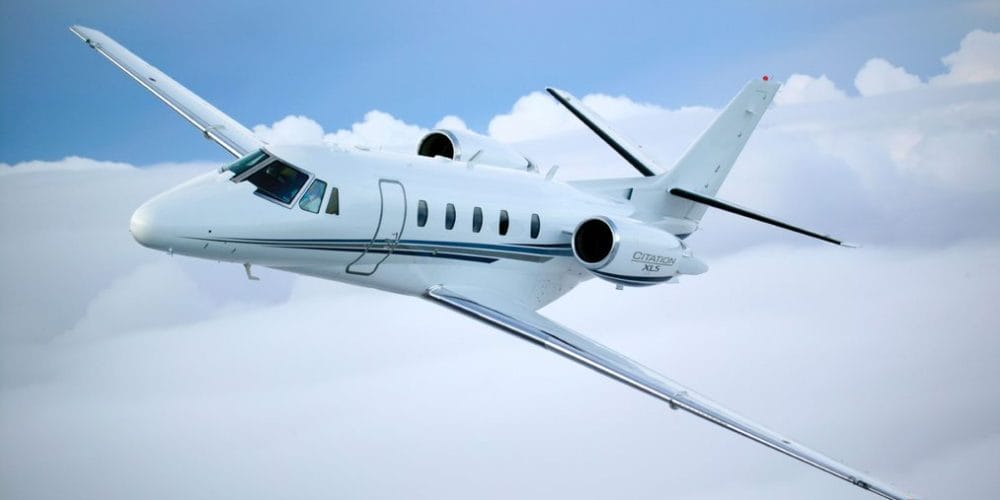
The Hawker 800XP and the Citation XL/XLS are great examples of this category with their balance of comfort, performance, and range.
Pros for renters:Mid-size jets are more spacious with stand-up cabins and increased luggage capacity, and they often include amenities like a small galley and in-flight restrooms. They also have a longer range than light jets.
Cons for renters: These are typically more expensive to rent than light jets and require longer runways, which can limit airport options.
super Mid-size jets
Super mid-size jets offer near transcontinental range, luxurious interiors, and a more spacious cabin for up to 10 passengers. They’re excellent for flights of up to six hours, or around 3,200 miles.
Pros for renters: Super mid-size jets offer enhanced comfort and amenities, including larger galleys, more spacious restrooms, and more luggage capacity. Their extended range allows for longer non-stop flights.
Cons for renters: However, these jets also feature higher rental costs than mid-size and light jets. They also require longer runways, restricting access to some airports.
Heavy Jets
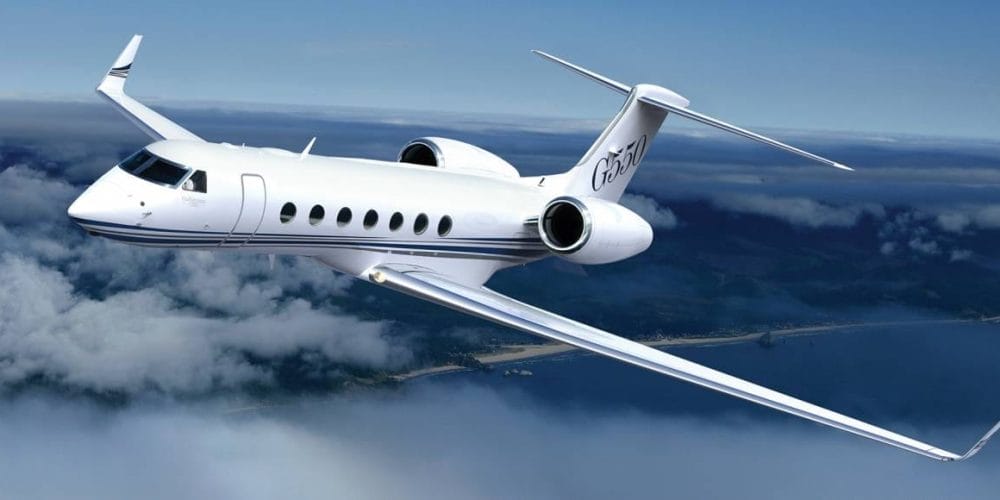
Heavy Jets are the pinnacle of private air travel, offering transcontinental range and accommodating up to 10 to 12 passengers comfortably. They’re ideal for flights up to eight hours, or up to 3,800 miles.
Pros for renters: Heavy jets offer the most luxurious travel experience, including full galleys, spacious restrooms, and often lie-flat seats or beds. They have ample luggage capacity and offer long-range capabilities.
Cons for renters: These jets can be quite expensive to rent and require the longest runways, limiting access to some smaller airports.
executive airliners
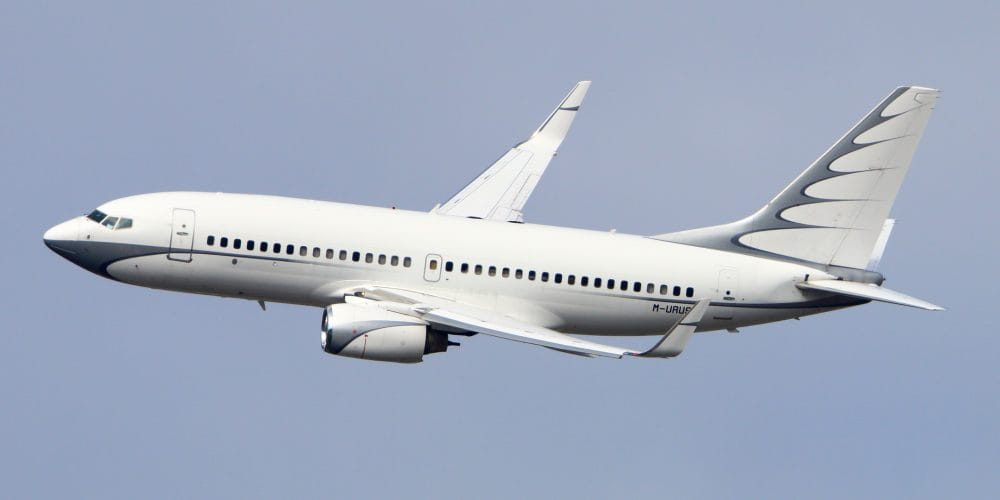
At the top of the private aviation hierarchy, we find executive airliners. These are the largest and most costly to operate but offer unparalleled benefits. With long-range, intercontinental capabilities, these airliners can carry between 25 to 50 passengers, which is ideal for when you need to fly large groups.
Modified to feature luxurious spaces, loungers, showers, private quarters, and even business facilities like full conference rooms, these jets are essentially five-star hotels in the sky. Think Air Force One, or more commercially, the Boeing Business Jet and Airbus Corporate Jet ACJ 350.
Pros for renters: Executive airliners are the largest and most luxurious class of private aircraft, making them perfect for flying large groups in comfort.
Cons for renters: Airliners are the most costly to operate. Their large size also means they’re restricted to major airports, which means they may not be great fits for regional or remote destinations.
BONUS: Turboprops
We couldn’t move forward without highlighting turboprops. These aren’t jets but propeller-powered aircraft, and they can sometimes be the most cost-efficient option, especially for short journeys.
About 80 percent of private flights are less than two hours, which is where turboprops come in. Turboprops can be quick, convenient, and, in many cases, equally luxurious to a jet.
Additionally, their ability to take off and land at shorter runways provides access to a wider range of airports.
Pros for renters: Turboprops can be a cost-efficient option, especially for shorter routes. They’re quick and convenient but not as fast as light jets. Additionally, they can land and take off from shorter runways, granting access to a wider range of airports.
Cons for renters: Despite their convenience, turboprops can be noisier and slower than jets. They might also lack some of the comforts and amenities found on jet-powered aircraft.
how can you choose the right jet for your needs?
Deciding on the best private jet for your needs depends on a few key factors. Firstly, consider the travel distance. Light and mid-size jets are great for shorter trips, while heavy and ultra-long-range jets are designed for long-haul, intercontinental journeys.
The number of passengers you plan to have on board will determine how much cabin space you need. Light jets might feel cramped for larger groups, while heavy and ultra-long-range jets provide more room to move about and additional amenities.
Luggage capacity is another significant consideration. If you plan to bring a lot of baggage or equipment, you’ll require a jet with ample storage space. Lastly, your budget will also play a role in your decision. Each jet type comes with a different price tag, with light jets being the most affordable and ultra-long-range jets being the most expensive.
With these factors in mind, Magellan Jets is here to help you make the right decision. As the most trusted entity in the private aviation industry, we can provide personalized advice and guidance, ensuring your next private jet charter perfectly aligns with your needs.
what are the benefits of choosing magellan jets?
The flexibility in choosing the right jet for your needs is at the core of our Jet Card Programs. Thanks to our innovative Jet Cards, you have the liberty to customize your travel needs with every trip. Our Jet Cards ensure you only pay for what you need, making luxury private travel more flexible and accessible.
We also don’t own our own fleet, instead contracting with pilots across the globe—translating into unparalleled freedom of choice for you. With the ability to execute any mission anywhere in the world, we’re here to get you to your destination in luxury.
take flight
The world of private jet rentals offers an impressive spectrum of choices, each designed to cater to different needs and preferences. Whether you’re an individual seeking a quick getaway or a corporation looking to transport your executives, there’s a jet for you. And while the freedom to choose can be exciting, it is equally important to make informed decisions. Remember, your choice of private jet can significantly impact your overall travel experience.
When renting with Magellan Jets, you’re not just a client but a valued partner. This personal approach forms the heart of our services. You’ll have your own Private Aviation Consultant who will source the perfect aircraft for you based on your trip details and personal requirements. Your needs, preferences, and peace of mind take center stage, and we’ll partner with you to make sure you have everything you need for a comfortable, safe, and efficient flight.
Magellan Jets is excited to announce the opening of our very first Private Jet Terminal at Laurence G. Hanscom Field in Bedford, Massachusetts—one of the busiest locations in the country for private jets and the preferred airport for many of our clients. It’s a unique location designed to serve the needs of our valued guests—a place for them to relax before or after a flight, enjoy refreshments, or even conduct business. Read on to learn more about Magellan’s new Bedford Private Jet Terminal!
EXPLORE OUR NEW HANSCOM FIELD PRIVATE JET TERMINAL
Like no other space at the Bedford airport
The Interior of the Magellan Jets Private Terminal at Hanscom Field in Bedford.
As Magellan Jets enters its 15th year, we’re thrilled to offer an elevated, purely private experience for guests via our first Private Jet Terminal. We plan to open a new private terminal in a new location each year, but it was important to us to begin with a location serving the Greater Boston community that we’ve been a part of since day one. The space allows us to show our guests the Magellan difference from the very moment they arrive for their flight, with Flight Support and Guest Experience staff on location and supporting them directly. It’s also going to serve as a hub for Magellan’s new Aircraft Sales & Management Division, hosting potential aircraft owners and showcasing jets.
“With the launch of our private terminal at Bedford Hanscom Field, one of our major hubs and right in our backyard, it’s the perfect opportunity to expand our service offerings by adding aircraft sales/acquisitions and management to the platform of products our customers have access to,” Magellan Jets President and co-founder Anthony Tivnan said. “This location also provides an intimate and purely private experience that is exclusive to Magellan customers, members, and guests traveling to and from the Boston area.”
https://www.youtube.com/watch?v=Ihi2NMVYWYA
Jet Card
The only Build-a-Card® in the industry, offering ultimate flexibility and consistency.
Guests at the Magellan Jets Bedford Private Terminal will enjoy a comfortable private lounge complete with refreshments, restrooms, WiFi connectivity, and an executive conference room.
Guests who visit the Bedford Private Jet Terminal will enter a space that is all their own. While there are many facilities catering to pilots, crews, and maintenance staff, ours is the only space at the Bedford airport specifically made for private jet travelers.
When they arrive, customers will pull into designated VIP parking and be met by Magellan Jets staff members who know them by name, know the details of their trip, and anticipate their every need. Inside, they’ll find:
A private lounge, where they can relax and enjoy coffee and refreshments (they can even request to stock their favorite spirits, beverages, and snacks!)
Exclusive access to a state-of-the-art executive conference room complete with WiFi connectivity, a large video screen, and telecommunications systems should the need to do business arise.
Private washrooms
Gorgeous ramp views
A secure door leading to the hangar and tarmac
Previous image
Next image
HOW TO GET TO MAGELLAN’S HANSCOM FIELD PRIVATE JET TERMINAL
Magellan’s Private Jet Terminal at Hanscom Field is located at the southeast corner of Hanscom Field on Hanscom Drive past Old Bedford Road. Just 30 minutes from downtown Boston and Boston Logan International Airport, the terminal is easily accessed via I-95 South and MA-2A East. For more detailed driving directions:
The terminal is available for use exclusively to Magellan Jets guests, members, and Jet Card Owners.
EXPERIENCE THE MAGELLAN JETS DIFFERENCE FIRSTHAND
If you regularly fly in and out of Bedford and Greater Boston, we’d love to make our private terminal your private terminal. Our Private Aviation Consultants are ready to show you how our industry-leading service & safety standards, unmatched operator network, and in-house Flight Operations specialists can elevate your private travel experience. Click the button below to explore our full suite of private aviation solutions or call 877-550-JETS (5387) to speak to one of our private aviation professionals today.